
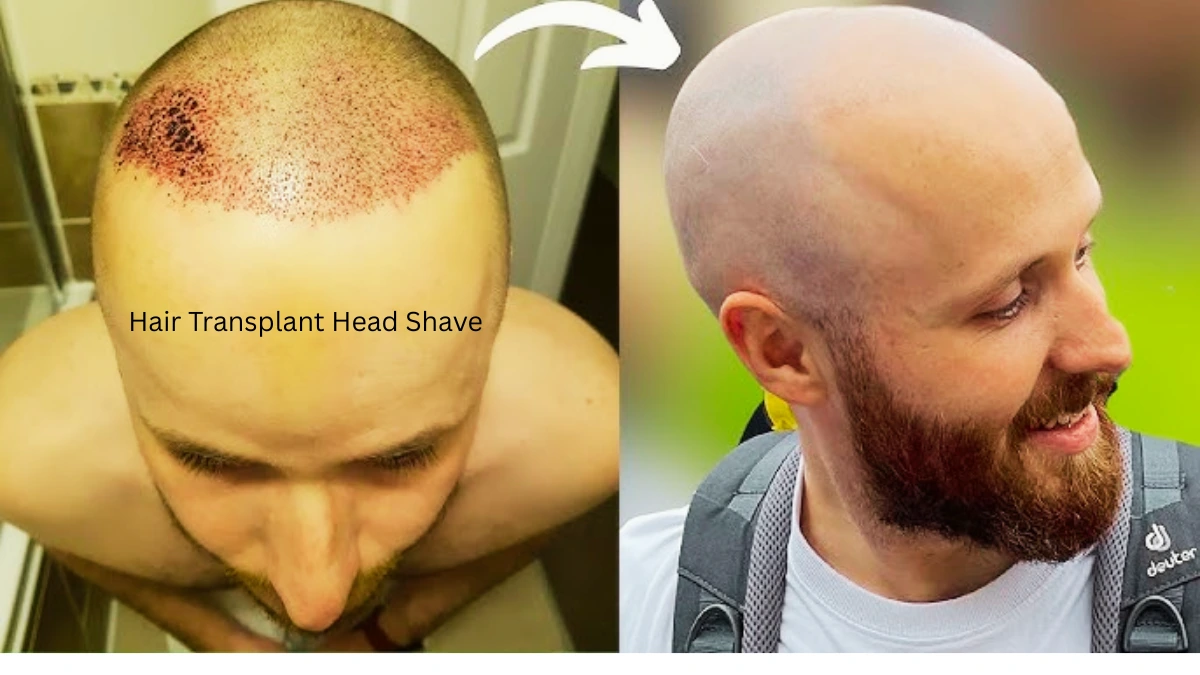
Hair Transplant Head Shave: When & How to Shave Safely After a Hair Transplant
Hair Transplant Head Shave: When & How to Shave Safely After a Hair Transplant
Hair Transplant Head Shave – Learn what to ask your doctor to ensure a safe procedure, natural results, and long-term success.
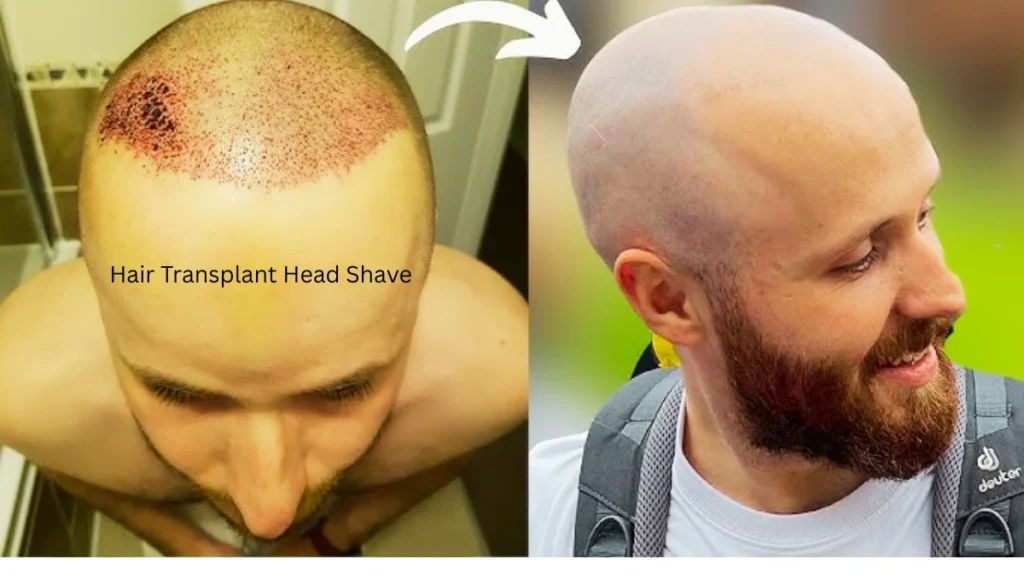
Hair Transplant Head Shave: Hair transplant is a life-changing procedure, but the success of your results depends heavily on proper aftercare. One of the most frequently asked questions by patients is:
“When can I shave my head after a hair transplant?”
Shaving too early can damage newly implanted grafts and affect your final outcome. This complete guide explains the safe timeline, expert precautions, and best practices to follow.
Understanding What Happens After a Hair Transplant
After a hair transplant, your scalp undergoes multiple healing stages:
- Day 1–7: Scabs form around the transplanted follicles
- Day 7–14: Grafts begin to anchor into the scalp
- After 2 weeks: Grafts become more stable
- 1–3 months: Skin heals fully and new hair growth begins
During this phase, your scalp remains sensitive, so avoiding shaving is essential.
When Can You Shave Your Head After a Hair Transplant?
First 0–14 Days: No Shaving
This is the most critical healing phase.
- Grafts are fragile
- Shaving can dislodge follicles
- Risk of infection is high
Avoid using a razor, trimmer, or scissors during this period.
After 2–4 Weeks: Limited Trimming
By this stage:
- Scabs fall off naturally
- Grafts are more stable
You can lightly trim the donor area using scissors or a trimmer. Avoid aggressive trimming on the transplanted area.
After 1 Month: Gentle Trimming Allowed
At around 4 weeks:
- Healing improves
- Sensitivity reduces
You can use an electric trimmer on a low setting. Do not allow the blade to touch the scalp directly.
After 3 Months: Safe for Razor Shaving
After 3 months:
- The scalp is fully healed
- Hair follicles are securely rooted
You can safely use a razor and return to your normal grooming routine. Always shave gently without pressure.
Donor Area vs Recipient Area
Understanding the difference is important:
Donor Area (Back and sides)
- Heals faster
- Can be trimmed earlier
Recipient Area (Top scalp)
- Contains transplanted grafts
- Requires more care and delayed shaving
Factors That Affect Shaving Timeline
The timeline may vary depending on:
- Individual healing speed
- Skin sensitivity
- Presence of redness or swelling
- Technique used during transplant
- Doctor’s aftercare instructions
If symptoms like irritation or numbness continue, delay shaving.
Step-by-Step Guide to Safe Head Shaving
- Start with trimming after 1 month
- Use clean and sanitized tools
- Keep trimmer on low setting
- Avoid pressure on the scalp
- Move to razor shaving only after 3 months
- Apply soothing lotion if needed
Tips for Safe Shaving
- Wait until all scabs fall off naturally
- Avoid aggressive shaving
- Always use clean tools
- Keep the scalp hydrated
- Follow your doctor’s advice
Common Mistakes to Avoid
- Shaving within the first 2 weeks
- Using a razor too early
- Ignoring redness or irritation
- Applying pressure on grafts
- Not following aftercare instructions
Benefits of Waiting Before Shaving
- Better graft survival
- Natural-looking hair growth
- Reduced risk of infection
- Stronger and healthier follicles
When to Consult a Doctor
You should consult your doctor if you experience:
- Persistent redness or swelling
- Pain or itching after several weeks
- Unusual hair loss
- Concerns before shaving
About the Clinic – Best Skin & Hair Clinic in Chennai
Dr. Hanan Dermatology Speciality Clinic offers expert care for skin and hair treatments in Chennai.
- Advanced hair transplant techniques
- Experienced dermatologists and aesthetic specialists
- Safe and result-oriented treatments
- Modern laser and cosmetic solutions
About Dr. Hanan Basith
- MD (DVL), FFAM
- Graduate of Madras Medical College, Chennai
- Fellowship in Facial Aesthetic Medicine
- Member of IADVL, ACSI, AHRS
The clinic is widely trusted for delivering effective and affordable hair and skin treatments.
Our Specialized Services
- Hair Transplant
- Laser Hair Reduction
- Acne Scar Treatment
- Non-surgical Face Lifting
- Glutathione Treatment
FAQs
1. When can I shave my head after a hair transplant?
You should avoid shaving completely for the first 2 weeks. Light trimming is usually safe after 1 month, while razor shaving is recommended only after 3 months.
2. Can I shave my head after 10–15 days of hair transplant?
No, shaving during this period is not safe. The grafts are still healing and can be easily dislodged.
3. When can I use a trimmer after a hair transplant?
You can use an electric trimmer on a low setting after 3–4 weeks, once scabs have completely fallen off.
4. Is razor shaving safe after a hair transplant?
Yes, but only after 3 months when the scalp has fully healed and grafts are securely rooted.
5. Can I shave the donor area earlier than the recipient area?
Yes, the donor area heals faster and can be trimmed earlier, but still with caution and gentle handling.
6. What happens if I shave too early after a hair transplant?
Shaving too early can damage or dislodge grafts, reduce hair density, and negatively impact the final results.
7. Should I wait until all scabs fall off before shaving?
Yes, you must wait until all scabs fall off naturally before using a trimmer or razor.
8. Can I use a razor if my scalp still feels sensitive?
No, if you experience redness, swelling, or numbness, you should delay shaving until your scalp fully recovers.
9. Does shaving affect hair growth after a transplant?
Shaving at the right time does not affect hair growth. However, shaving too early can harm graft survival.
10. Do I need doctor approval before shaving my head?
Yes, it is always best to consult your doctor before your first shave to ensure your scalp has healed properly.
Book Your Consultation Today!
For Personalised Treatment visit Dr. Hanan Clinic. Feel confident and proud with our expert care.
Table of Contents

Top Questions to Ask Before Getting a Hair Transplant in Chennai
Top Questions to Ask Before Getting a Hair Transplant in Chennai
Top Questions to Ask Before Getting a Hair Transplant in Chennai – Learn what to ask your doctor to ensure a safe procedure, natural results, and long-term success.

Hair loss can be emotionally draining, but a hair transplant provides a promising and permanent solution. However, it is important to choose the right clinic and approach – especially in a city like Chennai, where there are more options but not all equal .
Whether you are just starting your research or ready to book a consultation, asking the right question is the key to success. Dr. Hanan Dermatology Specialty and Trichology Clinic helps you highlight the top questions to ask before you get a hair transplant in Chennai – so you invest wisely in your look, confidence and security.
Am I the Right Candidate for a Hair Transplant?
Not every person who experiences hair loss is not a suitable candidate for transplantation. Success depends on hair loss, available donor area and type of underlying health conditions.
Ask Your Doctor:
- What type of hair loss do I have – genetic, autoimmune, hormonal or nutritional?
- Do I have enough donor hair?
- Can my current situation be treated first with medication or PRP?
- Is my hair fall stable or is it still progressing?
Why it matters:Choosing a transplant before understanding your type of hair loss can lead to poor results or wasted money.
Which Technique Will Be Used: FUE or FUT?
Hair transplants are done using two main techniques:
- FUE (Follicular Unit Extraction): Individual follicles are extracted and implanted. Leaves no linear scar.
- FUT (Follicular Unit Transplantation): A strip of skin is removed; typically used when more grafts are needed.
Ask:
- Which method is right for my scalp and hair type?
- How many grafts do I need for natural density?
- Will the scar be visible (if any)?
Why it matters: Each method has pros and cons. Your doctor must tailor the approach to your hair pattern and aesthetic goals.
Who Will Perform the Procedure?
In Chennai, many clinics allow procedures to technicians or unqualified employees, which can compromise your results and safety.
Ask:
- Will a certified dermatologist or trichologist perform the transplant?
- How many years of experience do they have?
- Can I see before-after photos or reviews from previous patients?
Why it matters: You need someone with medical knowledge + aesthetic sense to deliver safe and natural-looking results.
How Much Does a Hair Transplant Cost in Chennai?
Cost is a major concern, but don’t fall for the lowest price tag.
Ask:
- Is the price based on grafts or a flat rate?
- Does the cost include consultation, procedure, anesthesia, medications, and aftercare?
- Are there any hidden fees?
- Is EMI available?
Why it matters: A transparent pricing structure ensures you know exactly what you’re paying for—without surprises.
What Kind of Results Can I Expect?
It’s important to manage your expectations. Some clinics may overpromise density or instant results, which is misleading.
Ask:
- What’s the realistic timeline for hair regrowth?
- Will my hairline look natural?
- How many sessions will I need?
- Can I expect full coverage or partial improvement?
Why it matters: Your hair will grow gradually—usually starting at 3 months, with full results around 9–12 months.
How Safe Is the Procedure?
A hair transplant is generally safe, but only when performed in a sterile, certified environment.
Ask:
- What safety protocols does your clinic follow?
- What are the potential risks or complications?
- Are the tools and instruments single-use and sterilized?
- Do you have an emergency response team?
- ated hair is fragile and prone to color fading.
Why it matters: Complications like infections, scarring, or poor graft survival happen mostly due to poor hygiene or improper technique.
What Is the Recovery Time?
Many patients worry about when they can return to work, travel, or exercise.
Ask:
- When can I resume normal activities?
- What post-care is required?
- When will the scabs fall off?
- Are follow-up visits mandatory?
Why it matters: Understanding the downtime and healing helps you plan your schedule and aftercare correctly.
Will My Transplanted Hair Fall Out?
Yes—but don’t panic! This is a normal part of the hair growth cycle called “shock loss.”
Ask:
- When will the shedding phase happen?
- When will I start seeing permanent growth?
- Will all the transplanted hair grow back?
Why it matters: Many patients worry after seeing hair fall again post-surgery, but informed expectations prevent fear and frustration.
What About My Existing Hair?
A transplant doesn’t prevent further loss of non-transplanted hair. That’s why a combined approach often gives the best results.
Ask:
- Will my natural hair continue thinning?
- Do I need to take Minoxidil or Finasteride after the transplant?
- Is PRP recommended as a follow-up?
Why it matters: Treating the entire scalp—not just the bald spots—ensures long-term results.
How Do I Choose the Right Clinic in Chennai?
Here’s where the decision really counts. Chennai has many clinics offering “discount” transplants. But the right clinic isn’t just about affordability—it’s about credibility, hygiene, and expertise.
Ask:
- Is the clinic certified and dermatology-led?
- What do reviews say? Do they have over 500–800+ Google ratings?
- Are consultations personalized and science-based?
- Do they offer complete support from pre-care to aftercare?
Why it matters: Your choice of clinic affects not just your looks—but your health and safety, too.
Bonus Questions to Consider
If you still have doubts, ask these during your consultation:
- What if I don’t get the results I expected—do you offer a corrective plan?
- Do you document graft survival rates?
- Is there a contact number in case I face post-op issues?
- Will shaving be required for the procedure?
Why Patients in Chennai Choose Dr. Hanan Dermatology Clinic
At Dr. Hanan Dermatology Speciality and Trichology Clinic, Chennai, we answer all these questions—and more—with honesty and clarity
Here’s why we’re among the top-rated hair transplant clinics in Chennai:
- 880+ happy patient reviews
- FUE, PRP, Microneedling & Exosome therapies under one roof
- Transparent pricing & consultation
- Certified dermatologists, not technicians
- Natural-looking hairlines designed to suit your face
- Infection-free procedures in sterile setups
Conclusion
Asking the right questions before your hair transplant in Chennai helps you:
- Understand the procedure
- Set realistic goals
- Choose the right clinic
- Ensure safety and results
So don’t be afraid to ask, compare, and consult more than once. The more informed you are, the more successful your hair restoration journey will be.
Book Your Consultation Today!
For Personalised Treatment visit Dr. Hanan Clinic. Feel confident and proud with our expert care.
Table of Contents
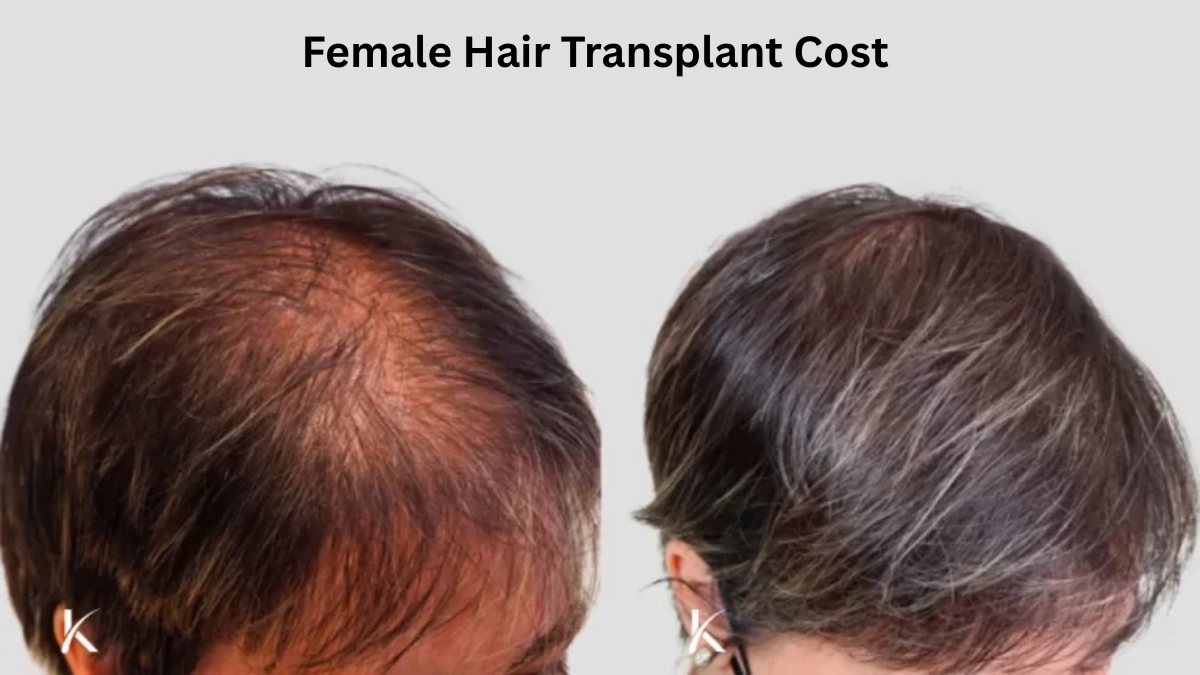
Female Hair Transplant Before and After – Real Results, Recovery & What to Expect
Female Hair Transplant Before and After – Real Results, Recovery & What to Expect
Female Hair Transplant Before and After. Are you the good candidate for hair transplantation? Learn about hair loss types, eligibility, and factors to consider about hair transplant
Female Hair Transplant Before and After: Hair loss in women is more common than many people think. Thinning hair, widening part lines, and receding temples can deeply affect confidence and self-image. That’s why “female hair transplant before and after” has become one of the most searched topics among women looking for a permanent solution.
If you’re considering a hair transplant, this detailed guide will walk you through realistic results, recovery stages, safety, and what truly makes a difference in before-and-after transformations.
Understanding Female Hair Loss
Unlike male pattern baldness, female hair loss usually appears as overall thinning rather than complete bald patches. Identifying the cause is the first and most important step.
Common Causes of Hair Loss in Women
Hormonal imbalance
PCOS
Thyroid disorders
Post-pregnancy hair fall
Traction alopecia (tight hairstyles)
Female pattern hair loss
Stress and nutritional deficiencies
A proper dermatological evaluation helps determine whether medical treatment alone is sufficient or if a hair transplant is the right long-term option.
Read more: Female Hair Transplant Cost
What Is a Female Hair Transplant?
A female hair transplant is a minimally invasive surgical procedure where healthy hair follicles are extracted from a donor area (usually the back of the scalp) and transplanted into thinning or balding areas.
Techniques Commonly Used
FUE (Follicular Unit Extraction)
Individual hair follicles are extracted and implanted.Minimal scarring
Faster healing
Ideal for women who prefer shorter recovery time
FUT (Follicular Unit Transplantation)
A strip of scalp is removed to harvest follicles.
Suitable for larger graft requirements
Higher graft yield in some cases
For women, special attention is given to preserving existing hair and designing a natural hairline. Unlike men, complete shaving is often avoided.
Female Hair Transplant Before and After: Timeline Explained
One of the biggest concerns women have is: When will I see results?
Here’s a realistic timeline:
Before the Procedure
Detailed consultation and scalp analysis
Assessment of donor hair density
Blood tests if required
Customized hairline planning
Pre-procedure care instructions
Setting realistic expectations during this stage is crucial.
Read more: Top 10 hair clinics in chennai
Immediately After the Procedure
Mild swelling and redness
Tiny scabs in transplanted area
Minimal discomfort
Return to routine within a few days
This stage may look alarming, but it is completely normal.
1 Month After – Shedding Phase
Many patients panic during this stage.
Transplanted hairs may shed. This is called shock loss and is temporary. The follicles remain intact under the scalp
3–6 Months After – Early Growth
New hair begins to grow
Density slowly improves
Hair appears soft and thin initially
This is when visible transformation begins.
9–12 Months After – Final Results
Noticeable volume improvement
Natural texture and thickness
Full blending with existing hair
Freedom to style hair confidently
The most dramatic “before and after” comparisons are seen during this phase.
What Affects Before and After Results?
Every woman’s transformation is unique. Results depend on:
Donor hair quality
Number of grafts transplanted
Scalp health
Surgical expertise
Post-procedure care
Overall health and nutrition
Choosing an experienced dermatologist significantly improves the outcome.
Benefits of Female Hair Transplant
✔ Permanent and natural-looking solution
✔ Uses your own hair follicles
✔ No visible scarring (in FUE)
✔ Boosts confidence and self-image
✔ Minimal downtime
Unlike temporary treatments, transplanted hair grows naturally and can be cut, colored, and styled.
Who Is the Right Candidate?
Hair transplant works best for:
Women with stable hair thinning
Patients with traction alopecia
Women with scar-related hair loss
Eyebrow restoration cases
Patients with good donor hair density
Women with diffuse thinning across the entire scalp may require medical therapy before considering surgery.
FAQs
1. How long does it take to see before and after results in female hair transplant?
Initial shedding happens within the first month. Visible new growth starts around 3–4 months, and full results are typically seen between 9–12 months after the procedure.
2. Are female hair transplant results permanent?
Yes. The transplanted hair follicles are usually resistant to hormonal hair loss and grow permanently. However, maintaining overall scalp health is important for long-term results.
3. Does a female hair transplant look natural?
When performed by an experienced dermatologist, the results look completely natural. Proper hairline design and correct angle placement of grafts play a major role in achieving realistic outcomes.
4. Is shaving the head necessary for women?
In most cases, complete head shaving is not required. Many clinics offer partial shaving techniques or no-shave FUE methods for female patients.
5. Is the procedure painful?
The procedure is done under local anesthesia, so pain during surgery is minimal. Mild discomfort or tightness may be felt for a few days after the treatment.
6. What is the recovery time after a female hair transplant?
Most women return to routine activities within 3–5 days. Scabs usually fall off within 10–14 days, and redness gradually fades.
7. Can women with diffuse thinning undergo hair transplant?
Hair transplant works best when there is a stable donor area. Women with severe diffuse thinning may require medical treatment first before considering surgery.
8. Will the transplanted hair fall again?
The transplanted hair may shed temporarily during the first month (shock loss), but the follicles remain intact and regrow naturally within a few months.
9. What factors affect before and after results?
Results depend on donor hair quality, number of grafts, surgical expertise, scalp condition, and proper aftercare.
10. How many grafts are required for female hair transplant?
The number of grafts varies depending on the area of thinning and desired density. A detailed consultation helps determine the exact requirement.
Ready for Permanent Hair Restoration?
Wondering if a hair transplant is permanent? Book a consultation with our specialists and get personalized guidance for long-lasting results!
Table of Contents
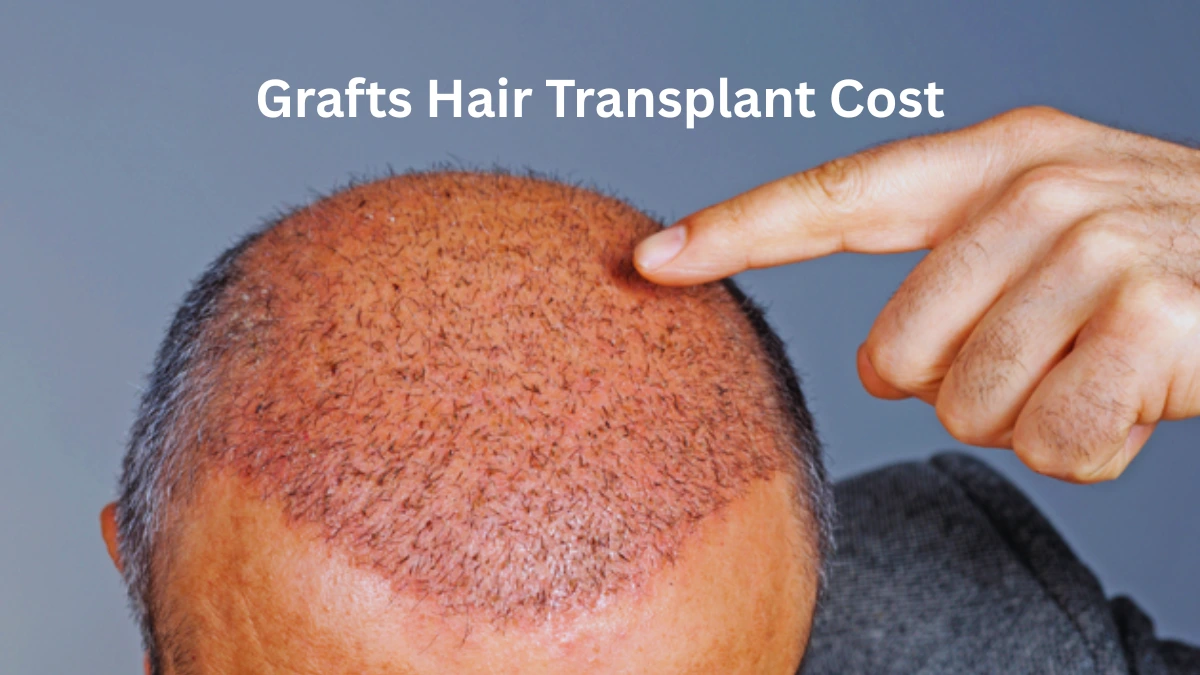
Grafts Hair Transplant Cost – Dr. Hanan Dermatology Speciality Clinic, Chennai
Grafts Hair Transplant Cost – Dr. Hanan Dermatology Speciality Clinic, Chennai
Discover the top questions to ask before your hair transplant in Chennai. Ensure safe procedures, natural results, and long-term success with Dr. Hanan Dermatology Clinic.
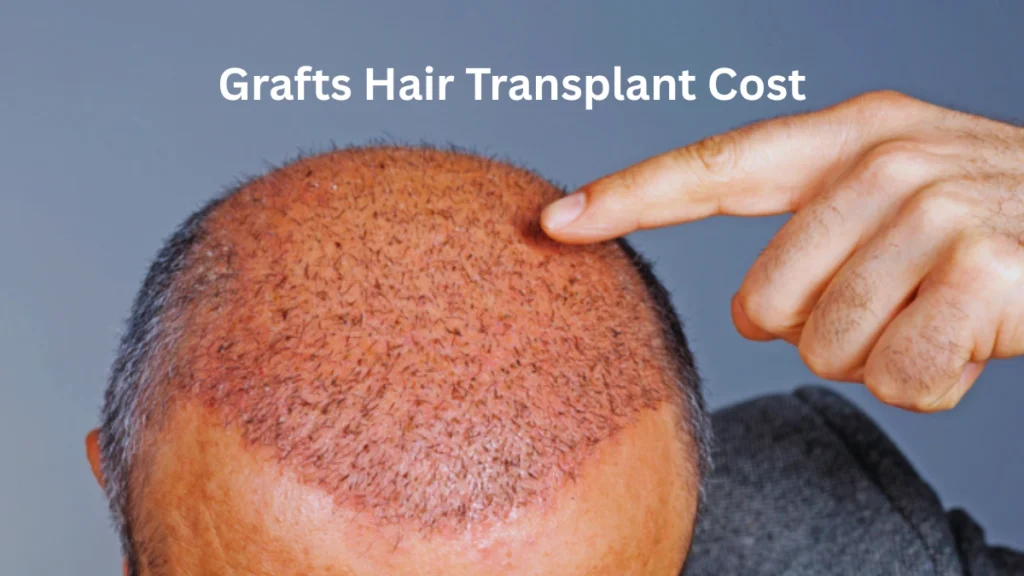
Grafts Hair Transplant Cost: Are you struggling with hair loss and considering a hair transplant? Understanding the cost per graft is essential before planning your hair restoration journey. At Dr. Hanan Dermatology Speciality Clinic, Chennai’s leading dermatology and hair clinic, we provide advanced FUE, DHI, and Sapphire hair transplant procedures that deliver natural results at affordable and transparent costs.
What is a Hair Graft?
A hair graft is a small bundle of hair follicles transplanted from the donor area (usually the back or sides of the scalp) to the thinning or balding areas. Each graft may contain 1–4 hairs, depending on hair density and the type of transplant procedure.
Different techniques like FUE (Follicular Unit Extraction) and FUT (Follicular Unit Transplantation) determine the number of grafts required and influence the total cost. Knowing the graft count helps in planning your hair restoration and estimating the budget accurately.
How Hair Transplant Cost is Calculated
The hair transplant cost per graft varies based on multiple factors:
Number of grafts required – More grafts increase total cost.
Type of procedure – FUE, DHI, Sapphire FUE, and robotic methods differ in pricing.
Clinic reputation & location – Premium clinics with advanced technology may charge slightly higher.
Surgeon experience – Experienced dermatologists like Dr. Hanan Basith, MD (DVL), FFAM ensure high-quality results.
Additional procedures – PRP therapy, scalp preparation, or anesthesia may add to the cost.
Example Cost Estimate for Reference:
| Number of Grafts | Approx. Cost (INR) |
|---|---|
| 1000 grafts | ₹40,000 – ₹80,000 |
| 2000 grafts | ₹80,000 – ₹1,60,000 |
| 3000 grafts | ₹1,20,000 – ₹2,40,000 |
Note: Costs vary depending on the hair density, procedure type, and patient requirements.
Cost per Graft – India & Global Trends
In India, hair transplant costs generally range from ₹20 to ₹100 per graft, depending on the clinic, city, and technique. Compared to global prices, India offers highly competitive rates without compromising quality. For example:
UAE: ₹80–₹200 per graft
US & UK: ₹150–₹400 per graft
This makes India a preferred destination for affordable yet premium hair transplant procedures.
Factors Influencing the Total Graft Requirement
The total number of grafts required depends on:
Age & pattern of hair loss – Younger patients may need fewer grafts initially.
Donor hair availability – Healthy hair in the donor area is crucial for good results.
Desired hair density – Higher density requires more grafts.
Hair quality & texture – Coarse hair covers more area with fewer grafts.
A consultation with Dr. Hanan helps determine your exact graft requirement and cost estimate.
Tips to Reduce Hair Transplant Costs
While it’s important not to compromise on quality, some ways to manage costs include:
Choosing FUE or FUT based on hair loss pattern.
Availing clinic packages that combine consultation, transplant, and post-procedure care.
Booking early consultations for special discounts or financing options.
Avoiding extremely cheap clinics that may compromise results.
At Dr. Hanan Clinic, we provide affordable hair transplant packages without sacrificing quality or safety.
Risks of Choosing Cheap Hair Transplants
Hair transplant is a surgical procedure, and going for extremely low-cost options can lead to:
Unnatural hairlines
Scarring and poor graft survival
Complications and infections
Multiple redo surgeries, increasing long-term costs
Choosing a certified clinic with experienced dermatologists ensures safe and natural-looking results.
Before & After Hair Transplant Results
At Dr. Hanan Dermatology Speciality Clinic, we share real patient transformations with natural hair density and no visible scarring. Recovery typically takes 7–14 days, with new hair growth visible after 3–6 months and full results in 9–12 months.
FAQs
Q1. What is the cost of hair transplant per graft in Chennai?
A: At Dr. Hanan Dermatology Speciality Clinic, the cost per graft typically ranges from ₹20 to ₹100, depending on the procedure type (FUE, DHI, Sapphire FUE), number of grafts, and complexity of the case.
Q2. How many grafts do I need for a full hair transplant?
A: The number of grafts varies based on hair loss severity and desired density. Most patients need 2000–4000 grafts for full scalp coverage, while smaller areas may require 1000–1500 grafts. A consultation is necessary to determine your exact requirement.
Q3. Does hair transplant cost vary with technique?
A: Yes. FUE, DHI, Sapphire FUE, and robotic hair transplant procedures differ in cost due to their precision, technology, and recovery benefits. Dr. Hanan Clinic provides a personalized cost estimate after assessment.
Q4. Is hair transplant at Dr. Hanan Clinic worth the cost?
A: Absolutely. Dr. Hanan Dermatology Speciality Clinic combines experienced dermatologists, advanced technology, and safe procedures to deliver natural and long-lasting results, making it a trusted choice in Chennai.
Q5. Are there any hidden costs in hair transplant procedures?
A: No. Our clinic provides transparent pricing including consultation, procedure, post-care, and follow-ups. Optional add-ons like PRP therapy or scalp treatments may be quoted separately.
Q6. How long does it take to see results after hair transplant?
A: Initial hair growth is visible after 3–6 months, with full results appearing in 9–12 months. Recovery from the procedure is usually quick, with minimal downtime.
Q7. Is hair transplant painful?
A: Hair transplant procedures are performed under local anesthesia, ensuring minimal discomfort during surgery. Post-procedure soreness is mild and manageable.
Q8. Can hair transplant cost be covered by insurance?
A: Hair transplant is considered a cosmetic procedure, so it is typically not covered by insurance. However, we offer affordable packages and financing options to suit different budgets.
Q9. How do I choose the right number of grafts for my transplant?
A: The ideal number of grafts depends on hair loss pattern, donor hair availability, and your desired hair density. Dr. Hanan will assess your scalp and recommend the optimal graft count during your consultation.
Q10. Can results from a hair transplant last a lifetime?
A: Yes. Hair transplanted from the donor area is permanent, but natural hair loss may continue in non-transplanted areas. Follow-up treatments or PRP therapy can help maintain long-term results.
Book Your Consultation Today!
For Personalised Treatment visit Dr. Hanan Clinic. Feel confident and proud with our expert care.
Table of Contents
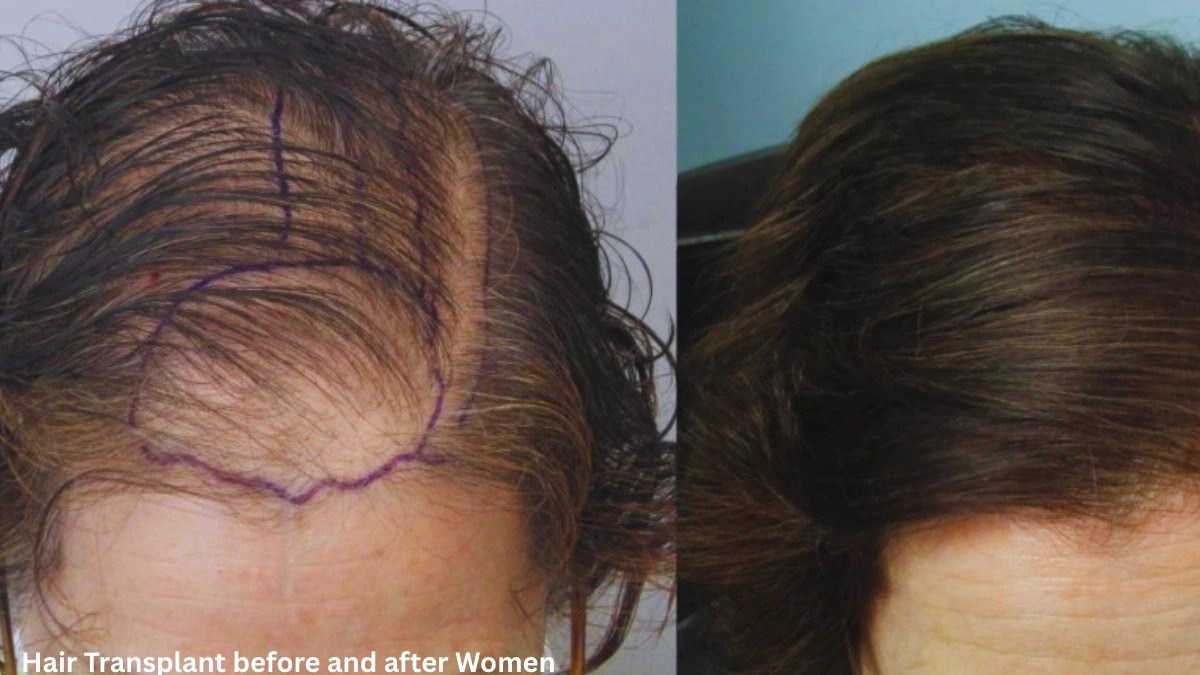
Hair Transplant Before and After Women – Dr. Hanan Dermatology Speciality Clinic, Chennai
Hair Transplant Before and After Women – Dr. Hanan Dermatology Speciality Clinic, Chennai
Women hair transplant in Chennai. Ensure safe procedures, natural results, and long-term success with Dr. Hanan Dermatology Clinic.
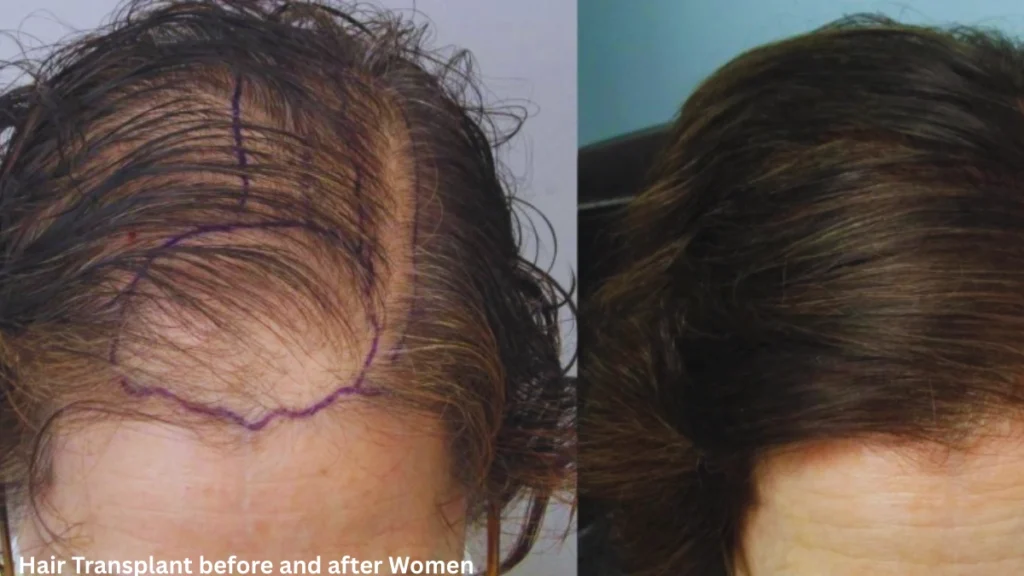
Hair Transplant Before and After Women: Hair loss is not just a problem for men; it affects millions of women globally, impacting confidence and self-esteem. At Dr. Hanan Dermatology Speciality Clinic, Chennai’s leading dermatology and hair clinic, we specialize in female hair transplant procedures that restore natural hair density and deliver lasting results. In this article, we explore causes, procedures, before and after transformations, benefits, risks, and costs of hair transplants for women.
Causes of Hair Loss in Women
Hair loss in women can occur due to a variety of reasons:
Genetics: Androgenetic alopecia can cause thinning along the scalp.
Hormonal Changes: Conditions like PCOS, menopause, and thyroid disorders affect hair growth.
Stress & Lifestyle: Poor diet, stress, and lifestyle habits can accelerate hair loss.
Medical Conditions & Medications: Certain illnesses or chemotherapy can cause temporary or permanent hair thinning.
Understanding the cause helps in planning an effective hair transplant strategy.
Types of Hair Transplant for Women
Female hair transplant procedures are tailored to women’s specific hair patterns. The most popular techniques include:
FUE (Follicular Unit Extraction): Individual hair follicles are extracted and transplanted to thinning areas.
DHI (Direct Hair Implantation): A more precise method allowing direct implantation without prior incisions.
Sapphire FUE: Uses sapphire blades for minimally invasive graft implantation, ensuring natural hairlines and faster healing.
Each technique is carefully chosen based on scalp condition, hair density, and patient expectations.
Hair Transplant Procedure for Women
A typical hair transplant procedure at Dr. Hanan Clinic includes:
Consultation & Scalp Assessment: A dermatologist evaluates hair loss pattern, donor hair, and suitability for the transplant.
Donor Area Selection & Extraction: Healthy hair follicles are harvested from the back or sides of the scalp.
Implanting Hair in Thinning Areas: Follicles are transplanted to the thinning or bald regions, following the natural hairline pattern.
Post-Procedure Care & Recovery: Patients receive detailed instructions for care, with minimal downtime and fast healing.
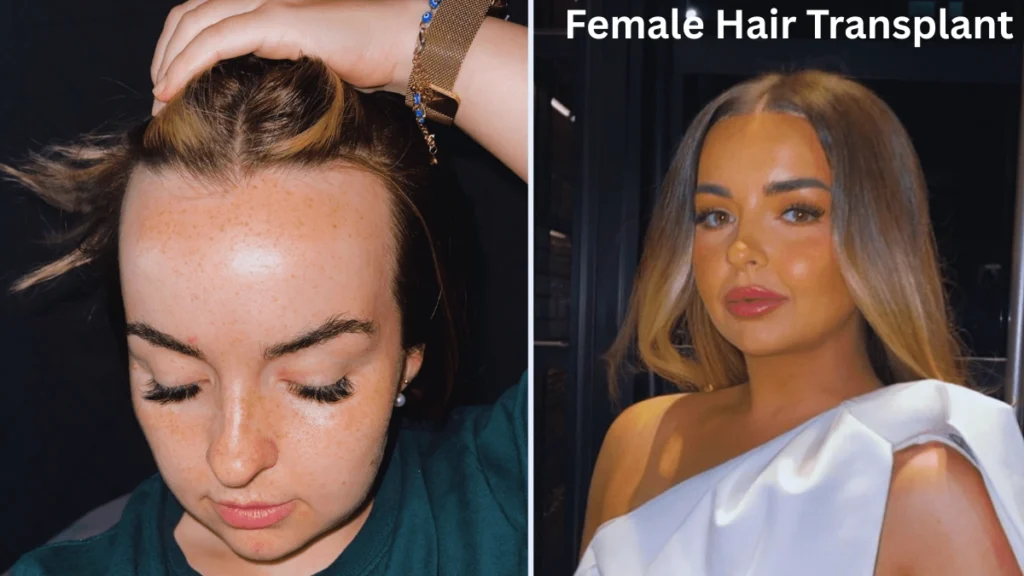
Hair Transplant Before and After – Women
Documenting results is crucial to show transformation and success.
Before: Thinning hair, receding hairline, or bald patches affecting confidence.
After: Natural hair density, improved hairline, and restored volume.
Typical timelines:
1–3 months: Early hair growth starts
6 months: Noticeable improvement in density
9–12 months: Full natural results
At Dr. Hanan Clinic, we provide real patient transformations with before-and-after images, showcasing successful results and natural outcomes.
Benefits of Hair Transplant for Women
Female hair transplants offer multiple advantages:
Restores natural hair density and hairline
Improves self-confidence and appearance
Offers a permanent solution for thinning hair
Minimally invasive with quick recovery and minimal scarring
Risks and Considerations
While hair transplants are safe, patients should be aware of:
Minor side effects like swelling, redness, or temporary shedding
Importance of choosing an experienced dermatologist and certified clinic
Managing realistic expectations for density and hairline design
Dr. Hanan Clinic follows strict safety protocols and uses advanced techniques to minimize risks.
Cost of Hair Transplant for Women
The cost depends on multiple factors:
Number of grafts required
Type of procedure (FUE, DHI, Sapphire FUE)
Clinic reputation and location
Surgeon experience
Additional treatments like PRP therapy
Approximate cost range in Chennai:
1000 grafts: ₹40,000 – ₹80,000
2000 grafts: ₹80,000 – ₹1,60,000
3000 grafts: ₹1,20,000 – ₹2,40,000
At Dr. Hanan Dermatology Speciality Clinic, we offer transparent pricing and customized packages for female hair transplant patients.
FAQs
Q1. Is hair transplant safe for women?
A: Yes, when performed by certified dermatologists like Dr. Hanan, hair transplant is safe and effective for female patients.
Q2. How many grafts are needed for women?
A: Most women require 2000–4000 grafts depending on hair loss pattern and desired density.
Q3. How soon will I see results?
A: Initial growth is visible after 3–6 months, with full results in 9–12 months.
Q4. Is the procedure painful?
A: Procedures are performed under local anesthesia, ensuring minimal discomfort.
Q5. Can hair transplant results last a lifetime?
A: Yes, transplanted hair is permanent, though natural hair loss may continue in untreated areas.
Book Your Consultation Today!
For Personalised Treatment visit Dr. Hanan Clinic. Feel confident and proud with our expert care.
Table of Contents
Women Hair Transplant Cost in Chennai 2026
Women Hair Transplant Cost in Chennai 2026
Women Hair Transplant Cost in Chennai and Discover how Growth Factor Concentrate boosts natural hair growth and restores thinning hair. Safe, effective, and expert-approved.

Women Hair Transplant Cost in Chennai: Hair thinning in women is more common than many people realize. Whether it is due to hormonal imbalance, stress, genetics, PCOS, thyroid issues, or post-pregnancy hair fall, it can deeply affect confidence.
If you are researching women hair transplant cost in Chennai, the price typically ranges between ₹40,000 and ₹2,00,000+, depending on the number of grafts and the technique used. Most clinics calculate charges per graft, usually between ₹20 and ₹60+, while advanced non-shaven techniques may cost more.
At Dr. Hanan Dermatology Speciality Clinic, women receive customized hair restoration plans based on detailed scalp diagnosis, ensuring natural and long-lasting results.
What Is a Women’s Hair Transplant?
A women’s hair transplant is a procedure where healthy hair follicles are extracted from the donor area (usually the back of the scalp) and implanted into thinning or bald areas.
Unlike men, women often experience:
Diffuse thinning
Widening of hair parting
Hairline recession
Traction alopecia
Because female hair loss patterns are different, the approach must be highly precise and aesthetic-focused.
Common techniques used:
FUE (Follicular Unit Extraction)
DHI (Direct Hair Implantation)
Non-Shaven / Long Hair Transplant
BIO-enhanced transplant (PRP-assisted)
Women Hair Transplant Cost in Chennai
Cost Per Graft in Chennai
| Technique | Approx Cost Per Graft |
|---|---|
| FUE | ₹50 – ₹60 |
| DHI | ₹60 – ₹80 |
| Non-Shaven Technique | ₹80 – ₹100+ |
Final pricing depends on scalp condition, density goals, and surgeon expertise.
Estimated Cost Based on Graft Requirement
| Graft Count | Approximate Cost |
|---|---|
| 1000–1500 Grafts | ₹40,000 – ₹60,000 |
| 1500–2000 Grafts | ₹55,000 – ₹90,000 |
| 2000–2500 Grafts | ₹73,000 – ₹1,20,000 |
| 3000+ Grafts | ₹90,000 – ₹1,50,000+ |
Most women require 1000 to 3000 grafts, depending on hair density and coverage area.
What Factors Affect Women Hair Transplant Cost?
Number of Grafts Required
The more grafts needed, the higher the cost. A detailed scalp mapping determines the exact requirement.
Technique Chosen
FUE is cost-effective and widely preferred.
DHI provides precision and higher density.
Non-shaven techniques are more expensive because they require advanced skill and longer surgical time.
Surgeon’s Expertise
Experienced dermatologists deliver more natural results and better graft survival rates.
At Dr. Hanan Clinic, procedures are performed under the supervision of Dr. Hanan Basith, MD (DVL), FFAM.
She completed her medical education at Madras Medical College and holds a fellowship from the International Academy of Facial Cosmetic Surgery.
She is also a life member of:
Indian Association of Dermatologists, Venereologists & Leprologists
Association of Hair Restoration Surgeons of India
These credentials ensure safety, expertise, and ethical medical practice.
Clinic Infrastructure
Advanced OT setup, sterile environment, and modern implantation tools influence pricing.
Additional Treatments
PRP sessions
Medications
Post-operative care
Follow-up consultations
Always confirm whether GST and medicines are included in the quoted price.
Who Is the Right Candidate for Hair Transplant?
Women who may benefit include:
Those with stable hair thinning
Traction alopecia (tight hairstyles)
Hairline recession
Scar correction cases
Failed medical treatments
Women with temporary hair fall due to anemia, stress, or postpartum changes may first require medical management instead of surgery.
A proper dermatological evaluation is essential before deciding.
What Is Included in the Hair Transplant Package?
Typically, packages include:
Initial consultation
Graft extraction
Implantation procedure
Basic follow-up
Usually Not Included:
GST
Medications
Extra PRP sessions
Specialized post-care kits
Transparent pricing is important when choosing a clinic.
Recovery & Results Timeline
Mild swelling: 3–5 days
Shedding phase: 2–4 weeks
Visible new growth: 3–4 months
Full results: 8–12 months
Non-shaven techniques allow women to return to work faster with minimal visible signs of surgery.
Why Choose Dr. Hanan Dermatology Speciality Clinic?
Specialized in women’s hair restoration
Advanced FUE & DHI techniques
Non-shaven transplant options
Ethical consultation approach
Located at Padur, OMR, Chennai
High patient satisfaction
The clinic focuses on restoring not just hair, but confidence.
Dr. R. Amin Hanan is the best Dermatologist, Cosmetologist & Hair Transplant Surgeon practicing in Chennai with over a decade of experience. She is also a fellowship holder (FFAM) in AESTHETIC MEDICINE, HAIR TRANSPLANT, and is the founder of Hanan Dermatology Speciality Clinic.
For more information on Growth Factor Concentrate Therapy in Chennai, visit Hanan Dermatology Speciality Clinic at OMR or contact us at +91 6381048403 or simply fill in your name and number & one of our team members will get in touch with you soon.
Our team of experts along with Dr. R. Amin Hanan MBBS., MD. (DVL), FFAM– Best Dermatologist, Cosmetologist & Hair Transplant Surgeon, will help you understand your problem and guide you through every stage of your treatment.
FAQ’S
1. What is the cost of women hair transplant in Chennai?
Women hair transplant cost in Chennai typically ranges from ₹40,000 to ₹2,00,000+, depending on the number of grafts required, technique used (FUE, DHI, non-shaven), and surgeon expertise.
2. How much does hair transplant cost per graft for women?
The average cost per graft in Chennai is:
FUE: ₹50–₹60
DHI: ₹60–₹80
Non-shaven technique: ₹80–₹100+
Final pricing depends on scalp evaluation and density goals.
3. How many grafts do women usually need?
Most women require 1000 to 3000 grafts. Mild thinning may need 1000–1500 grafts, while advanced thinning may require 2000+ grafts.
4. Is hair transplant permanent for women?
Yes. Transplanted hair follicles are taken from genetically resistant donor areas, making the results typically permanent. However, untreated hormonal issues can affect existing hair.
5. Is non-shaven hair transplant available for women?
Yes. Many women prefer non-shaven hair transplant because it allows them to maintain existing hair length and return to routine activities quickly.
6. Is women hair transplant painful?
The procedure is performed under local anesthesia. Most patients experience minimal discomfort during surgery and mild soreness for a few days after.
7. How long does it take to see results?
Shedding phase: 2–4 weeks
New hair growth: 3–4 months
Full results: 8–12 months
Patience is important, as hair grows gradually.
8. Are there any hidden charges?
Some clinics may exclude GST, medications, PRP sessions, and follow-ups from the base price. Always ask for a detailed cost breakdown before booking.
9. Who performs women hair transplant in Chennai at Dr. Hanan Clinic?
Procedures are conducted under the supervision of Dr. Hanan Basith at Dr. Hanan Dermatology Speciality Clinic, ensuring safety and personalized treatment planning.
10. How do I know if I am a suitable candidate?
You may be a suitable candidate if hair loss is stable, donor hair density is good, and medical causes of ha
Table of Contents
How Much Time for Hair Transplant to Grow
How Much Time for Hair Transplant to Grow
How Much Time for Hair Transplant to Grow tips from Dr. Hanan Clinic, Chennai.
How Much Time for Hair Transplant to Grow: Hair transplant is one of the most effective and permanent solutions for hair loss. But one question every patient asks before the procedure is:
“How long does it take for a hair transplant to fully grow?”
The simple answer: Hair transplant growth takes around 12 to 18 months for full, natural results. However, the journey happens in stages, and understanding this timeline helps you stay confident and patient throughout the process.
What Happens After a Hair Transplant?
After a hair transplant procedure, your scalp goes through three main phases:
- Healing phase – the scalp recovers from the procedure
- Shedding phase (shock loss) – transplanted hair falls out temporarily
- Regrowth phase – new, permanent hair begins to grow
This cycle is completely natural and part of the success of the treatment.
Hair Transplant Growth Timeline (Month-by-Month)
0–1 Month: Healing & Shock Loss
- Scalp starts healing after the procedure
- Small scabs and redness may appear
- Transplanted hair begins to fall out (shock loss)
This is normal. Hair roots remain intact under the skin.
2–3 Months: Dormant Phase
- Hair follicles enter a resting stage
- No visible hair growth yet
- Patients may feel concerned due to slow progress
This is the waiting phase where follicles prepare for regrowth.
3–4 Months: Initial Growth Begins
- Fine, soft hair starts growing
- Hair may appear thin and uneven
This is the first visible sign of success.
5–6 Months: Visible Improvement
- Around 50–60% of hair growth is noticeable
- Hair starts becoming thicker
- Overall appearance improves
7–9 Months: Density & Thickness
- Hair becomes darker and stronger
- Bald areas get better coverage
- Styling becomes easier
9–12 Months: Near Final Results
- Hairline becomes well-defined
- Most transplanted hair has grown
- Density improves significantly
12–18 Months: Full Growth
- Final density and thickness achieved
- Crown area may take longer
- Hair behaves like natural hair
Factors That Affect Hair Transplant Growth Time
Age and Genetics
Your natural hair growth cycle plays a major role in results.
Technique Used
Advanced methods like FUE and FUT impact healing and growth speed.
Surgeon Expertise
Choosing an experienced dermatologist ensures better graft survival and natural results.
Post-Operative Care
Following instructions properly improves growth success.
Diet and Lifestyle
Healthy food, vitamins, and hydration support better hair growth.
Why Choose Dr. Hanan Dermatology Speciality Clinic in Chennai
Dr. Hanan Dermatology Speciality Clinic is a trusted name for advanced skin and hair treatments in Chennai.
About Dr. Hanan Basith
- MD (DVL), FFAM
- Graduate of Madras Medical College, Chennai
- Expertise in dermatology, dermoscopy, and aesthetics
- Certified by IADVL, AHRS, and IAFCS
Clinic Highlights
- Advanced FUE and FUT hair transplant techniques
- Personalized treatment plans
- Modern equipment and safe procedures
- High patient satisfaction rate
Location
Padur, OMR, Chennai – 603103
Phone: +91 6381048403
Hair Transplant Results: What to Expect
- Results are gradual, not instant
- Initial shedding is part of the process
- Final outcome looks natural and permanent
- Hair grows like your original hair
Patience is key to achieving the best results.
Aftercare Tips for Faster Hair Growth
- Follow your doctor’s instructions strictly
- Avoid smoking and alcohol during recovery
- Use prescribed shampoos and medications
- Eat protein-rich and vitamin-rich foods
- Attend follow-up consultations
Common Myths About Hair Transplant Growth
- Hair grows immediately after surgery
- Shedding means treatment failure
- Results are instant
- Hair transplant is very painful
These are common myths. Understanding the process helps reduce anxiety.
Who is the Right Candidate for Hair Transplant?
- People with stable hair loss
- Individuals with a healthy donor area
- Men and women with pattern baldness
- Those seeking a permanent solution
Consultation with a dermatologist is essential.
n (narrowing of blood vessels), reducing blood flow to the scalp. This deprives grafts of oxygen and nutrients, lowering their survival rate. Alcohol, on the other hand, dehydrates the body and impairs liver function, limiting nutrient absorption.
Actionable advice:
- Quit smoking at least 2 weeks before and after surgery for best results
- Avoid alcohol for the first 7–10 days post-surgery to minimize complications
- Replace alcohol with healthier alternatives like coconut water, fresh juices, or green tea
FAQs
1. How much time does a hair transplant take to grow fully?
Hair transplant results typically take 12 to 18 months for full growth and natural density.
2. When does new hair start growing after a transplant?
New hair usually starts growing around 3 to 4 months after the procedure.
3. Why does transplanted hair fall out after surgery?
This is called shock loss, a normal phase where transplanted hair sheds before new growth begins.
4. When will I see noticeable results?
You can expect visible improvement by 5 to 6 months, with about 50–60% hair growth.
5. Does hair grow evenly after a transplant?
No, early growth may be uneven. Hair gradually becomes uniform over time.
6. Does the crown area take longer to grow?
Yes, the crown area may take up to 12–18 months to achieve full density.
7. Can I speed up hair growth after a transplant?
You can support faster growth by following post-operative care, eating a healthy diet, and using prescribed medications.
8. Is hair transplant growth permanent?
Yes, transplanted hair is generally permanent and grows naturally like your existing hair.
9. When can I cut or style my transplanted hair?
You can usually start trimming or styling your hair after 5–6 months, once it becomes stronger.
10. Is hair transplant painful and does it affect growth?
The procedure is done under anesthesia, so pain is minimal, and it does not affect hair growth when done correctly.
Book Your Consultation Today!
For Personalised Treatment visit Dr. Hanan Clinic. Feel confident and proud with our expert care.
Table of Contents
Hair Transplant Procedure Time: How Long Does It Take in Chennai?
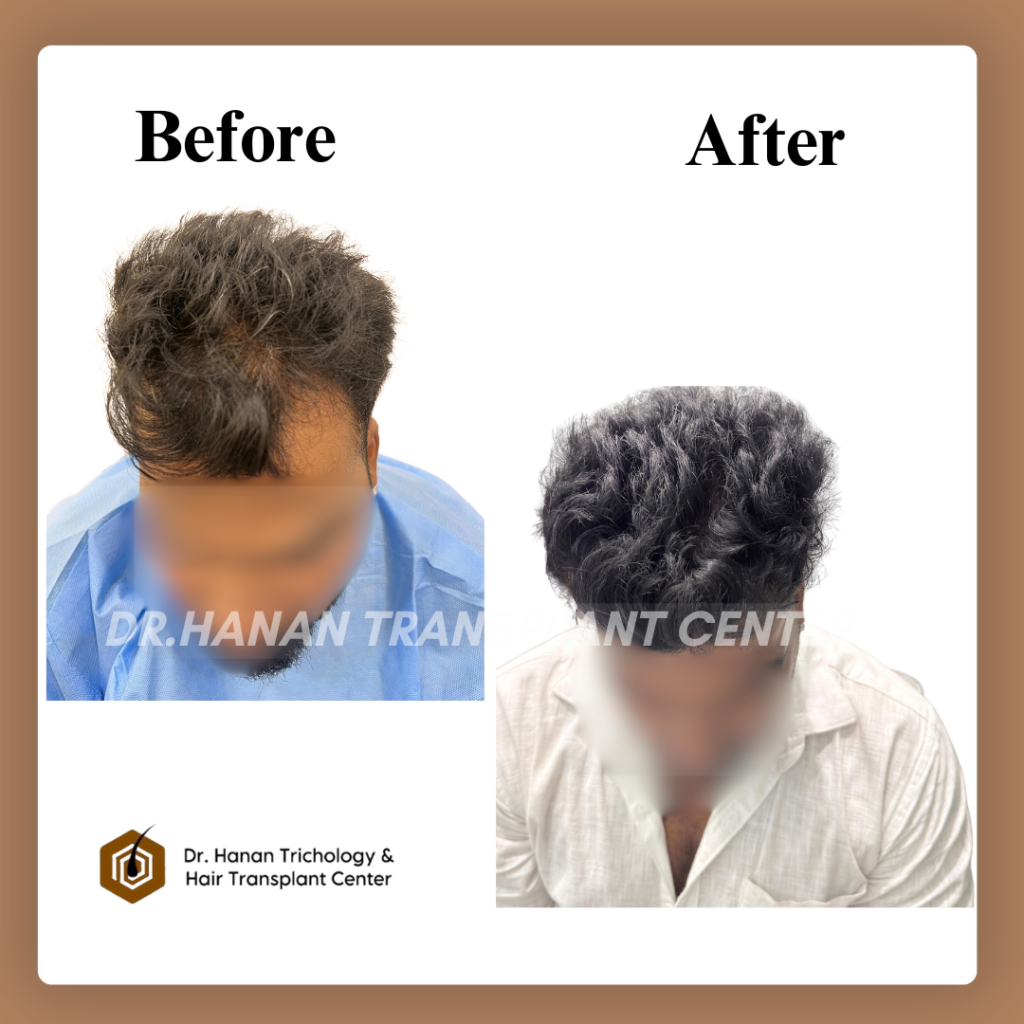
Hair Transplant Procedure Time: How Long Does It Take in Chennai?
Thinking about your first Hair Transplant Procedure Time? Learn the complete procedure, recovery tips, and expert insights
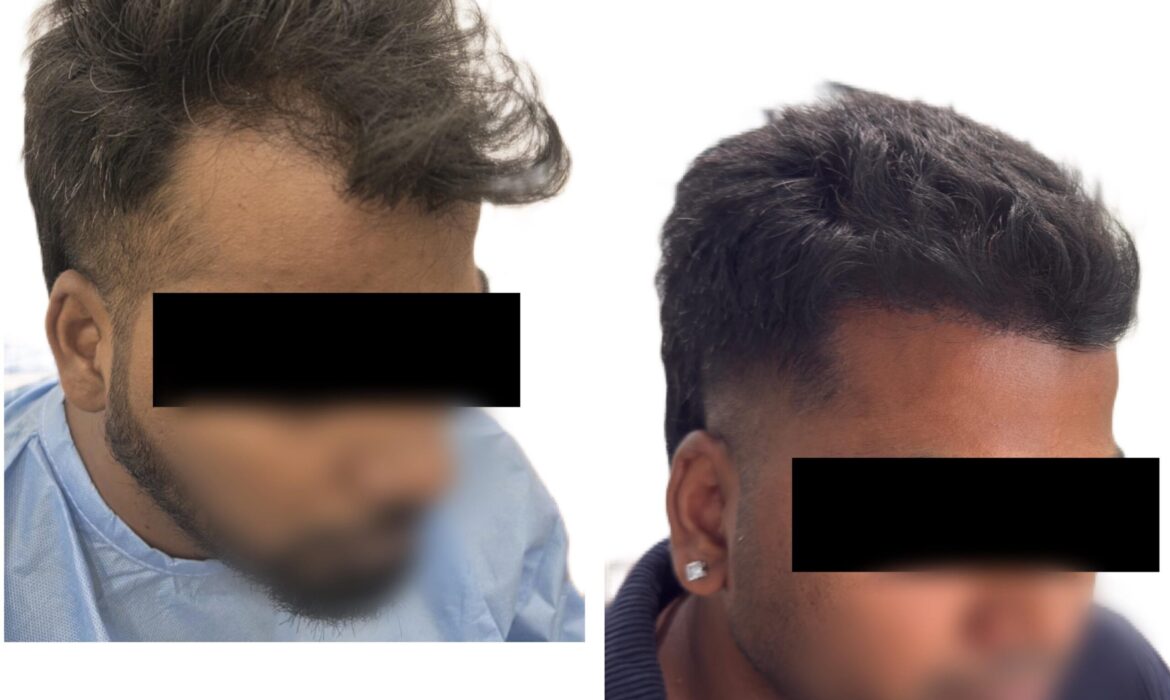
Hair Transplant Procedure Time: Hair loss can affect confidence and self-image, leading many people to consider a permanent solution like a hair transplant. One of the most common questions patients ask is: “How long does a hair transplant procedure take?”
The answer depends on several factors such as the number of grafts, technique used, and individual scalp condition. In this expert guide, we’ll explain everything you need to know about hair transplant procedure time, especially if you’re planning treatment in Chennai.
How Long Does a Hair Transplant Take?
A hair transplant procedure typically takes 4 to 8 hours in a single session.
- Small sessions (1000–1500 grafts): 4–5 hours
- Medium sessions (2000–3000 grafts): 6–8 hours
- Large sessions (3000+ grafts): 8–10 hours or split over 2 days
At leading clinics like Dr. Hanan Dermatology Speciality Clinic, the focus is always on precision, safety, and natural results rather than rushing the process.
Factors That Affect Hair Transplant Procedure Time
Number of Grafts
The number of hair grafts required plays a major role in determining duration. Each graft contains 1–4 hair follicles and must be carefully extracted and implanted.
- 1000–1500 grafts → 4–5 hours
- 2000–3000 grafts → 6–8 hours
- 3000+ grafts → up to 10 hours
Technique Used: FUE vs FUT
FUE (Follicular Unit Extraction)
- Takes 6–9 hours
- Individual follicles are extracted one by one
- Minimally invasive with faster healing
- No visible linear scars
FUT (Follicular Unit Transplantation)
- Takes 4–6 hours
- A strip of scalp is removed and dissected
- Faster procedure but may leave a linear scar
Surgeon Expertise and Team Efficiency
The experience of the dermatologist plays a crucial role. Skilled professionals ensure:
- Faster yet precise graft placement
- Higher graft survival rate
- Natural-looking results
At Dr. Hanan Clinic, procedures are performed by experienced specialists trained in advanced dermatology and aesthetic medicine.
Patient-Specific Factors
Every patient is different. Factors like hair density, donor area strength, and scalp flexibility can influence the overall procedure time.
Step-by-Step Hair Transplant Procedure Timeline
Understanding the timeline helps reduce anxiety before surgery:
- Consultation: 30–60 minutes
- Preparation and anesthesia: 30–45 minutes
- Extraction phase: 2–4 hours
- Graft preparation: done simultaneously
- Implantation phase: 2–4 hours
- Breaks are provided for comfort
Patients remain awake throughout the procedure under local anesthesia.
Is Hair Transplant Painful?
Hair transplant procedures are generally not painful.
- Performed under local anesthesia
- Patients may feel slight pressure
- You can relax during the procedure
Recovery Timeline After Hair Transplant
Recovery happens in stages:
- Day 1–3: mild redness and swelling
- Week 1: scabs form
- 10–14 days: healing completed
- 1–3 months: temporary hair shedding
- 6–12 months: full hair growth visible
Hair Transplant Procedure Time in Chennai
If you’re considering treatment in Chennai, you’ll find advanced dermatology clinics offering modern hair restoration procedures.
Dr. Hanan Dermatology Speciality Clinic is known for:
- Advanced FUE hair transplant techniques
- Personalized treatment plans
- Safe and hygienic environment
- High patient satisfaction
Why Choose Dr. Hanan Dermatology Speciality Clinic?
- Experienced dermatologists and trained staff
- Advanced hair transplant technology
- Customized treatment plans
- Proven results with high patient satisfaction
- Complete skin and hair care solutions
TimeLine
Procedure Type Time Required Small Session 4–5 hours Medium Session 6–8 hours Large Session 8–10 hours FUE Method 6–9 hours FUT Method 4–6 hours
FAQs
1. How long does a hair transplant procedure take?
A hair transplant usually takes between 4 to 8 hours in a single session. Larger procedures involving more grafts may take 8–10 hours or be completed over two days.
2. How long does a 3000 graft hair transplant take?
A 3000 graft hair transplant typically takes around 8 to 10 hours, depending on the technique used and the surgeon’s approach.
3. Why does FUE take longer than FUT?
FUE (Follicular Unit Extraction) takes more time because each hair follicle is removed individually, while FUT involves removing a strip of scalp, making it faster.
4. Can a hair transplant be done in one day?
Yes, most hair transplant procedures are completed in one day. Large sessions may be split into two days for better results.
5. Is a hair transplant a painful procedure?
No, hair transplants are performed under local anesthesia, making the procedure painless. Patients may feel mild pressure.
6. How many hours can a patient sit during a hair transplant?
Patients can comfortably sit for 6–8 hours, with short breaks provided during the procedure.
7. How long does it take to recover after a hair transplant?
Initial recovery takes about 10–14 days, while full hair growth results appear within 6 to 12 months.
8. When can I return to work after a hair transplant?
Most patients can return to work within 3 to 5 days depending on recovery.
9. Does the number of grafts affect procedure time?
Yes, more grafts require more time. For example, 1000 grafts may take 4–5 hours, while 3000+ grafts can take up to 10 hours.
10. Is hair transplant safe in Chennai?
Yes, hair transplant is safe when performed by qualified dermatologists in reputed clinics.
Book Your Consultation Today!
For Personalised Treatment visit Dr. Hanan Clinic. Feel confident and proud with our expert care.
Table of Contents

The Role of Diet and Lifestyle in Hair Transplant Success
The Role of Diet and Lifestyle in Hair Transplant Success
Maximize hair transplant success with expert-backed diet and lifestyle tips from Dr. Hanan Clinic, Chennai.
Hair transplant surgery has become one of the most effective solutions for hair loss, especially for those struggling with baldness or thinning hair. But did you know that the long-term success of a hair transplant doesn’t depend only on the surgeon’s skills or the technique used? Your diet and lifestyle choices play a critical role in how well your transplanted hair grows, strengthens, and lasts.
At Dr. Hanan Dermatology Speciality and Trichology Clinic, Chennai, we believe in a holistic approach to hair restoration—combining advanced surgical expertise with proper nutrition and healthy living to maximize results.
Why Diet and Lifestyle Matter After Hair Transplant
A hair transplant involves relocating healthy hair follicles from the donor area (usually the back of the scalp) to thinning or bald spots. Once transplanted, these follicles need a healthy environment, proper blood supply, and essential nutrients to grow strong.
Poor nutrition, lack of rest, stress, smoking, or alcohol consumption can weaken this process, leading to slower recovery and reduced graft survival. On the other hand, following a nutrient-rich diet and balanced lifestyle significantly boosts transplant outcomes.
Essential Nutrients for Hair Growth
Protein – The Building Block of Hair
Hair is primarily made of keratin, a protein. Consuming enough protein supports stronger hair shafts and healthy follicle function.
Foods to include: Eggs, fish, chicken, dairy, lentils, beans, nuts, and seeds.
Iron – For Oxygen Supply to Hair Follicles
Iron deficiency is a leading cause of hair loss. Adequate levels ensure that hair follicles receive enough oxygen through red blood cells.
Foods to include: Spinach, red meat (in moderation), pumpkin seeds, lentils, and fortified cereals.
Omega-3 Fatty Acids – For Scalp Health
Omega-3s help reduce inflammation, nourish hair follicles, and improve scalp circulation.
Foods to include: Salmon, walnuts, flaxseeds, chia seeds, and soybeans.
Vitamins – Fuel for Strong Hair Growth
- Vitamin A: Regulates sebum production.
- Vitamin C: Improves collagen production and iron absorption.
- Vitamin D: Supports follicle regeneration.
Vitamin E: Antioxidant that prevents oxidative stress on follicles.
Foods to include: Citrus fruits, sweet potatoes, nuts, leafy greens, mushrooms, and fortified dairy.
Biotin & Zinc – Hair Strength Boosters
Biotin supports keratin production, while zinc aids in tissue repair and follicle recovery.
Foods to include: Eggs, whole grains, sunflower seeds, oysters, and legumes.
Lifestyle Habits That Support Hair Transplant Success
Your hair transplant results depend not only on the surgery itself but also on the way you care for your body afterward. Adopting the right lifestyle habits helps your new hair follicles heal, grow stronger, and last for years.
Sleep and Rest – The Foundation of Recovery
After a transplant, your scalp needs time to heal and adapt. Sleep is when the body naturally repairs tissues, reduces inflammation, and promotes circulation to the scalp. Aim for 7–8 hours of uninterrupted sleep daily.
Tip: For the first week, sleep with your head slightly elevated using an extra pillow. This minimizes swelling and prevents accidental rubbing of grafts on the pillow.
Stress Management – Protect Your Hair Growth Cycle
High stress levels increase cortisol, which disrupts the natural hair growth cycle and can trigger conditions like telogen effluvium (stress-related shedding). Managing stress ensures transplanted follicles remain strong.
Practical ways to manage stress:
- Daily yoga or stretching
- Meditation apps like Headspace or Calm
- Spending time outdoors for Vitamin D and relaxation
- Limiting excessive screen time before bed
Hydration – Fuel for Follicle Health
Water makes up nearly 25% of the weight of a single hair strand. Staying hydrated ensures nutrients and oxygen are delivered efficiently to the hair follicles.
How much water is enough?
- 2–3 liters daily, more if you sweat heavily or live in hot climates like Chennai
- Include hydrating foods such as cucumbers, watermelon, and citrus fruits
Quit Smoking and Limit Alcohol – Non-Negotiables for Hair Growth
Smoking causes vasoconstriction (narrowing of blood vessels), reducing blood flow to the scalp. This deprives grafts of oxygen and nutrients, lowering their survival rate. Alcohol, on the other hand, dehydrates the body and impairs liver function, limiting nutrient absorption.
Actionable advice:
- Quit smoking at least 2 weeks before and after surgery for best results
- Avoid alcohol for the first 7–10 days post-surgery to minimize complications
- Replace alcohol with healthier alternatives like coconut water, fresh juices, or green tea
Scalp Care Post-Transplant – Protecting Your Investment
Your scalp is most vulnerable in the initial healing phase. Improper care can dislodge grafts or cause infections.
Key scalp care steps:
- Wash only as instructed by your dermatologist (usually after 48–72 hours)
- Use mild, dermatologist-recommended shampoos
- Avoid scratching or picking at scabs—these are part of the healing process
- Protect your scalp from direct sunlight for at least 4 weeks; wear a loose cap if going outside
- Avoid hair oils, dyes, or chemical treatments until your doctor approves
How Long Before Diet and Lifestyle Show Results?
Patients usually begin to see new hair growth 3–4 months post-surgery, with visible density by 9–12 months. Consistently following a balanced diet and healthy lifestyle can improve graft survival rates and ensure your transplanted hair looks natural and long-lasting.
Expert Dermatologist Tips for Healthy Winter Skin
- Avoid harsh scrubs and alcohol-based toners.
- Use a humidifier indoors to maintain moisture.
- Protect hands with gloves when outdoors.
- Schedule regular skin checkups to prevent winter-related flare-ups like eczema.
Final Thoughts
A hair transplant is not just a surgical procedure—it’s a long-term commitment to your scalp and overall health. At Dr. Hanan Dermatology Speciality and Trichology Clinic, Chennai, we guide our patients not only through surgery but also in adopting the right diet and lifestyle habits to ensure their results last a lifetime.
Healthy living means healthy hair—and your transplanted grafts deserve the best care.
Book Your Consultation Today!
For Personalised Treatment visit Dr. Hanan Clinic. Feel confident and proud with our expert care.
Table of Contents
What Happens in Your First Hair Transplant Procedure? Expert Insights
What Happens in Your First Hair Transplant Procedure? Expert Insights
Thinking about your first hair transplant? Learn the complete procedure, recovery tips, and expert insights
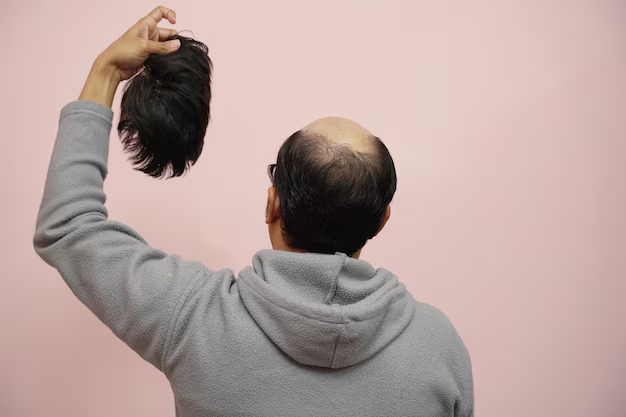
Hair loss is a concern for millions worldwide, and for many, a hair transplant is the most reliable way to restore a fuller head of hair. But if you’re new to this journey, you might be wondering—what happens during the first hair transplant procedure?
At Dr. Hanan Dermatology Speciality and Trichology Clinic in Chennai, we guide our patients through every step of the process, ensuring they understand what to expect before, during, and after their first procedure. This blog will explain the entire process in detail, backed by expert insights and real-world patient experiences.
Understanding Hair Transplant Basics
A hair transplant is a minimally invasive surgical procedure that involves moving healthy hair follicles from a donor area (usually the back or sides of the scalp) to areas affected by hair thinning or baldness.
The goal is to achieve natural-looking, long-lasting results by using your own hair follicles, which continue to grow after being transplanted.
Common hair transplant methods include:
- FUE (Follicular Unit Extraction): Individual hair follicles are extracted and implanted.
- FUT (Follicular Unit Transplantation/Strip Method): A strip of scalp is removed, and hair follicles are dissected for transplantation.
Related Read: Best Hair Transplant Clinic in Chennai
Who is the Right Candidate for a Hair Transplant?
Before the procedure, your dermatologist will assess:
- Age & hair loss stage
- Donor hair availability
- Overall scalp health
- Medical history
You might be an ideal candidate if you have:
- Male or female pattern baldness (androgenetic alopecia)
- Hair loss from injury or burns
- Adequate healthy donor hair
First Consultation: The Foundation of Success
The first step in any hair transplant journey is the initial consultation. At Dr. Hanan Clinic, we:
- Conduct a scalp analysis using trichoscopy
- Evaluate your donor area density
- Discuss your hairline design goals
- Explain expected results & timelines
- Provide a personalized treatment plan
This stage is crucial because it sets realistic expectations and ensures you’re medically fit for the surgery.
Pre-Procedure Preparation
Before your first hair transplant, your dermatologist may recommend:
- Stopping blood-thinning medications (with your doctor’s approval)
- Avoiding alcohol and smoking for at least a week before surgery
- Washing your hair with a mild shampoo on the morning of the procedure
- Wearing loose, comfortable clothing on the day of surgery
Related Read: Hair Transplant Pain: What Should You Expect?
Step-by-Step: Your First Hair Transplant Procedure
Marking and Hairline Design
Before the surgery begins, your surgeon will take high-resolution photos of your scalp to document the baseline and plan the new hairline. The hairline design process is not just about aesthetics—it’s about creating a natural look that will still suit your face as you age. The doctor will factor in:
- Your facial proportions
- The natural direction of your hair growth
- The density achievable in one session
- Long-term hair loss patterns
At Dr. Hanan Clinic, we use a customized hairline template based on international standards, ensuring your results are undetectable to the naked eye. This careful planning is why your first hair transplant is so important—it sets the foundation for all future treatments.
Local Anesthesia
Contrary to popular belief, a hair transplant is not painful because we use advanced local anesthesia techniques. The injections are administered using very fine needles, and in some cases, a numbing cream is applied beforehand for added comfort.
The anesthesia ensures that both the donor and recipient sites remain completely numb during the entire surgery. You may feel some pressure or vibration from the surgical tools, but no sharp pain.
Donor Hair Extraction
The donor area—typically the back of the head—is chosen because it has DHT-resistant hair follicles, meaning they are genetically programmed not to fall out.
- FUE Extraction: Each follicle is carefully removed using a micromotor punch tool (0.7–1 mm in diameter) to minimize scarring.
- FUT Extraction: A narrow strip of scalp is taken, and the wound is sutured using advanced closure techniques for minimal scarring.
At our clinic, we use magnification loupes during extraction to ensure each graft is removed intact and healthy, increasing the survival rate and ensuring optimal results for first-time patients.
Graft Preparation
Once the follicles are extracted, they are placed in a cooling solution enriched with growth-preserving agents to maintain vitality. Trained technicians carefully trim and clean each follicular unit under high-powered microscopes.
Proper handling at this stage is crucial—poor graft preparation is one of the leading causes of failed transplants. That’s why at Dr. Hanan Clinic, we follow strict sterile protocols and maintain grafts at optimal temperatures to ensure the highest survival rate possible.
Recipient Site Creation
Creating the recipient sites (tiny incisions where the grafts will be placed) is a highly skilled process that determines how natural your transplant will look.
The surgeon will match the angle, direction, and density of your existing hair to ensure seamless blending. The number of recipient sites created is based on:
- Hairline density goals
- Available donor grafts
- Scalp elasticity
At our clinic, we use custom blades and slit-making tools to create incisions that are just the right size for the grafts—preventing trauma to the surrounding scalp and ensuring quick healing.
Implantation
The final step is placing each follicular unit into the prepared recipient sites. This is done using forceps or implanter pens to ensure precision placement without damaging the follicles.
We prioritize dense packing in the front hairline for an immediate visual impact while maintaining natural density in other areas for a balanced look.
Each graft is positioned to mimic natural hair growth patterns, meaning no one should be able to tell you’ve had a transplant—even up close.
Related Read: Hair Transplant Aftercare Tips: Ensuring Long-Term Results
How Long Does the First Procedure Take?
The duration depends on:
- Number of grafts (usually 2,000–4,000 for first timers)
- Technique used (FUE may take longer than FUT)
On average, a first hair transplant takes 4–8 hours and is done in a single day.
Recovery Timeline for First-Time Patients
- Day 1–2: Mild swelling or redness in the recipient area
- Day 3–5: Formation of small scabs
- Day 7–10: Scabs start falling off naturally
- 1–3 Months: Shedding of transplanted hair (normal phase)
- 4–6 Months: Visible regrowth starts
- 9–12 Months: Final results become apparent
📌 Related Read: Hair Transplant Aftercare Tips: Ensuring Long-Term Results
Possible Side Effects and How to Avoid Them
While generally safe, your first hair transplant may cause:
- Temporary swelling
- Itching or tightness in the scalp
- Shock loss (temporary shedding of existing hair)
To minimize risks:
- Follow post-op instructions
- Avoid scratching or rubbing the scalp
- Sleep with your head elevated for the first few nights
Cost of First Hair Transplant in Chennai
The price depends on:
- Number of grafts
- Technique (FUE vs FUT)
- Surgeon’s expertise
- Clinic’s facilities
On average, hair transplants in Chennai cost ₹60,000 to ₹1,50,000 for a first procedure.
Long-Term Maintenance After the First Procedure
A single session may not be enough if your hair loss is progressive. Maintenance treatments may include:
- PRP therapy every 3–6 months
- Minoxidil or finasteride
- Balanced nutrition and stress management
📌 Related Read: PRP Treatment for Hair Loss in Chennai
Final Thoughts
Your first hair transplant procedure can be life-changing—restoring not just your hair but also your self-confidence. At Dr. Hanan Dermatology Speciality and Trichology Clinic, we combine medical expertise, advanced technology, and personalized care to ensure your first experience is safe, comfortable, and delivers natural results.
If you’re considering your first hair transplant, schedule a consultation with our dermatology experts today and take the first step toward a fuller, healthier head of hair.
Book Your Consultation Today!
For Personalised Treatment visit Dr. Hanan Clinic. Feel confident and proud with our expert care.