Hair Transplant Before and After: A Guide to Natural Results
Hair loss can be a distressing experience for many, affecting self-confidence and appearance. Fortunately, hair transplants offer a proven solution to restore your hair and confidence. This article provides a comprehensive look at what to expect before and after a hair transplant, helping you understand the process and results.
Book Your Consultation Today
Visit Dr. Hanan Dermatology Specialty Clinic in Padur, OMR, Chennai. Schedule your consultation today and start your journey to fuller, healthier hair.
For more information and to book your appointment, visit our clinic or call us at the clinic’s contact details.

What is a Hair Transplant?
A hair transplant is a surgical procedure where hair follicles are relocated from a donor area (usually the back or sides of the scalp) to areas experiencing thinning or baldness. Popular techniques include:
- FUE (Follicular Unit Extraction): Individual follicles are extracted and implanted.
- FUT (Follicular Unit Transplantation): A strip of hair is removed, and follicles are transplanted.
Both methods aim to create natural-looking, permanent results.
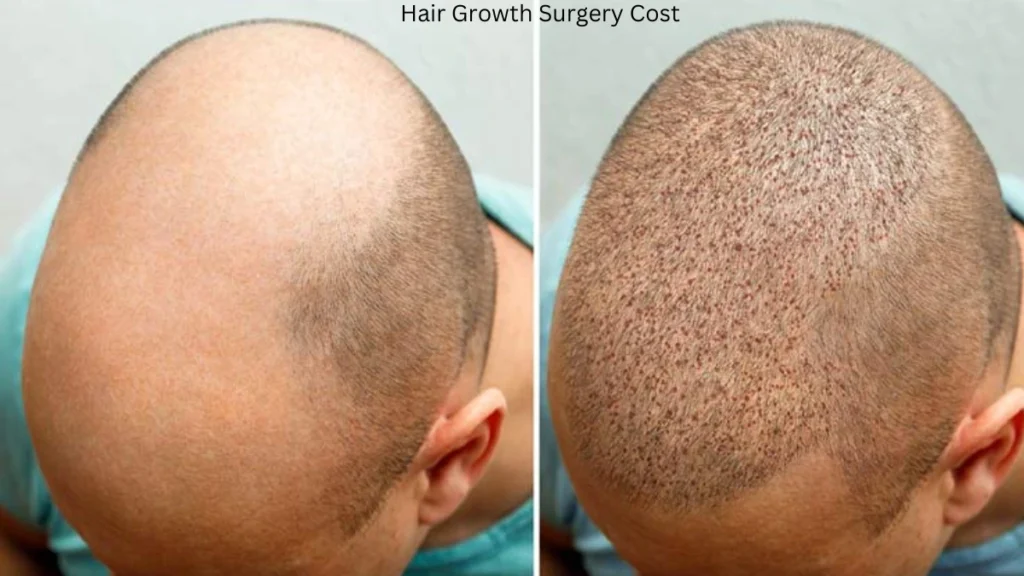
Read more: Hair Growth Surgery Cost: A Complete Guide
The Journey of Hair Transplantation
1. Pre-Procedure Stage
Before undergoing a hair transplant, patients will have:
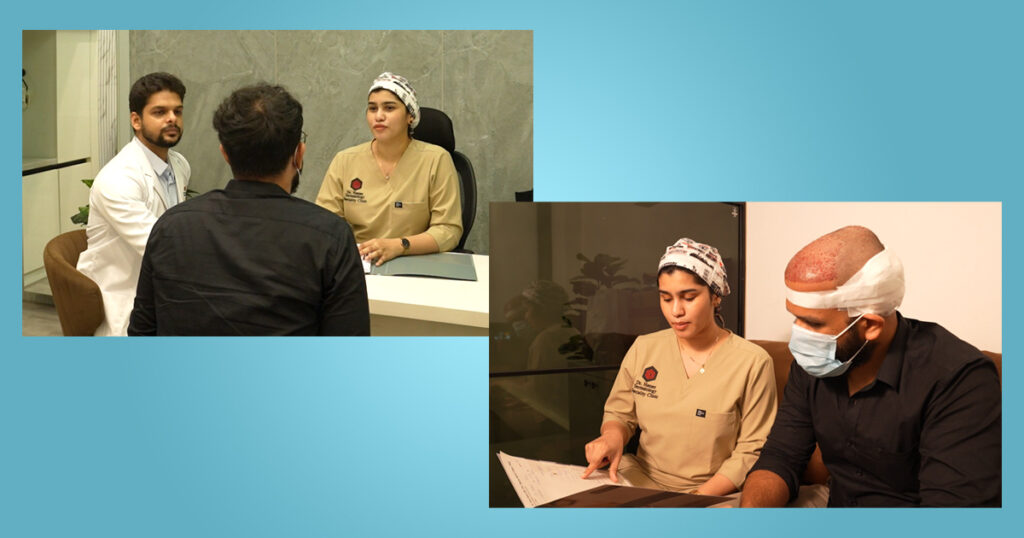
- Consultation: A thorough scalp assessment by the surgeon to determine suitability.
- Planning: Setting realistic expectations and mapping the treatment area.
- Preparation: Guidelines for pre-procedure care, such as avoiding alcohol and certain medications.
2. The Procedure
The surgery typically involves:
- Donor Area Preparation: Hair follicles are extracted using FUE or FUT.
- Implantation: Follicles are carefully placed in the balding areas.
- Duration: The process can take 4–8 hours, depending on the size of the treatment area.
3. Post-Procedure Stage
Recovery involves:
- Immediate Aftercare: Instructions on cleaning and protecting the scalp.
- Shedding Phase: Transplanted hair may shed initially, making way for new growth.
- Growth Phase: New hair growth begins around 3 months, with full results visible after 12 months.
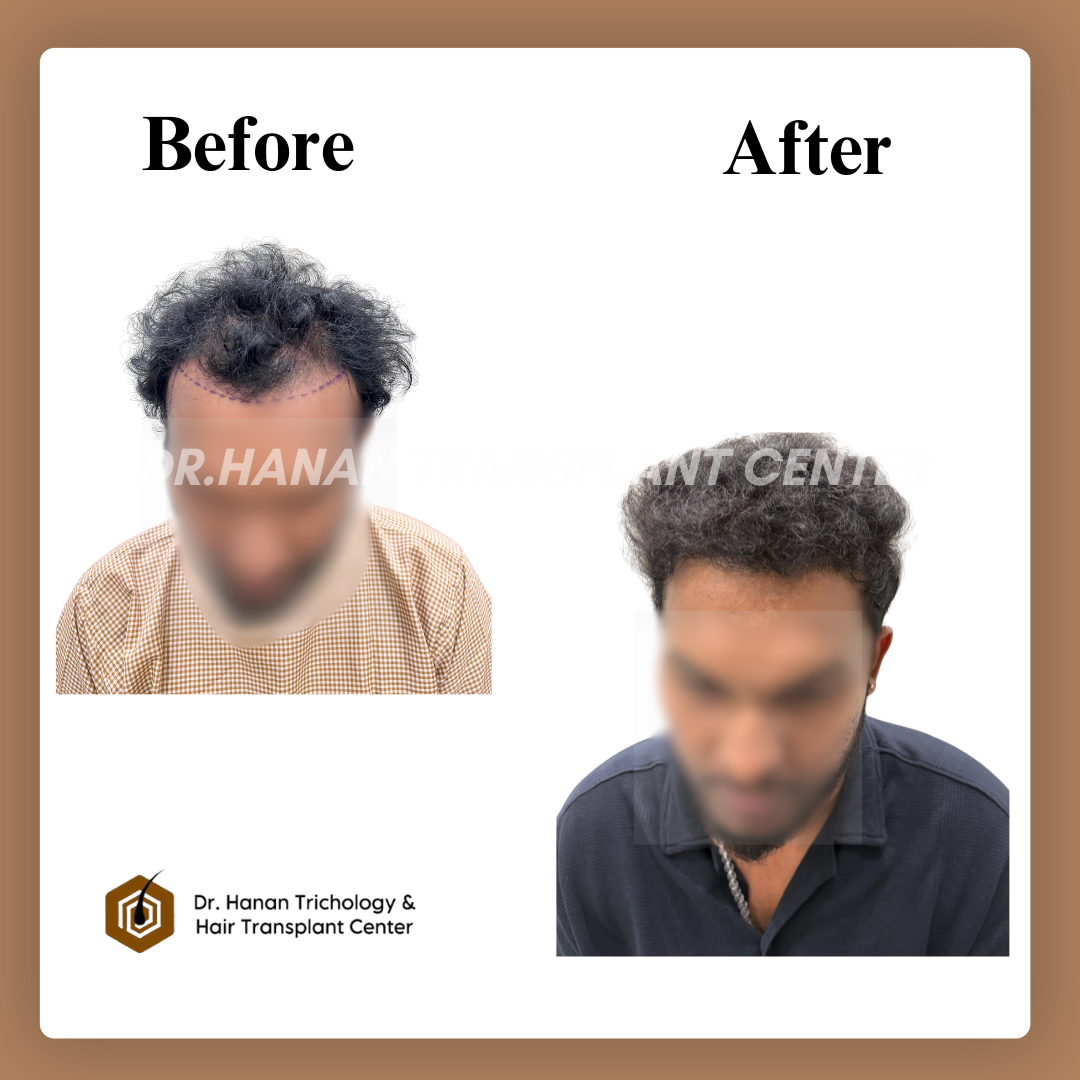
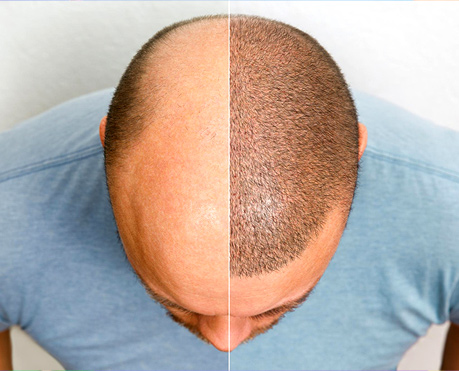
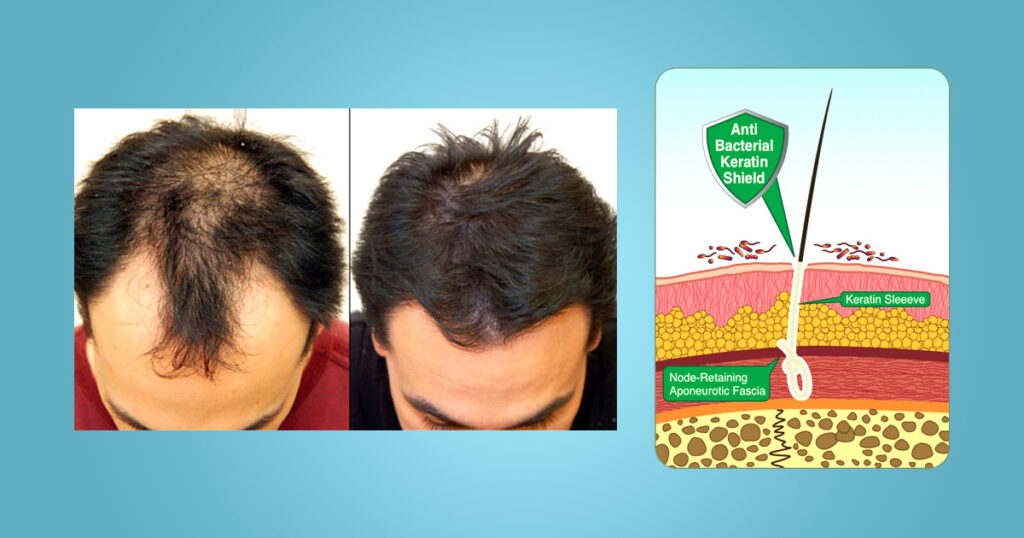
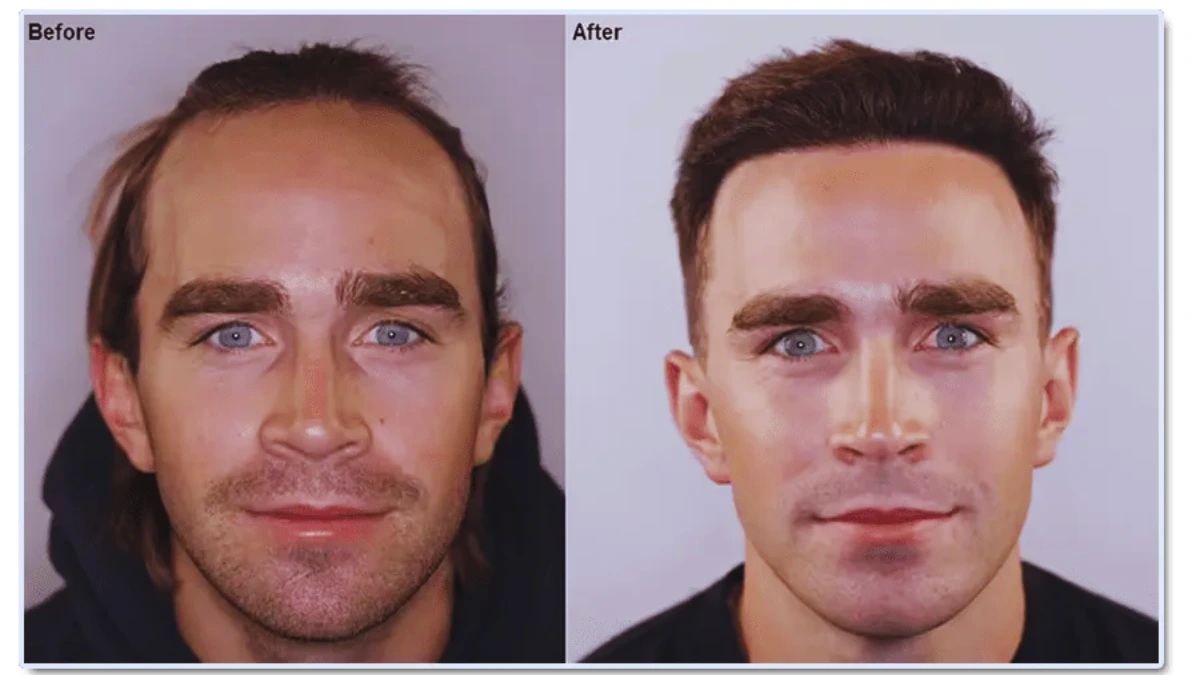
Before and After: What to Expect
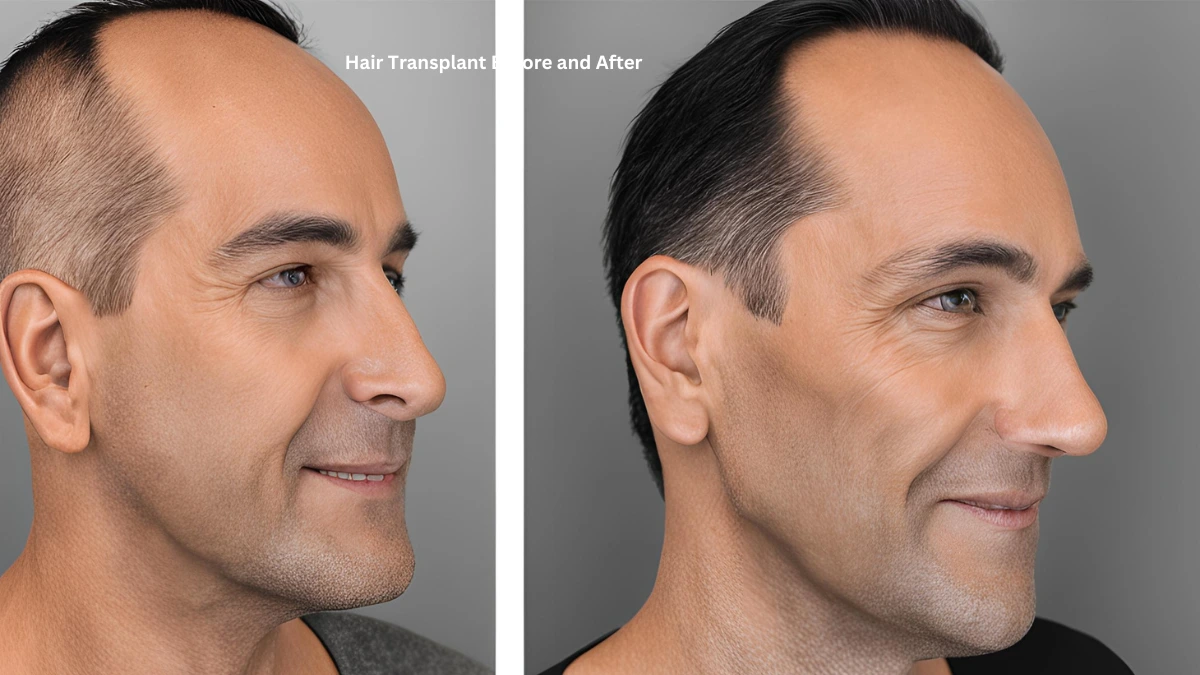
A hair transplant transforms your appearance over time. Here’s what you can expect at different stages:
- First Week: Mild swelling and redness in the treatment area.
- 1–3 Months: Hair shedding phase; new growth starts beneath the surface.
- 3–6 Months: Visible signs of growth begin.
- 12 Months: Full results with a thicker, natural-looking hairline.
Real-Life Transformation Stories
At reputable clinics like Dr. Hanan Dermatology Speciality Clinic, patients have experienced incredible transformations.
- Case Study 1: A 35-year-old male saw a dramatic improvement in hair density within 12 months of FUE treatment.
- Case Study 2: A 40-year-old female regained confidence after FUT restored her thinning hairline.
Factors Influencing Results
Several factors determine the success of a hair transplant:
- Donor Hair Quality: Strong, healthy follicles yield better results.
- Surgeon Expertise: An experienced surgeon ensures precise placement and natural outcomes.
- Post-Procedure Care: Following aftercare instructions enhances recovery and growth.
Common Questions About Hair Transplant Results
Q: Will the transplanted hair look natural?
Yes, when performed by skilled surgeons, the transplanted hair blends seamlessly with existing hair.
Q: How long will the results last?
Hair transplants provide permanent results as the transplanted follicles are resistant to hair loss.
Q: Can everyone achieve the same results?
Results vary based on individual factors like hair type, scalp condition, and the extent of hair loss.
Tips to Maximize Results
- Follow Aftercare Guidelines: Protect the scalp and avoid harsh chemicals during recovery.
- Maintain a Healthy Lifestyle: Proper nutrition and stress management promote hair health.
- Avoid Smoking and Alcohol: These can impede healing and hair growth.
Read more: Best Hair Transplant Clinic Near Me: A Complete Guide to Choosing the Right Clinic
Choosing the Right Clinic for Best Results
Selecting a trusted clinic is vital for achieving desired results. Look for:
- Experienced Surgeons: Check qualifications and expertise.
- Proven Track Record: Request before-and-after portfolios or testimonials.
- Comprehensive Care: Opt for clinics offering personalized consultations and follow-ups.
Dr. Hanan Dermatology Speciality Clinic in Chennai is a leading choice for hair transplants, providing advanced techniques and exceptional care.
Conclusion
A hair transplant is a transformative procedure that restores both hair and confidence. Understanding the journey before and after the transplant ensures realistic expectations and satisfying results.
Best and Affordable Hair Transplant in Chennai: Top Solutions for Hair Restoration
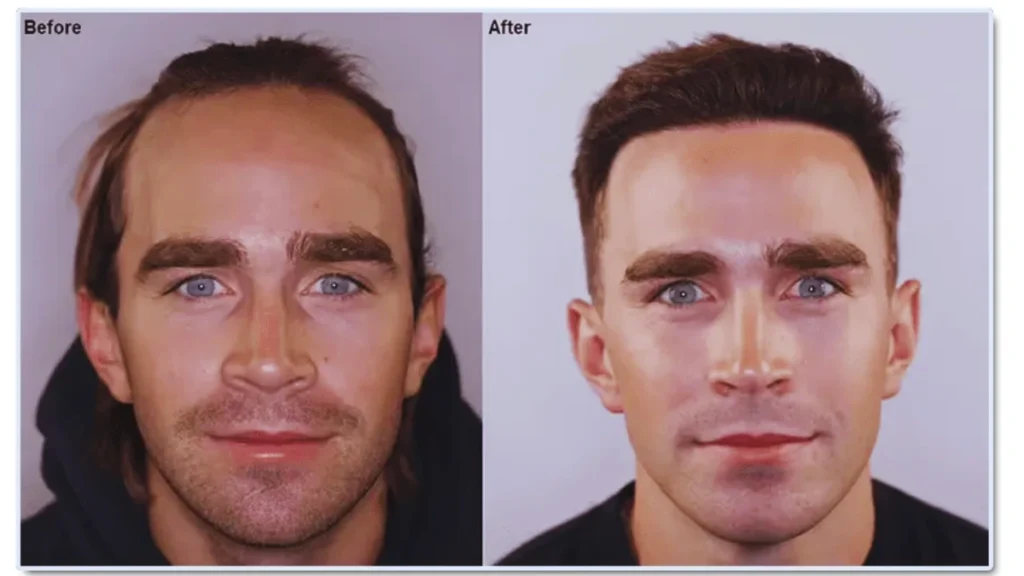
Best and Cheap Hair Transplant in Chennai: Hair loss is a common concern that many people face as they age, leading them to search for effective solutions. For those considering a hair transplant, Chennai offers a range of affordable and high-quality options. The city is known for its medical expertise and skilled surgeons, making it an attractive destination for individuals looking to restore their hair without breaking the bank. In this article, we’ll explore the best and cheapest hair transplant options in Chennai, helping you make an informed decision about your hair restoration journey.
Best and Cheap Hair Transplant in Chennai Book Your Consultation Today
Visit Dr. Hanan Dermatology Specialty Clinic in Padur, OMR, Chennai. Schedule your consultation today and start your journey to fuller, healthier hair.
For more information and to book your appointment, visit our clinic or call us at the clinic’s contact details.

Why Choose Chennai for Hair Transplants?
Chennai is known for its medical tourism, especially in the field of dermatology and hair restoration. The city combines advanced technology, experienced surgeons, and affordable pricing, making it an attractive option for those seeking quality hair transplant services. The availability of skilled professionals and modern techniques ensures that patients receive top-notch care at competitive prices.
Moreover, Chennai has a large number of internationally recognized clinics that offer a variety of hair restoration services, ensuring that people from both domestic and international locations can access affordable and quality treatment. Whether you’re looking for FUE, FUT, or DHI techniques, Chennai’s medical facilities can cater to your needs.
Popular Hair Transplant Techniques
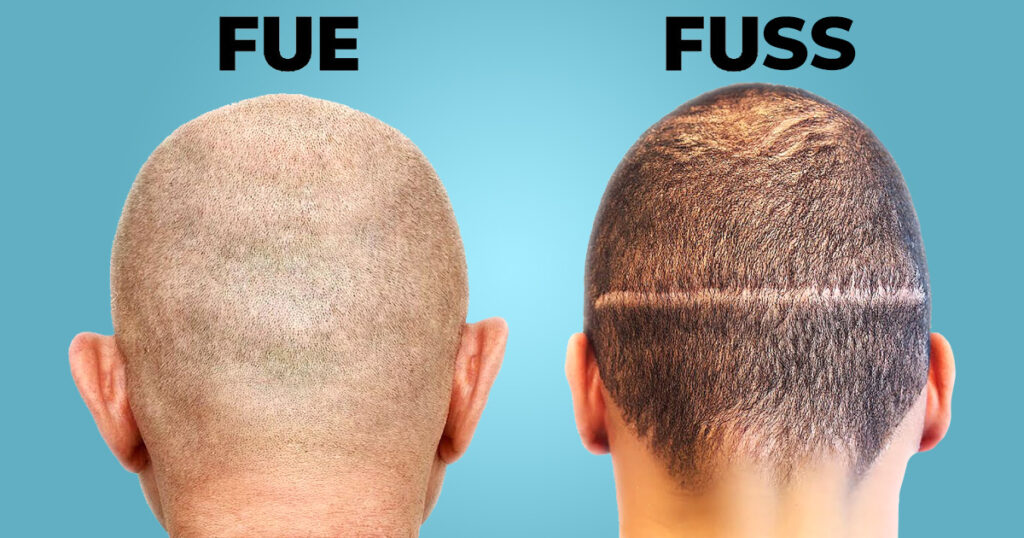
There are several techniques available for hair transplantation, each with its unique benefits and cost structure:
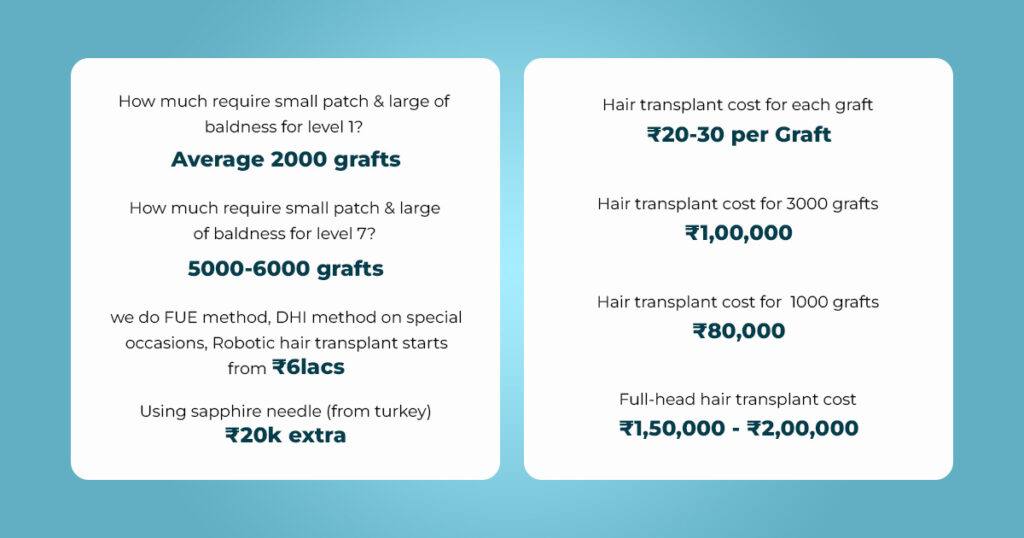
- FUE (Follicular Unit Extraction): FUE is one of the most commonly used methods for hair restoration. It involves extracting individual hair follicles from a donor area and transplanting them into the recipient area. The procedure is minimally invasive and results in less scarring compared to other methods. The cost of FUE in Chennai typically starts around ₹60,000 for 1,000 grafts.
- FUT (Follicular Unit Transplantation): FUT involves removing a strip of skin from the donor area, which is then divided into individual follicular units and transplanted into the bald or thinning areas. This method is often more affordable than FUE and can be effective for those requiring larger areas to be covered. FUT hair transplants in Chennai generally start from ₹45,000 to ₹70,000.
- DHI (Direct Hair Implantation): DHI is an advanced hair restoration technique that involves the direct implantation of hair follicles into the scalp with the help of a specialized pen-like device. DHI typically results in more natural-looking hairlines and faster recovery. The price of DHI treatments in Chennai begins at approximately ₹80,000 for 1,000 grafts.
Read more: how much hair transplant cost in india
Top Affordable Hair Transplant Clinics in Chennai
| Clinic/Service | Specialization | Offer |
|---|---|---|
| Dr. Hanan Amin | Dermatology & Hair Transplant | 50% Off on Permanent Hair Transplant |
| Vcare Trichology | Hair Transplant & Regrowth Solutions | Voluminous and Natural Hair Growth – Book Now |
| DHI India | Trusted Hair Restoration Clinic | 50% Off on Consultation Fees |
| Adgro Hair Chennai | Professional Hair Care & Transplantation | Affordable Hair Transplant |
| R3 Studioz | Expert Hair Fixing & Restoration | No Surgery Needed – Natural Results |
| Unique Hair Gro Clinic | Hair Transplant & Restoration | Affordable & Smooth Process |
| Tamira Plastic Surgery | Hair Transplant, Liposuction, Gynecomastia | Hair Transplant Services |
| Ultra Bio Hair Transplant Clinic | Hair Transplant & PRP Treatments | Best Hair Plant Clinic at Nominal Price |
| Pristyn Care | Hair Transplant Surgery & Consultations | Free Initial Consultation |
| Medispa India | Hair Transplant (FUT+FUE Method) | Advanced Hair Transplant Techniques at A |
Cost Breakdown of Hair Transplants in Chennai
The cost of hair transplants in Chennai can vary depending on several factors:
- Number of Grafts: The more grafts required, the higher the cost. On average, for around 1,000 grafts, the price can range from ₹45,000 to ₹80,000, depending on the clinic and procedure type.
- Procedure Type: FUE and DHI tend to be more expensive than FUT due to the advanced technology and precision involved in these methods.
- Clinic Reputation: Established clinics with experienced surgeons may charge slightly more but often provide better results and a more comfortable experience for the patient.
While hair transplants are an investment in your appearance and confidence, it’s important to research and find a clinic that offers a balance of affordability and quality.
Read more: Hair Growth Surgery Cost
How to Choose the Best Clinic for Affordable Hair Transplants in Chennai
When selecting a clinic for your hair transplant, there are a few factors to consider:
- Consultation and Reviews: A reputable clinic should offer a free consultation. During the consultation, ask about the procedure, costs, and expected results. Reviews from previous patients can give you an idea of the clinic’s reputation and the quality of services offered.
- Experience of Surgeons: Ensure that the clinic has experienced surgeons who specialize in hair transplants. Look for certifications and testimonials that speak to their skills and success rates.
- Before and After Photos: Ask to see before-and-after photos of previous patients. These images can give you a clear idea of the clinic’s success rate and the potential results you can expect.
- Aftercare Services: A good clinic will offer aftercare support, including follow-up visits and PRP therapy, to ensure the success of the transplant.
Financing Options for Hair Transplants
Many clinics in Chennai offer financing options to make hair transplants more accessible. Some clinics provide easy EMI (Equated Monthly Installment) schemes, allowing patients to pay for their treatment in installments. Additionally, medical loans and third-party financing services are available for those who need financial assistance.
Risks and Considerations
While hair transplants are generally safe, they come with some risks, including infection, scarring, and uneven hair growth. It’s important to choose a reputable clinic with experienced surgeons to minimize these risks. Additionally, remember that results may take a few months to fully develop, and you may need follow-up procedures for the best outcome.
FAQs
1. What is the cost of a hair transplant in Chennai?
The cost of a hair transplant in Chennai can vary depending on the clinic, the type of procedure (FUE, FUT, DHI, etc.), and the number of grafts required. On average, the price can range from ₹40,000 to ₹2,50,000. Some clinics also offer consultations at discounted rates or free initial consultations.
2. How many grafts are needed for a successful hair transplant?
The number of grafts required for a successful hair transplant depends on the extent of hair loss. On average, 1,000 to 3,000 grafts are required for the procedure. However, this can vary from person to person based on the size of the bald area.
3. How long does the hair transplant procedure take?
A hair transplant procedure usually takes between 4 to 8 hours, depending on the number of grafts being implanted. It may require multiple sessions for larger areas of hair loss.
4. What is the difference between FUE and FUT hair transplant methods?
- FUE (Follicular Unit Extraction): This method involves extracting individual hair follicles from the donor area and implanting them in the bald area. It is minimally invasive and leaves no linear scars.
- FUT (Follicular Unit Transplantation): This method involves removing a strip of skin from the donor area and dissecting it into individual follicles for transplantation. It leaves a linear scar but can be more cost-effective for larger hair loss areas.
5. How soon will I see the results after a hair transplant?
Results from a hair transplant are typically visible within 6 to 9 months, with full results appearing after 12 to 18 months. Initially, the transplanted hair may shed before growing back thicker and fuller.
6. Is there any downtime after a hair transplant?
Most patients can return to their normal activities within 1 to 2 days after the procedure. However, it’s advisable to avoid strenuous physical activity for at least a week and follow the post-operative care instructions provided by your surgeon.
7. Are there any side effects or risks associated with hair transplants?
While hair transplants are generally safe, some potential side effects include swelling, infection, scarring, and temporary hair shedding (shock loss). Following the post-operative care instructions reduces these risks significantly.
8. Can I get a hair transplant if I have medical conditions like diabetes or high blood pressure?
Yes, hair transplants can be performed on individuals with medical conditions like diabetes or high blood pressure, provided the conditions are under control. It is essential to consult with your doctor and the hair transplant surgeon to assess the risks before proceeding.
9. How do I choose the best hair transplant clinic in Chennai?
To choose the best clinic, consider factors such as:
- Experience and qualifications of the surgeon
- Reviews and patient testimonials
- The type of technology and methods used (FUE, FUT, DHI)
- Cost and available offers
- Post-surgery support and aftercare
10. Will my transplanted hair fall out after the procedure?
It is normal for transplanted hair to shed within 2 to 4 weeks after the procedure. This is a temporary phase known as “shock loss.” New hair growth will begin within 3 to 4 months, and you will notice thicker and healthier hair over time.
11. Is hair transplant a permanent solution for hair loss?
Yes, hair transplants are considered a permanent solution for hair loss. The transplanted hair is resistant to the hormone DHT, which is responsible for male and female pattern baldness. However, some individuals may need additional procedures in the future as their hair loss continues naturally.
12. Can I finance my hair transplant in Chennai?
Many clinics in Chennai offer financing options or payment plans for hair transplant procedures. It’s best to inquire with the clinic about available payment options and any financing partners they work with.
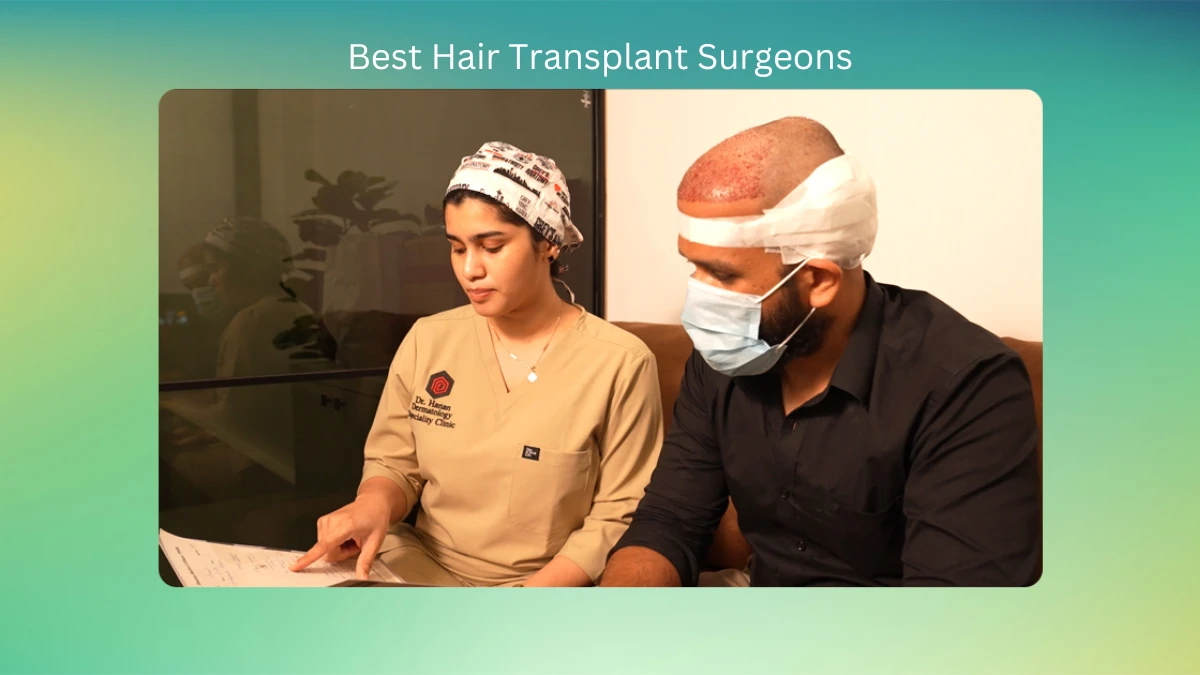
Best Hair Transplant Surgeons: How to Choose the Right Expert for Your Hair Restoration
Hair loss affects millions of individuals worldwide, and for many, hair transplant surgery has become an effective solution for regaining confidence and achieving natural-looking hair. However, choosing the right hair transplant surgeon is essential for ensuring successful results. This guide will explore how to find the best hair transplant surgeon, key factors to consider, and a selection of top surgeons in the field.
Book Your Consultation Today
Visit Dr. Hanan Dermatology Specialty Clinic in Padur, OMR, Chennai. Schedule your consultation today and start your journey to fuller, healthier hair.
For more information and to book your appointment, visit our clinic or call us at the clinic’s contact details.

What is Hair Transplantation?
Hair transplantation is a surgical procedure used to treat hair loss, where hair follicles are moved from areas of the scalp that are dense with hair (usually the back or sides) to areas where hair is thinning or missing. The two main methods of hair transplantation are:
1. FUE (Follicular Unit Extraction)
This method involves removing individual hair follicles and transplanting them into the recipient areas. It’s minimally invasive, leaves no linear scarring, and allows for faster recovery.
2. FUT (Follicular Unit Transplantation)
Also known as the strip method, FUT involves removing a strip of skin from the donor area, which is then dissected into individual follicular units and transplanted. This method may result in a linear scar but is often preferred for larger areas of hair restoration.
Both techniques are highly effective, but your surgeon will recommend the best option based on your hair loss pattern, hair type, and individual needs.
Key Factors to Consider When Choosing the Best Hair Transplant Surgeon
1. Experience and Qualifications
When searching for the best hair transplant surgeon, experience is paramount. Look for a surgeon with extensive experience in hair restoration procedures. Ensure they are board-certified and specialize in dermatology or plastic surgery. Experienced surgeons are familiar with the latest techniques and technologies, ensuring optimal results.
2. Expertise in Different Techniques
The top hair transplant surgeons are well-versed in both FUE and FUT techniques. A skilled surgeon will assess your individual hair loss pattern and suggest the most suitable approach to achieve the best outcome. The ability to choose the right technique based on your unique needs is essential.
3. Before and After Results
Reviewing the surgeon’s before and after photos of previous patients is one of the most effective ways to evaluate their skill. Most reputable surgeons will have galleries of real patient results that demonstrate their ability to restore hair naturally and seamlessly.
4. Consultation and Personalized Care
A top hair transplant surgeon will offer a comprehensive consultation. This should include an in-depth discussion of your hair loss concerns, treatment options, and realistic expectations. Personalized care is crucial in tailoring the treatment to meet your unique needs.
5. Technology and Equipment
The best hair transplant surgeons use the latest state-of-the-art technology and tools. This includes advanced tools for graft extraction, high-quality microscopes for follicle dissection, and robotic systems for more precise and efficient procedures.
6. Reputation and Reviews
Reputation is key when selecting the right surgeon. Be sure to check online patient reviews and testimonials. Positive feedback and word-of-mouth referrals from people who have undergone the procedure at the clinic can give you a sense of the surgeon’s professionalism and skills.
Top Characteristics of the Best Hair Transplant Surgeons
- Compassionate Care: The best surgeons prioritize your well-being and make you feel comfortable throughout the process.
- High Success Rate: Look for surgeons with a proven track record of successful hair restoration surgeries.
- Transparency and Ethical Practices: A great surgeon will be upfront about costs, potential risks, and the recovery process.
- Natural Results: The ideal surgeon ensures that the transplanted hair grows in a natural pattern, with minimal visible scarring.
Top 5 Hair Transplant Surgeons Around the World
Here are some of the leading hair transplant surgeons known for their expertise and impressive results:
1. Dr. John P. Cole (USA)
Dr. John Cole is a pioneer in FUE hair transplant surgery and has performed thousands of procedures worldwide. With over 20 years of experience, he is known for his innovative approach and high success rate in hair restoration.
2. Dr. Alan Bauman (USA)
Dr. Bauman is a well-respected hair restoration specialist known for his personalized care. His expertise includes both surgical and non-surgical treatments for hair loss, and he is highly regarded for delivering natural-looking results.
3. Dr. R. Amin Hanan (India)
Based in Chennai, Dr. R. Amin Hanan is a renowned dermatologist and hair transplant expert. He is celebrated for his proficiency in advanced hair restoration procedures, including FUE and PRP therapy, offering customized treatment options for men and women.
4. Dr. Bisanga (Belgium)
Dr. Bisanga is a highly skilled surgeon who specializes in FUE hair transplants. He is known for his meticulous attention to detail, offering a personalized approach to ensure natural, aesthetically pleasing results.
5. Dr. Raghu Reddy (UK)
Dr. Raghu Reddy is one of the leading hair transplant surgeons in the UK, renowned for his exceptional results and ethical approach to hair restoration. His clinic offers cutting-edge treatments using the latest technologies in the field.
What to Expect During a Hair Transplant Procedure
The hair transplant procedure typically lasts between 4-8 hours, depending on the extent of the transplant. Here’s a step-by-step breakdown:
- Consultation and Preparation: The surgeon evaluates your scalp, discusses your goals, and explains the procedure.
- Anesthesia: Local anesthesia is administered to numb the scalp, ensuring you feel minimal discomfort.
- Graft Extraction: Hair follicles are extracted using either FUE or FUT methods.
- Graft Placement: The extracted follicles are then carefully placed into the thinning or balding areas of your scalp.
- Post-Procedure Care: After the procedure, you will receive specific care instructions for optimal recovery.
How to Prepare for Your Hair Transplant Surgery
- Avoid alcohol and smoking for at least one week before surgery to promote healing.
- Follow your surgeon’s pre-operative instructions carefully to minimize complications.
- Set realistic expectations about the results, as full hair growth may take up to 12 months.
Costs of Hair Transplantation
Hair transplant costs vary widely depending on the technique, the surgeon’s expertise, and the clinic’s location. On average, FUE procedures can range from $4,000 to $15,000. Some clinics offer financing options to make the procedure more affordable.
Common Myths About Hair Transplants
Myth 1: “Hair transplants are only for older people.”
Fact: Hair transplants are effective for both younger and older individuals experiencing hair loss.
Myth 2: “Results are not permanent.”
Fact: Hair transplants provide permanent results when done correctly, with transplanted follicles resistant to future hair loss.
Myth 3: “Hair transplants are painful and require a long recovery.”
Fact: With modern techniques, the procedure is minimally invasive, and recovery is usually quick.
FAQs
1. What is a hair transplant, and how does it work?
A hair transplant is a surgical procedure where hair follicles are moved from areas with healthy hair (usually the back or sides of the scalp) to areas that are thinning or bald. There are two main methods:
- FUE (Follicular Unit Extraction): Hair follicles are extracted and transplanted.
- FUT (Follicular Unit Transplantation): A strip of skin with hair follicles is removed and dissected into grafts for transplantation.
2. Is a hair transplant permanent?
Yes, the results of a hair transplant are generally permanent. The transplanted hair follicles are resistant to the hormones that cause hair loss, ensuring that they will continue to grow for a lifetime. However, natural hair loss may still occur in non-transplanted areas.
3. How long does it take to see results after a hair transplant?
It typically takes 6 to 12 months to see the final results of a hair transplant. The transplanted hair will shed initially, but new growth should appear within a few months. Full, natural-looking hair growth takes up to a year.
4. Are there any side effects or risks associated with hair transplant surgery?
While generally safe, hair transplants come with some risks, such as:
- Infection
- Swelling
- Scarring (especially with FUT)
- Temporary shedding of transplanted hair By following the surgeon’s aftercare instructions, these risks can be minimized.
5. How much does a hair transplant cost?
The cost of a hair transplant varies depending on the technique used, the surgeon’s experience, and the clinic’s location. On average, FUE procedures can range from $4,000 to $15,000. Financing options are available at many clinics to help make the procedure more affordable.
Best Hair Transplant in Tamil Nadu: Top Clinics, Cost & Techniques
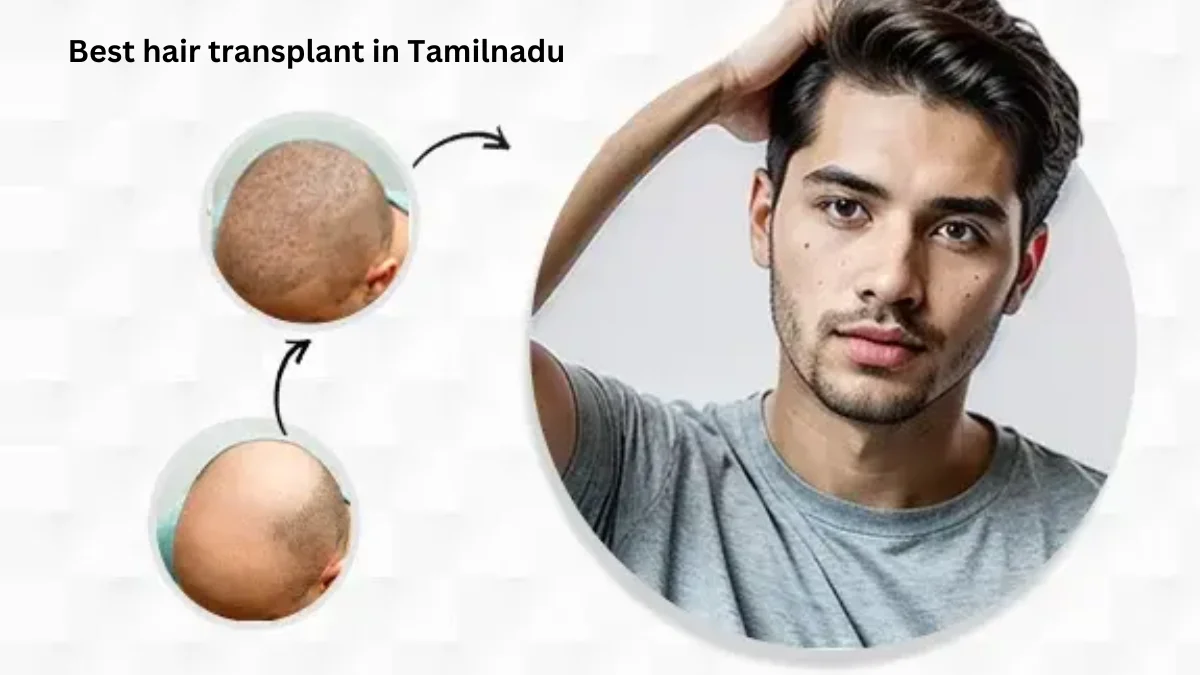
Hair transplant procedures have become increasingly popular among individuals experiencing hair loss or baldness. Tamil Nadu, particularly Chennai, is home to some of the best hair transplant clinics in India, offering advanced techniques at competitive prices. Choosing the right clinic and doctor is crucial for a successful and natural-looking hair transplant. This article provides a detailed guide on the best hair transplant options in Tamil Nadu, including top clinics, costs, techniques, and recovery tips.
Book Your Consultation Today
Visit Dr. Hanan Dermatology Specialty Clinic in Padur, OMR, Chennai. Schedule your consultation today and start your journey to fuller, healthier hair.
For more information and to book your appointment, visit our clinic or call us at the clinic’s contact details.
Hair Transplant Techniques
Before selecting a clinic, it is essential to understand the different hair transplant techniques available. Each method has its benefits and is suited for different hair loss conditions.
Follicular Unit Extraction (FUE)
- A minimally invasive method where individual hair follicles are extracted and implanted.
- No visible scarring and a faster recovery period.
- Suitable for patients looking for a natural hairline with minimal downtime.
Follicular Unit Transplantation (FUT)
- Involves removing a strip of skin with hair follicles from the donor area.
- Higher graft survival rate but may leave a linear scar.
- Recommended for patients requiring a large number of grafts.
Direct Hair Implantation (DHI)
- An advanced technique where hair follicles are extracted and implanted simultaneously.
- Offers high precision and density.
- Performed with specialized tools for better results.
Robotic Hair Transplant
- Uses AI-powered robotic technology for precise hair follicle extraction and placement.
- Minimizes human error and speeds up the procedure.
- Best suited for individuals looking for a high-tech, minimally invasive approach.
Factors to Consider When Choosing a Hair Transplant Clinic
Choosing the best hair transplant clinic involves several factors:
- Expertise and Experience – Ensure the clinic has experienced surgeons specializing in hair restoration.
- Success Rate and Reviews – Look for patient testimonials and before-and-after images.
- Advanced Technology – Clinics using the latest equipment ensure better results.
- Cost and Affordability – Compare the price based on the number of grafts required.
- Post-Operative Care – Choose a clinic that provides proper follow-up consultations and care.
Top Hair Transplant Clinics in Tamil Nadu
Here are some of the best hair transplant clinics in Tamil Nadu known for their high-quality procedures:
1. DHI India – Chennai
- Specializes in Direct Hair Implantation (DHI) technique.
- Offers natural results with high graft survival rates.
- Personalized treatment plans for every patient.
2. Eugenix Hair Sciences
- One of the leading hair restoration clinics in India.
- Experienced doctors with high success rates.
- Uses advanced techniques to ensure natural hair growth.
3. Tamira Life Clinic
- Provides both FUE and FUT hair transplants.
- High patient satisfaction with skilled dermatologists.
- Offers affordable packages with post-operative care.
4. Hande Hospital
- Known for cost-effective hair transplant procedures.
- Experienced dermatologists and plastic surgeons.
- Provides customized treatment plans.
5. Advanced Grohair Clinic
- Specializes in FUE hair transplants.
- Offers free consultations and affordable pricing.
- Uses the latest technology for precise graft implantation.
6. Pristyn Care
- Nationwide presence with expert hair transplant surgeons.
- Offers minimally invasive hair transplant procedures.
- Focuses on patient safety and post-op recovery.
Cost of Hair Transplant in Tamil Nadu
The cost of a hair transplant varies based on the clinic, technique used, and number of grafts required. On average:
- FUE Hair Transplant – ₹40,000 to ₹1,50,000
- FUT Hair Transplant – ₹30,000 to ₹1,20,000
- DHI Hair Transplant – ₹80,000 to ₹2,50,000
- Robotic Hair Transplant – ₹1,50,000 to ₹3,00,000
Factors affecting cost:
- Number of grafts needed.
- Experience of the surgeon.
- Clinic reputation and location.
- Post-operative care and medications.
Recovery and Post-Transplant Care
After a hair transplant, proper care is essential for optimal results:
- Immediate Aftercare: Avoid touching the scalp, strenuous activities, and sun exposure for at least two weeks.
- Healing Period: Redness and mild swelling are common but subside within a few days.
- Hair Shedding: Transplanted hair may shed after 2-3 weeks before new growth starts.
- Final Results: Noticeable hair growth occurs after 6-12 months.
Success Stories and Patient Testimonials
Many patients have reported positive experiences with hair transplants in Tamil Nadu. Here are some success stories:
- A 35-year-old IT professional from Chennai underwent an FUE transplant and saw significant hair regrowth within 9 months.
- A businessman from Coimbatore opted for the DHI method and achieved a fuller hairline within 6 months.
Conclusion
Choosing the best hair transplant clinic in Tamil Nadu depends on multiple factors, including the technique, doctor expertise, and cost. Clinics like DHI India, Eugenix Hair Sciences, and Tamira Life Clinic offer top-quality procedures with high success rates. If you are considering a hair transplant, consult with a qualified specialist to determine the best treatment for your needs.
Medicine After Hair Transplant: Essential Post-Operative Care for Optimal Results
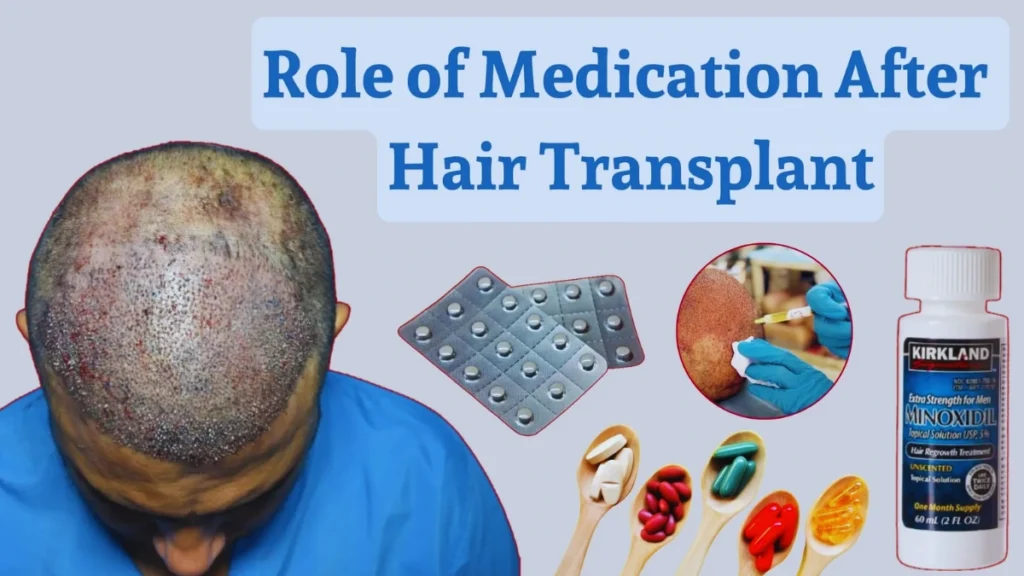
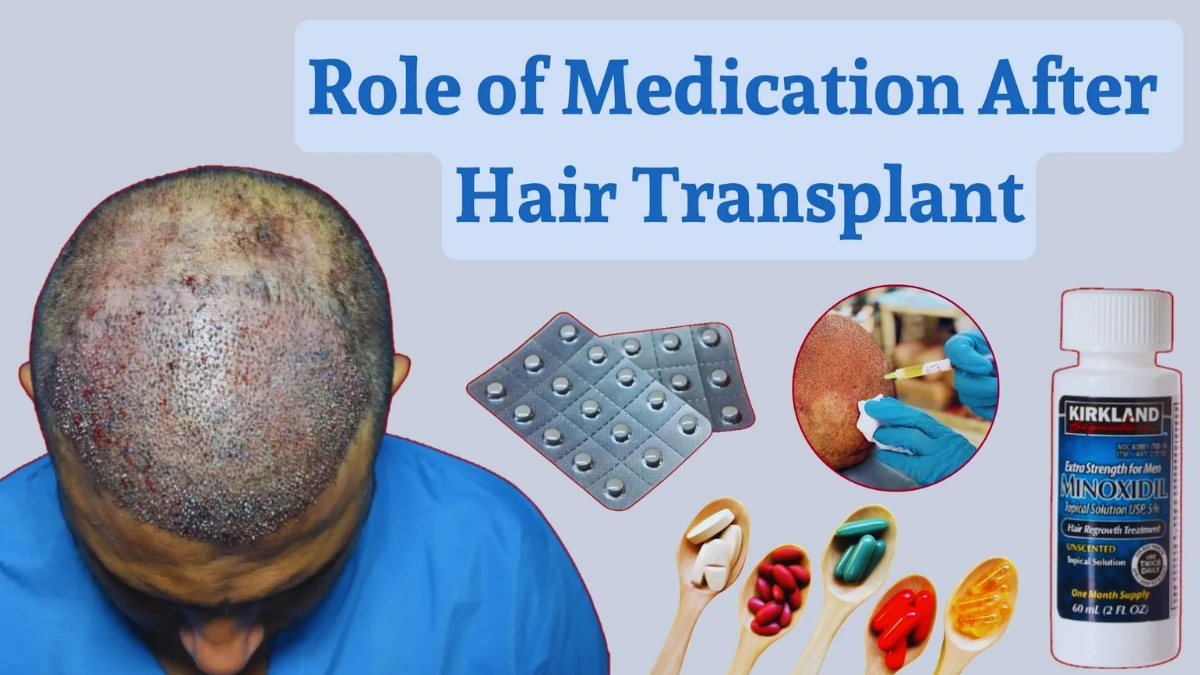
Medicine After Hair Transplant: Hair transplant surgery is a highly effective solution for hair loss and baldness, offering individuals a chance to regain their hair and confidence. However, the success of the procedure largely depends on proper post-operative care, including the use of prescribed medications. This article explores the essential medicines and care required after a hair transplant to ensure optimal healing and results.
Book Your Consultation Today
Visit Dr. Hanan Dermatology Specialty Clinic in Padur, OMR, Chennai. Schedule your consultation today and start your journey to fuller, healthier hair.

For more information and to book your appointment, visit our clinic or call us at the clinic’s contact details.
Understanding Hair Transplant Recovery
Typical Recovery Timeline
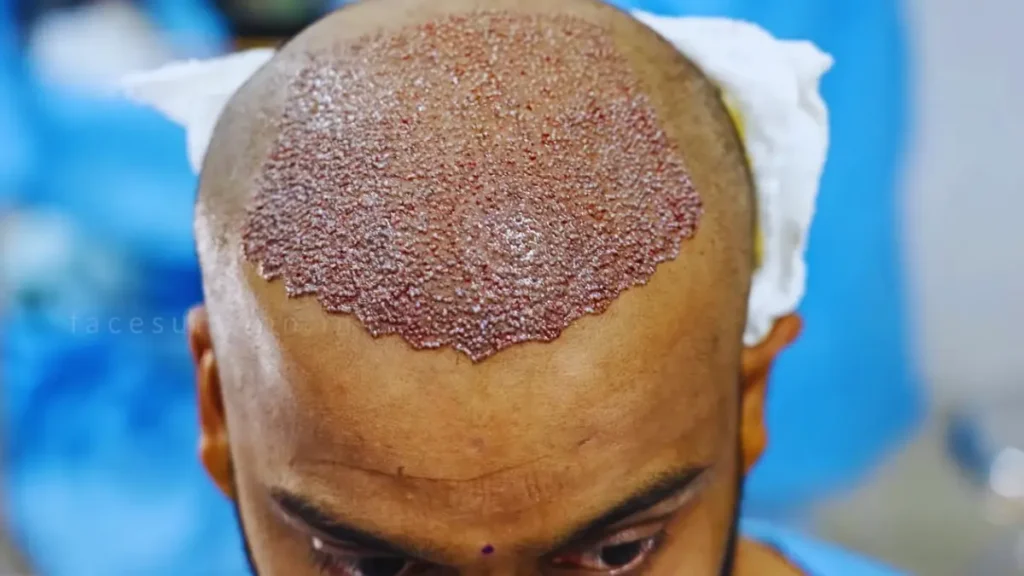
The recovery process after a hair transplant varies from person to person, but most patients can expect to return to normal activities within a week. Full recovery and the appearance of new hair growth can take several months. The typical recovery timeline includes:
- First Few Days: Swelling, redness, and mild discomfort are common.
- First Week: Scabs and crusts form around the transplanted grafts.
- 2-3 Weeks: Shedding of transplanted hair, which is normal.
- 3-6 Months: Noticeable new hair growth begins.
- 6-12 Months: Full results with mature hair growth.
Read more: Hair Follicle Surgery A Complete Guide to Hair Restoration
Common Symptoms and Side Effects Post-Surgery
- Swelling and bruising around the forehead and eyes.
- Mild pain and discomfort in the donor and recipient areas.
- Itching and scabbing on the scalp.
- Temporary hair shedding from the transplanted area.
Importance of Following Medical Advice
Adhering to your surgeon’s post-operative instructions is crucial for a smooth recovery and optimal results. This includes taking prescribed medications, following care routines, and attending follow-up appointments.

Read more: Hair Replacement in Chennai: Top Clinics, Methods & Cost 2025
Medications Prescribed After Hair Transplant
| Medicine Type | Purpose | Examples | Usage Duration |
|---|---|---|---|
| Antibiotics | Prevents infections in the surgical area | Amoxicillin, Ciprofloxacin | Typically 5–7 days |
| Pain Relievers | Alleviates mild to moderate post-operative pain | Paracetamol, Ibuprofen | As needed for 3–5 days |
| Anti-Inflammatory Drugs | Reduces swelling and inflammation | Prednisolone, Methylprednisolone | 3–5 days |
| Antihistamines | Relieves itching caused by healing | Cetirizine, Loratadine | 7–14 days (if required) |
| Hair Growth Medications | Stimulates new hair growth and strengthens roots | Minoxidil, Finasteride | As recommended (long-term) |
| Antiseptic Solutions | Cleans the scalp and prevents infections | Betadine, Chlorhexidine | As directed (during washing) |
| Vitamin Supplements | Boosts recovery and supports hair growth | Biotin, Zinc, Multivitamins | As recommended (long-term) |
Key Notes on Medication Usage
- Antibiotics: Complete the full course to prevent infections, even if no symptoms appear.
- Pain Relievers: Take only when necessary to manage discomfort; avoid exceeding the prescribed dosage.
- Anti-Inflammatories: These help reduce swelling and should be taken exactly as prescribed.
- Hair Growth Medications: Finasteride and Minoxidil may require long-term use to maintain results.
- Avoid Self-Medication: Do not add or substitute any medication without consulting your doctor.
If you have any allergies or pre-existing conditions, inform your surgeon before taking any of these medications.
Painkillers
Painkillers, such as paracetamol or ibuprofen, are often prescribed to manage post-operative pain and discomfort. These medications help keep you comfortable during the initial recovery period.
Anti-Inflammatory Drugs
Anti-inflammatory drugs, like naproxen or diclofenac, are prescribed to reduce swelling and inflammation. These medications help alleviate discomfort and promote faster healing.
Antibiotics
Antibiotics are essential to prevent infections in the donor and recipient areas. Commonly prescribed antibiotics include amoxicillin and cephalexin. It is important to complete the full course of antibiotics as directed.
Hair Growth Stimulants
Medications such as minoxidil and finasteride may be prescribed to stimulate new hair growth and prevent further hair loss. These hair growth stimulants help enhance the overall results of the hair transplant.
Read more: Hair Growth Surgery Cost
Topical Ointments
Topical ointments, such as those containing antibiotics or hydrocortisone, may be applied to the scalp to control itching, reduce inflammation, and minimize scarring.
Dos and Don’ts After Hair Transplant
Dos
- Apply Sterile Solutions: Use sterile saline solutions to keep the scalp clean and moisturized.
- Keep the Scalp Clean: Gently wash the scalp with a mild shampoo as instructed by your surgeon.
- Sleep with Head Elevated: Elevate your head while sleeping to reduce swelling.
- Take Prescribed Medications: Follow your medication regimen as directed by your surgeon.
Don’ts
- Avoid Harsh Hair Products: Refrain from using hair products containing alcohol or harsh chemicals.
- Don’t Touch or Scratch the Scalp: Avoid touching, scratching, or rubbing the transplanted area.
- Refrain from Alcohol and Smoking: Alcohol and smoking can interfere with the healing process and should be avoided.
- Avoid Strenuous Activities: Refrain from heavy lifting, exercise, and activities that may cause sweating for at least a week.
Tips for Optimal Healing and Results
Hydration and Nutrition
Staying hydrated and maintaining a balanced diet rich in vitamins and minerals can promote faster healing and support new hair growth.
Sun Protection
Protect your scalp from direct sunlight by wearing a hat or using sunscreen. UV rays can damage the healing tissues and affect the transplant results.
Follow-Up Appointments
Attend all scheduled follow-up appointments with your surgeon to monitor your progress and address any concerns.
Managing Expectations
Understand that hair growth is a gradual process. Patience is key, as it can take several months to see the full results of your hair transplant.
Potential Side Effects and How to Manage Them
Swelling and Bruising
Swelling and bruising around the forehead and eyes are common and typically subside within a few days. Applying cold compresses and keeping your head elevated can help reduce swelling.
Pain and Discomfort
Mild pain and discomfort are normal after a hair transplant. If pain persists or worsens, contact your surgeon for advice.
Infection Signs
Signs of infection include increased redness, swelling, pus, and a high fever. If you notice any of these symptoms, seek medical attention immediately.
Long-Term Care and Maintenance
Continued Use of Medications
Continue using hair growth stimulants, such as minoxidil and finasteride, as directed by your surgeon. These medications can help maintain and enhance the results of your hair transplant.
Lifestyle Adjustments
Maintain a healthy lifestyle, including regular exercise, a balanced diet, and avoiding smoking and excessive alcohol consumption, to support overall hair health.
Regular Scalp Care
Practice regular scalp care by keeping the area clean and using gentle hair products. Avoid excessive styling and heat treatments that can damage the hair.
Success Stories and Testimonials
Patient Experiences
Real-life success stories and testimonials from patients who have undergone hair transplant surgery can provide valuable insights into the recovery process and results.
Before and After Photos
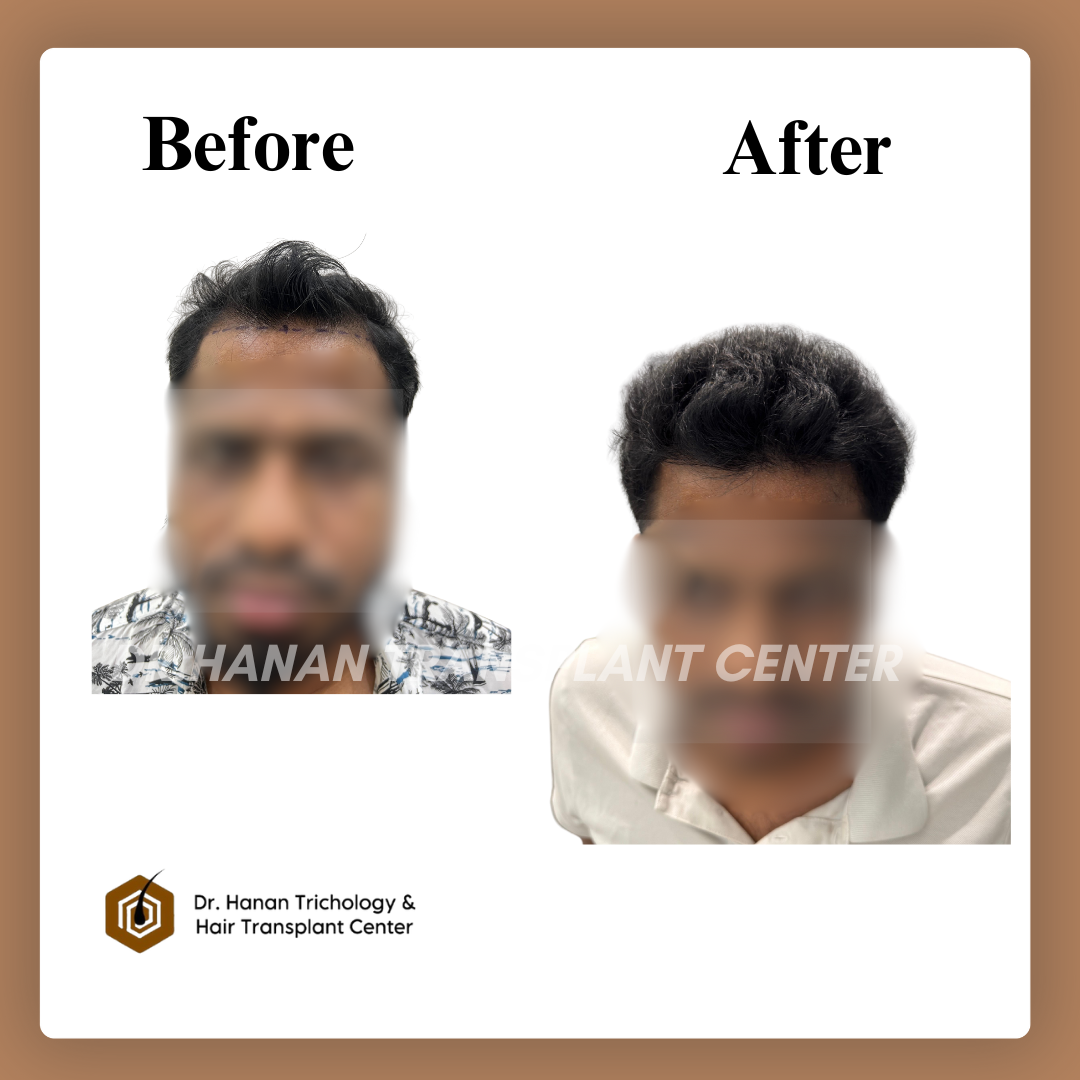
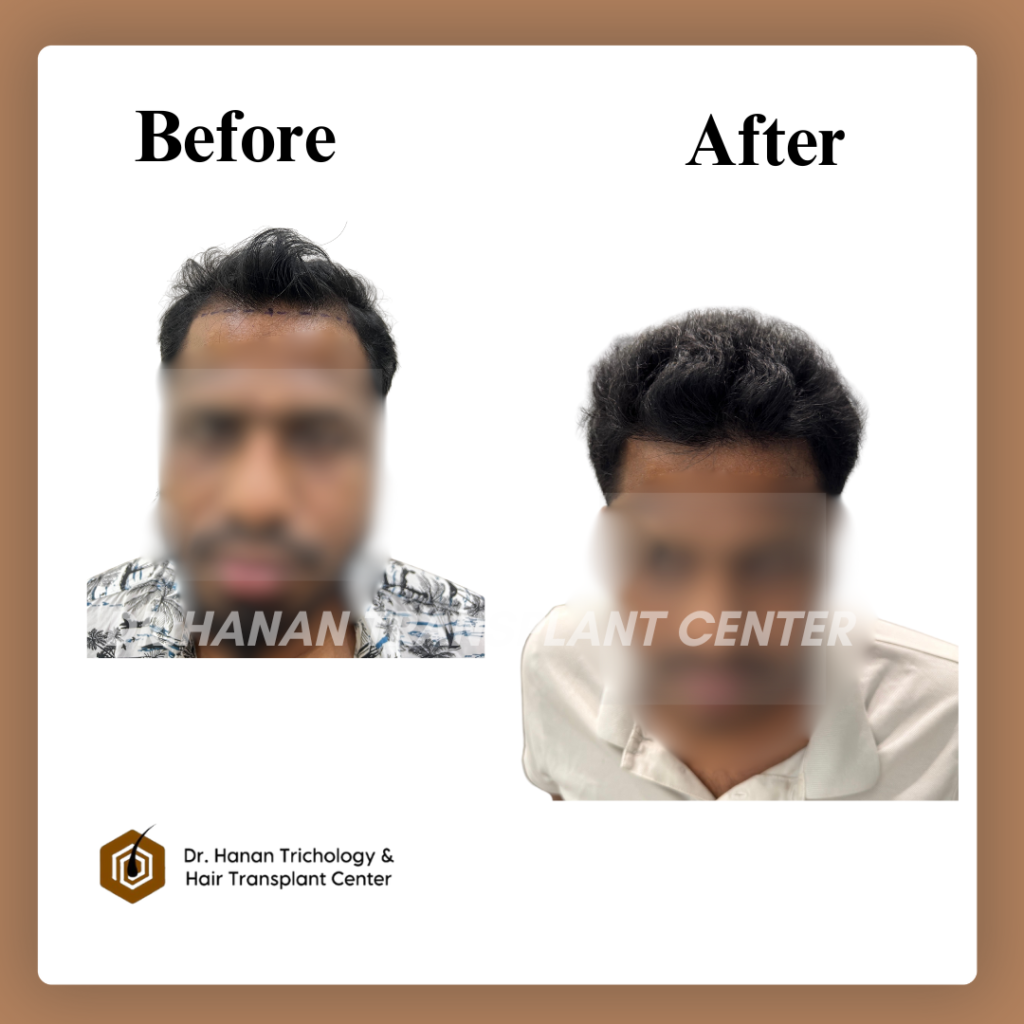
Before and after photos of successful hair transplant procedures showcase the transformative effects and help manage expectations.
FAQs
1. Why is Necessary Medicine After Hair Transplant?
Medication is essential to:
- Prevent infections.
- Minimize swelling and discomfort.
- Promote healing and hair regrowth.
2. What are the most commonly prescribed medicines after a hair transplant?
Here’s a list of medications you might be prescribed:
| Medicine Type | Purpose |
|---|---|
| Antibiotics | Prevents infections in the surgical area. |
| Pain Relievers | Alleviates post-operative pain and discomfort. |
| Anti-Inflammatory Drugs | Reduces swelling and promotes healing. |
| Hair Growth Stimulants | Stimulates new hair growth and strengthens roots. |
| Antihistamines | Reduces itching caused by the healing process. |
| Vitamin Supplements | Supports recovery and long-term hair growth. |
3. How long do I need to take Medicine After Hair Transplant?
- Antibiotics: Typically 5–7 days.
- Pain Relievers and Anti-Inflammatory Drugs: 3–5 days or as needed.
- Hair Growth Stimulants and Vitamins: Often prescribed for several months or long-term use.
Always follow your doctor’s recommendations regarding dosage and duration.
4. Are there any side effects of the medications?
Most post-operative medications are safe when taken as prescribed. However, potential side effects may include:
- Mild stomach upset (antibiotics).
- Drowsiness or dizziness (pain relievers and antihistamines).
- Rare allergic reactions.
If you experience unusual symptoms, consult your doctor immediately.
5. Can I stop taking the Medicine After Hair Transplant once I feel better?
No. Even if you feel better, it’s important to complete the full course of antibiotics and other prescribed medications to avoid complications such as infections or delayed healing.
6. Are there any over-the-counter medicines I can take?
It’s best to avoid self-medicating. Stick to the medications prescribed by your surgeon to ensure safety and effectiveness.
7. What should I avoid while taking post-transplant medications?
- Alcohol: Can interfere with healing and the effectiveness of certain drugs.
- Smoking: Slows down the healing process.
- Excessive Sun Exposure: Can irritate the scalp.
- Vigorous Physical Activities: Avoid for at least 2–3 weeks post-surgery.
8. Are hair growth medications like Minoxidil and Finasteride mandatory?
While not mandatory, these medications can significantly enhance the results of your transplant by promoting hair regrowth and preventing further hair loss. Your doctor will assess if these are suitable for you.
9. Can vitamins or supplements improve recovery?
Yes, vitamins like Biotin, Zinc, and Vitamin D support hair health and recovery. However, take only those recommended by your doctor.
10. What should I do if I forget a dose?
If you miss a dose, take it as soon as you remember. However, if it’s close to your next scheduled dose, skip the missed one. Do not double the dose to make up for it.