
Everything You Need to Know About Skin & Cosmetology Clinics
A skin and cosmetology clinic is a specialized healthcare facility dedicated to enhancing and maintaining skin health while addressing cosmetic concerns. These clinics provide a wide range of services, including treatments for acne, pigmentation, scars, and hair loss, as well as anti-aging therapies, chemical peels, and laser procedures. Staffed by experienced dermatologists and aesthetic experts, a skin and cosmetology clinic combines medical expertise with advanced technology to deliver effective and personalized care. Whether you’re seeking to treat a specific skin condition or improve your overall appearance, these clinics are equipped to provide tailored solutions that boost confidence and promote well-being.
Book Your Consultation Today
Visit Dr. Hanan Dermatology Specialty Clinic in Padur, OMR, Chennai. Schedule your consultation today and start your journey to fuller, healthier hair.
For more information and to book your appointment, visit our clinic or call us at the clinic’s contact details.
What is a Skin & Cosmetology Clinic?
A skin and cosmetology clinic is a specialized healthcare facility where trained professionals offer treatments for skin, hair, and cosmetic concerns. These clinics combine medical expertise with cutting-edge technology to address everything from acne to anti-aging needs.
The Rising Popularity of These Clinics
In today’s appearance-driven world, skin and cosmetology clinics have gained immense popularity. With the promise of youthful skin, luscious hair, and confidence-boosting treatments, more people are turning to these clinics for their aesthetic needs.
Services Offered at Skin & Cosmetology Clinics
Skincare Treatments
Acne and Scar Treatments
Clinics offer solutions like chemical peels, microdermabrasion, and laser therapy to combat stubborn acne and scars, leaving your skin smoother and clearer.
Anti-Aging Therapies
Want to turn back the clock? Treatments like collagen-boosting facials, Botox, and dermal fillers help reduce wrinkles and fine lines effectively.
Hair Treatments
Hair Transplants
Hair transplant techniques like FUE (Follicular Unit Extraction) restore thinning hairlines and bald patches, offering a natural look.
Hair Fall Control
Non-invasive treatments like PRP (Platelet-Rich Plasma) therapy stimulate hair growth and prevent hair fall.
Cosmetic Procedures
Botox and Fillers
These minimally invasive procedures smooth out wrinkles and add volume to areas like lips and cheeks, giving a youthful appearance.
Laser Treatments
Laser procedures are used for everything from tattoo removal to pigmentation correction, offering precision and effectiveness.
How to Choose the Right Clinic for Your Needs
Certifications and Expertise
Ensure the clinic is certified and employs skilled professionals who specialize in cosmetology and dermatology.
Checking Reviews and Testimonials
Online reviews and client testimonials offer valuable insights into a clinic’s reputation and service quality.
Comparing Costs and Facilities
While affordability is important, prioritize quality care and advanced technology when selecting a clinic.
Benefits of Visiting a Skin & Cosmetology Clinic
Expert Care for Complex Skin Issues
Unlike home remedies, clinics provide scientifically-backed solutions tailored to your unique skin type and condition.
Advanced Technology for Lasting Results
Modern equipment ensures precise and lasting outcomes, reducing the risk of complications.
Common Misconceptions About Skin & Cosmetology Clinics
Myth: They Are Only for Celebrities
Think these clinics are exclusive to the rich and famous? Think again! Many clinics cater to people from all walks of life.
Myth: The Treatments Are Painful
Most procedures are minimally invasive and involve little to no discomfort, thanks to modern technology.
Preparing for Your First Visit to a Clinic
Initial Consultation Tips
Be honest about your medical history and current skincare routine to ensure the specialist can recommend the best treatment.
Questions to Ask Your Specialist
Ask about the procedure, potential side effects, and post-treatment care to set realistic expectations.
Costs of Skin and Cosmetic Treatments
Factors Influencing Costs
Treatment complexity, clinic location, and specialist expertise all impact the cost of services.
Are These Treatments Covered by Insurance?
Most cosmetic procedures are not covered by insurance as they are considered elective. However, medical skin treatments might qualify.
Potential Risks and How Clinics Minimize Them
Safety Protocols
Reputable clinics follow strict safety guidelines to minimize risks during and after treatments.
Post-Treatment Care Tips
Following your specialist’s advice for aftercare helps ensure optimal results and quicker recovery.
Future Trends in Skin & Cosmetology Clinics
AI-Powered Skincare
Artificial intelligence is revolutionizing the way clinics analyze skin conditions and recommend treatments.
Personalized Treatments Based on DNA
Imagine a treatment plan tailored to your unique genetic makeup—this is the future of cosmetology.
Conclusion
Skin and cosmetology clinics are more accessible than ever, offering a range of treatments to help you look and feel your best. Whether you’re seeking solutions for specific issues or just want to pamper yourself, these clinics provide expert care with advanced technology.
FAQs
1. What is the difference between a dermatologist and a cosmetologist?
A dermatologist is a medical doctor specializing in skin diseases, while a cosmetologist focuses on beauty treatments and aesthetic enhancements.
2. How do I know if a treatment is right for me?
Consult with a specialist for a thorough assessment and personalized recommendations.
3. How long do the results of cosmetic treatments last?
The longevity of results depends on the treatment type, with some lasting months and others being permanent.
4. Are skin & cosmetology clinics safe for sensitive skin?
Yes, clinics tailor treatments to suit different skin types, including sensitive skin.
5. Can men also visit skin & cosmetology clinics?
Absolutely! Clinics offer a variety of services designed for men as well.
The Ultimate Guide to Skin Laser Treatment Costs

Skin laser treatments are no longer exclusive to celebrities and high-profile individuals. These procedures are now widely accessible, offering solutions to various skin concerns like acne scars, wrinkles, unwanted hair, and pigmentation. But how much do they actually cost? This guide dives deep into the factors influencing skin laser treatment costs, the types of treatments available, and tips for making these procedures more affordable.
Book Your Consultation Today
Visit Dr. Hanan Dermatology Specialty Clinic in Padur, OMR, Chennai. Schedule your consultation today and start your journey to fuller, healthier hair.
For more information and to book your appointment, visit our clinic or call us at the clinic’s contact details.
What Factors Influence Skin Laser Treatment Costs?
The cost of skin laser treatment depends on several factors, including:
Types of Skin Laser Treatments and Their Costs
Laser Hair Removal
Laser hair removal is a popular choice for permanent hair reduction.
- Cost Per Session: Typically ranges from $50 to $300, depending on the area being treated.
- Packages: Clinics often offer discounts for multiple sessions, reducing the per-session cost.
Fractional CO2 Laser
Ideal for treating acne scars and wrinkles.
- Price Range: $500 to $3,000 per session.
- Factors: Costs depend on the treatment area and the severity of the condition.
IPL (Intense Pulsed Light) Therapy
Used for pigmentation, redness, and minor skin imperfections.
- Average Cost: $400 to $600 per session.
- Duration: Multiple sessions may be needed for optimal results.
Laser Skin Resurfacing
This comprehensive treatment rejuvenates the skin and reduces fine lines.
- Cost: $1,000 to $2,500 per session.
- Full-Face Treatments: Generally on the higher end of the spectrum.
Tattoo Removal
Laser tattoo removal is priced based on the size and complexity of the tattoo.
- Per Session Cost: $200 to $500.
- Complete Removal: May require 5–10 sessions, making it a significant investment.
How Much Do Skin Laser Treatments Cost in Different Countries?
- USA: $200–$3,000 per session.
- UK: £150–£2,500 per session.
- India: ₹5,000–₹1,50,000 per session.
- Australia: AUD 300–4,000 per session.
Why Do Costs Vary Between Clinics?
Costs differ due to:
How to Save Money on Skin Laser Treatments
- Packages and Memberships: Clinics often offer discounted bundles.
- Off-Season Discounts: Prices may drop during less busy periods.
- Medical Tourism: Traveling to countries like India can save money.
- What to Expect During a Skin Laser Treatment
- Consultation: Initial assessment to determine suitability.
- Preparation: Pre-treatment care, including avoiding sun exposure.
- Procedure: Varies based on the type of treatment.
- Recovery: Includes downtime and aftercare.
Are Skin Laser Treatments Covered by Insurance?
Most cosmetic laser treatments are not covered by insurance. However, procedures with medical benefits, like mole removal, may be partially covered.
Risks and Side Effects of Skin Laser Treatments
Common side effects include redness, swelling, and temporary discomfort. Choosing a reputable clinic minimizes risks.
Success Stories: Is Skin Laser Treatment Worth It?
Many patients report dramatic improvements in their skin’s appearance, making these treatments a worthwhile investment.
Conclusion
Skin laser treatments can be life-changing, but they come at a cost. By understanding the factors that influence pricing, exploring treatment options, and choosing the right clinic, you can make an informed decision that suits your budget and goals.
FAQs
- What is the average cost of laser hair removal?
Prices range from $50 to $300 per session, depending on the treatment area. - How many sessions are required for tattoo removal?
Most tattoos require 5–10 sessions for complete removal. - Are laser treatments safe for sensitive skin?
Yes, but it’s essential to consult with a dermatologist. - Can I get discounts on skin laser treatments?
Many clinics offer packages and seasonal discounts. - Do laser treatments have long-term side effects?
Rarely, but choosing an experienced professional reduces the risk significantly.
Korean Skin Whitening Treatment Price: A Complete Guide

Korean Skin Whitening Treatment Price: In recent years, Korean skincare has taken the beauty industry by storm, with a focus on flawless, radiant skin. One of the most sought-after treatments is Korean skin whitening, which promises a brighter, more even complexion. As its popularity continues to grow, many are curious about the price of these treatments. In this article, we will explore the various Korean skin whitening treatments, the factors affecting their cost, and a detailed price breakdown to help you make an informed decision.
Book Your Consultation Today
Visit Dr. Hanan Dermatology Specialty Clinic in Padur, OMR, Chennai. Schedule your consultation today and start your journey to fuller, healthier hair.
For more information and to book your appointment, visit our clinic or call us at the clinic’s contact details.
Korean Skin Whitening Treatment Price
| Treatment Type | Price Range (INR) | Details |
| Skincare Products | ₹1,640 – ₹8,200 | Whitening creams, serums, and masks from brands like Laneige, Innisfree, and The Face Shop. |
| Whitening Sheet Masks | ₹164 – ₹1,640 | Affordable sheet masks for brightening and skin tone evening. |
| Laser Skin Whitening | ₹8,200 – ₹41,000 per session | Includes fractional CO2 laser and other advanced technologies. |
| Chemical Peels | ₹8,200 – ₹24,600 per session | Exfoliates the skin and helps lighten dark spots. |
| Whitening Facials | ₹4,100 – ₹16,400 per session | Professional facials offered by top clinics in Korea. |
| Glutathione Injections | ₹4,100 – ₹16,400 per session | Skin-whitening injections, often used for quicker results. |
| Whitening IV Drips | ₹8,200 – ₹24,600 per session | Whitening IV treatments offered as packages for lasting effects. |
1.Introduction
Korean skin whitening treatments are gaining immense popularity due to their effectiveness and innovation in the beauty world. These treatments range from affordable skincare products to more intensive procedures such as laser therapy and glutathione injections. Whether you’re looking for a radiant glow or trying to fade dark spots, understanding the cost of these treatments is crucial for making the best choice.
2. Types of Korean Skin Whitening Treatments
Korean skin whitening treatments can be broadly categorized into four main types: skincare products, facial treatments, injections, and home remedies.
Skincare Products
Korean skincare brands offer a wide variety of whitening products, such as creams, serums, and sheet masks, all designed to lighten the skin, even out skin tone, and reduce pigmentation.
Facial Treatments
These are in-clinic treatments such as laser therapy, chemical peels, and whitening facials that target deeper layers of the skin for more permanent results.
Injections and Procedures
Glutathione injections and whitening IV drips are popular procedures in Korea for those seeking rapid and visible results. These treatments are typically done at specialized clinics and involve injecting or infusing skin-whitening agents into the bloodstream.
Home-Based Remedies
Many people opt for DIY Korean whitening masks or natural skin treatments at home, which are budget-friendly but may not offer the same level of results as professional procedures.
3. Factors Affecting the Price of Korean Skin Whitening Treatments
The price of Korean skin whitening treatments varies depending on several factors:
Treatment Type
The type of treatment you choose plays a significant role in the cost. Skincare products are generally the most affordable option, while injections and laser treatments tend to be more expensive.
Location and Clinic
Treatment costs can vary greatly depending on where you get the procedure. Urban centers like Seoul, where many high-end clinics are located, may charge higher fees compared to more rural areas.
Brand and Product Quality
Premium skincare brands such as Laneige, Sulwhasoo, and Dr. Jart+ will cost more than drugstore brands. The higher quality products tend to offer better and longer-lasting results, which may justify the higher price.
Duration and Frequency of Treatment
One-time treatments like laser therapy or chemical peels may cost more upfront, while regular use of whitening products or continuous glutathione injections could be more cost-effective over time.
Expertise of Professionals
The cost of treatments may also depend on the expertise of the professionals administering them. Dermatologists and certified skincare experts often charge more than less experienced staff.
4. Price Breakdown of Popular Korean Skin Whitening Treatments
Skincare Products
Korean whitening skincare products are widely available and can be purchased online or in-store. On average:
- Whitening creams and serums: Prices range from $20 to $100, depending on the brand and ingredients.
- Whitening masks: Sheet masks typically cost between $2 to $5 per mask, with premium versions costing up to $20.
Popular brands like Laneige, Innisfree, and The Face Shop offer products that cater to different skin types and needs.
Facial Treatments
- Laser treatments: The cost of a single session of laser skin whitening ranges from $100 to $500. For more advanced technologies, such as fractional CO2 lasers, the cost can be even higher.
- Chemical peels: A single session typically costs between $100 to $300.
- Whitening facials: Professional facials in top Korean clinics can range from $50 to $200 per session.
Injections and Procedures
- Glutathione injections: The cost of glutathione injections can range from $50 to $200 per session, depending on the clinic and the dosage.
- Whitening IV drips: These are more expensive, with prices ranging from $100 to $300 per treatment, typically offered as packages.
5. Comparing Korean Skin Whitening Treatment Prices with Other Countries
When comparing the prices of Korean skin whitening treatments with those in other countries, you may find that Korea offers more affordable options. In places like the United States or Europe, the cost of similar treatments—especially in high-end clinics—can be significantly higher, sometimes reaching up to double the prices seen in Korea. This is one reason why many people from around the world travel to Korea for cosmetic procedures, including skin whitening.
6. Is Korean Skin Whitening Worth the Cost?
Whether or not Korean skin whitening treatments are worth the cost depends on individual needs, preferences, and skin concerns. Many people find significant improvements in their skin tone, reduced pigmentation, and an overall brighter complexion with these treatments. The choice of treatment will depend on factors like:
- Desired results (quick vs. gradual)
- Budget constraints
- Sensitivity to certain ingredients or procedures
- Availability of professional clinics in your area
It’s important to consult with a dermatologist or skincare professional before committing to any treatment to ensure it is suitable for your skin.
7. Conclusion
Korean skin whitening treatments offer a wide range of options for those looking to brighten their complexion and reduce hyperpigmentation. From affordable skincare products to high-end clinical procedures, there is something for every budget. When considering these treatments, it’s essential to factor in the cost, treatment type, and location. Always ensure you are opting for reputable clinics or brands to ensure safety and effectiveness.
FAQs
Q1: Are Korean skin whitening treatments safe?
Yes, most Korean skin whitening treatments are safe when performed by licensed professionals or using reputable products. Always consult with a dermatologist before starting any treatment.
Q2: How long does it take to see results from Korean skin whitening treatments?
The Korean Skin Whitening Treatment Price and results depend on the treatment type. Skincare products can take several weeks to show visible results, while injections and laser treatments can provide faster improvements.
Q3: Can I combine different Korean skin whitening treatments? Combining skincare products with professional treatments can enhance results. However, it’s important to consult with a dermatologist to avoid any adverse effects.
Hair Treatment GFC: A Revolutionary Solution for Hair Regrowth
Hair loss is a common concern for both men and women, with countless individuals seeking effective solutions to restore their hair’s fullness and health. Among the most innovative advancements in hair restoration is GFC (Growth Factor Concentrate), a cutting-edge treatment gaining popularity for its ability to stimulate hair regrowth and improve scalp health. In this article, we’ll explore what GFC hair treatment is, how it works, and why it’s a game-changer in the field of hair restoration.

Book Your Consultation Today
Visit Dr. Hanan Dermatology Specialty Clinic in Padur, OMR, Chennai. Schedule your consultation today and start your journey to fuller, healthier hair.
For more information and to book your appointment, visit our clinic or call us at the clinic’s contact details.
What is GFC Hair Treatment?
GFC, or Growth Factor Concentrate, is a non-surgical hair restoration treatment that uses growth factors to stimulate hair follicles and encourage hair regrowth. These growth factors are naturally occurring proteins that help promote cell growth, healing, and regeneration. GFC is derived from the patient’s own blood, which is processed to concentrate these growth factors and then injected into the scalp to rejuvenate dormant hair follicles and stimulate the growth of new, healthy hair.
This treatment is a breakthrough in the fight against hair loss, offering a natural and effective alternative to more invasive procedures like hair transplants.
The Science Behind GFC Hair Treatment
Growth factors play a crucial role in stimulating hair regrowth. These are naturally occurring proteins in the body that promote the healing of tissue and the growth of new cells. In the context of hair restoration, key growth factors such as VEGF (vascular endothelial growth factor) and PDGF (platelet-derived growth factor) are particularly important. They help to regenerate hair follicles, improve blood circulation to the scalp, and promote hair follicle survival.
The process begins with drawing a small sample of the patient’s blood, which is then processed in a centrifuge to isolate the plasma. This plasma, which contains a high concentration of growth factors, is injected into the scalp in targeted areas where hair thinning or hair loss is most prominent. This stimulation of the scalp promotes the regeneration of hair follicles, leading to stronger, thicker hair growth.
Benefits of GFC Hair Treatment
GFC offers a range of benefits that make it an appealing choice for those looking to combat hair thinning and hair loss:
- Stimulates Hair Growth: GFC directly targets the hair follicles, encouraging dormant follicles to become active again, leading to visible hair regrowth.
- Improves Hair Thickness and Texture: As new hair grows, it is often thicker and healthier, contributing to fuller, more voluminous hair.
- Non-Invasive Procedure: Unlike hair transplant surgery, GFC treatment is minimally invasive, requiring no incisions or stitches.
- Minimal Downtime: Most patients experience only mild discomfort and minimal downtime, allowing them to resume daily activities almost immediately.
- Safe and Natural: Since the treatment uses the patient’s own blood, it is a natural, safe option with a low risk of complications.
Who is an Ideal Candidate for GFC Hair Treatment?
GFC hair treatment is suitable for a wide range of individuals, including:
- People with Androgenic Alopecia (Pattern Baldness): This hereditary condition causes gradual thinning or balding, particularly around the crown and temples.
- Women and Men with Thinning Hair: Those experiencing thinning hair or early-stage hair loss can benefit from GFC’s restorative properties.
- Individuals Seeking Non-Surgical Solutions: GFC is an excellent option for people who are not ready for or are not candidates for hair transplant surgery.
- Those Looking for a Natural Alternative: Because GFC uses the body’s own growth factors, it is a great option for those seeking a natural approach to hair restoration.
The GFC Hair Treatment Procedure
The GFC hair treatment procedure is relatively straightforward and involves the following steps:
- Consultation and Assessment: A thorough consultation with a hair restoration specialist is essential to assess the patient’s hair loss and determine the suitability of GFC treatment.
- Blood Collection and Processing: A small blood sample is drawn from the patient. This sample is then processed using a centrifuge to isolate the growth factor-rich plasma.
- Application of GFC: The concentrated plasma is injected into the scalp at areas where hair thinning or loss has occurred. The injections are typically done with a fine needle to minimize discomfort.
- Post-Treatment Care: After the procedure, patients may experience mild redness or swelling at the injection sites. These effects are temporary, and most patients can return to their normal routines immediately.
What to Expect After GFC Hair Treatment
After undergoing GFC hair treatment, patients may experience:
- Mild Side Effects: Some redness or swelling at the injection site is common but typically subsides within a few hours to a few days.
- Gradual Hair Growth: It takes time for new hair to grow, and results are typically visible within 3-6 months. New hair may initially be fine but gradually thickens and strengthens.
- Ongoing Treatments: To maintain results, some patients may need follow-up sessions. Your hair restoration specialist will provide a personalized treatment plan based on your progress.
GFC Hair Treatment vs. Other Hair Loss Treatments
When comparing GFC to other popular hair treatments, several key differences become apparent:
- GFC vs. PRP (Platelet-Rich Plasma): While both GFC and PRP involve the use of the patient’s own blood, GFC typically has a higher concentration of growth factors, making it a more powerful treatment for stimulating hair growth.
- GFC vs. Hair Transplant: Unlike hair transplants, which involve the surgical relocation of hair follicles, GFC is a non-invasive procedure with minimal downtime. It’s a great option for people who want to avoid surgery.
- Cost Comparison: GFC is generally more affordable than hair transplant surgery, making it an attractive option for those looking for a cost-effective solution to hair loss.
Potential Risks and Side Effects
GFC hair treatment is generally safe, but as with any medical procedure, there are potential risks:
- Mild Pain or Swelling: Some patients may experience discomfort at the injection site.
- Temporary Results: The effectiveness of the treatment can vary, and not everyone will experience the same level of hair regrowth.
Success Stories and Case Studies
Many patients have experienced significant improvements in hair regrowth following GFC treatment. Testimonials from individuals who have undergone the procedure often highlight the natural results and improved hair thickness. Before-and-after photos demonstrate how GFC can help restore hair in areas that were once thinning or bald.
Conclusion
GFC hair treatment is an innovative, non-invasive solution for hair loss and thinning. By harnessing the power of growth factors derived from the patient’s own blood, this treatment helps stimulate hair regrowth and improve hair thickness. With minimal downtime and a natural, safe process, GFC is a highly effective alternative to more invasive hair restoration options. If you’re struggling with hair loss and seeking a natural, non-surgical option, GFC might be the treatment you’ve been waiting for.
Hair Growth Tips for Girls: How to Achieve Longer, Healthier Hair

Hair Growth Tips for Girls: Achieving long, healthy hair is a common goal for many girls. However, growing your hair requires more than just waiting for it to grow out. It takes a combination of proper care, nutrition, and patience. Whether you’re dealing with slow growth or damaged hair, these proven tips will help you get the long, luscious locks you’ve always wanted.
Book Your Consultation Today
Visit Dr. Hanan Dermatology Specialty Clinic in Padur, OMR, Chennai. Schedule your consultation today and start your journey to fuller, healthier hair.
For more information and to book your appointment, visit our clinic or call us at the clinic’s contact details.
Hair Growth Tips for Girls
Understand Your Hair Type
The first step to growing long, healthy hair is understanding your hair type. Hair growth can vary depending on whether you have straight, wavy, or curly hair. Identifying your hair type will help you select the best products and treatments that suit your hair’s unique needs.
For example, curly hair tends to be more fragile and prone to dryness, so it may require extra moisture. Straight hair, on the other hand, may benefit from lightweight products that don’t weigh it down. Tailoring your hair care routine to your hair type ensures you nourish and protect your hair correctly.
Balanced Diet for Hair Growth
Healthy hair starts from the inside out. Your diet plays a significant role in the quality and growth rate of your hair. Key nutrients such as biotin, iron, vitamin A, vitamin C, and omega-3 fatty acids are vital for strong, healthy hair. Incorporate foods like salmon, eggs, spinach, sweet potatoes, and avocados into your meals to support hair growth.
Remember, a well-balanced diet isn’t just good for your hair—it improves your overall health, too!
Hydration is Key
Just like your skin, your hair needs moisture to stay healthy and grow. Dehydration can lead to brittle hair that breaks easily and slows down the growth process. Drinking plenty of water each day ensures your hair remains hydrated, which in turn helps it grow faster and stronger.
Make it a habit to drink at least 8 cups of water a day to support overall health and encourage healthy hair growth.
Gentle Hair Care Routine
The way you wash and care for your hair can make a big difference in how it grows. Use sulfate-free shampoos and conditioners that are gentle on your hair and scalp. Washing your hair too often can strip it of essential oils, so try to limit hair washing to 2-3 times per week.
Deep conditioning treatments once a week can restore moisture and nutrients, making your hair softer and less prone to breakage.
Scalp Health and Massages
A healthy scalp is the foundation for healthy hair growth. Massaging your scalp stimulates blood circulation, promoting hair follicle health and encouraging faster growth. You can enhance your scalp massage by using essential oils such as rosemary, peppermint, or lavender, which are known to stimulate hair follicles and encourage growth.
Massage your scalp for 5-10 minutes a few times a week to boost circulation and improve hair health.
Avoid Heat Styling and Chemical Damage
Excessive heat styling, including blow-drying, straightening, and curling, can cause irreversible damage to your hair. If you must use heat tools, always apply a heat protectant spray beforehand.
Chemical treatments, such as hair dyes and perms, can also weaken hair, causing it to become brittle and break. Consider avoiding these treatments or opting for more natural alternatives that won’t strip your hair of essential nutrients.
Sleep Care: Protecting Your Hair Overnight
Your hair can get damaged while you sleep due to friction with your pillowcase. Switching to a silk or satin pillowcase can help reduce hair breakage and prevent split ends. Additionally, tying your hair in a loose braid or ponytail can help minimize tangling and snapping during the night.
Trim Regularly to Prevent Split Ends
It may sound counterintuitive, but regular trims are essential for hair growth. Cutting off split ends prevents hair from breaking, which helps it grow longer and healthier. Aim for a trim every 6-8 weeks to keep your hair looking fresh and healthy.
Stress Management for Healthy Hair
Chronic stress can wreak havoc on your hair, slowing down growth or causing hair loss. Finding ways to manage stress is crucial for maintaining healthy hair. Practices like yoga, meditation, and regular exercise can help reduce stress and promote overall health.
Make stress management a part of your daily routine to support healthy hair growth.
Hair Growth Supplements: Do They Work?
Many girls turn to supplements to boost their hair growth. Biotin, collagen, and other hair vitamins can support the natural growth process by providing your hair with the nutrients it needs to thrive. However, supplements work best when combined with a healthy diet and proper hair care routine.
Consult with a healthcare professional before starting any supplement to ensure it’s right for you.
Natural DIY Hair Masks and Treatments
DIY hair masks can be a great way to nourish and strengthen your hair. Ingredients like coconut oil, honey, avocado, and yogurt are packed with vitamins and nutrients that promote hair growth. Apply a homemade mask once a week to provide deep conditioning and repair any damage to your hair.
Protect Your Hair from Environmental Damage
Environmental factors like sun exposure, pollution, and chlorine can damage your hair and hinder growth. Protect your hair by wearing a hat or using UV-protectant hair sprays when spending time outdoors. Additionally, avoid chlorine damage by wearing a swimming cap or rinsing your hair with fresh water before swimming.
Patience and Consistency
Hair growth takes time, and it’s important to remain patient throughout the process. Consistency is key to seeing results, so stick to your hair care routine and give it time. While hair typically grows around half an inch per month, maintaining a healthy lifestyle and following these tips will help you reach your hair goals.
Conclusion
Growing long, healthy hair doesn’t happen overnight, but with the right routine, diet, and care, you’ll see beautiful results. By understanding your hair type, nourishing it with the right nutrients, and protecting it from damage, you can achieve the long, strong hair you’ve always dreamed of. Be patient, stay consistent, and enjoy the hair growth journey!
Which Type of Shampoo Is Good for Hair 2025
Find which type of shampoo is best for your hair in 2025. Tips for all hair types and needs to keep your locks healthy and vibrant.

Choosing the right shampoo is important for healthy hair. With so many options, it can be difficult to find the best shampoo for your specific hair type and needs.
In this comprehensive guide, we will help you understand which shampoo is good for your hair by breaking down the key factors to consider and explaining the best choices based on different hair types.
Understanding the Importance of Choosing the Right Shampoo
Your shampoo is more than just a conditioner; It plays an important role in overall hair health. The wrong shampoo can strip your hair of its natural oils, cause breakage, or cause problems with your hair.
On the other hand, the right shampoo can condition your hair, strengthen your strands and improve your hair.
1. Fine Hair
Fine hair tends to be thin and lacks volume. The wrong shampoo can weigh it down, making it appear flat and lifeless. Volumizing shampoos are ideal for fine hair, as they are lightweight and help lift the hair from the roots. Look for formulas that are free of heavy silicones and oils, which can further flatten the hair.
2. Curly or Wavy Hair
Curly and wavy hair types are often prone to dryness and frizz because the natural oils from the scalp have a harder time traveling down the twists and turns of the hair shaft. Moisturizing shampoos that contain hydrating ingredients like shea butter, coconut oil, and glycerin are best for curly or wavy hair. Avoid sulfates, as they can strip moisture from the hair.
3. Oily Hair
People with oily hair often struggle with greasiness and buildup. Clarifying shampoos are perfect for oily hair types, as they help to remove excess oil and product buildup from the scalp. Look for ingredients like tea tree oil, which is known for its ability to balance oil production. However, use clarifying shampoos sparingly to avoid over-drying your scalp.

4. Dry or Damaged Hair
Dry or damaged hair requires extra nourishment to restore its health. Repairing or hydrating shampoos enriched with proteins, ceramides, and oils are the best choices for this hair type. Look for shampoos with ingredients like argan oil, keratin, or silk proteins, which help to repair and protect the hair from further damage.
5. Color-Treated Hair
Color-treated hair requires special care to maintain the vibrancy of the color and prevent fading. Color-protecting shampoos are formulated with gentle, sulfate-free cleansers that preserve hair color. Ingredients like UV filters and antioxidants can also help protect the hair from environmental damage that causes color to fade.
In addition to choosing the right shampoo for your hair, it is important to pay attention to the ingredients. Here are some basic things to look for depending on your hair needs:
Key Ingredients to Look for in Shampoos
For hydration: Shea butter, coconut oil, argan oil and glycerin are all great for adding moisture to dry or frizzy hair.
For strength: Proteins such as keratin and silk protein help to strengthen hair, making it ideal for damaged or thinning hair.
For volume: Lightweight ingredients such as panthenol and rice protein help with volume without being thick.
To protect color: UV filters, antioxidants and sulfate-free chemicals protect hair color from fading and environmental damage. For hair health: Tea tree oil, salicylic acid and peppermint oil help keep hair healthy and free of dandruff.

Shampoo Ingredients to Avoid
While it’s important to know what to look for, it’s equally important to know what products can harm your hair. Avoid the following if possible.
Parabens: These preservatives have been linked to potential health risks and can cause scalp irritation.
Silicone: While silicone can make hair look greasy, it builds up over time, making hair less heavy and brittle.
Alcohol: Some alcoholic beverages can dry out your hair, leading to brittle and brittle hair. Look for shampoos that use fatty alcohols like cetyl or stearyl alcohols which are more beneficial for your hair.
Choosing the Right Shampoo Based on Scalp Condition
While your hair type is important, your scalp condition also plays a critical role in determining which shampoo is best for you. Here’s how to choose a shampoo based on common scalp issues:
1. Dry Scalp
A dry scalp can cause itching and flaking, similar to dandruff. For this condition, opt for moisturizing shampoos that contain soothing ingredients like aloe vera, tea tree oil, or oatmeal. Avoid shampoos with harsh sulfates that can further dry out the scalp.
Examples : Hair 4 U, Densita shampoo
2. Oily Scalp
An oily scalp can lead to greasy hair and even scalp acne. Regular sulphated shampoos with ingredients like salicylic acid or peppermint oil can help balance oil production. However, be cautious of over-washing, as it can cause the scalp to produce even more oil.
Examples : Sebamed everyday shampoo, The ordinary hair care
3. Sensitive Scalp
For those with a sensitive scalp, it’s best to choose hypoallergenic shampoos that are free of fragrances, dyes, and harsh chemicals. Look for shampoos labeled as gentle or soothing to minimize irritation.
4. Dandruff
Dandruff is often caused by an overgrowth of yeast on the scalp, which leads to flaking and itching. Anti-dandruff shampoos containing active ingredients like zinc pyrithione, ketoconazole, or selenium sulfide can help control dandruff and soothe the scalp.

Why Choose Dr. Hanan Dermatology Specialty Clinic for Good Hair?
At Dr. Hanan Dermatology Specialty Clinic, we offer expert advice and treatments tailored to your hair type. Our specialized care ensures your hair stays healthy and looks its best.
Choose us for professional, personalized hair care.
Conclusion
Choosing the right shampoo is important to maintain the health and look of your hair.
By understanding hair type, hair condition, and styling products, you can make an informed decision on whether your hair needs moisture, volume, strength, or color protection to look its best each, and there’s a shampoo for every hair type and need .
Remember to avoid harsh products that can damage your hair, and always choose a shampoo that matches your specific hair goals.
FAQ’s
Yes, sulfate-free shampoos are gentler on the scalp and hair. They’re ideal if you have sensitive skin or color-treated hair since they prevent dryness and fading.
It's generally fine to stick to one shampoo if it works for you. However, switching up your shampoo occasionally can help address different hair needs, such as hydration or volume.
Natural shampoos can be gentler and free from harsh chemicals. If you prefer a more eco-friendly option, choose shampoos with natural ingredients like coconut oil or aloe vera.
Table of Contents
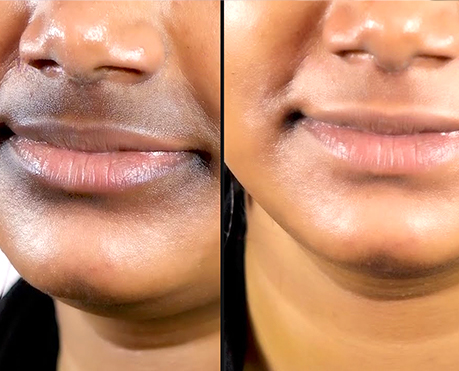
How to Reduce Pigmentation Around the Mouth
Discover simple and effective ways to reduce pigmentation around the mouth using brightening ingredients and professional treatments.

Dark skin around the face is a common skin problem that can affect people of all skin types and tones. May appear as dark marks. Uneven skin tone or changed skin color This often leads to a lack of confidence. Reducing pigmentation in this area requires skin care.
lifestyle changes and a greater understanding of the underlying causes. In this comprehensive guide We’ll explore ways to reduce pigmentation across the face and restore skin for a more even, glowing appearance.
Understanding Pigmentation Around the Mouth
Dark skin occurs when too much melanin is produced. which is a natural pigment responsible for skin color When there is excess melanin production in certain areas of the skin. will cause black marks which cause dark spots or blemishes. The condition can be more pronounced in sensitive areas such as the face. Because the skin is thinner and more exposed to external factors.
Causes of Pigmentation Around the Mouth
There are many causes of dark skin on the face. And understanding these causes is essential for effective treatment. Some common causes include:
Sun exposure: Ultraviolet (UV) rays from the sun can stimulate melanin production as a protective mechanism. cause dark spots Especially in areas exposed to sunlight.
Hormonal changes: Fluctuations in hormone levels. Especially during pregnancy or birth control. It can lead to a condition called melasma. Which causes dark skin all over the face.
Inflammation: Post-inflammatory hyperpigmentation (PIH) can occur after acne, cuts, or other skin injuries. Resulting in dark spots all over the face.
Lifestyle factors: Smoking, poor diet And dehydration can result in uneven skin tone and skin problems. Allergic reactions: Some skin care products or cosmetics can cause irritation and discoloration of the face if they are not suitable for your skin type.
Effective Ways to Reduce Pigmentation Around the Mouth
1. Sun Protection is Key
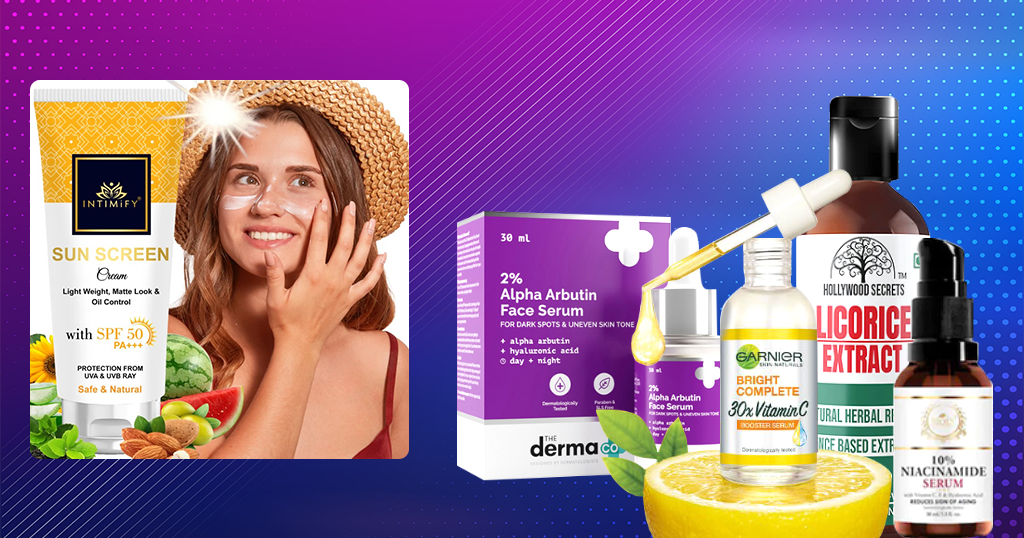
One of the most effective ways to prevent and reduce pigmentation around the mouth is to protect your skin from the sun. Exposure to UV rays stimulates melanin production, which worsens pigmentation. To minimize sun damage:
a. Use a broad-spectrum sunscreen with at least SPF 30 daily, even on cloudy days. Look for sunscreens that protect against both UVA and UVB rays.
b. Reapply sunscreen every 2 hours when spending time outdoors.
c. Wear a wide-brimmed hat or use an umbrella to reduce direct sun exposure on your face.
2. Incorporate Brightening Ingredients into Your Skincare Routine
There are several effective skincare ingredients that help fade pigmentation and brighten the skin around the mouth. Some of the most effective ingredients include:
a. Vitamin C: A potent antioxidant, vitamin C can inhibit melanin production, brighten dark spots, and promote collagen production.
b. Niacinamide: This form of vitamin B3 helps to reduce pigmentation by slowing down melanin transfer to the skin’s surface.
c. Alpha Arbutin: A natural extract derived from bearberry plants, alpha arbutin is known for its ability to lighten hyperpigmentation and even out skin tone.
d. Licorice Extract: Contains a compound called glabridin, which inhibits melanin production and helps reduce pigmentation.
e. Retinoids: These vitamin A derivatives increase cell turnover, helping to fade dark spots over time and prevent further pigmentation.
f. Kojic Acid: Derived from fungi, kojic acid reduces pigmentation by inhibiting tyrosinase, an enzyme involved in melanin production. It is effective at brightening dark spots and evening skin tone.
g. Tranexamic Acid: Initially used for treating blood clots, tranexamic acid is now popular in skincare for reducing melanin production. It effectively treats melasma and post-inflammatory hyperpigmentation, making it ideal for addressing pigmentation around the mouth.
3. Exfoliate Regularly
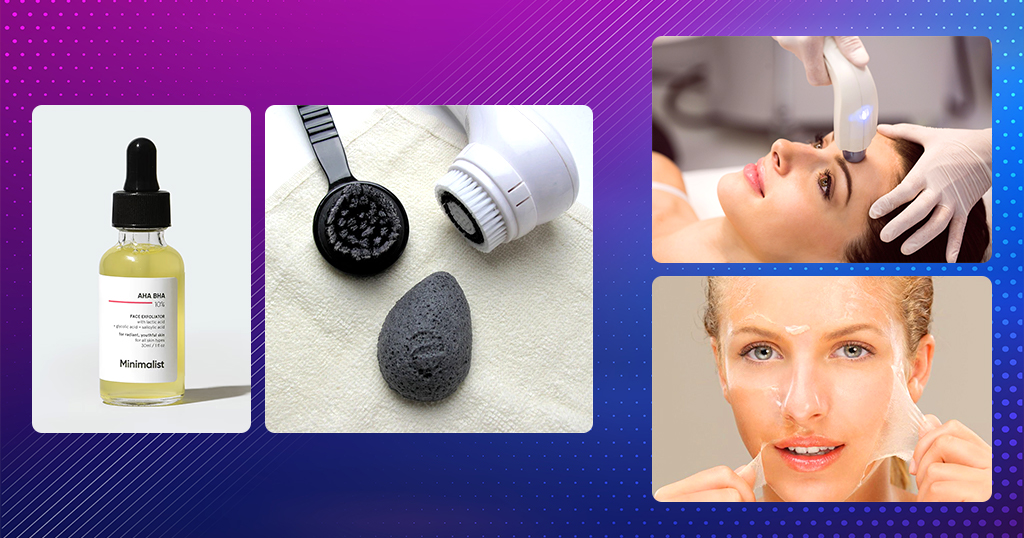
Regular exfoliation helps to remove dead skin cells and allows for better absorption of brightening products. Exfoliating also accelerates skin cell turnover, helping to fade pigmentation. Opt for gentle exfoliation methods to avoid irritation:
a. Chemical exfoliants like AHAs (alpha-hydroxy acids) and BHAs (beta-hydroxy acids) are ideal for brightening and improving skin texture without being too abrasive.
b. Physical exfoliants like scrubs should be used with caution to avoid damaging the delicate skin around the mouth.
4. Laser Treatments and Chemical Peels
For more stubborn pigmentation, professional treatments like laser therapy and chemical peels can deliver faster, more noticeable results.
a. Laser Therapy: Lasers target and break down melanin in the skin. Treatments like Q-switched lasers or fractional lasers are particularly effective for treating pigmentation around the mouth.
b. Chemical Peels: A professional-grade chemical peel using acids like glycolic acid or salicylic acid can remove the top layer of skin, revealing fresher, more even-toned skin beneath.
5. Topical Prescription Medications
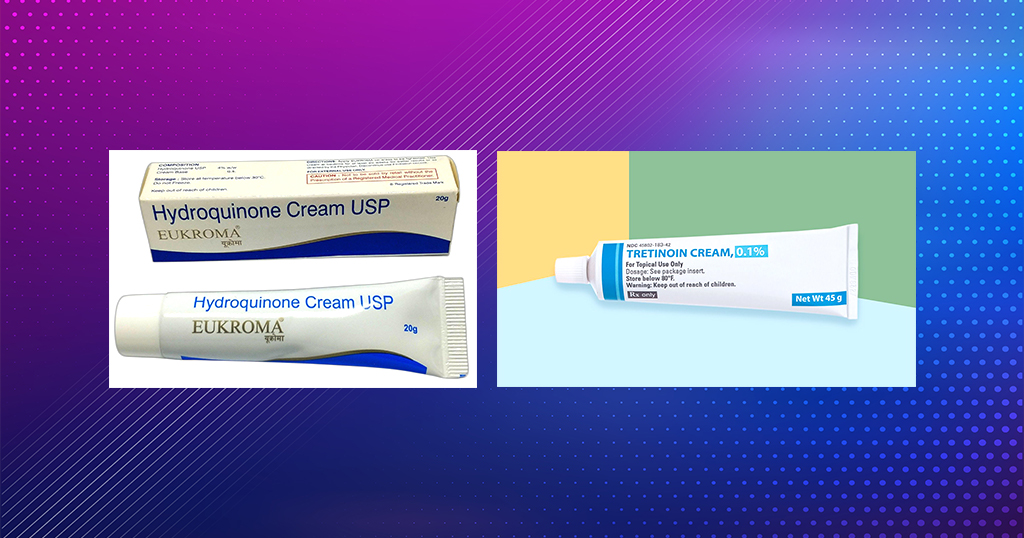
In some cases, your dermatologist may prescribe topical treatments to help reduce pigmentation. These medications often contain stronger concentrations of active ingredients:
a. Hydroquinone: One of the most effective skin-lightening agents, hydroquinone inhibits melanin production and is available in prescription-strength formulas.
b. Tretinoin: A form of retinoid, tretinoin accelerates cell turnover and helps fade hyperpigmentation more quickly.
6. Home Remedies for Mild Pigmentation
While professional treatments are often the most effective, certain home remedies can help lighten mild pigmentation around the mouth. Some popular remedies include:
a. Lemon Juice: Rich in vitamin C, lemon juice can help brighten the skin and reduce dark spots. Apply diluted lemon juice to the affected area, leave it on for 10 minutes, and rinse off.
b. Aloe Vera Gel: Aloe vera contains compounds like aloesin, which may inhibit melanin production and lighten pigmentation.
c. Turmeric: Turmeric has anti-inflammatory and skin-brightening properties. Mix turmeric with milk or yogurt to create a paste, apply it to the pigmentation, and rinse off after 15 minutes.

7. Maintain a Healthy Lifestyle
A well-rounded lifestyle supports overall skin health, reducing the likelihood of pigmentation:
a. Stay Hydrated: Drinking plenty of water keeps your skin hydrated and promotes a healthy, even complexion.
b. Eat a Balanced Diet: Include foods rich in antioxidants, like fruits and vegetables, which help fight free radicals and prevent skin damage.
c. Avoid Smoking: Smoking depletes oxygen and nutrients from your skin, leading to premature aging and uneven skin tone.

When to See a Dermatologist
If over-the-counter products and home remedies do not produce the desired results It’s time to consult a dermatologist. They may recommend treatments such as chemical peels.
laser treatment or prescription-strength creams to effectively reduce melanin production, in addition, if dark skin is accompanied by other symptoms such as inflammation or itching. It is necessary to get expert advice to rule out hidden conditions.
Why Choose Our Doctor Hanan for Mouth Pigmentation Treatment?
1. Special expertise and specialized treatment
Dr. Hanan specializes in skin pigmentation. It provides tailored treatments such as topical medications (Alpha Arbutin, kojic acid and tranexamic acid), laser therapy. and peeling the skin with chemicals To effectively deal with the problem of dark skin on the face.
2. Holistic and patient-centered approach
Focused on immediate results and long-term skin health, Dr. Hanan offers comprehensive skin care advice and preventative measures. This ensures a personalized experience that prioritizes your specific needs.
3. Proven results in a safe environment
Our clinic has a history of satisfied patients. Thankfully, safe and effective treatments are performed in a clean and comfortable atmosphere by the doctors. Because of Hanan’s determination Feel a noticeable improvement in your skin tone and regain your confidence!
For expert treatment of mouth pigmentation, choose Dr. Hanan for her specialized skills and patient-focused care. Schedule your consultation today!
Conclusion
A regular skin care routine to reduce pigmentation all over the face. Sun protection And professional treatment for severe cases may require brightening ingredients.
Exfoliating the skin regularly and considering laser or chemical treatments to make the skin tone more even. Always remember to protect your skin from UV damage. and maintain a healthy lifestyle to support long-term results.
FAQ’S
Pigmentation can result from sun exposure, hormonal changes, post-inflammatory hyperpigmentation, and certain medical conditions.
Effective treatments include topical creams with hydroquinone, kojic acid, or tranexamic acid, as well as chemical peels and laser therapy.
Prevent further pigmentation by using a broad-spectrum sunscreen, maintaining a gentle skincare routine, and consulting a dermatologist for personalized advice.
Table of Contents
Skincare Routine for Men: A Guide to Healthy Skin
Discover an easy-to-follow skincare routine for men that ensures clear, healthy skin. Get tips for cleansing, moisturizing, and more.
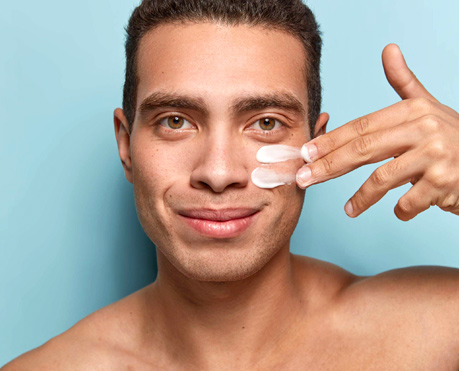
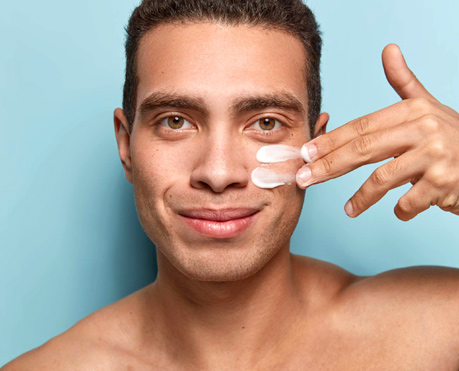
When it comes to maintaining a fresh and youthful appearance, skincare should be a priority for everyone, regardless of gender. However, men’s skincare often takes a backseat, leading to premature aging, dryness, and other skin concerns.
Men’s skin, due to its unique characteristics—thicker texture, larger pores, and increased oil production—requires a customized routine that addresses specific issues.
In this article, we’ll break down the essential steps in a skincare routine tailored specifically for men, ensuring that your skin looks its best.
Why Men Need a Skincare Routine
Men’s skin is biologically different from women’s and requires special care. This is due to higher testosterone levels, Men tend to produce more oil and have thicker skin and more clogged pores.
So, a proper skincare routine not only prevents breakouts and irritation. But it also helps fight signs of aging. Including wrinkles and fine lines. Investing time in skin care will lead to radiant skin, smoother, and increased confidence.
Step 1: Cleansing – The Foundation of Any Routine
Cleansing is the cornerstone of any good skin care plan. Men have larger pores. This allows more dirt and oil to accumulate.
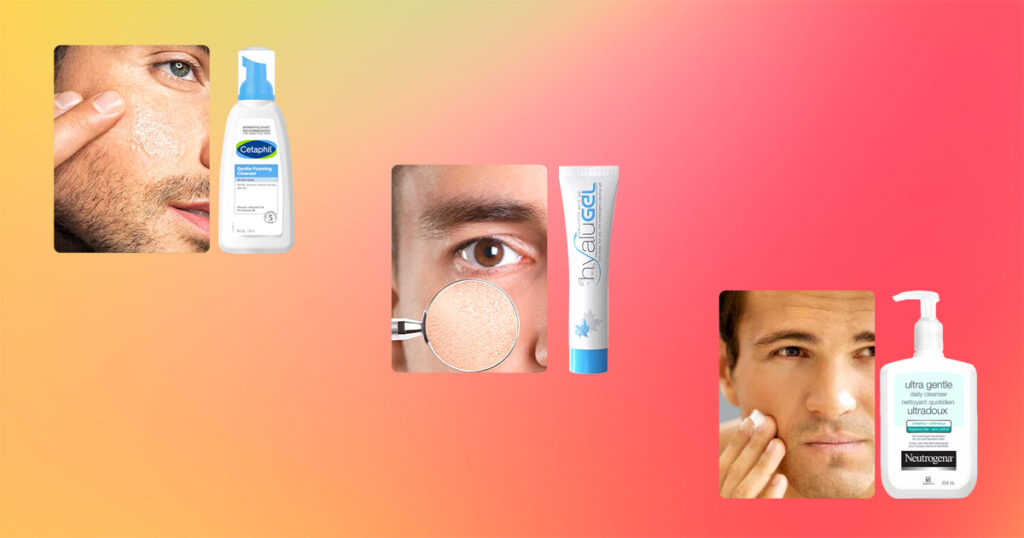
It’s important to use a gentle facial cleanser to remove impurities without stripping essential oils from the skin. Choose the right cleanser for your skin type:
a. Oily skin: Choose a foam or gel cleanser that controls excess oil.
b. Dry skin: Moisturizing cleansers with ingredients like hyaluronic acid or glycerin are best.
c. Sensitive Skin: Use a gentle, fragrance-free formula that won’t irritate.
Cleaning twice a day Morning and before bed is the key to removing dirt, sweat, and sebum that accumulates throughout the day.
Step 2: Exfoliation – Remove Dead Skin Cells
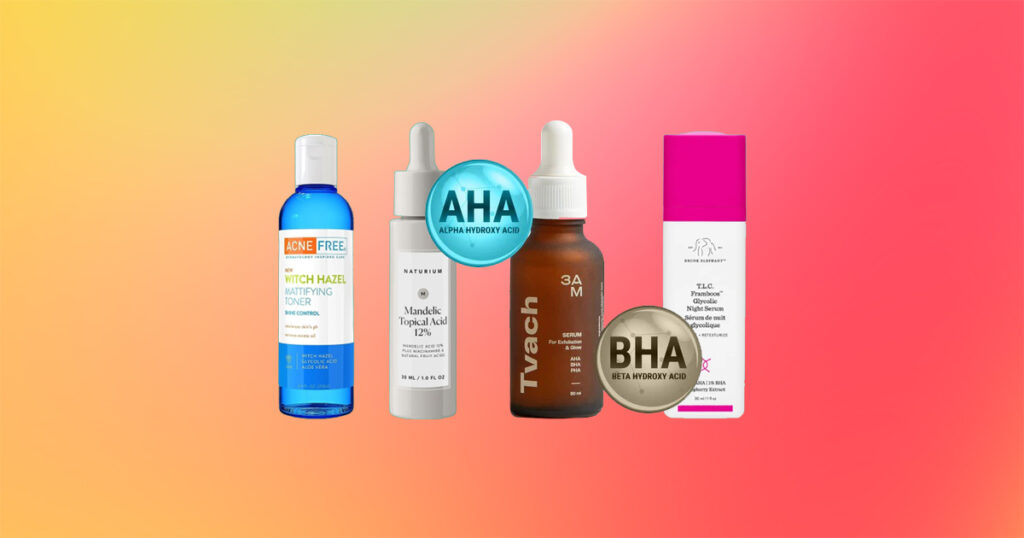
Exfoliating helps remove dead skin cells. Helps new skin reveal the skin. Makes your skin smooth and radiant. Men will benefit from regular shaving as it prevents ingrown hairs and keeps hair follicles from falling out. However, over-shaving can cause irritation. Therefore, water should be exfoliated 2-3 times a week.
Use a gentle scrub or chemical exfoliator that contains ingredients like salicylic acid or alpha hydroxy acids (AHA). These ingredients penetrate deep into the skin to unclog pores. Shrink pores, prevent acne and remove dead cells. Focus on your T-zone, which tends to have the highest oil production.
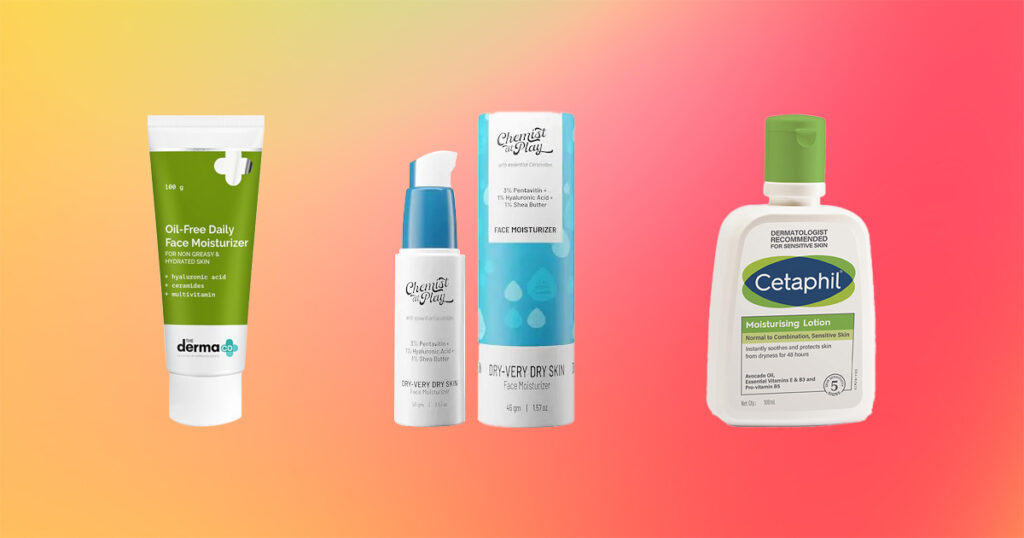
Step 3: Moisturizing – Lock in Hydration
After cleaning the skin It is important to exfoliate and rehydrate the skin. Moisturizers will disturb the skin. Retain moisture and make your skin smooth and healthy. Choosing the right moisturizer for men depends on their skin type:
a. Oily skin: Choose a non-oil or gel moisturizer that hydrates without adding shine.
b. Dry Skin: Enriched with ingredients like ceramides and shea butter. The creamy formula nourishes and repairs dry and flaky skin.
c. Normal/combination skin: A light lotion or cream will balance this without being too greasy.
Use moisturizer twice a day to maintain skin elasticity and reduce the appearance of wrinkles.
Step 4: Sun Protection – Shield from Harmful UV Rays
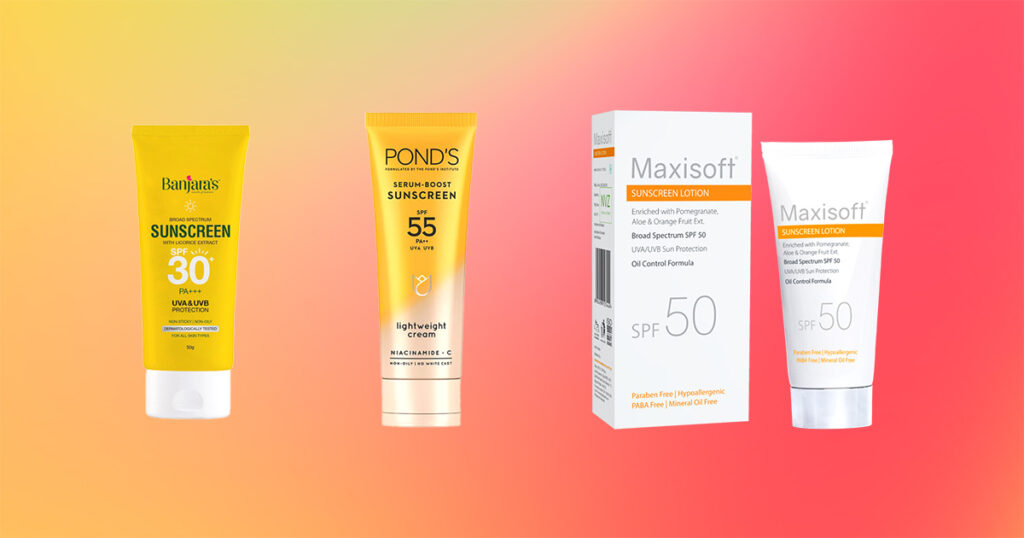
One of the most important, yet often neglected, steps in any skincare routine is sun protection. UV rays are a leading cause of premature aging, dark spots, and even skin cancer. Applying a broad-spectrum sunscreen with an SPF of at least 30 should be a non-negotiable step in your morning routine. Even on cloudy days or during winter, UV rays can penetrate the skin, leading to long-term damage.
Choose a lightweight sunscreen that won’t clog your pores or leave a greasy residue. For those with oily or acne-prone skin, opt for an oil-free formula. Many moisturizers come with built-in SPF, making it easy to incorporate into your routine.
Step 5: Targeted Treatments – Address Specific Skin Concerns
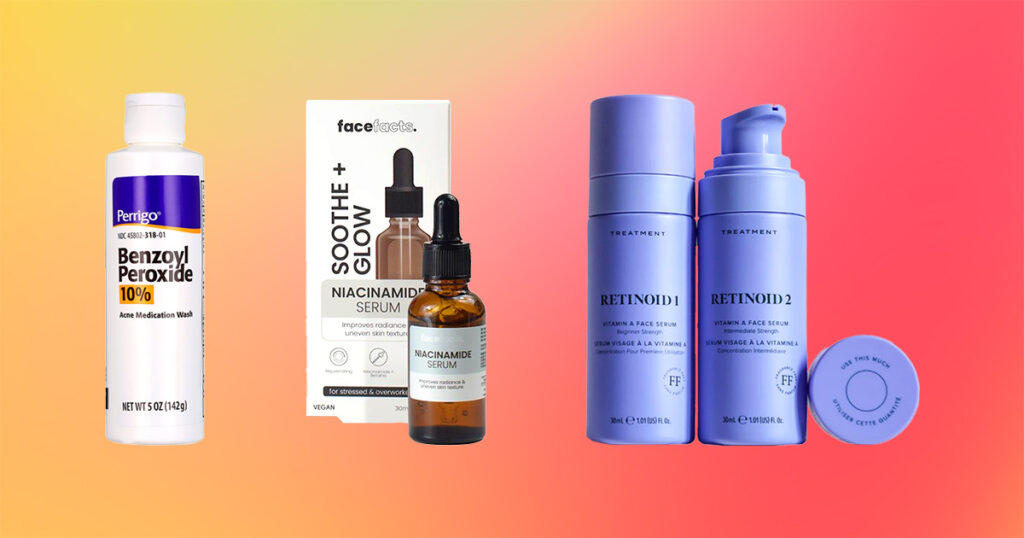
Everyone’s skin is unique. And sometimes your skin needs extra care. Whether you’re battling acne, hyperpigmentation, or wrinkles, integrating targeted treatments into your daily routine can dramatically improve your skin’s health.
a. For acne: Products containing benzoyl peroxide or salicylic acid help clear scars and prevent future breakouts.
b. For hyperpigmentation: Look for treatments that contain vitamin C, niacinamide, or retinol to reduce dark spots and even out skin tone.
c. For anti-aging: Products containing retinoids, peptides, or collagen can be used to reduce the appearance of fine lines and wrinkles, making the skin look younger.
Use these treatments after cleansing and before moisturizing. so that the active ingredients can be fully absorbed into your skin
Step 6: Eye Cream – Tackle Dark Circles and Puffiness
The skin around the eyes is delicate and often shows signs of aging, such as dark circles, puffiness, and wrinkles. A good eye cream targets these concerns. Providing hydrating and firming benefits, ingredients such as caffeine, hyaluronic acid, and peptides are especially effective at brightening the under-eye area and reducing puffiness.
Use your ring finger to apply a small amount of eye cream, patting gently around the bone to avoid pulling on the delicate skin.

Step 7: Night-Time Routine – Repair While You Sleep
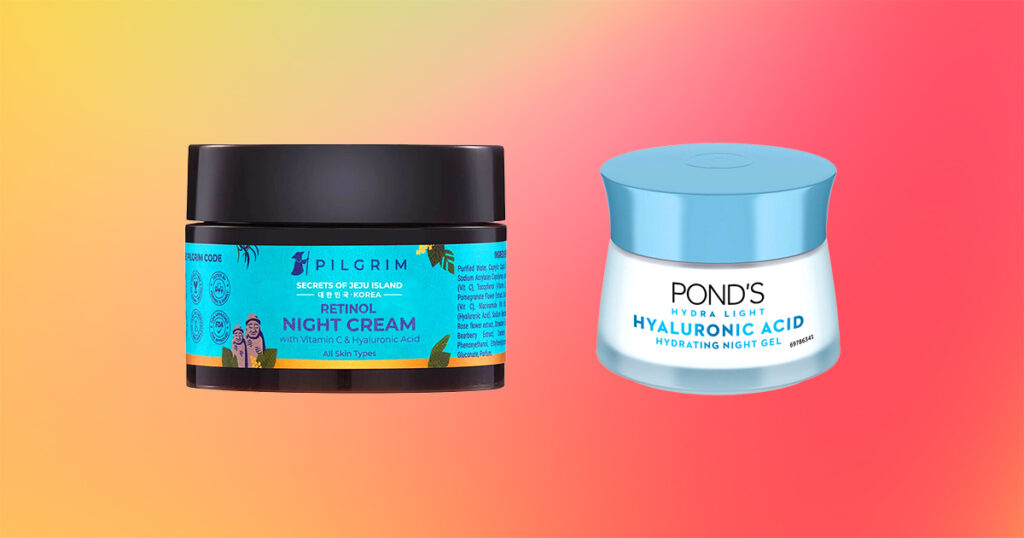
At night, your skin goes into repair mode, making it the perfect time to apply more potent treatments. After cleansing and moisturizing, consider incorporating a night cream or overnight mask that’s richer and more nourishing than your daytime products.
Products containing retinol or hyaluronic acid can help repair damaged skin and boost collagen production, leaving you with smoother, firmer skin by morning.
Why Choose Dr. Hanan for the Best Skincare Routine for Men
When it comes to developing an effective skincare routine for men, Dr. Hanan stands out as a trusted expert. Here’s why you should choose Dr. Hanan for your skincare needs:
1. Specialized Expertise
Dr. Hanan understands that men’s skin has unique characteristics, such as increased oiliness and thicker texture. With extensive experience in male skincare, Dr. Hanan tailors treatments to address issues like acne, oil control, and aging.
2. Customized Solutions
Recognizing that every man’s skin is different, Dr. Hanan offers personalized skincare regimens tailored to your specific skin type and concerns, ensuring effective results.
3. Advanced Technology
Utilizing the latest skincare technology and medical-grade products, Dr. Hanan incorporates innovative solutions, including chemical peels and laser therapies, for optimal skin health.
4. Comprehensive Care
From managing acne to reducing hyperpigmentation, Dr. Hanan provides a wide range of treatments, ensuring every aspect of your skincare routine is covered.
5. Holistic Approach
Dr. Hanan promotes a holistic approach to skincare, offering advice on lifestyle habits, diet, and sun protection to enhance your skin’s health.
6. Trusted by Male Clients
With a solid reputation and numerous satisfied clients, Dr. Hanan is recognized for delivering exceptional, tailored care for men’s skincare needs.
For men seeking effective skincare, Dr. Hanan offers expert guidance and personalized treatments to help you achieve your best skin.
Additional Tips for Men’s Skincare
1. Shaving with Care: Use a sharp razor and shaving cream to avoid irritation and ingrown hairs. Always follow up with a soothing aftershave or balm to calm the skin.
2. Hydration: Drinking plenty of water helps keep your skin hydrated from the inside out.
3. Diet: A diet rich in antioxidants, vitamins, and healthy fats can improve skin quality. Foods like leafy greens, nuts, and fatty fish are great for boosting skin health.
Conclusion
Skincare doesn’t have to be complicated. Following this comprehensive skincare routine Men can enjoy brighter, smoother, and healthier skin. With the right products and regular care, you will notice less acne. less irritation and look more youthful. Make these steps a part of your daily diet. And your skin will thank you in the long run.
FAQ’S
A simple routine includes cleansing, moisturizing, and applying sunscreen daily.
Exfoliate 2-3 times a week to remove dead skin cells and prevent clogged pores.
Yes, using sunscreen daily protects the skin from sun damage and aging.