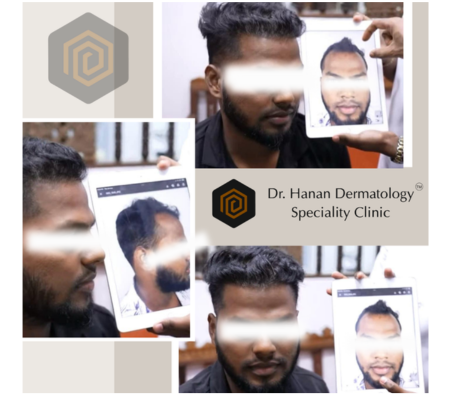
Expert Tips to Choose the Best Hair Transplant result in Chennai

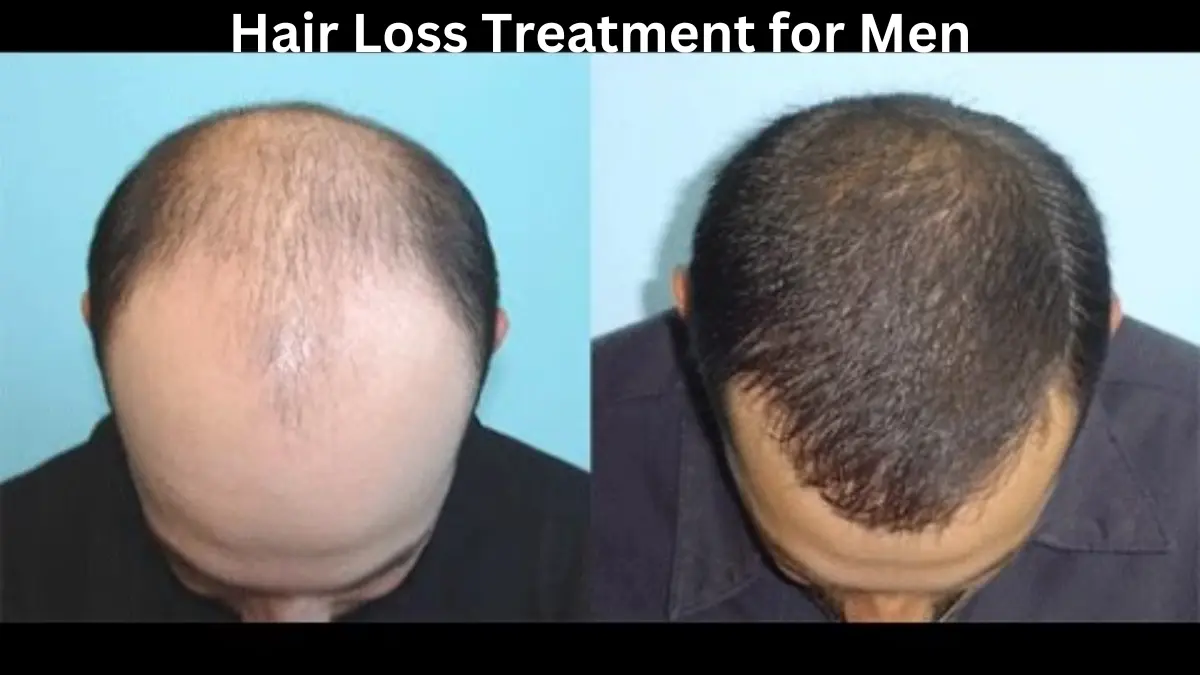
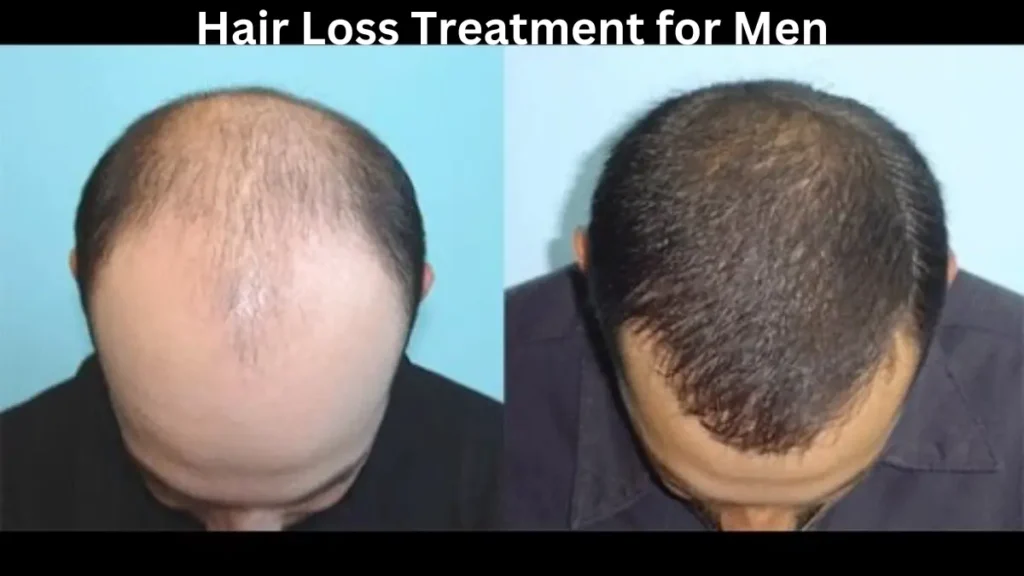
Hair Loss Treatment for Men: Effective Solutions for Hair Regrowth

Hair Loss Treatment for Men: Hair loss is a common concern among men, with around 85% of men experiencing noticeable hair thinning by the time they reach 50. This issue can start much earlier, often in their 20s or 30s. While male-pattern baldness (androgenetic alopecia) is the most common cause, other factors such as stress, diet, and medical conditions can contribute to hair loss. Fortunately, there are several effective treatments available to help men regain their confidence and prevent further hair thinning. In this article, we’ll explore the causes of hair loss in men, the best treatment options, and lifestyle changes to help keep your hair healthy.
Book Your Consultation Today
Visit Dr. Hanan Dermatology Specialty Clinic in Padur, OMR, Chennai. Schedule your consultation today and start your journey to fuller, healthier hair.
For more information and to book your appointment, visit our clinic or call us at the clinic’s contact details.
Hair Loss Treatment for Men: Effective Solutions for Hair Regrowth
Understanding Hair Loss in Men

What Causes Hair Loss?
Hair loss in men typically results from male-pattern baldness, a hereditary condition influenced by genetics and hormones. The hormone dihydrotestosterone (DHT) plays a key role in shrinking hair follicles, eventually preventing hair from growing. While male-pattern baldness is inevitable for many men, other causes of hair loss include:
- Hormonal imbalances: Changes in testosterone and other hormones can accelerate hair thinning.
- Stress: Physical or emotional stress can lead to temporary hair shedding known as telogen effluvium.
- Nutritional deficiencies: A lack of essential nutrients like protein, iron, and vitamins can weaken hair.
- Medical conditions: Thyroid issues, alopecia areata, and scalp infections may also contribute to hair loss.
Common Types of Hair Loss
Hair loss can manifest in several ways:
- Receding hairline: A gradual retreat of hair along the temples or forehead.
- Thinning crown: A thinning patch that begins at the top of the scalp and spreads.
- Full bald spots: Larger areas of hair loss, often at the crown or the top of the head.
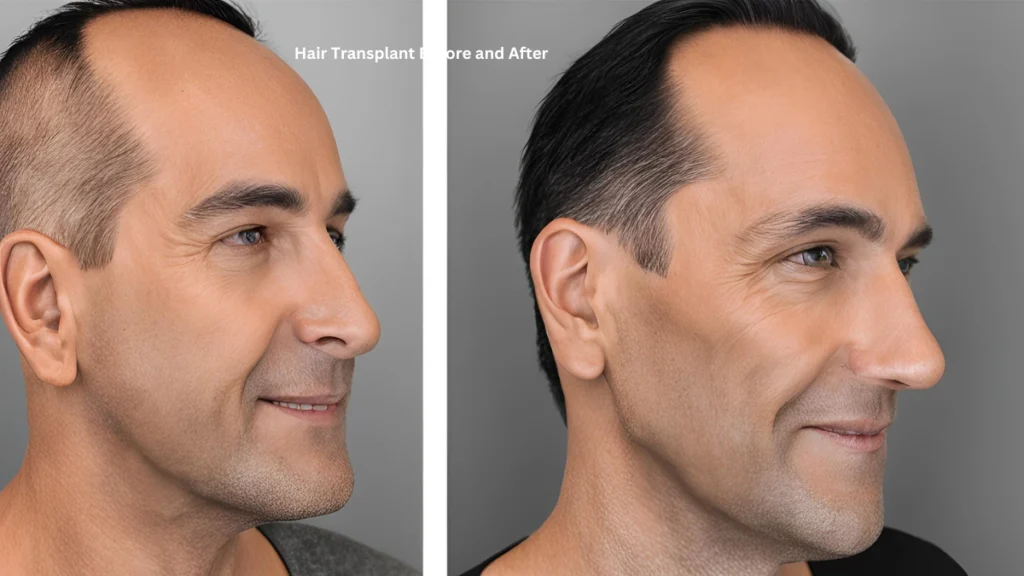
Read more: Hair Transplant Before and After
Non-Surgical Treatments for Hair Loss

1. Medications
For many men, medications offer the best solution to slow down or reverse hair loss.
- Minoxidil (Rogaine): This FDA-approved over-the-counter treatment is applied topically to the scalp. It works by stimulating hair follicles, encouraging new hair growth, and slowing further hair loss. Minoxidil is suitable for men with mild to moderate hair loss. However, it requires ongoing use—discontinuing treatment results in the return of hair loss.
- Finasteride (Propecia): This prescription pill works by inhibiting DHT, the hormone responsible for hair follicle shrinkage. Finasteride can help men regrow hair, particularly at the crown or along the hairline. However, it can have side effects, including a decrease in libido, and is not suitable for women.
2. Platelet-Rich Plasma (PRP) Therapy
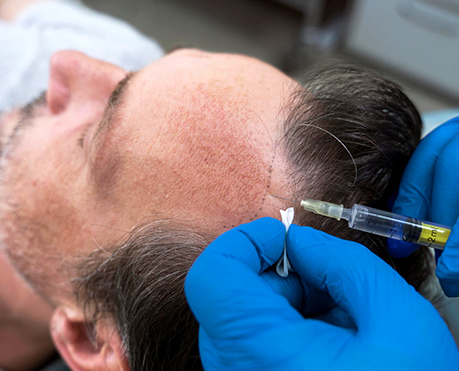
PRP therapy involves extracting platelets from your blood and injecting them into the scalp to stimulate hair growth. The growth factors in platelets encourage the regeneration of hair follicles. PRP is a non-invasive treatment that works well for men experiencing hair thinning. Results can take several months to become noticeable, and multiple sessions are often needed.
3. Low-Level Laser Therapy (LLLT)
Laser therapy uses low-level lasers to stimulate hair follicles and increase blood circulation to the scalp. It’s a non-invasive procedure that can be performed at home using laser combs or helmets. LLLT has shown positive results in promoting hair growth, although results can vary from person to person.
4. Hair Growth Shampoos and Conditioners
Specially formulated shampoos and conditioners can add volume to thinning hair. Look for products containing ingredients like biotin, caffeine, or ketoconazole. While these products may not regrow hair, they can help manage thinning hair by improving scalp health and reducing hair breakage.
Read more: Best Hair Transplant Center in Chennai 2024
Surgical Solutions for Hair Loss
1. Hair Transplant Surgery
Hair transplants are a permanent solution for severe hair loss. During the procedure, healthy hair follicles are moved from the back or sides of the scalp to the thinning or balding areas. There are two main types of hair transplants:
- FUT (Follicular Unit Transplantation): A strip of scalp is removed, and hair follicles are transplanted to the balding areas.
- FUE (Follicular Unit Extraction): Individual hair follicles are extracted and transplanted, leaving minimal scarring.
While hair transplants provide long-lasting results, they are expensive and may require multiple sessions.
2. Scalp Micropigmentation
Scalp micropigmentation (SMP) is a non-surgical treatment that involves tattooing tiny dots of pigment onto the scalp to create the appearance of fuller hair. It’s ideal for men with shaved or closely cropped hair. While it doesn’t restore hair, it can help improve the appearance of a receding hairline or thinning crown.
3. Hairpieces and Wigs
For those looking for immediate results, hairpieces and wigs are an option. Advances in hairpiece technology mean that they can look incredibly natural, though they do require regular maintenance and can be costly over time.
Lifestyle Changes to Prevent or Slow Down Hair Loss
1. Diet and Nutrition
A well-balanced diet is essential for maintaining healthy hair. Ensure you’re getting enough of the following nutrients:
- Iron: A deficiency can lead to hair shedding.
- Vitamin D: Crucial for follicle health.
- Biotin: Supports hair growth and strength.
- Omega-3 fatty acids: Help maintain healthy scalp circulation.
Avoid excessive consumption of vitamin A and processed foods, as these can contribute to hair thinning.
2. Stress Management
Chronic stress can lead to hair loss, so it’s important to manage stress through relaxation techniques such as yoga, meditation, or regular exercise. These practices not only benefit your mental health but also promote healthy hair growth.
3. Proper Hair Care Routine
Treat your hair gently to prevent damage. Avoid harsh chemicals, excessive heat styling, and tight hairstyles that can cause breakage. Wash your hair regularly with a gentle shampoo, and use a conditioner to keep it hydrated.
Myths and Misconceptions About Hair Loss Treatments
Many myths surround hair loss and treatments. It’s important to separate fact from fiction:

- Myth: Wearing hats causes hair loss. Fact: Hats do not cause hair loss, though tight-fitting hats may lead to traction alopecia.
- Myth: Hair loss treatments work instantly. Fact: Most treatments require time to show results, and consistency is key.
How to Choose the Right Treatment for You

Selecting the right hair loss treatment depends on various factors such as your age, the stage of hair loss, and your budget. Non-surgical treatments like minoxidil and finasteride are often the first options to explore, while surgical solutions like hair transplants may be considered for more severe cases. Always consult with a dermatologist or hair restoration expert to determine the best course of action based on your individual needs.
Read more: Hair Replacement in Chennai Top Clinics, Methods & Cost 2025
Conclusion
Hair loss is a natural part of aging for many men, but it doesn’t have to mean the end of your hair. With various treatment options available, from medications and therapies to surgical solutions, there’s hope for those looking to regain their hair and confidence. Start early, stay consistent with your treatment plan, and make lifestyle changes to maintain healthy hair for as long as possible.
Remember, whether you choose non-surgical treatments or surgical options, the key is finding a solution that works for you. Hair loss doesn’t define you—take control of your hair health and feel confident at any stage of life.
FAQs
What is the most effective treatment for male-pattern baldness?
The most effective treatments for male-pattern baldness are medications like Minoxidil (Rogaine) and Finasteride (Propecia). Minoxidil is an over-the-counter topical treatment that helps stimulate hair growth, while Finasteride is an FDA-approved oral medication that inhibits DHT (dihydrotestosterone), the hormone responsible for hair follicle shrinkage. Both treatments are most effective when used early, and results can vary from person to person.
How long does it take for hair loss treatments to show results?
Hair loss treatments typically take 3 to 6 months to show visible results. With Minoxidil, it may take up to 4 months to start seeing new hair growth. Finasteride generally requires at least 3 to 6 months to begin slowing hair loss and promoting hair regrowth. Patience and consistent use are crucial for achieving optimal results.
Are hair transplants worth the cost?
Hair transplants can be a permanent solution for severe hair loss, but they are expensive, with costs often ranging from ₹50,000 to ₹1,50,000 or more depending on the procedure type (FUT or FUE) and the number of grafts required. They offer natural-looking results and can provide a long-lasting solution for hair restoration. However, multiple sessions may be needed, and there’s always the risk of complications. It’s essential to consult with a certified hair transplant surgeon to determine if you’re a good candidate.
Do PRP (Platelet-Rich Plasma) injections work for hair regrowth?
PRP therapy has been shown to be effective for many men experiencing hair thinning. It involves injecting your own platelets into the scalp to stimulate hair growth. While it is a non-invasive option with minimal downtime, multiple sessions are often required for noticeable results, and it may not be suitable for everyone. PRP works best for men in the early stages of hair loss or those with thinning hair.
Can lifestyle changes help prevent hair loss?
Yes, adopting a healthy lifestyle can significantly help prevent or slow down hair loss. Key changes include:
- Eating a balanced diet rich in vitamins, iron, and protein to nourish the hair follicles.
- Managing stress through relaxation techniques like yoga or meditation.
- Using gentle hair care products and avoiding excessive heat or tight hairstyles.
Although lifestyle changes may not reverse male-pattern baldness, they can help maintain the health of your hair and slow down further thinning.
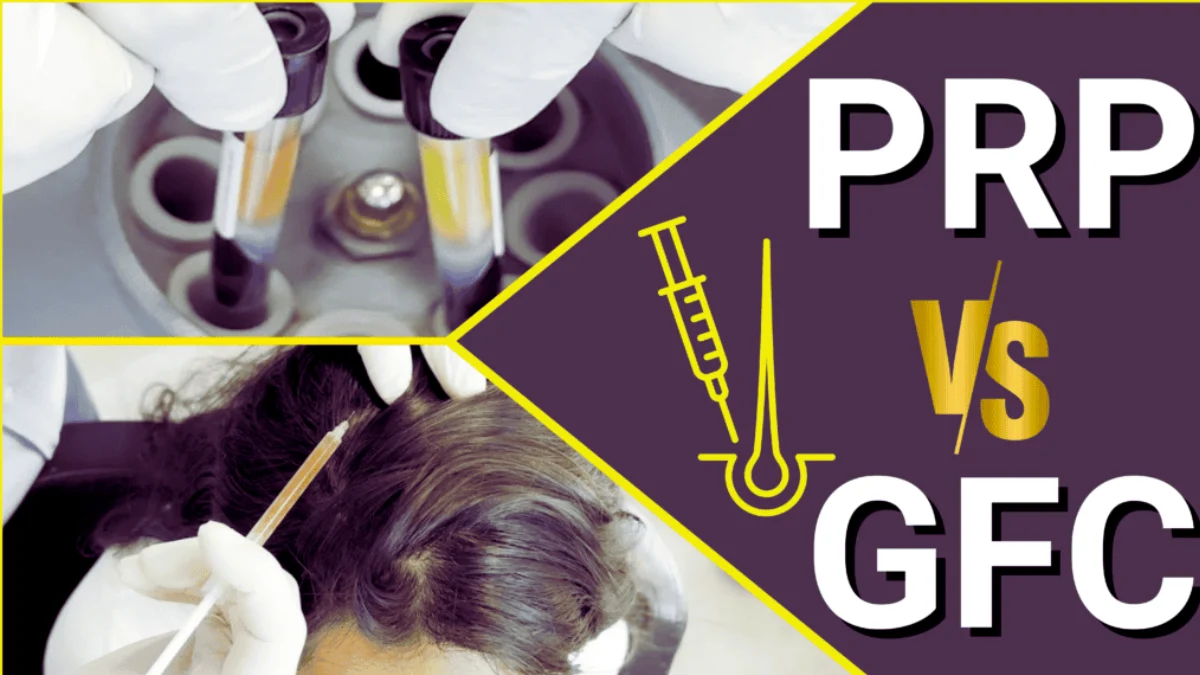
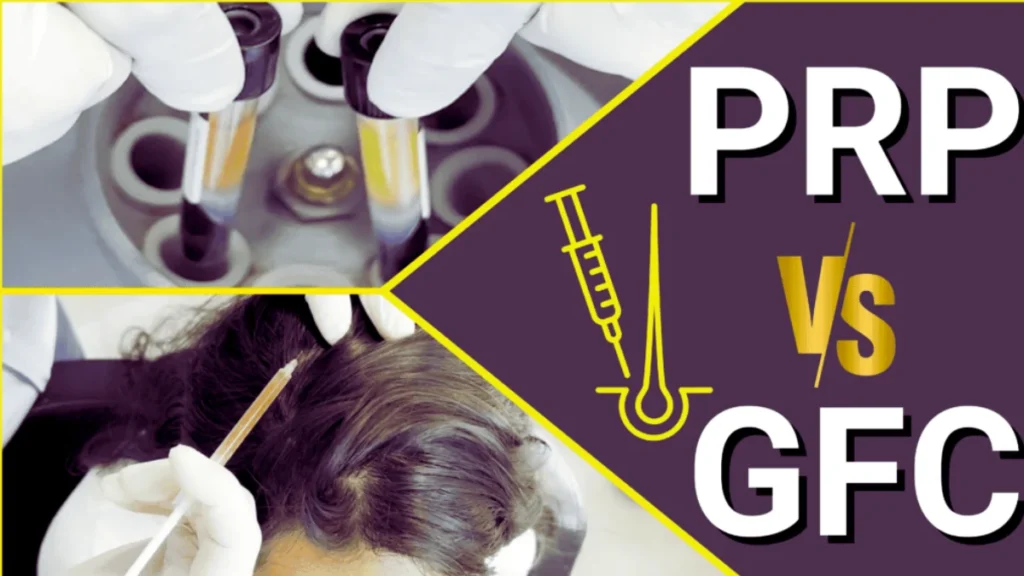
PRP vs GFC Hair Treatment in Chennai: Which is Best for Hair Regrowth?

PRP vs GFC Hair Treatment in Chennai: Hair loss is a common concern that affects millions of people worldwide, and finding an effective solution is crucial. For those considering a hair transplant in Chennai, combining advanced treatments like PRP (Platelet-Rich Plasma) and GFC (Growth Factor Concentrate) has become a popular approach. These treatments can significantly enhance the results of your hair restoration journey by promoting hair regrowth and improving the overall health of your hair follicles. In this guide, we’ll explore how PRP and GFC can boost the success of your hair transplant in Chennai and help you achieve the desired results.
Book Your Consultation Today
Visit Dr. Hanan Dermatology Specialty Clinic in Padur, OMR, Chennai. Schedule your consultation today and start your journey to fuller, healthier hair.
For more information and to book your appointment, visit our clinic or call us at the clinic’s contact details.
PRP vs GFC Hair Treatment in Chennai: Which is Best for Hair Regrowth?
What is a hair transplant?
A hair transplant is a surgical procedure that involves moving hair follicles from one area of the scalp (usually the back or sides) to thinning or balding areas. The two most common types of hair transplant techniques are:
- FUE (Follicular Unit Extraction): A minimally invasive technique where individual hair follicles are extracted and transplanted.
- FUT (Follicular Unit Transplantation): Involves removing a strip of scalp and dissecting it into follicular units for transplantation.
Hair transplants are popular because they offer long-lasting, natural-looking results. When combined with treatments like PRP and GFC, the healing process is accelerated, and the overall effectiveness is enhanced.
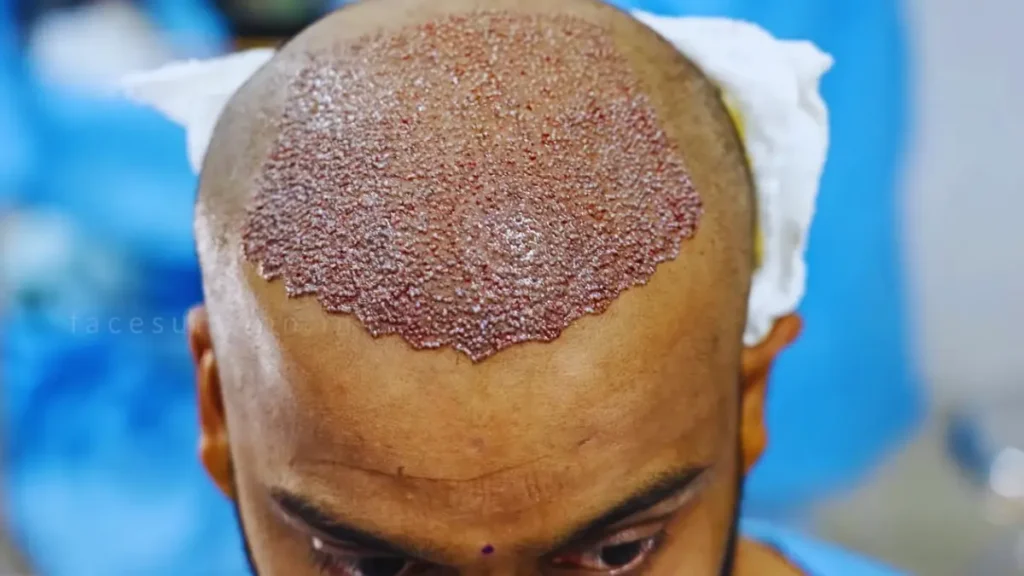
PRP and GFC: Tied Plan Overview
When opting for both treatments as part of a tied plan, the idea is to combine the regenerative benefits of both therapies to boost hair growth. Often, clinics offer bundled packages where both PRP and GFC treatments are included in a series of sessions to achieve enhanced results.
Key Points of a Tied Plan for PRP & GFC:
- Combination of Benefits:
- PRP uses your blood’s plasma enriched with platelets to stimulate hair follicles, encouraging hair growth.
- GFC (a more advanced form of PRP) is derived from a more concentrated portion of the blood, specifically the growth factors, which are then injected into the scalp to accelerate hair restoration.
- Session Plan:
- Typically, a tied plan will include multiple sessions of both treatments spaced out over a few months, with follow-up sessions (booster sessions) to maintain results.
- Cost Effectiveness:
- Opting for both therapies in a tied plan can often be more cost-effective than paying for each treatment separately.
Avid Treatment (Post-Treatment Care) and Waiting Period
Avid refers to the aftercare needed post-treatment. This could involve using products that support hair regrowth and maintain the health of the scalp.
- Post-Treatment Care for PRP and GFC:
- Avoid sun exposure: Direct sunlight can irritate the scalp after these treatments.
- No strenuous exercise: Avoid sweating or any activity that might cause scalp irritation in the first few days.
- Avoid hair washing: Typically, patients are advised to avoid washing their hair for at least 24-48 hours after both PRP and GFC treatments.
- Use prescribed shampoos: Your dermatologist may recommend gentle, medicated shampoos for aftercare.
How Many Days to Wait Between PRP and GFC Treatments?
If you plan to undergo both PRP and GFC treatments, here’s the general waiting period between sessions:
- GFC After PRP: You typically have to wait 3 to 4 weeks after a PRP session before starting GFC treatment. This allows your scalp to heal from the initial PRP procedure and gives time for the growth factors to start working.
- PRP After GFC: Similarly, if you start with GFC, it’s recommended to wait around 3 to 4 weeks before undergoing PRP to prevent any potential overlap in recovery time and to maximize the effectiveness of each treatment.
This allows the full benefits of each procedure to manifest before the next one is introduced, ensuring that your hair restoration process is both safe and effective.
In summary, while a combined PRP and GFC treatment plan can provide enhanced results, it’s important to follow the suggested waiting periods and post-treatment care to ensure optimal outcomes. Always consult with your hair restoration specialist for personalized guidance.
| Feature | PRP (Platelet-Rich Plasma) | GFC (Growth Factor Concentrate) |
|---|---|---|
| Source | Uses the patient’s own blood to extract platelets. | Uses the patient’s blood to concentrate growth factors. |
| Concentration | Moderate concentration of platelets and growth factors. | Higher concentration of growth factors compared to PRP. |
| Procedure | Blood is drawn, processed to extract platelets, and injected into the scalp. | Blood is drawn, processed to extract a higher concentration of growth factors, and injected into the scalp. |
| Primary Benefit | Stimulates dormant hair follicles, promotes hair growth. | Accelerates hair follicle regeneration with more potent growth factors. |
| Ideal For | Early stages of hair thinning, hair regeneration. | For faster recovery and more robust hair growth in advanced stages of hair loss. |
| Treatment Duration | Typically requires 3-6 sessions, spaced a few weeks apart. | Generally requires 3-6 sessions, with similar spacing as PRP. |
| Cost | ₹10,000 to ₹20,000 per session | ₹15,000 to ₹30,000 per session |
| Side Effects | Minimal, as it uses the patient’s own blood. | Minimal, also uses the patient’s own blood/cells. |
| Post-Treatment Care | Gentle massage, avoid sun exposure and harsh chemicals. | Similar post-care as PRP, with additional monitoring of progress. |
| Healing Time | Quick recovery, noticeable results within 3-6 months. | Quicker results and slightly faster healing due to the higher concentration of growth factors. |
Understanding PRP (Platelet-Rich Plasma) Treatment
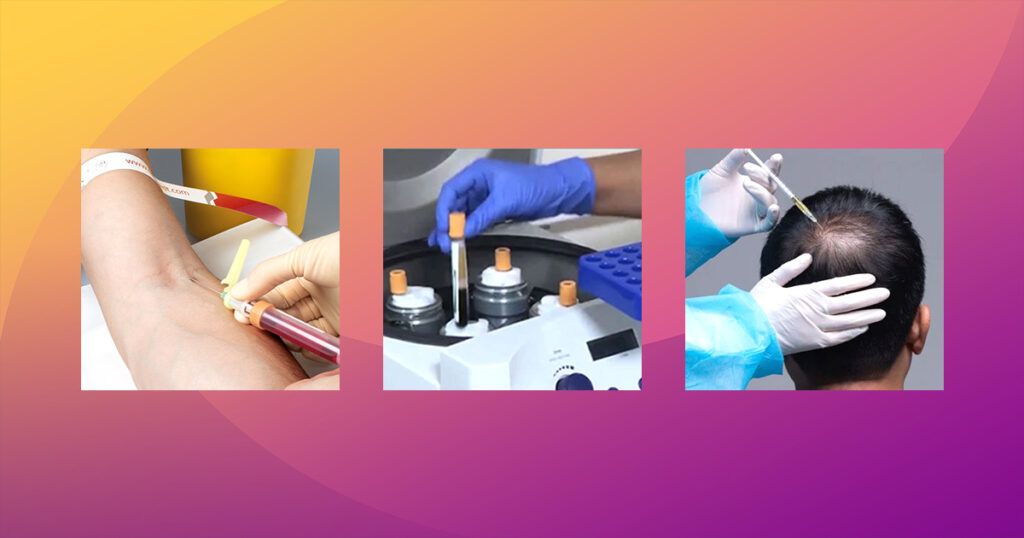
PRP (Platelet-Rich Plasma) treatment is a non-surgical therapy that involves using your own blood to stimulate hair growth. The process includes:
- Blood Drawn: A small amount of blood is drawn from the patient.
- Centrifugation: The blood is processed to extract the platelet-rich plasma.
- Injection: The PRP is then injected into the scalp in areas where hair thinning is occurring.
PRP works by stimulating dormant hair follicles and promoting natural hair regrowth. The growth factors present in platelets accelerate the healing process, making it an effective complement to a hair transplant. This treatment is safe, as it uses the patient’s own blood, reducing the risk of infection or allergic reactions.
Understanding GFC (Growth Factor Concentrate) Treatment
GFC (Growth Factor Concentrate) treatment is similar to PRP but uses a higher concentration of growth factors. The procedure involves drawing the patient’s blood, which is then processed to extract a more potent concentration of growth factors. These growth factors are then injected into the scalp to stimulate hair follicles, improve circulation, and encourage faster, more robust hair growth.
While PRP promotes hair growth by rejuvenating hair follicles, GFC takes it a step further by providing a concentrated dose of healing factors that can lead to quicker recovery and more visible results. The combination of PRP and GFC enhances the effects of a hair transplant, offering a more complete solution to hair loss.
Why Choose PRP and GFC for Hair Restoration in Chennai?
Chennai is home to some of the best hair transplant clinics in India, offering advanced treatments like PRP and GFC. These treatments are highly effective in promoting hair growth after a transplant, making them ideal for those looking for quicker, more natural results.
- PRP and GFC Benefits: Both treatments are minimally invasive, quick, and show noticeable results within a few months. They enhance the success of hair transplants by stimulating hair growth and improving the health of existing follicles.
- Experienced Surgeons: Chennai boasts skilled and experienced surgeons who specialize in both PRP and GFC, ensuring high success rates for hair restoration procedures.
- Affordability: Compared to cities like Delhi and Mumbai, the cost of hair transplants with PRP and GFC in Chennai is more affordable, making it a preferred destination for hair restoration.
Top Clinics for PRP and GFC Hair Transplants in Chennai
Several clinics in Chennai offer exceptional hair transplant services with PRP and GFC treatments. Some of the top clinics include:
- Hair Restoration Clinic Chennai: Known for its cutting-edge techniques in hair restoration and Chennai, this clinic offers both PRP and GFC treatments.
- Clinic 360: A leading clinic offering personalized hair transplant solutions, including PRP and GFC therapies, tailored to individual needs.
- Viva Cosmetic Surgery: With a focus on advanced hair transplant techniques, Viva Cosmetic Surgery is renowned for delivering high-quality results in hair restoration.
When choosing a clinic, ensure they have a strong reputation, experienced doctors, and positive reviews from previous clients. It’s important to consult with a specialist who can assess your specific needs and recommend the best course of action.
The Cost of Hair Transplant in Chennai with PRP and GFC
| Factor | Impact on Cost |
|---|---|
| Number of Sessions | Increases with additional booster sessions. |
| Severity of Hair Loss | Higher severity may require more intense or extended treatment, increasing the cost. |
| Area to be Treated | Larger areas to be treated can increase the cost. |
| Clinic’s Location | Clinics in metro cities like Bangalore tend to be more expensive. |
| Technology and Equipment | Advanced equipment and technology can raise treatment costs. |
The cost of hair transplant surgery with PRP and GFC treatments in Chennai varies based on the extent of the procedure and the clinic’s reputation. On average, you can expect the following price ranges:
- Hair Transplant: ₹40,000 to ₹1,50,000 (depending on the technique and the number of grafts required).
- PRP Treatment: ₹10,000 to ₹20,000 per session.
- GFC Treatment: ₹15,000 to ₹30,000 per session.
| Cost Range | Amount |
|---|---|
| Single Session Cost (Bangalore) | ₹1,000 to ₹15,000 |
| Total Treatment Cost | ₹20,000 to ₹1 lakh or more depending on the factors above. |
Some clinics offer packages that include both PRP or GFC treatments with the hair transplant procedure, which can be a cost-effective option. It’s important to ask about financing options and payment plans, as many clinics offer flexible payment structures.
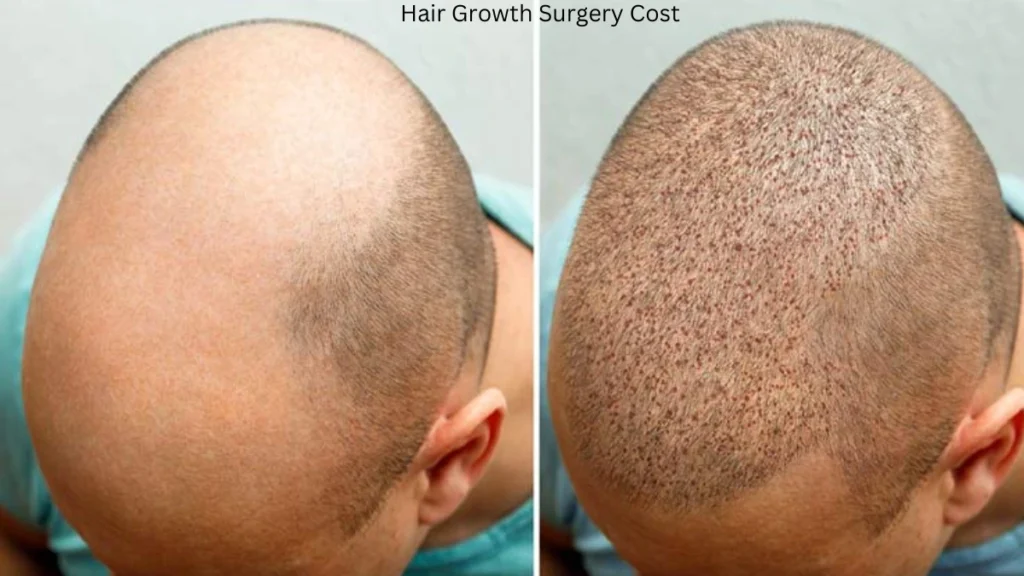
Read more: Hair Growth Surgery Cost
Post-Operative Care for Hair Transplant with PRP and GFC
After your hair transplant, following proper post-operative care is crucial for optimal results. Here’s what you can expect:
- Medicines: Pain relievers, anti-inflammatory medications, and antibiotics may be prescribed.
- Post-Transplant Care: It’s important to avoid touching or scratching the scalp to prevent infection. You should also avoid direct sun exposure for several weeks after the procedure.
- PRP and GFC Recovery: Both treatments help accelerate healing, promote quicker hair growth, and reduce swelling or scarring. Regular follow-up sessions are usually recommended to monitor progress.
With the added benefit of PRP and GFC, you will experience faster healing and better hair growth results, making the recovery process smoother.
Common FAQs About PRP vs GFC Hair Treatment in Chennai
1. How long does it take for hair transplants to show results?
It typically takes 6 to 12 months to see the full results of a hair transplant, though with PRP or GFC, you may see noticeable improvements in hair density sooner.
2. Are PRP and GFC treatments safe?
Yes, both treatments are safe as they use your own blood (in the case of PRP) or your own cells (in the case of GFC), minimizing the risk of allergic reactions or side effects.
3. How many sessions of PRP or GFC are required?
Usually, 3 to 6 sessions of PRP or GFC are recommended Event, spaced a few weeks apart. The exact number will depend on the individual’s hair restoration goals.
4. Can PRP and GFC be combined with other hair loss treatments?
Yes, PRP and GFC can be used alongside other hair restoration treatments, including medications like minoxidil or finasteride, for enhanced results.
Conclusion
If you’re looking for the best hair transplant options in Chennai, combining PRP and GFC treatments with a hair transplant can significantly improve your results. These advanced treatments not only enhance the healing process but also promote quicker hair regrowth and healthier, denser hair. Consult with a reputable clinic in Chennai to determine the best treatment plan tailored to your needs and start your journey towards fuller, more vibrant hair.

Growth Factor Concentrate for Hair | GFC Hair Treatment Chennai
Discover how Growth Factor Concentrate boosts natural hair growth and restores thinning hair. Safe, effective, and expert-approved.

Hair loss affects millions of people around the world. As a result, there is a demand for effective treatments that deliver real results.
A promising innovation in hair restoration is Growth Factor Concentrate (GFC), a scientifically backed solution designed to combat hair loss and promote healthy regrowth.
GFC offers a revolutionary approach to Hair loss treatment that uses natural growth factors from the patient’s own body. In this article, It offers a non-surgical and minimally invasive option.
We will delve into the science behind Growth Factor Concentrate, and its benefits. and what to expect from treatment.
What is Growth Factor Concentrate (GFC)?
Growth factor concentrate is a potent mixture of growth factors and proteins that play an important role in cell growth. Proliferation and maintenance. These proteins are found in abundance in our blood plasma.
When concentrated, it stimulates the hair follicles and increases the regeneration process. This advanced treatment involves isolating growth factors from a small sample of the patient’s blood.
Focus your attention on the scalp. and injected into the scalp to stimulate hair growth. Unlike traditional hair restoration methods, GFC focuses on natural regeneration.
It provides a holistic solution that works with your body’s biology. It is a highly effective method for those who want to restore their hair without surgery or harsh medications.
How Does Growth Factor Concentrate Work?
The growth factors used in this treatment act as messengers, sending signals to hair follicles to restart their growth cycle. Here’s how it works in three simple steps:
1. Blood Collection: A small amount of the patient’s blood is drawn, typically from the arm.
2. Processing: The blood is processed to isolate and concentrate the growth factors.
3. Injection: The concentrated growth factors are injected into the scalp at targeted areas where hair thinning or hair loss is occurring.

This process enhances the activity of hair follicles in their anagen phase (the growth phase of the hair cycle), encouraging the regeneration of new, thicker, and healthier hair strands.
Benefits of concentrated Growth Factor for hair restoration
Intensive therapy with growth factors stands out because of its unique and natural method of hair restoration. Some of the main benefits of this treatment are as follows.
1. Non-surgical solution
Unlike hair transplants or other invasive procedures, GFC does not require surgery. This makes it the preferred choice for individuals looking for a less invasive method. The treatment is quick. with only slight discomfort and requires little or no downtime. This makes it an ideal choice for busy individuals.
2. Use the body's healing power
A key advantage of GFC is that it uses growth factors from the patient’s own body. This reduces the risk of allergic reactions or side effects often associated with synthetic products or medicines.
3. Stimulates natural hair growth
GFC stimulates dormant hair follicles. and promotes the body’s natural healing process Stimulates hair follicles to create hair. This treatment not only stops hair loss. But it also stimulates the growth of new hair. This causes the patient’s hair to become fuller and denser over time.
4. Safe and proven results
With years of research supporting its effectiveness, Growth Factor Concentrate has been proven to safely treat hair loss. Studies have found significant improvements in hair density, thickness, and volume. After multiple GFC treatments, results may vary from person to person. However, most patients report noticeable changes within a few months of treatment.
5. Adaptive treatment
Each GFC treatment plan will vary based on the patient’s specific needs and hair condition, number of sessions, growth factor concentration, and hair growth factors. The injection site is optimized to ensure the best results.
Who is a Good Candidate for Growth Factor Concentrate?
Growth Factor Concentrate therapy is ideal for individuals experiencing early to moderate hair thinning. It is particularly effective for those with conditions like androgenetic alopecia, also known as male-pattern or female-pattern baldness, which is the most common form of hair loss. However, it may also benefit those who have experienced hair thinning due to stress, illness, or age-related factors.
This treatment is not recommended for individuals with severe hair loss or completely bald areas, as the results may be limited in such cases. It’s best suited for those whose hair follicles are still active, even if they are producing thinner hair.
What to Expect During the Procedure
The GFC treatment is relatively quick and straightforward, with most sessions taking less than an hour. Here’s what you can expect:
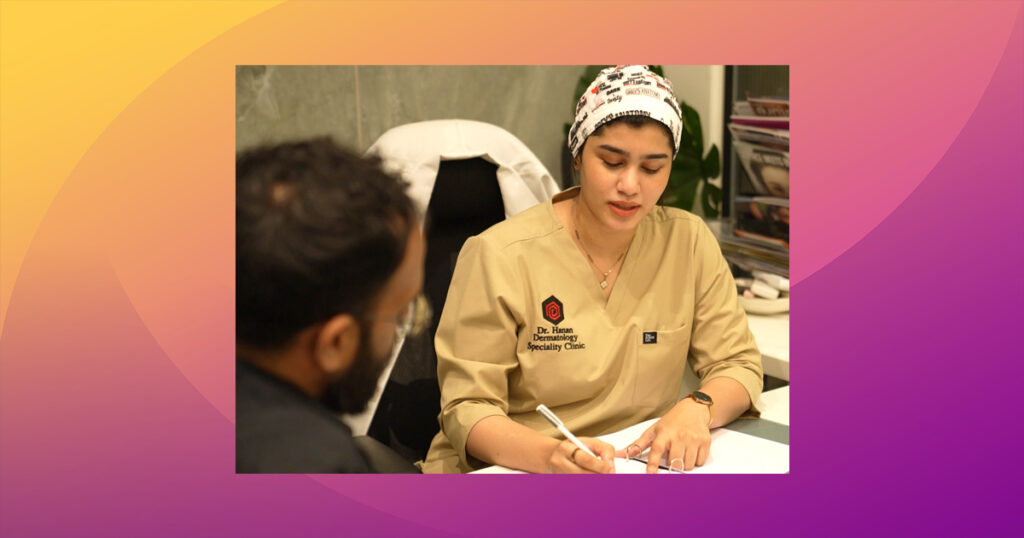
1. Consultation: A thorough consultation is conducted to determine the extent of hair loss and whether you’re a suitable candidate for the procedure. This may involve examining the scalp and discussing your medical history.
2. Preparation: On the day of the treatment, a small amount of blood is drawn from your arm, which is then processed to separate the growth factors.
3. Injections: Using a fine needle, the concentrated growth factors are injected into areas of the scalp that require stimulation. The injections are targeted to maximize results, and most patients report only mild discomfort during this stage.
4. Aftercare: There is minimal downtime associated with GFC therapy. Patients can resume normal activities shortly after the procedure. Some may experience mild swelling or redness at the injection sites, but this typically subsides within a few hours.
Results and maintenance
Growth Factor Concentrate is a single use. For best results, Most patients need to have their treatments spaced out a few weeks apart. In general, after 3-4 months the results will start to become noticeable and there will be continued improvement over the next year. Maintenance can be recommended every 6-12 months to maintain hair growth.
The results of GFC treatment depend on several factors, such as the patient’s age. The extent of hair loss and how well they respond to treatment for best results. It is necessary to follow the aftercare instructions given by your specialist and follow all instructions. Session increased
How Does GFC Compare to Other Hair Restoration Treatments?
Compared to other treatments such as PRP (Platelet-Rich Plasma), minoxidil, or hair transplants, Growth Factor Concentrate offers several distinct advantages:
a. Higher Concentration of Growth Factors: GFC isolates and concentrates growth factors to a much higher degree than PRP, offering potentially better results.
b. No Need for Daily Maintenance: Unlike topical solutions like minoxidil, GFC does not require daily application, making it more convenient for patients.
c. Non-Surgical: Unlike hair transplants, GFC is a non-invasive procedure that does not involve surgical removal or implantation of hair follicles.
However, the best treatment plan varies from individual to individual, and combining GFC with other treatments may be recommended for some patients to achieve optimal results.
Who is Dr. R. Amin Hanan ?
Dr. R. Amin Hanan is the best Dermatologist, Cosmetologist & Hair Transplant Surgeon practicing in Chennai with over a decade of experience. She is also a fellowship holder (FFAM) in AESTHETIC MEDICINE, HAIR TRANSPLANT, and is the founder of Hanan Dermatology Speciality Clinic.

For more information on Growth Factor Concentrate Therapy in Chennai, visit Hanan Dermatology Speciality Clinic at OMR or contact us at +91 6381048403 or simply fill in your name and number & one of our team members will get in touch with you soon.
Our team of experts along with Dr. R. Amin Hanan MBBS., MD. (DVL), FFAM– Best Dermatologist, Cosmetologist & Hair Transplant Surgeon, will help you understand your problem and guide you through every stage of your treatment.
Conclusion
Growth Factor Concentrate represents an exciting advancement in the field of hair restoration, offering a safe, natural, and effective way to stimulate hair growth.
By harnessing the power of your own body’s growth factors, GFC provides a non-surgical solution to hair thinning that delivers lasting, visible results.
Whether you are in the early stages of hair loss or looking to enhance the density of your hair, this innovative treatment may be the solution you’ve been searching for.
FAQ’S
1. What is GFC Hair Treatment?
GFC Hair Treatment uses growth factor concentrate to stimulate hair regrowth and improve scalp health.
2. How long does the treatment take?
Each session typically lasts 30-60 minutes, with visible results after 3-4 sessions.
3. Is GFC Hair Treatment safe?
Yes, it’s a non-invasive and safe procedure with minimal side effects.
Table of Contents
Dermaroller for Hair Growth: Can It Really Help with Baldness?
Dermaroller for hair growth boosts blood circulation and product absorption, but it can’t regrow hair on bald spots. Learn what really works.

Hair loss is a growing anxiety for both men and women, especially with the increasing levels of stress, pollution and lifestyle imbalance. In recent years, many people have moved to home-utilized devices such as dermarollers in the hope of promoting hair regrowth. But does it actually work to use a dermaroller for hair growth – especially for those who face baldness? In this blog, we will find out what dermarollers are, their actual benefits, and whether they can help in severe hair loss or baldness.
What Is a Dermaroller?
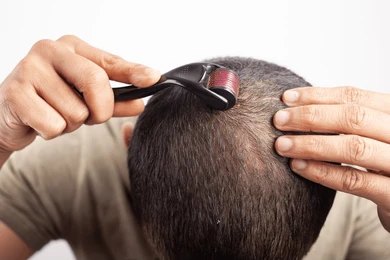
A dermaroller is a hand tool in one hand covered with dozens of small, medical-grade needles. When rolled across the skin or scalp, it creates micro-injuries that stimulate the body’s natural healing reaction. This process is known as microneedling and is widely used in dermatology to improve skin texture, reduce acne scars and stimulate collagen.
When used on the scalp, the purpose of microneedling with a dermaroller is to improve the blood circulation and awaken the inactive hair follicle, and increase the absorption of topical products such as minoxidil. The device is available in separate needle lengths, usually from 0.25 mm to 1.5 mm, and should always be used with proper guidance to avoid injury or infection.
Benefits of Dermaroller for Hair Growth
Using a dermaroller on the scalp brings many possible benefits when it comes to addressing the early stages of hair thinning or shedding of hair:
Stimulates blood circulation: The microneedling process increases blood flow to the scalp, which improves the nutrients and oxygen supply to the hair follicles.
Increases absorption of Product: Topical treatments such as minoxidil or hair serum enters deep and more effectively when applied after dermarolling.
Activates inactive Follicles: For individuals experiencing early-phase hair thinning, microneedling can help “wake up” weak hair follicles and promotes regrowth.
Increases Collagen Production: This may improve scalp elasticity and overall skin health.
Limitations: Can It Reverse Baldness?
While dermarollers can be beneficial for stimulating hair regrowth in areas with thin or weak hair, it is important to understand their boundaries – especially in cases of baldness.
Dermarollers are not a cure for baldness. In advanced stages of hair loss (especially where the scalp is completely bald and hair follicles are no longer active), microneedling can’t restore the dead or lost hair. This is because dermarolling can only stimulate the existing hair follicles. If the follicle is dead or has been scarred due to Androgenetic alopecia or other chronic conditions, they cannot be revived with dermarolling alone.
Comparing Dermaroller vs Hair Transplant
For individuals experiencing baldness, hair transplant is the most reliable and permanent solution. While dermarollers can provide temporary support for hair health or as an addition to other treatments, they do not replace the success of a hair transplantation.
Hair transplant procedures such as FUE (Follicular Unit Extraction) include surgically relocating the healthy hair follicles from a part of the scalp to bald areas. Unlike dermarollers, Hair transplants provide visible and permanent results, especially when performed by experienced dermatologists at Dr. Hanan Dermatology Speciality and specialty and Trichology clinic in Chennai.
Who Should Use a Dermaroller for Hair?
You may consider using a dermaroller if:
- You are in the early stages of hair thinning.
- You want to boost the effects of topical treatments like minoxidil.
- You are not ready for medical or surgical treatments.
- You have realistic expectations.
However, it is always recommended to consult a dermatologist before starting any microneedling routine to ensure it’s appropriate for your scalp condition and hair type.
How to Use a Dermaroller Safely
If you choose to try a dermaroller, keep these safety guidelines in mind:
- Always sanitize the device before and after use.
- Use only on a clean, dry scalp.
- Roll gently in multiple directions—horizontal, vertical, and diagonal.
- Avoid areas with wounds, infections, or severe inflammation.
- Limit use to once or twice a week.
- Follow with a topical product only if advised by a dermatologist.
Incorrect use can lead to infections, scalp irritation, or even hair breakage, so professional guidance is crucial.
Conclusion: Useful But Not a Cure
In short, a dermaroller for hair growth can be a helpful tool for stimulating circulation and increasing product absorption, especially for people dealing with mild to moderate hair thinning. However, it is not an effective treatment for baldness, where the hair follicles are already inactive or absent.
For those seeking a more lasting and permanent solution to baldness, a hair transplant remains the most effective approach. At Dr. Hanan Dermatology Speciality and Trichology Clinic in Chennai, we offer expert consultation, diagnosis, and customized hair restoration plans—including transplants, PRP therapy, and more.
If you’re unsure about whether a dermaroller is right for you, schedule a consultation with our dermatology team. We’ll assess your hair loss stage and recommend a personalized treatment plan that truly works.
Book Your Consultation Today!
For Personalised Treatment visit Dr. Hanan Clinic. Feel confident and proud with our expert care.
Table of Contents
Hair Transplant Results – What to Expect Before and After Treatment

Hair Transplant Results: When considering hair restoration, one of the most common questions patients ask is about hair transplant results. Understanding what results look like, how long they take, and what factors influence success helps set realistic expectations and builds confidence in the treatment.
At Dr. Hanan Dermatology Speciality Clinic, patients receive personalized care focused on achieving natural, long-lasting hair transplant results.
What Are Hair Transplant Results?
Hair transplant results refer to the visible improvement in hair density, hairline shape, and overall scalp coverage after the transplanted hair follicles begin to grow naturally. Since the procedure uses your own hair, the results blend seamlessly with existing hair and look completely natural.
Hair Transplant Results Timeline
Hair growth after a transplant happens gradually:
First Week: Healing of the scalp and graft settling
1–2 Months: Temporary shedding of transplanted hair (normal phase)
3–4 Months: New hair growth begins
6 Months: Noticeable improvement in density
9–12 Months: Final, full hair transplant results
Patience is key, as hair grows in cycles.
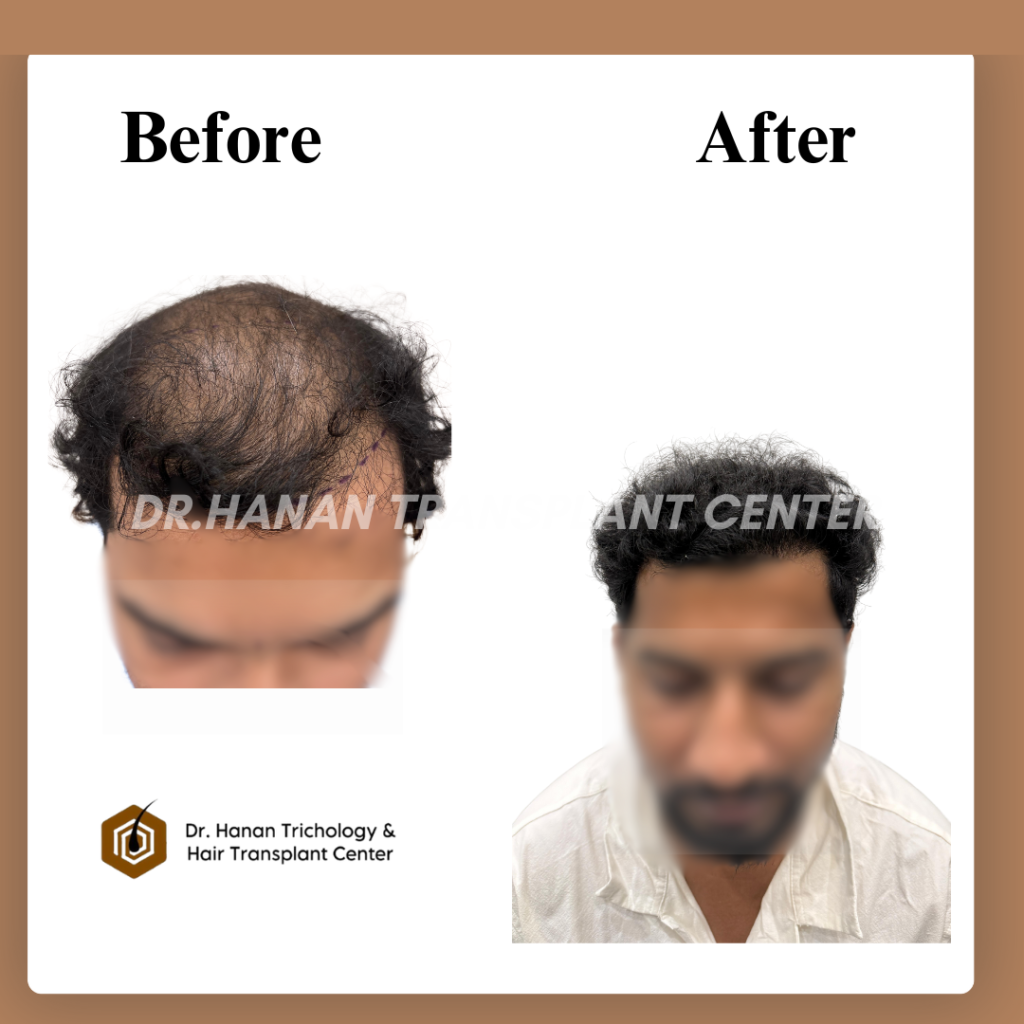
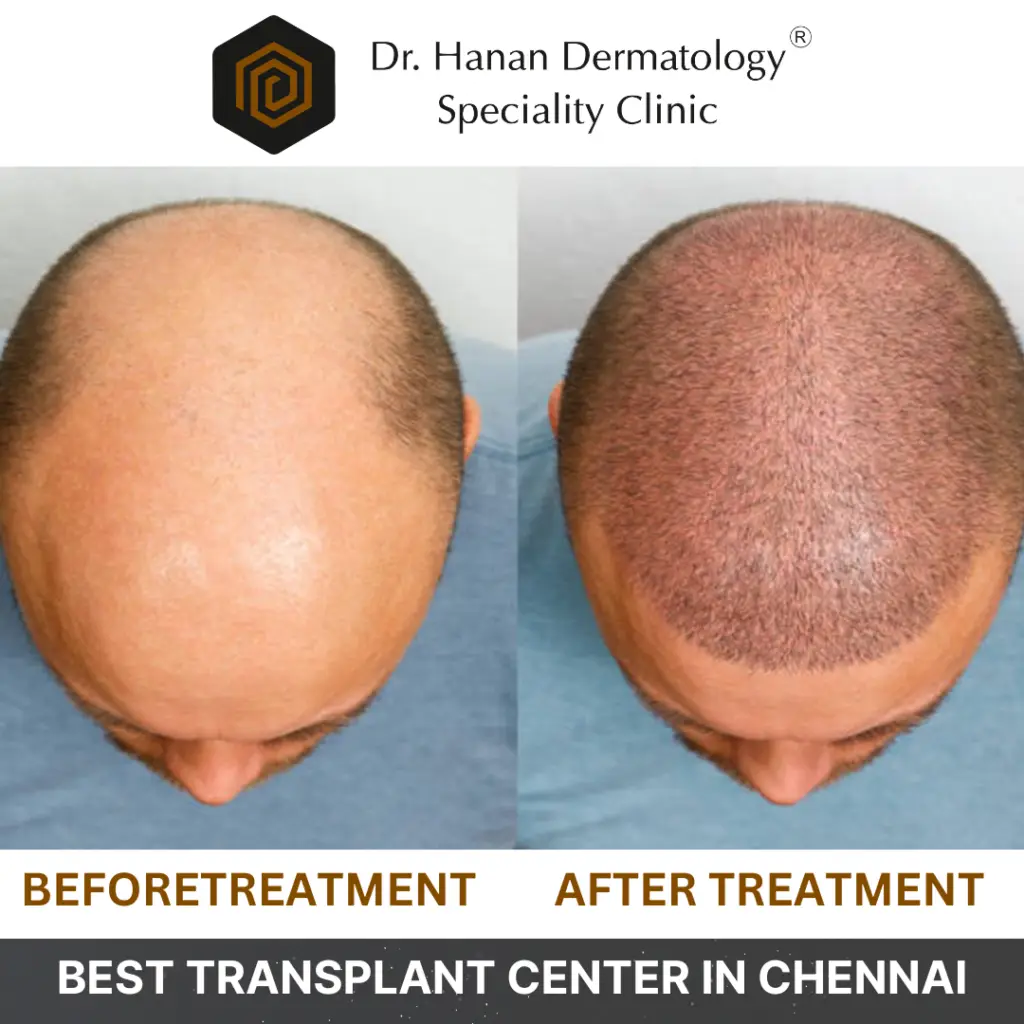
Before and After Hair Transplant Results
Patients often notice:
Improved hairline definition
Better coverage in thinning or bald areas
Increased confidence and appearance
Results may vary between men and women depending on hair loss patterns and donor hair quality.
Factors That Affect Hair Transplant Results
Several factors influence the final outcome:
Doctor’s experience and technique
Quality and strength of donor hair
Chosen method (FUE or DHI)
Proper post-procedure care
Advanced Techniques That Improve Results
Modern techniques such as FUE (Follicular Unit Extraction) and DHI (Direct Hair Implantation) allow precise graft placement, minimal scarring, and faster healing—leading to more natural results.
Realistic Expectations vs Common Myths
Hair transplants do not give instant results, and full density takes time. Transplanted hair does not fall permanently once growth is established. Natural density depends on donor hair availability and scalp condition.
Hair Transplant Results at Dr. Hanan Dermatology Speciality Clinic
Dr. Hanan Dermatology Speciality Clinic focuses on:
Customized treatment plans
Natural hairline design
Ethical medical guidance
Long-term patient satisfaction
FAQs
When will I start seeing hair transplant results?
Most patients begin to notice new hair growth around 3 to 4 months after the procedure. Visible improvement in density is usually seen by 6 months, with final results appearing between 9 and 12 months.
Are hair transplant results permanent?
Yes, hair transplant results are permanent. The transplanted hair follicles are resistant to hair loss and continue to grow naturally for a lifetime.
Is it normal for transplanted hair to fall out initially?
Yes, temporary shedding during the first 1–2 months is normal. This is known as the shedding phase, and new hair growth follows afterward.
Do hair transplant results look natural?
When performed by experienced dermatologists using advanced techniques like FUE or DHI, the results look completely natural in direction, density, and hairline design.
Can hair transplant results vary from person to person?
Yes, results depend on factors such as donor hair quality, hair type, age, scalp condition, and post-procedure care.
Are hair transplant results different for men and women?
The results are equally effective for men and women, but treatment planning differs based on hair loss patterns and density needs.
How can I maintain my hair transplant results?
Following post-procedure care instructions, using prescribed medications, maintaining a healthy lifestyle, and attending follow-up appointments help ensure long-lasting results.
Is one hair transplant enough for good results?
For many patients, one session is sufficient. In some cases, additional sessions may be recommended for increased density or progressive hair loss.
Book Your Consultation Today!
For Personalised Treatment visit Dr. Hanan Clinic. Feel confident and proud with our expert care.