Build the Best Hair Care Routine for Men with expert grooming tips, hair fall control advice, and healthy habits for stronger hair.

Electrolysis Hair Removal in Chennai: The Ultimate Guide

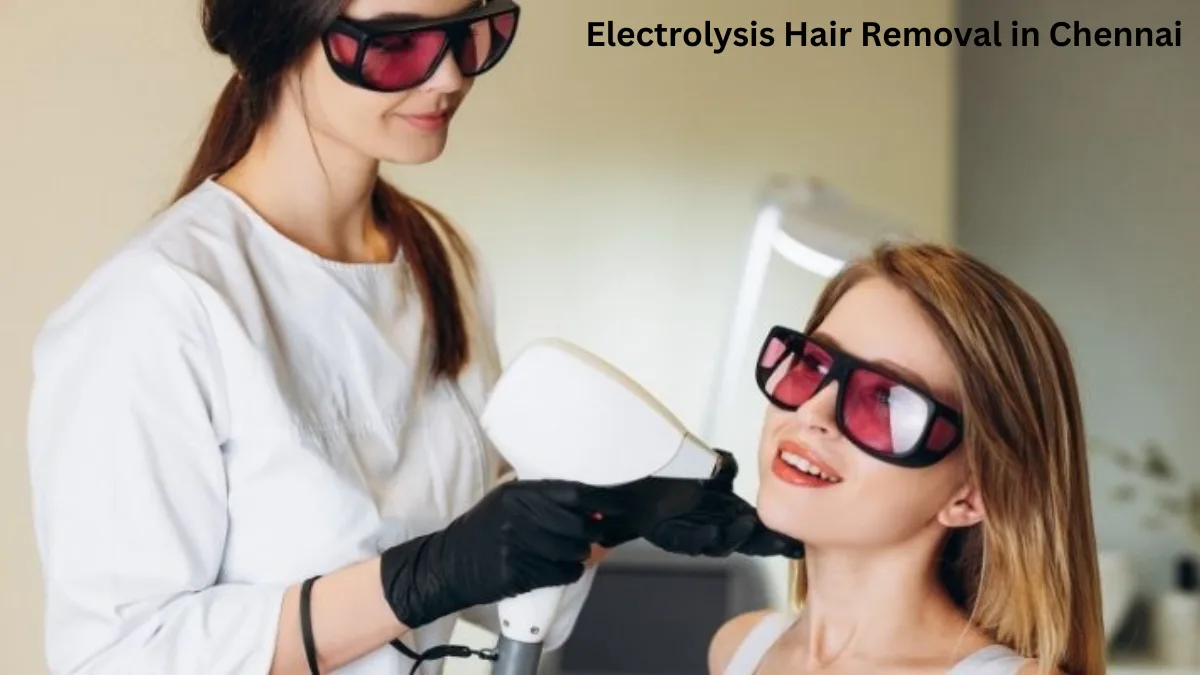
Electrolysis hair removal is one of the most effective and long-lasting methods for permanent hair removal, and it is gaining significant popularity in Chennai. Whether you’re looking for a solution to unwanted facial hair or a more permanent option for body hair, electrolysis offers several advantages. In this article, we will explore everything you need to know about electrolysis hair removal in Chennai, from its benefits to the best clinics and pricing.
Book Your Consultation Today
Visit Dr. Hanan Dermatology Specialty Clinic in Padur, OMR, Chennai. Schedule your consultation today and start your journey to fuller, healthier hair.
For more information and to book your appointment, visit our clinic or call us at the clinic’s contact details.
What is Electrolysis Hair Removal?

Electrolysis is a hair removal technique that uses electrical currents to destroy the hair follicle, preventing future hair growth. There are three main types of electrolysis:
- Galvanic Electrolysis: Involves a direct current to create a chemical reaction that destroys the hair follicle.
- Thermolysis: Uses a high-frequency current to generate heat that destroys the follicle.
- Blend Method: Combines both galvanic and thermolysis for faster results.
This method is FDA-approved and considered the only permanent hair removal solution. Electrolysis is highly precise, allowing treatment of even the smallest areas, such as the upper lip or eyebrows, making it suitable for people with all skin tones and hair types.
Read more: Laser Hair Reduction
Why Choose Electrolysis for Hair Removal in Chennai?
Chennai, with its warm climate and vibrant beauty culture, sees a growing demand for effective hair removal solutions. Electrolysis stands out for several reasons:
- Permanent Hair Removal: Unlike waxing, shaving, or even laser hair removal, electrolysis offers a permanent solution for hair removal. Once the follicle is destroyed, the hair will not regrow.
- Versatility: It works on all hair colors and skin types, making it an ideal option for individuals who may not be suitable candidates for laser hair removal.
- Precision: Electrolysis can treat even the finest hair, including those in sensitive areas like the eyebrows, chin, and bikini line.
- Safety: The method is safe for all skin types, reducing the risk of burns, pigmentation issues, or other side effects common with some other hair removal treatments.
Top Electrolysis Hair Removal Clinics in Chennai
Chennai is home to several well-established clinics offering electrolysis hair removal. Some of the best places to get this treatment include:
- Studio11: Known for their expert staff and top-notch facilities, Studio11 offers personalized electrolysis hair removal treatments, tailored to each client’s needs.
- Kaya Skin Clinic: Kaya offers a variety of advanced hair removal options, including electrolysis. They are well-regarded for their professionalism and attention to detail.
- The Aesthetic Clinic: Known for their comprehensive event skin care services, The Aesthetic Clinic offers electrolysis hair removal with a focus on safety and comfort.
Make sure to read reviews and consult with a professional before choosing a clinic to ensure that it meets your specific needs.
Benefits of Electrolysis Hair Removal in Chennai
Electrolysis offers several benefits that make it a popular choice for hair removal in Chennai:
- Long-lasting Results: Unlike temporary methods like waxing or shaving, electrolysis provides permanent hair removal. This is a huge advantage for individuals tired of constant maintenance.
- Works on All Hair Types: Whether you have thick, coarse hair or fine, light hair, electrolysis can effectively treat any type of hair, unlike laser hair removal which may not work on light or grey hair.
- Minimal Discomfort: While some discomfort may be felt during the procedure, modern technology has made the process much more comfortable compared to past methods.
- Ideal for Sensitive Areas: Electrolysis is highly precise, making it perfect for delicate and small areas like the upper lip, chin, and eyebrows.
- No Downtime: Post-treatment recovery is quick, with minimal side effects such as redness or swelling that usually dissipate within a few hours.
What to Expect During an Electrolysis Session
During an electrolysis session, the following steps are generally followed:
- Consultation: Before starting the treatment, you will have a consultation with a licensed practitioner. They will evaluate your skin and hair type to create a personalized treatment plan.
- The Procedure: A fine probe is inserted into each hair follicle. An electrical current is then applied to destroy the follicle, preventing future hair growth.
- Session Duration: Each session can last anywhere from 15 minutes to an hour, depending on the area being treated.
- Frequency: Depending on the size of the treatment area, multiple sessions may be required to fully treat the area. This is because hair grows in different stages, and electrolysis is effective only when the hair is in the active growth phase.
- Aftercare: Post-treatment care typically includes avoiding sun exposure and refraining from using harsh skin products for a few days. You may experience mild redness or swelling, but this should subside quickly.
Cost of Electrolysis Hair Removal in Chennai
The cost of electrolysis in Chennai can vary based on several factors, including the clinic’s reputation, the area being treated, and the size of the area. Generally, the pricing structure is as follows:
- Small Areas (upper lip, chin, eyebrows): ₹500 – ₹1,500 per session
- Larger Areas (legs, arms, back): ₹2,000 – ₹5,000 per session
While electrolysis may seem more expensive than other temporary hair removal methods, its permanent results make it a worthwhile investment in the long run.
Common Myths About Electrolysis Hair Removal
There are several misconceptions about electrolysis that may prevent people from considering it. Let’s debunk some of the most common myths:
- Myth: Electrolysis is Extremely Painful
- Fact: While you may feel mild discomfort during the treatment, it is usually not unbearable. The intensity of discomfort varies depending on your pain tolerance and the area being treated.
- Myth: Electrolysis is Only for Women
- Fact: Electrolysis is equally effective for both men and women, and many men choose this method for areas like the back or chest.
- Myth: Electrolysis Causes Scarring
- Fact: Electrolysis, when performed by a trained professional, does not cause permanent scarring. Any redness or swelling is temporary.
- Myth: Electrolysis Isn’t Permanent
- Fact: Electrolysis is the only FDA-approved permanent hair removal method.
Who is a Good Candidate for Electrolysis Hair Removal?
Electrolysis is suitable for almost everyone. However, certain factors may make you a better candidate:
- Skin and Hair Type: Electrolysis works on all skin tones and hair types, including light and grey hair, unlike laser treatments.
- Medical Conditions: If you have specific medical conditions, such as skin disorders or active infections, you should consult a dermatologist before opting for electrolysis.
- Pregnancy: While electrolysis is safe, it is recommended to avoid treatments during pregnancy due to potential hormonal changes.
Conclusion
Electrolysis hair removal is an excellent option for those seeking permanent and precise hair removal in Chennai. With its proven effectiveness, minimal discomfort, and long-lasting results, it’s no surprise that more people are choosing electrolysis over other methods. Whether you’re looking to treat small areas or larger regions, electrolysis can meet your needs. Make sure to choose a reputable clinic and schedule a consultation to get started on your journey to smooth, hair-free skin.
If you’re considering electrolysis, now is the perfect time to consult with an expert and experience the benefits for yourself!
Advanced Skin, Hair, and Laser Clinic: Your Ultimate Destination for Modern Skin and Hair Care

In today’s fast-paced world, maintaining healthy, glowing skin and strong, vibrant hair has become a priority for many individuals. With technological advancements, the approach to skincare and haircare has evolved, moving beyond traditional remedies to more effective, non-invasive treatments. Advanced Skin, Hair, and Laser Clinics are at the forefront of this revolution, providing cutting-edge solutions for your skin and hair concerns.
In this article, we’ll explore why choosing an advanced skin, hair, and laser clinic can be a game-changer for your beauty and self-confidence
Book Your Consultation Today
Visit Dr. Hanan Dermatology Specialty Clinic in Padur, OMR, Chennai. Schedule your consultation today and start your journey to fuller, healthier hair.
For more information and to book your appointment, visit our clinic or call us at the clinic’s contact details.
.

Why Choose an Advanced Skin, Hair, and Laser Clinic?

Advanced skin, hair, and laser clinics offer a range of benefits, making them the ideal choice for anyone looking to enhance their appearance. Here are some reasons why these clinics stand out:

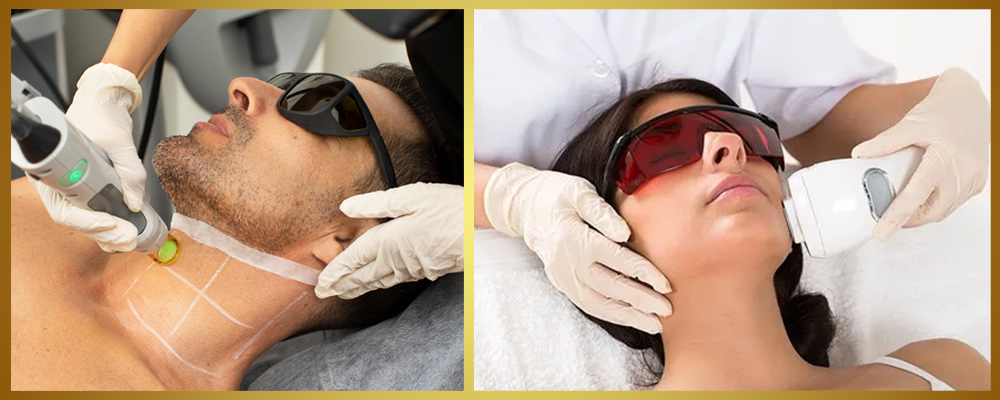
- Cutting-edge Technology: These clinics utilize the latest medical-grade machines and techniques to ensure high-quality results. From laser hair removal to anti-aging treatments, technology plays a vital role in delivering effective and safe results.
- Personalized Care: Experienced dermatologists assess your unique skin and hair needs, ensuring treatments are tailored to your requirements for the best outcome.
- Non-invasive Procedures: Many of the treatments offered are non-surgical, meaning minimal discomfort and faster recovery times.
- Long-lasting Results: Whether you’re looking for acne treatments, hair restoration, or skin rejuvenation, advanced clinics provide solutions with long-lasting effects.
Services Offered at Advanced Skin, Hair, and Laser Clinics

Advanced skin, hair, and laser clinics provide a comprehensive range of services designed to address a variety of skin and hair concerns. Here are some of the most popular treatments:
1. Skin Care Treatments
- Acne Treatment: Target acne at its root with laser therapies, chemical peels, and medical-grade skincare.
- Anti-aging Solutions: Reduce the appearance of wrinkles, fine lines, and sagging with treatments like Botox, dermal fillers, and laser resurfacing.
- Scar Removal: Laser treatments like fractional CO2 laser effectively treat acne scars and other skin imperfections.
- Skin Rejuvenation: Restore a youthful glow with non-invasive skin treatments that remove dead skin cells and improve overall skin texture.
- Skin Lightening & Brightening: Treatments like chemical peels and laser therapies can lighten dark spots, hyperpigmentation, and even out skin tone.
2. Hair Care Treatments

- Hair Restoration: Solutions like PRP (Platelet-Rich Plasma) therapy and stem cell treatments help regenerate hair follicles and promote natural hair growth.
- Hair Reduction: Say goodbye to unwanted hair with laser hair removal techniques that provide smooth skin with permanent results.
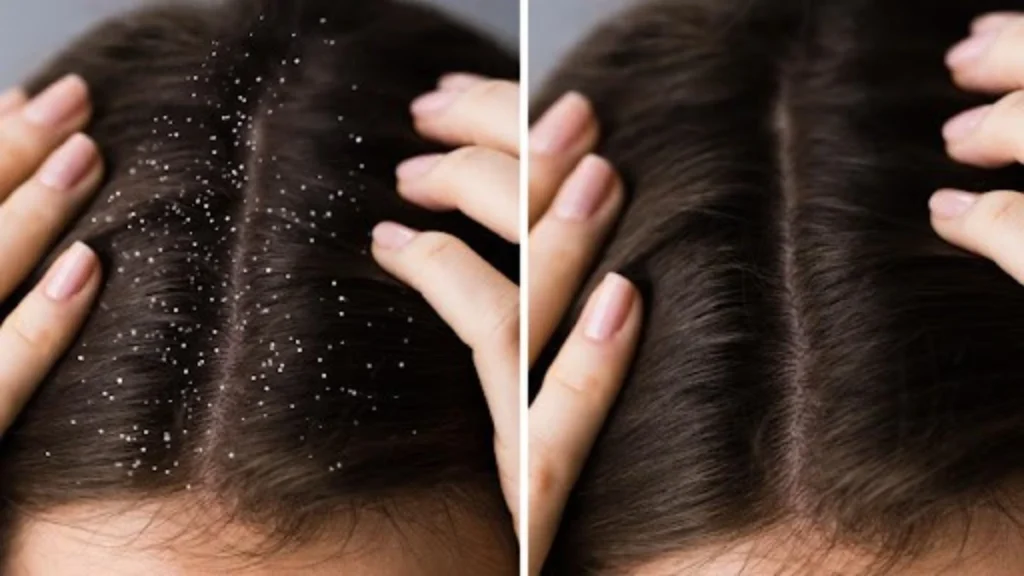
- Scalp Treatments: Combat hair fall, dandruff, and thinning hair with specialized scalp care treatments and therapies.
Read more: Dandruff Treatment A Complete Guide to a Healthier Scalp
3. Laser Treatments
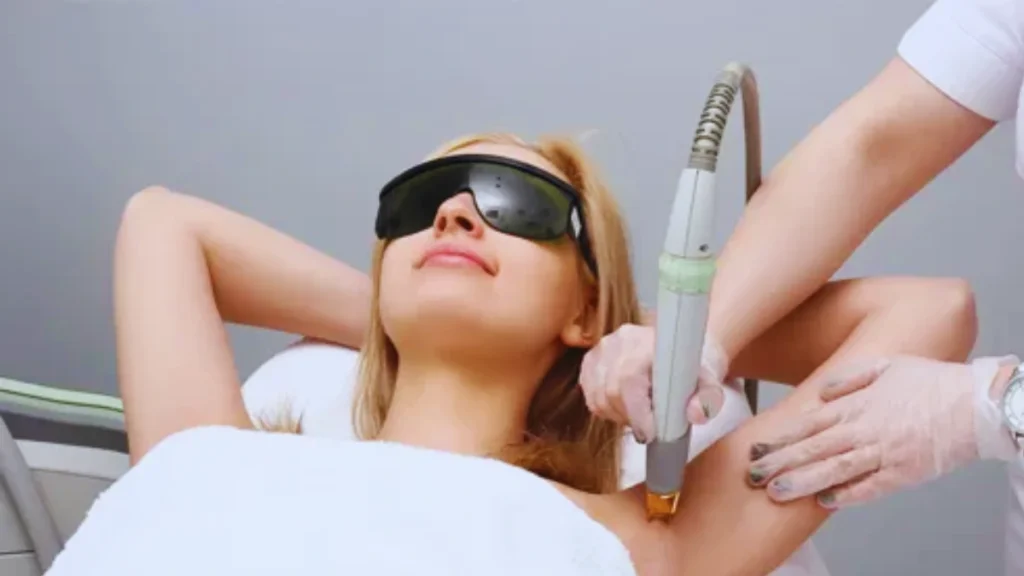
- Laser Hair Removal: A popular option for permanent hair removal, these treatments can be done on various body areas, including the face, arms, legs, and bikini line.
- Laser Skin Resurfacing: Reduces wrinkles, fine lines, and scarring while improving skin texture and tone.
- Tattoo Removal: Laser technology is used to safely remove tattoos without damaging the surrounding skin.
- Fractional CO2 Laser: A highly effective method to treat scars, wrinkles, and large pores, helping to improve skin texture.

Technology Used in Advanced Clinics
The technology used in advanced skin, hair, and laser clinics is critical in ensuring effective and safe treatments. Some of the most widely used technologies include:
- Nd:YAG Lasers: These lasers are highly effective for dark skin tones, offering effective hair removal and skin treatments without side effects.
- Diode Lasers: Known for their precision, diode lasers are used for hair removal and skin treatments across various skin types.
- FDA-Approved Equipment: Ensuring that all machines are FDA-approved guarantees safety and reliability, providing you with optimal results.
Read more: Private Part Hair Removal in Chennai
Experienced Dermatologists and Experts
Advanced clinics are home to experienced, qualified dermatologists who have extensive training in the latest skin and hair treatments. These professionals bring their expertise to ensure that each patient receives the best care possible. Whether you need help with acne, hair restoration, or anti-aging treatments, skilled dermatologists are there to guide you through your journey.
Dr. M. Shraddha, a renowned dermatologist and a member of the American Academy of Anti-Aging Medicine, heads many clinics. With over 15 years of experience, she and her team bring their expertise to every treatment.
Safety and Hygiene Standards
When it comes to cosmetic treatments, safety is paramount. Advanced skin, hair, and laser clinics prioritize hygiene and follow strict sterilization protocols. The use of single-use equipment, thorough sanitization, and regular safety checks ensures that patients receive safe and hygienic treatments.
The Process: What to Expect at an Advanced Skin, Hair, and Laser Clinic
From consultation to post-treatment care, here’s what you can expect when visiting an advanced clinic:
- Consultation: Your journey begins with a comprehensive skin and hair analysis by an experienced dermatologist. They will assess your skin type, medical history, and specific concerns before recommending a treatment plan.
- Treatment: Depending on your condition, you’ll undergo your chosen treatment. Non-invasive treatments like laser hair removal and acne therapy require minimal downtime.
- Post-Treatment Care: After the treatment, the clinic will provide you with aftercare instructions to ensure optimal results. Follow-up consultations may be scheduled to monitor your progress.
Benefits of Choosing an Advanced Skin, Hair, and Laser Clinic
Choosing an advanced clinic offers several benefits, including:
- Long-lasting Results: With the latest technology and expert care, you can expect long-term results.
- Minimal Downtime: Non-surgical treatments allow for quick recovery, meaning you can return to your daily activities without much interruption.
- Safe and Customized Care: The treatments are tailored to your individual needs, ensuring the best results while minimizing risks.
Cost of Treatments and Packages
The cost of treatments varies depending on the type of procedure and the area being treated. Many clinics offer packages that provide cost-effective solutions for multiple sessions, allowing you to experience long-lasting results. You may also find discounts and promotions for first-time visitors.
FAQs About Advanced Skin, Hair, and Laser Treatments
Q1: Are these treatments safe for all skin types?
Yes, advanced skin, hair, and laser clinics offer treatments that are safe for various skin types, including sensitive skin.
Q2: How long does it take to see results from laser hair removal?
Most patients see significant results after 4-6 sessions, with hair regrowth becoming finer and less frequent.
Q3: Is there any downtime after skin rejuvenation treatments?
Downtime is minimal, but there might be slight redness or swelling depending on the treatment.
Conclusion
Whether you’re looking to enhance your skin’s appearance, reduce hair growth, or treat specific skin conditions, an advanced skin, hair, and laser clinic offers the latest treatments and expert care. Book a consultation with a trained dermatologist today and rediscover your beauty with the help of non-invasive, effective solutions.
Hair Fall Treatment in India: Comprehensive Guide to Regain Healthy Hair
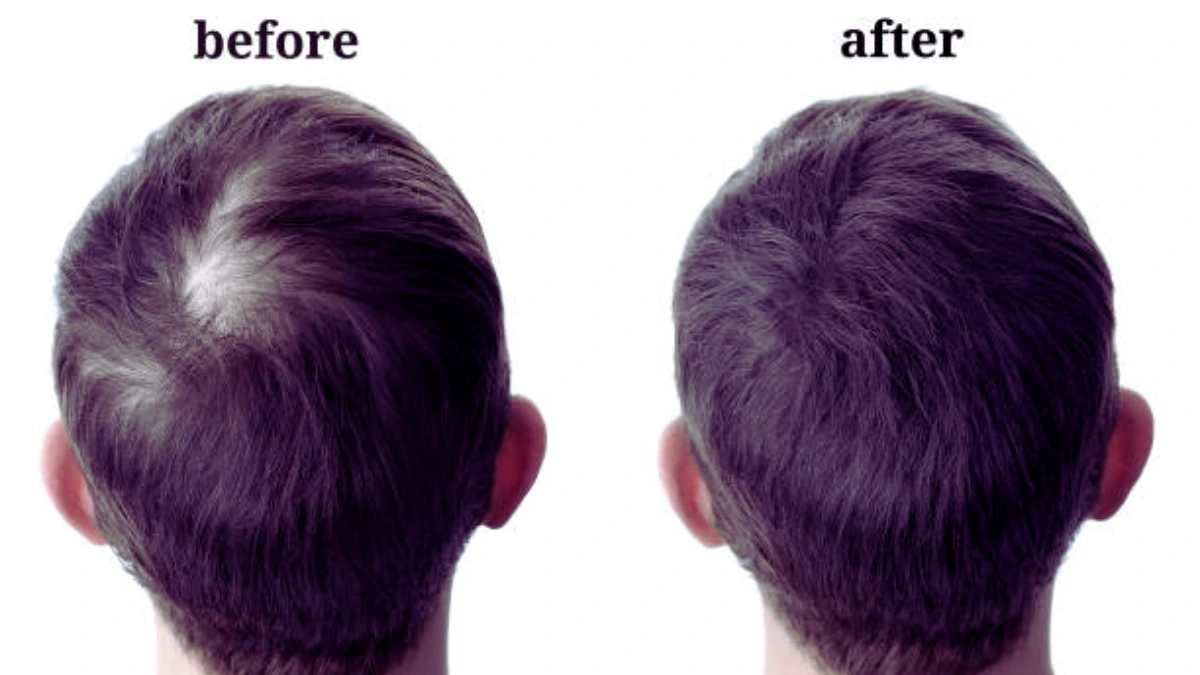
Hair Fall Treatment in India: Hair fall is a common concern that affects millions of people worldwide, and India is no exception. Whether due to genetic factors, lifestyle, or environmental stressors, excessive hair fall can significantly impact confidence and well-being. Fortunately, India offers a plethora of effective treatments to combat hair loss. In this article, we’ll explore the causes, diagnostic methods, and treatments available in India to help you make an informed decision and regain your crowning glory.
Book Your Hair Fall Treatment in India Consultation Today
Visit Dr. Hanan Dermatology Specialty Clinic in Padur, OMR, Chennai. Schedule your consultation today and start your journey to fuller, healthier hair.
For more information and to book your appointment, visit our clinic or call us at the clinic’s contact details.
Understanding Hair Fall
What is Hair Fall?
Hair fall refers to the shedding of more hair than what is naturally replaced in the hair growth cycle. While it is normal to lose about 50-100 strands daily, excessive hair fall can lead to thinning or bald patches.
Common Causes of Hair Fall
- Genetics: Male and female pattern baldness.
- Stress: Emotional and physical stress can disrupt hair growth.
- Nutritional Deficiencies: Lack of iron, vitamins, and proteins.
- Hormonal Imbalances: Conditions like PCOS, thyroid dysfunction.
- Environmental Factors: Pollution, hard water, and UV exposure.
- Medical Conditions: Alopecia, scalp infections, and chronic illnesses.
Diagnosing Hair Fall
Accurate diagnosis is crucial for effective treatment. Dermatologists and trichologists can identify the root cause through:
- Scalp Examination: To assess hair density and scalp health.
- Blood Tests: To detect deficiencies and hormonal issues.
- Hair Pull Test: Evaluates hair fragility.
- Scalp Biopsy: For severe or unexplained cases.
Types of Hair Fall Treatments in India
Medical Treatments
- Topical Solutions: Minoxidil promotes regrowth by stimulating follicles.
- Oral Medications: Finasteride helps in cases of androgenetic alopecia.
- Medicated Shampoos: Treats dandruff and scalp infections.
- Hormonal Therapies: Corrects imbalances causing hair loss.
Cosmetic and Clinical Procedures
- Hair Transplants: Techniques like FUT and FUE offer permanent solutions.
- PRP Therapy: Platelet-rich plasma injections to stimulate regrowth.
- Mesotherapy: Nutrient-rich injections for better scalp health.
- Low-Level Laser Therapy (LLLT): Stimulates hair follicles non-invasively.
Ayurvedic and Natural Remedies
- Herbs: Bhringraj, Amla, and Shikakai for natural nourishment.
- Ayurvedic Oils: Promote hair growth and improve scalp health.
- Yoga and Meditation: Reduces stress, aiding in hair retention.
Home Remedies
- Coconut Oil: Deeply nourishes and strengthens hair.
- Onion Juice: Rich in sulfur to promote hair growth.
- Aloe Vera: Soothes the scalp and reduces dandruff.
Cost of Hair Fall Treatments in India
Hair fall treatments in India are comparatively affordable. The costs vary based on the procedure, clinic reputation, and city. Here’s an approximate range:
- Topical Treatments: INR 500 – 2,000/month.
- Hair Transplants: INR 40,000 – 2,50,000.
- PRP Therapy: INR 5,000 – 15,000/session.
Choosing the Right Treatment for You
- Identify the Cause: Understanding the underlying reason is key.
- Consult Professionals: Visit certified dermatologists or trichologists.
- Customize Solutions: Choose treatments suitable for your hair type and condition severity.
Preventive Tips for Managing Hair Fall
- Balanced Diet: Include foods rich in iron, biotin, and omega-3.
- Scalp Care: Use mild shampoos and avoid harsh chemicals.
- Lifestyle Changes: Manage stress with yoga and ensure adequate sleep.
- Hydration: Drink plenty of water to keep your scalp hydrated.
Conclusion
Hair fall can be a distressing issue, but with the variety of treatments available in India, you don’t have to suffer in silence. From medical solutions to natural remedies, the right approach can help you achieve healthy and luscious locks. Consult a specialist to identify the best course of action and take the first step towards regaining your confidence.
White Hair Treatment Oil: A Natural Solution for Grey Hair
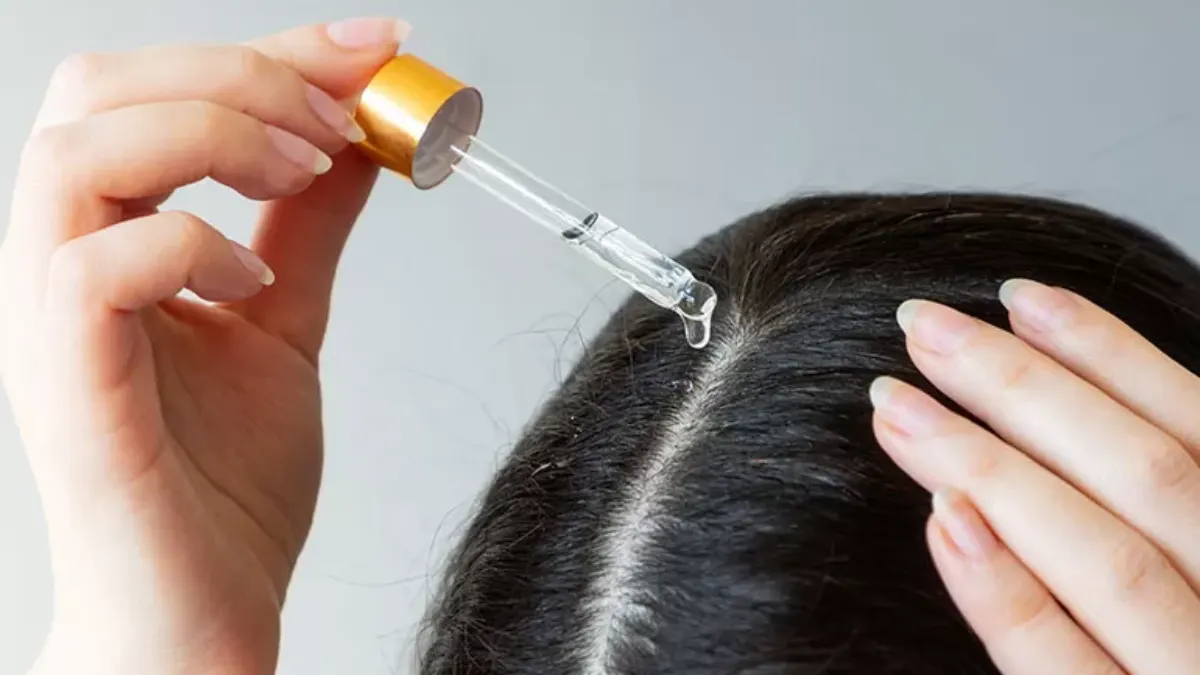
White or grey hair is a natural part of aging, but premature greying can cause concern for many. Whether due to genetics, lifestyle, or environmental factors, the right treatment oil can help restore your hair’s natural pigmentation while improving its overall health. In this article, we’ll explore the benefits, key ingredients, and application tips for white hair treatment oils, along with some DIY recipes and market recommendations.
Book Your Consultation Today
Visit Dr. Hanan Dermatology Specialty Clinic in Padur, OMR, Chennai. Schedule your consultation today and start your journey to fuller, healthier hair.
For more information and to book your appointment, visit our clinic or call us at the clinic’s contact details.
Causes of Premature White Hair
- Genetics and Heredity: Family history plays a significant role in early greying.
- Nutritional Deficiencies: Lack of Vitamin B12, iron, and essential minerals can accelerate greying.
- Lifestyle Factors: High stress, smoking, and poor diet contribute to premature white hair.
- Environmental Factors: Exposure to pollution and harsh chemicals can damage hair follicles, leading to greying.
Benefits of White Hair Treatment Oils

- Nourishes the Scalp: Promotes healthy hair growth by providing essential nutrients.
- Restores Natural Pigmentation: Ingredients like Amla and Bhringraj help reverse greying.
- Prevents Further Greying: Strengthens hair follicles and reduces oxidative stress.
- Adds Strength and Shine: Deep conditioning improves the texture and appearance of hair.
Read more: High-Frequency Hair Treatment
Key Ingredients in White Hair Treatment Oils
- Amla (Indian Gooseberry): Known for its rich Vitamin C content, Amla strengthens hair roots and restores natural color.
- Coconut Oil: Moisturizes the scalp and reduces protein loss, preventing hair damage.
- Bhringraj: Often called the “king of hair,” it is effective in reducing grey hair and promoting growth.
- Black Sesame Oil: Enhances melanin production and prevents further greying.
- Henna: A natural coloring agent that conditions and revitalizes hair.
Top White Hair Treatment Oils in the Market
- Indulekha Bringha Oil: Infused with Ayurvedic herbs to reduce greying.
- Parachute Advanced Ayurvedic Hot Oil: Provides deep nourishment and strengthens hair.
- Kesh King Oil: Combines Amla, Bhringraj, and other herbal ingredients to restore hair health.
DIY White Hair Treatment Oil Recipe
Ingredients:
- 1 cup coconut oil
- 2 tablespoons dried Amla powder
- A handful of curry leaves
- 1 tablespoon Bhringraj powder
Steps:
- Heat the coconut oil on low flame.
- Add Amla powder, curry leaves, and Bhringraj powder.
- Let it simmer for 10–15 minutes until the ingredients infuse.
- Strain the oil and store it in a glass jar.
- Apply twice a week for visible results.
How to Apply Treatment Oils for Best Results
- Warm the oil slightly before use.
- Massage gently into the scalp using circular motions to stimulate blood flow.
- Leave the oil overnight or for at least 2–3 hours.
- Wash with a mild, sulfate-free shampoo.
- Use 2–3 times a week for optimal results.
Success Stories
Many users have reported positive outcomes with consistent use of white hair treatment oils. Testimonials often highlight the return of natural pigmentation, reduction in further greying, and healthier hair texture.
Precautions and Tips
- Choose oils that are free from synthetic chemicals and dyes.
- Perform a patch test to check for allergies before application.
- Pair oil treatments with a balanced diet rich in vitamins and minerals.
Conclusion
White hair treatment oils offer a natural and effective solution to premature greying. With key ingredients like Amla, Bhringraj, and coconut oil, these products not only restore natural pigmentation but also improve hair health. Whether you opt for a market product or a DIY recipe, consistency, and proper care are essential for achieving noticeable results.
PRP Hair Treatment Near Me

Hair loss can be a frustrating and challenging issue, but there’s good news! PRP (Platelet-Rich Plasma) hair treatment is gaining popularity as a revolutionary, natural solution. If you’re searching for “PRP hair treatment near me,” this guide is for you. Let’s explore everything you need to know about this innovative procedure.
Book Your Consultation Today
Visit Dr. Hanan Dermatology Specialty Clinic in Padur, OMR, Chennai. Schedule your consultation today and start your journey to fuller, healthier hair.
For more information and to book your appointment, visit our clinic or call us at the clinic’s contact details.
What Is PRP Hair Treatment?
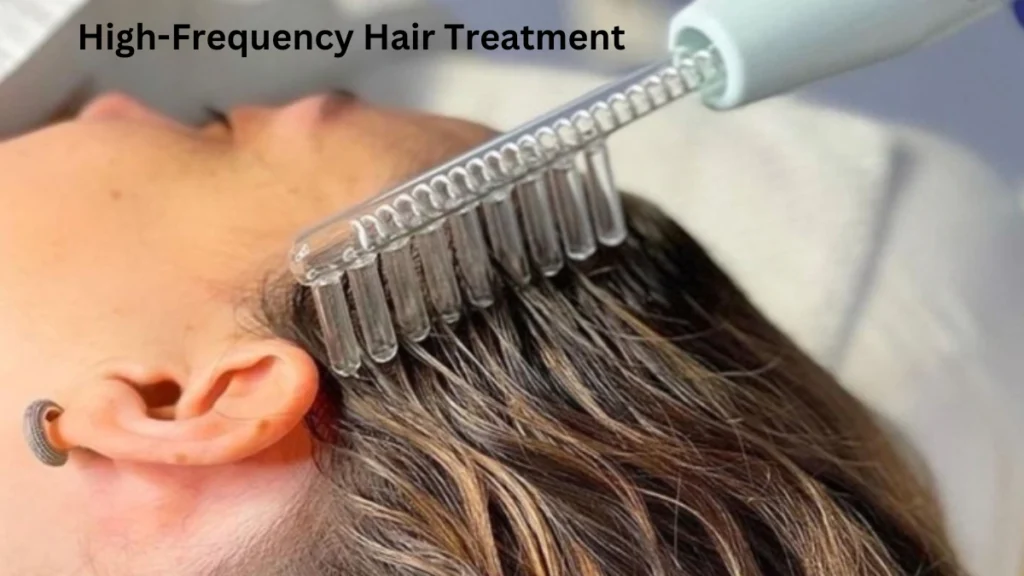
It involves using your body’s own platelets to stimulate hair growth. Platelets, found in your blood, contain growth factors that promote tissue repair and regeneration. This natural treatment has been proven effective for hair restoration.
How Does PRP Work for Hair Loss?
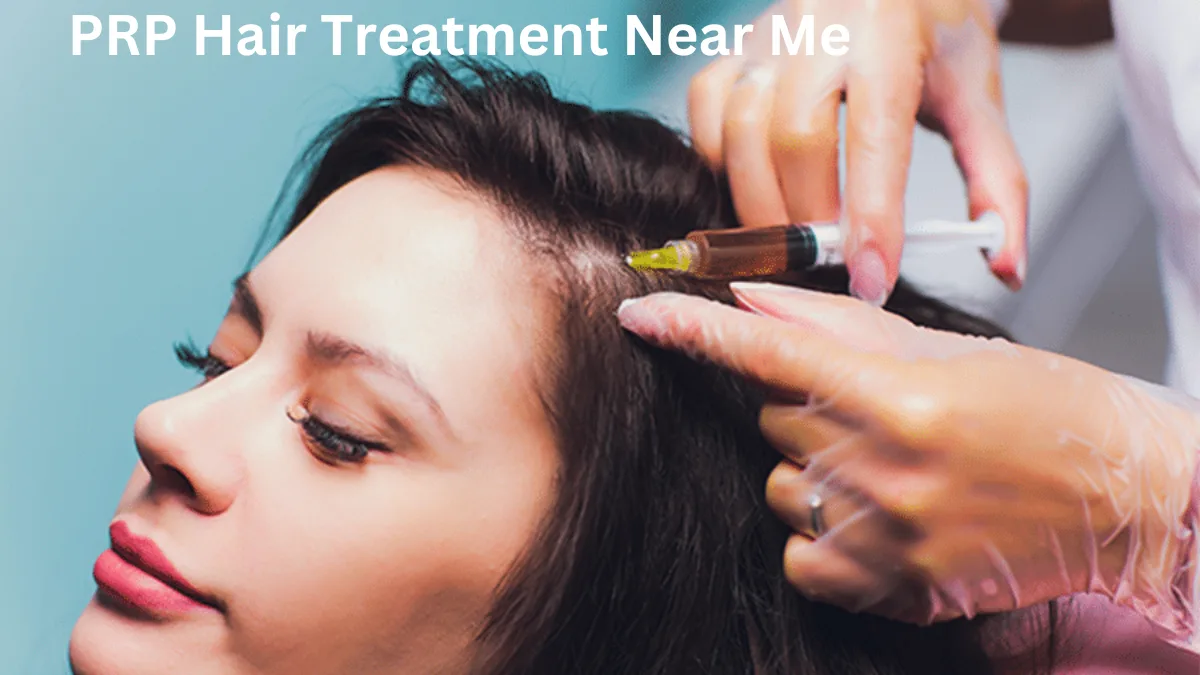
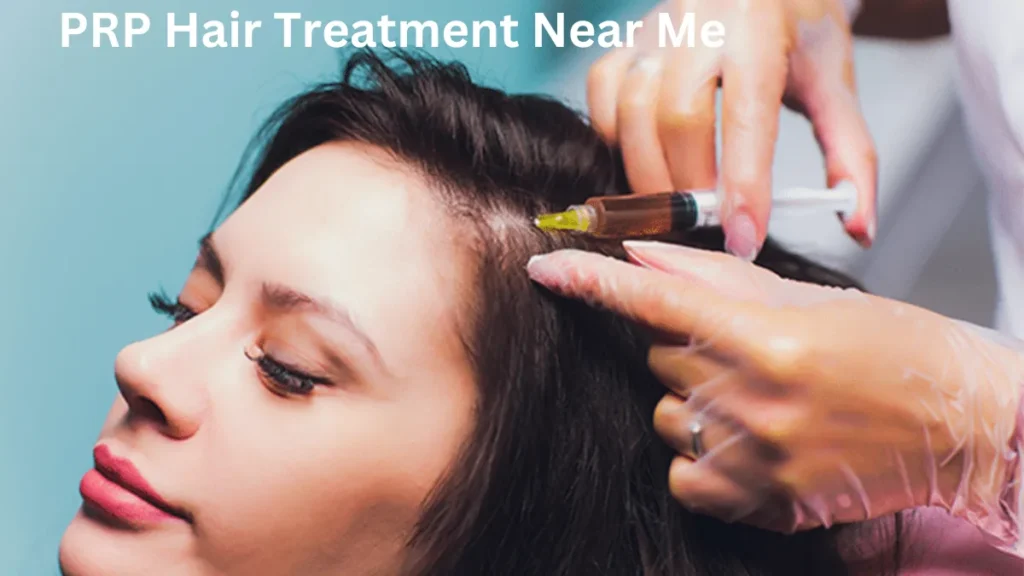
In PRP treatment, a small amount of your blood is drawn, processed to concentrate platelets, and injected into your scalp. This stimulates hair follicles, improves blood flow, and encourages thicker, healthier hair growth.
Benefits of PRP Hair Treatment
Natural and Non-Surgical Solution
Unlike hair transplants or synthetic treatments, PRP uses your body’s natural resources, minimizing risks and side effects.
Effective for Various Hair Loss Conditions
Whether you’re dealing with thinning hair, bald spots, or alopecia, PRP is versatile enough to address different hair loss issues.
Long-Lasting Results
With proper care and maintenance, the results of PRP treatment can last for years, making it a cost-effective solution over time.
Finding PRP Hair Treatment Near You
Researching Local Clinics
Start by searching online for reputable clinics in your area. Look for clinics that specialize in hair restoration.
Checking Reviews and Testimonials
Patient reviews can give you a clear picture of a clinic’s reliability and effectiveness.
Consulting with Specialists
Book a consultation with a specialist to discuss your hair loss concerns and see if PRP is right for you.
What to Expect During PRP Treatment
Pre-Treatment Preparation
Avoid alcohol and certain medications a few days before your appointment. Hydration is also key.
The PRP Treatment Process
The process is straightforward:
- Blood is drawn.
- Platelets are separated using a centrifuge.
- The platelet-rich plasma is injected into targeted areas of the scalp.
Post-Treatment Care Tips
Avoid washing your hair for 24 hours, and steer clear of direct sunlight. Follow your specialist’s aftercare instructions for the best results.
Cost of PRP Hair Treatment
Factors Affecting Treatment Costs
Costs vary depending on clinic location, specialist experience, and the number of sessions required.
Typical Price Range for PRP Hair Treatments
Expect to pay anywhere between $300 to $1,500 per session, with most patients needing 3–6 sessions.
Is PRP Hair Treatment Worth It?
Many patients report significant improvements, making it a worthwhile investment for those seeking long-term hair restoration.
Tips for Choosing the Right PRP Provider Near You
Verifying Credentials and Experience
Ensure your specialist is licensed and has experience performing PRP hair treatments.
Asking About Equipment and Techniques
Inquire about the equipment used and whether the clinic employs the latest techniques.
Understanding the Clinic’s Aftercare Policies
Good clinics offer detailed aftercare guidance to maximize your results.
Success Stories and Testimonials
Real-Life Experiences of PRP Patients
Many patients share stories of improved hair thickness and confidence after PRP treatment.
Transformational Before-and-After Cases
Before-and-after photos provide a visual testament to PRP’s effectiveness.
PRP Hair Treatment Alternatives
Topical Treatments
Minoxidil and other topical solutions can supplement PRP or serve as alternatives.
Medications Like Minoxidil and Finasteride
These medications are FDA-approved and effective for certain types of hair loss.
Hair Transplant Surgery
For more severe cases, hair transplantation might be a suitable option.
Conclusion
PRP hair treatment is a game-changer for those battling hair loss. By stimulating natural growth and offering long-lasting results, this treatment is a fantastic option to explore. If you’re searching for “PRP hair treatment near me,” don’t hesitate to research clinics, consult specialists, and take the Event first step toward restoring your hair and confidence
FAQs About PRP Hair Treatment Near Me
- How long does a PRP session take?
A typical PRP session lasts about 45–60 minutes. - Are there any side effects of PRP?
Minor side effects like redness or swelling may occur but typically subside within a day. - Can PRP treat all types of hair loss?
PRP is effective for most cases but may not work for complete baldness. - How soon will I see results?
Visible results usually appear within 3–6 months. - Is PRP painful?
The treatment involves minor discomfort, but most patients find it tolerable.
Hair Treatment for Women: A Complete Guide to Healthy, Luscious Locks

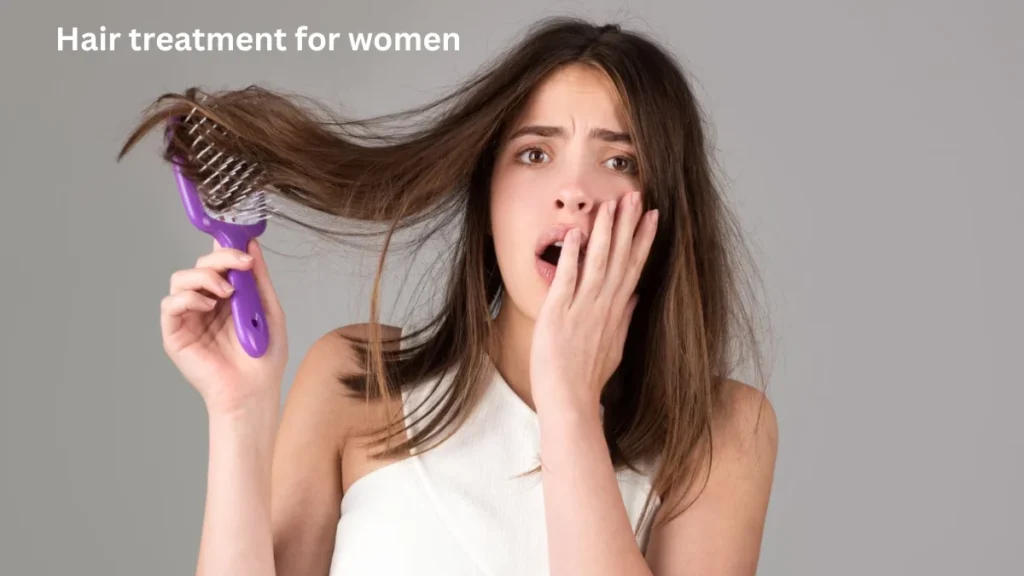
Hair Treatment for Women: Hair health plays a significant role in how we present ourselves, and for many women, achieving and maintaining beautiful hair is a top priority. However, hair issues such as thinning, dryness, and hair loss are common concerns. Fortunately, there are numerous treatments and techniques available to address these challenges. Whether you’re dealing with hormonal shifts, genetic factors, or simply seeking to boost the health of your hair, this guide will walk you through the most effective hair treatments for women.
Book Your Consultation Today
Visit Dr. Hanan Dermatology Specialty Clinic in Padur, OMR, Chennai. Schedule your consultation today and start your journey to fuller, healthier hair.
For more information and to book your appointment, visit our clinic or call us at the clinic’s contact details.
Common Causes of Hair Problems in Women
Understanding the root causes of hair problems is the first step in finding the right treatment. Several factors contribute to hair issues in women:
- Genetic Factors: Female-pattern hair loss, also known as androgenic alopecia, is a hereditary condition where hair gradually thins, typically around the crown or top of the head.
- Hormonal Changes: Pregnancy, menopause, and thyroid imbalances can cause significant changes in hair texture, growth, and shedding.
- Scalp Conditions: Eczema, psoriasis, and dandruff can lead to itching, irritation, and hair thinning.
- Nutritional Deficiencies: Lack of essential vitamins and minerals, including iron, biotin, and vitamin D, can weaken hair and lead to excessive shedding.
- Overuse of Hair Products: Frequent use of harsh chemicals, dyes, and heated styling tools can damage the hair shaft, leading to dryness and breakage.
- Stress: High stress levels can contribute to telogen effluvium, a condition where hair falls out in large amounts, often during periods of intense stress or after major life events.
Types of Hair Treatments for Women
Whether your hair concerns are caused by an internal issue or external factors, there is a range of treatments available to help restore your locks.
1. Medicated Treatments
- Minoxidil (Rogaine): One of the most popular treatments for hair regrowth, Minoxidil helps improve blood circulation to the scalp, stimulating hair follicles and promoting regrowth. Available over the counter, it’s suitable for both thinning and bald spots.
- Platelet-Rich Plasma (PRP) Therapy: In this procedure, your blood is drawn and processed to concentrate the platelets, which are then injected into the scalp to stimulate hair follicle regeneration. PRP therapy has shown promising results in improving hair thickness.
- Topical Corticosteroids: These are prescribed for scalp conditions such as eczema and psoriasis, reducing inflammation and helping to restore hair growth.
- Prescription Medications: Medications like finasteride (for post-menopausal women) can be prescribed for hormone-related hair loss, while others target autoimmune diseases affecting hair growth.
2. Natural/Herbal Treatments
- Essential Oils: Rosemary, lavender, and peppermint oils are popular for their ability to stimulate hair follicles and promote growth. Massaging these oils into the scalp may improve circulation and hair health.
- Aloe Vera: Aloe vera has soothing and moisturizing properties, which can calm irritated scalps and prevent hair breakage.
- Coconut Oil: Rich in fatty acids, coconut oil nourishes the hair, preventing dryness and damage while supporting overall hair strength.
- Castor Oil: Known for promoting hair growth, castor oil is rich in ricinoleic acid, which helps improve circulation to the scalp.
3. Hair Supplements
Hair supplements are designed to boost the health of your hair from the inside out:
- Biotin: A popular B-vitamin, biotin supports hair growth by strengthening the hair shaft and preventing breakage.
- Collagen: Helps maintain hair elasticity and improves overall scalp health.
- Iron and Zinc: These minerals prevent hair thinning and promote healthy hair growth, especially in women suffering from anemia.
4. Hair Masks and Deep Conditioning
- Hydrating Hair Masks: For dry or brittle hair, moisturizing hair masks can provide deep hydration and restore softness and shine.
- Protein Treatments: For weak, damaged hair, protein treatments help rebuild the hair structure and reduce breakage.
5. Scalp Treatments
- Scalp Exfoliation: Removing dead skin cells and product buildup from the scalp can improve hair health by promoting better follicle function.
- Scalp Massages: Regular scalp massages can enhance blood circulation to the hair follicles, stimulating growth and reducing hair loss.
Cosmetic Solutions for Hair Loss
For women who struggle with more noticeable hair loss or thinning, cosmetic options can provide an instant boost in confidence.
1. Hair Fibers
These small, colored fibers attach to existing hair and create the appearance of thicker, fuller hair. They are a quick, temporary solution for those needing coverage for thinning spots.
2. Wigs and Hairpieces
Modern wigs made from human hair or high-quality synthetic fibers offer an excellent solution for complete hair loss or extreme thinning. These come in various styles, colors, and lengths for a natural look.
3. Hair Extensions
Hair extensions can add length, volume, and fullness to thinning hair. They can be attached using clips, glue, or sew-ins, offering versatile solutions for various hair types.
4. Scalp Micropigmentation
This cosmetic procedure involves the application of tiny pigment dots to the scalp to mimic hair follicles. It’s ideal for women with extensive thinning at the front or crown of the head.
5. Thickening Sprays and Powders
Volumizing sprays and powders are an easy, on-the-go way to add fullness to your hair. These products coat individual strands of hair and create a thicker appearance.
Professional Hair Treatments
For severe hair loss or persistent issues, professional treatments may be necessary.
- Laser Therapy (Low-Level Light Therapy): This non-invasive procedure uses red light to stimulate hair growth by improving circulation and increasing cellular activity in hair follicles.
- Hair Transplant Surgery: In cases of significant hair loss, a hair transplant can be an option to restore natural hair by relocating hair follicles from a donor area to thinning spots.
- Consulting a Dermatologist: A professional dermatologist can diagnose underlying conditions and create a personalized treatment plan tailored to individual hair needs.
At-Home vs. Professional Hair Treatment
While at-home treatments offer convenience and cost-effectiveness, professional treatments are often more powerful and targeted for serious hair loss or scalp conditions. If your hair concerns persist despite at-home efforts, it’s a good idea to consult a professional for tailored guidance and treatment options.
Preventive Measures for Healthy Hair
The best approach to maintaining healthy hair is preventive care. Here are some tips to protect your hair:
- Proper Nutrition: Ensure your diet includes essential vitamins and minerals like biotin, iron, and omega-3 fatty acids.
- Avoid Excessive Heat Styling: Limit the use of flat irons, curling irons, and blow dryers to prevent heat damage.
- Regular Hair Trims: Trim your hair every few months to avoid split ends and keep it looking healthy.
- Protect from Sun Damage: Wear hats or use UV protection sprays to shield your hair from harmful sun exposure.
Conclusion
Hair treatment for women encompasses a wide range of options, from topical medications to natural remedies and cosmetic solutions. By understanding the underlying causes of hair loss and choosing the right treatments, women can regain fuller, healthier hair. Whether you opt for professional procedures or DIY treatments, it’s important to be consistent and patient, as healthy hair growth takes time. Embrace a holistic approach combining medical, cosmetic, and preventive care to achieve the best results for your hair.
FAQs
1. What causes hair loss in women?
Hair loss in women can be caused by various factors, including genetics (female-pattern hair loss), hormonal changes (pregnancy, menopause, thyroid issues), stress, nutritional deficiencies, scalp conditions (eczema, psoriasis), and overuse of hair products or heated styling tools.
2. Can hair loss in women be reversed?
In many cases, hair loss in women can be stabilized or reversed, especially when treated early. Medications like Minoxidil (Rogaine) or PRP therapy can promote regrowth. However, results depend on the cause and severity of hair loss.
3. What are the most effective treatments for thinning hair?
The most effective treatments for thinning hair include:
- Minoxidil (Rogaine): Stimulates hair regrowth.
- PRP therapy: Uses your blood’s platelets to promote follicle regeneration.
- Essential oils and natural remedies: Rosemary oil, aloe vera, and castor oil help nourish and stimulate the scalp.
- Hair supplements: Biotin, collagen, and iron can strengthen hair from the inside.
4. Are there any natural remedies for hair loss?
Yes, several natural remedies may help with hair loss, including:
- Essential oils (rosemary, lavender, and peppermint) for stimulating hair follicles.
- Aloe vera to soothe the scalp.
- Coconut oil for deep hydration.
- Castor oil for promoting hair growth. However, the effectiveness of these remedies varies and may work best in combination with other treatments.
5. How long does it take to see results from hair treatments?
Results from hair treatments vary depending on the type and severity of hair loss. For treatments like Minoxidil, visible results may take 2-4 months of consistent use. PRP therapy can show improvements within 3-6 months. Patience is key, as hair growth cycles take time.
6. Are there any side effects to using hair growth treatments?
Some treatments, such as Minoxidil, may cause mild side effects like scalp irritation, dryness, or itching. PRP therapy may cause temporary discomfort at the injection site. It’s important to consult a dermatologist or healthcare provider before starting any treatment to ensure it’s suitable for your condition.
7. What are the cosmetic options for covering hair loss?
Cosmetic solutions for covering hair loss include:
- Hair fibers to temporarily add volume.
- Wigs and hairpieces for complete coverage.
- Hair extensions to add length and fullness.
- Scalp micropigmentation to create the appearance of fuller hair.
8. Is it possible to prevent hair loss in women?
While some hair loss is genetic and inevitable, it’s possible to reduce the risk of excessive hair loss by maintaining a healthy diet, avoiding heat styling tools, limiting chemical treatments, and managing stress. Regular scalp care and gentle handling of hair also promote healthier hair growth.
9. When should I consult a dermatologist about hair loss?
If you’re experiencing significant hair thinning, bald patches, or if over-the-counter treatments aren’t effective, it’s time to consult a dermatologist. A professional can identify the cause of hair loss and recommend the most effective treatments tailored to your needs.
10. Can hair loss be linked to other health conditions?
Yes, hair loss can sometimes be a sign of underlying health issues such as thyroid disorders, autoimmune diseases (like lupus), or iron deficiency. If hair loss is sudden or accompanied by other symptoms, it’s important to seek medical advice to address any potential health concerns.
Hair Treatment and Shampoo for Women: Achieve Healthy, Radiant Hair

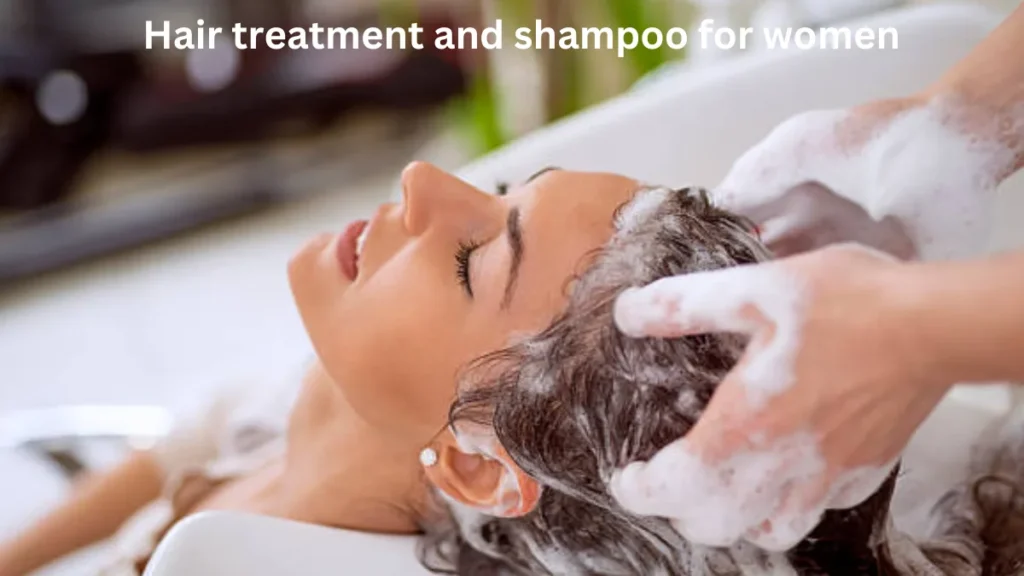
Hair Treatment and Shampoo for Women: Every woman dreams of having luscious, healthy hair that radiates confidence. However, pollution, stress, hormonal changes, and improper care can lead to common hair concerns like dryness, hair fall, and breakage. By understanding your hair’s unique needs and using the right treatments and shampoos, you can restore its natural beauty and vitality.
In this article, we’ll explore the best hair treatments, shampoos, and tips for women to achieve flawless hair health.
Book Your Consultation Today
Visit Dr. Hanan Dermatology Specialty Clinic in Padur, OMR, Chennai. Schedule your consultation today and start your journey to fuller, healthier hair.
For more information and to book your appointment, visit our clinic or call us at the clinic’s contact details.
Hair Treatment and Shampoo for Women
Understanding Your Hair Type and Its Needs
Choosing the right hair care products begins with identifying your hair type:
- Dry Hair: Lacks moisture and shine. Needs deep hydration from ingredients like argan oil, shea butter, and keratin.
- Oily Hair: Prone to greasiness. Balancing shampoos with tea tree oil or salicylic acid can help regulate oil production.
- Curly or Textured Hair: Requires intense hydration and frizz control. Look for Jamaican black castor oil or coconut oil.
- Thinning Hair: Needs volumizing and strengthening ingredients like biotin or caffeine to boost density.
- Color-Treated Hair: Must be protected with sulfate-free, color-safe shampoos to retain vibrancy and prevent damage.
Top Hair Treatments for Women
- Hair Oils for Deep Nourishment
- Coconut Oil: Penetrates deeply to repair damaged strands.
- Castor Oil: Promotes hair growth and adds thickness.
- Argan Oil: Protects against heat damage while enhancing shine.
- Scalp Treatments for Healthy Roots
- Exfoliating Scrubs: Remove product buildup and improve scalp health.
- Niacinamide Serums: Hydrate the scalp and support strong hair growth.
- Hair Masks for Intense Repair
- Look for masks with keratin, collagen, or proteins to strengthen and restore damaged hair. Use once or twice weekly.
- Dandruff and Hair Loss Solutions
- Shampoos with ketoconazole, selenium sulfide, or zinc pyrithione can treat dandruff effectively. For hair loss, consider minoxidil-based products.
Must-Have Ingredients for Hair Growth and Health
When choosing Hair Treatment and Shampoo for Women and treatments, prioritize these hair-friendly ingredients:
- Biotin: Strengthens hair and promotes thicker strands.
- Keratin: Repairs and smoothens damaged cuticles.
- Collagen: Improves elasticity and reduces breakage.
- Tea Tree Oil: Fights dandruff and soothes itchy scalps.
- Aloe Vera: Moisturizes hair and keeps the scalp healthy.
Best Shampoos for Women in 2025
- For Hair Growth:
- Vegamour GRO+ Advanced Shampoo: Clinically proven to reduce hair fall and promote density.
- Budget-Friendly Option:
- Garnier Fructis Grow Strong Shampoo: Strengthens hair and reduces breakage at an affordable price.
- For Thinning Hair:
- DS Laboratories Revita CBD Shampoo: A high-quality product that boosts volume and reduces shedding.
- For Curly Hair:
- Luseta Jamaican Black Castor Oil Shampoo: Nourishes and defines curls.
- For Natural Care:
- Kitsch Rice Water Shampoo Bar: A sustainable, eco-friendly option for frizzy and dry hair.
How to Maintain Healthy Hair: Expert Tips
- Wash Your Hair Properly: Avoid overwashing, which can strip natural oils. Always rinse thoroughly to prevent residue buildup.
- Protect Against Heat: Use a heat protectant before styling to prevent damage.
- Eat a Balanced Diet: Nutrients like biotin, vitamin E, and omega-3 fatty acids play a key role in hair health.
- Choose the Right Products: Avoid shampoos with sulfates, parabens, and silicones to reduce long-term damage.
- Trim Regularly: Prevent split ends and promote healthy growth with routine trims.
When to Seek Professional Help
If you experience persistent hair loss, severe dandruff, or scalp irritation, it’s best to consult a dermatologist. They can recommend targeted treatments, such as prescription shampoos, scalp therapies, or PRP (Platelet-Rich Plasma) therapy for hair regeneration.
Conclusion: The Secret to Beautiful Hair
Achieving healthy, radiant hair doesn’t have to be complicated. By identifying your hair type, using the right shampoos and treatments, and maintaining a consistent care routine, you can enjoy strong, shiny, and voluminous hair all year long.
Invest in high-quality products and give your hair the care it deserves. Your hair is your crown—let it shine!
Best Hair Treatment for Damaged Hair: Restore Your Hair’s Health

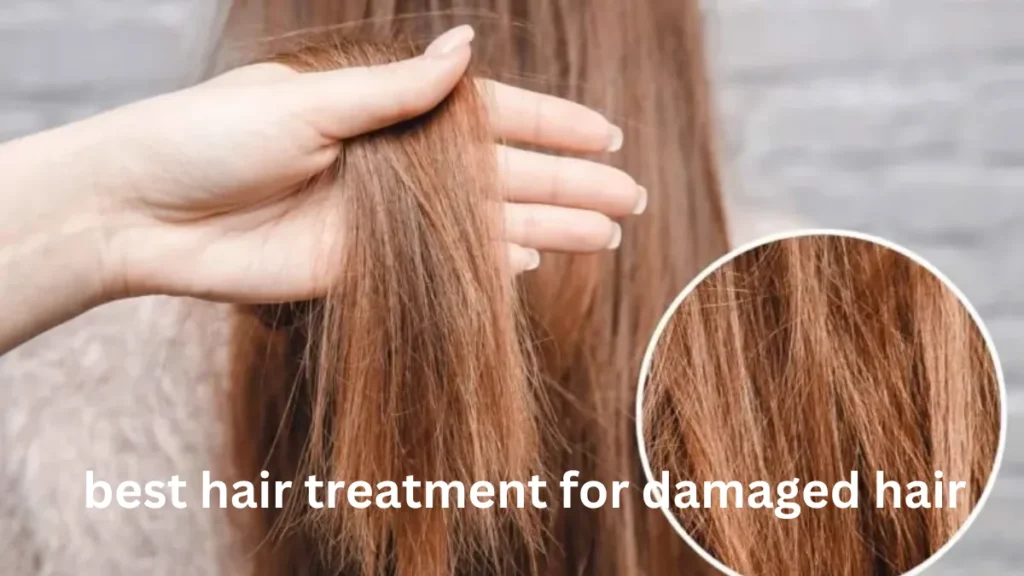
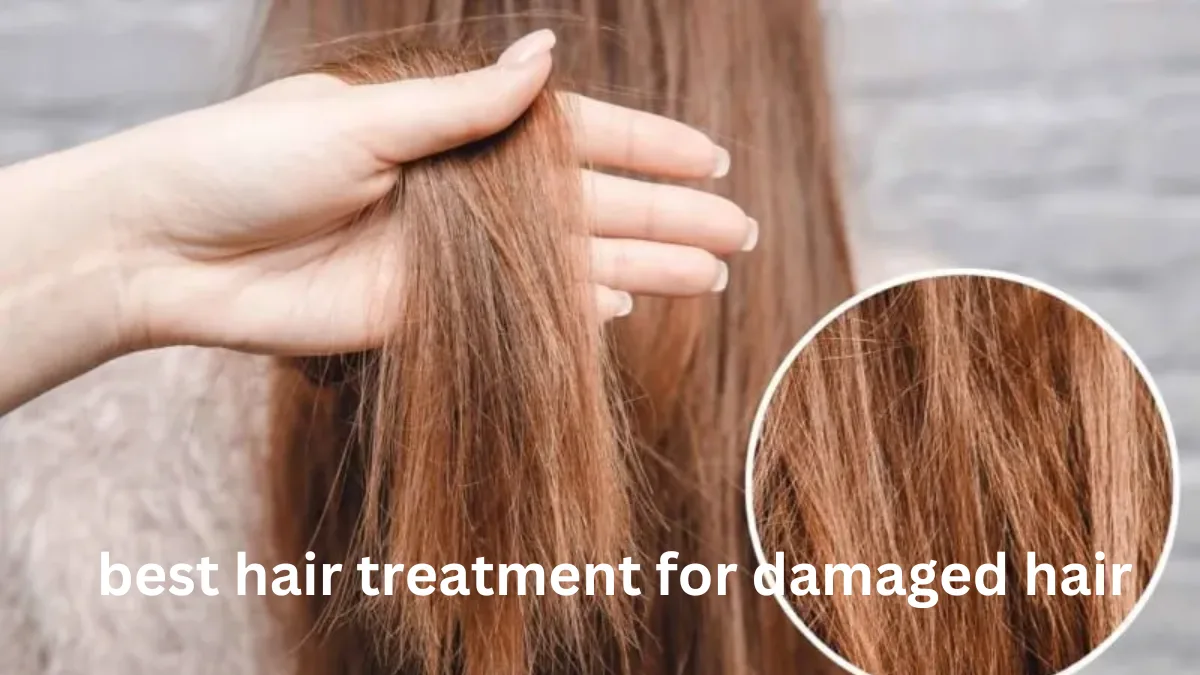
Best Hair Treatment for Damaged Hair: Hair damage is a common problem that can leave your locks looking dull, brittle, and lifeless. Whether it’s caused by over-styling, chemical treatments, or environmental factors, repairing damaged hair is essential for restoring its strength and shine. This article will guide you through the best hair treatments for damaged hair, from deep conditioning to professional salon treatments.
Book Your Consultation Today
Visit Dr. Hanan Dermatology Specialty Clinic in Padur, OMR, Chennai. Schedule your consultation today and start your journey to fuller, healthier hair.
For more information and to book your appointment, visit our clinic or call us at the clinic’s contact details.
Understanding Hair Damage
Hair damage can manifest in various forms, and it’s important to understand its causes to treat it effectively. There are three main types of hair damage:
- Physical Damage: Caused by excessive brushing, towel-drying, and using hair tools like straighteners or curling irons.
- Chemical Damage: Resulting from coloring, bleaching, or perming your hair.
- Environmental Damage: Exposure to harsh weather conditions like sun, wind, and pollution.
Symptoms of damaged hair include dryness, split ends, frizz, breakage, and thinning. Treating your hair properly can prevent further damage and restore its health.
Best Hair Treatments for Damaged Hair
Deep Conditioning Treatments
One of the most effective ways to repair damaged hair is through deep conditioning. Deep conditioners are formulated to penetrate the hair shaft and provide essential moisture and nutrients. Look for products with ingredients like shea butter, avocado oil, and keratin, which help restore hair’s strength and elasticity. Using a deep conditioner once a week can significantly improve the texture of your hair.
Keratin Treatments
Keratin treatments are a popular solution for damaged hair. Keratin is a protein naturally found in your hair, and replenishing it can help rebuild hair structure. Keratin treatments smooth frizz, repair damage, and add shine. However, while keratin treatments are effective, they can also leave your hair feeling a bit flat, so it’s important to choose a product that suits your hair type.
Hair Oils
Hair oils are excellent for nourishing and moisturizing dry, damaged hair. Argan oil, coconut oil, and olive oil are all rich in vitamins and essential fatty acids, making them great choices for repairing damage. Simply massage a few drops into your scalp and hair, and leave it on for at least 30 minutes before washing your hair. This will help seal in moisture and improve the overall health of your hair.
Hair Masks
Hair masks can be either store-bought or DIY. Store-bought masks are usually packed with vitamins, oils, and proteins that help revitalize damaged hair. For a more natural approach, you can create your own hair mask using ingredients like honey, yogurt, and avocado. Apply the mask to your hair and leave it on for 20-30 minutes to let it work its magic.
Protein Treatments
Protein treatments are essential for strengthening damaged hair. When your hair is damaged, it often lacks protein, which can make it weaker and more prone to breakage. Protein treatments help to rebuild and strengthen the hair shaft, restoring your hair’s structure. Use a protein treatment once a month to maintain your hair’s strength and prevent further damage.
Heat Protection Treatments
If you can’t avoid using heat styling tools like blow dryers, flat irons, and curling irons, it’s essential to use heat protectants. Heat protectants create a barrier between your hair and the heat, minimizing the damage caused by high temperatures. Look for products with silicones or natural oils that provide heat protection and keep your hair looking smooth and shiny.
Professional Treatments for Damaged Hair
Hair Salon Treatments
Professional salon treatments like Olaplex and Brazilian Blowouts are highly effective at repairing damaged hair. These treatments work by restoring the hair’s internal structure and bonding the broken disulfide bonds. Although these treatments can be expensive, they provide long-lasting results and are ideal for severely damaged hair.
Hair Reconstruction Services
In cases of extreme damage, hair reconstruction services may be necessary. These services help to rebuild the hair’s strength and texture by using advanced techniques to repair split ends, prevent breakage, and restore volume.
Home Remedies for Damaged Hair
For a more natural approach to hair repair, you can use several home remedies to treat damaged hair. Some of the most effective DIY treatments include:
- Coconut Oil Treatment: Apply coconut oil to your hair and leave it on overnight for intense hydration.
- Honey and Olive Oil Mask: Mix honey and olive oil for a moisturizing mask that helps seal split ends.
- Aloe Vera Treatment: Aloe vera helps soothe the scalp and restore moisture to dry, brittle hair.
Prevention Tips for Hair Damage
Preventing further damage is key to maintaining healthy hair. Here are some helpful tips to protect your hair:
- Avoid Over-Washing: Washing your hair too frequently can strip it of natural oils. Wash your hair 2-3 times a week.
- Limit Heat Styling: Reduce the use of heat styling tools, or use them on the lowest heat setting.
- Use a Wide-Tooth Comb: Instead of brushing wet hair, use a wide-tooth comb to prevent breakage.
- Protect Your Hair from Sun and Pollution: Wear a hat or use UV-protectant hair products to shield your hair from harmful environmental factors.
When to Seek Professional Help
If your hair damage is severe or if home treatments aren’t working, it’s time to consult a professional. A dermatologist or hair specialist can help determine the cause of the damage and recommend personalized treatment plans.
FAQs
1. What causes hair damage?
Hair damage can be caused by excessive heat styling, chemical treatments (like coloring and perming), environmental factors (like sun exposure), and poor hair care habits (such as over-washing or using harsh products).
2. How can I repair my damaged hair?
Repairing damaged hair typically involves using nourishing treatments such as deep conditioning masks, oils, and protein-rich products to restore moisture, strengthen strands, and improve elasticity. Regular trims are also essential to remove split ends.
3. What is a keratin treatment?
A keratin treatment is a salon procedure that helps smooth and strengthen hair by infusing it with keratin, a natural protein. It can help reduce frizz, improve shine, and make hair more manageable.
4. How often should I use a deep conditioning treatment?
For severely damaged hair, it’s recommended to use a deep conditioning treatment at least once a week. For mild damage, you can use it bi-weekly or monthly, depending on your hair’s needs.
5. Can home remedies help damaged hair?
Yes, certain home remedies like coconut oil, honey, aloe vera, and avocado masks can provide moisture and nourishment to damaged hair. However, for significant damage, professional treatments may be more effective.
6. Is there a treatment for heat-damaged hair?
Yes, using protein treatments, repairing serums, and moisturizing conditioners can help restore heat-damaged hair. Avoiding heat styling tools while your hair recovers is crucial.
7. Can damaged hair grow back healthy?
While you can’t reverse damage to existing hair, you can improve its condition with proper treatments and a healthy hair care routine. New hair growth can be healthy if you nourish your scalp and hair follicles.
8. Are salon treatments worth the investment?
Salon treatments like Olaplex or keratin treatments can significantly improve the health and appearance of damaged hair. If you have severe damage, professional treatments can provide more noticeable results than at-home products.
9. What products should I avoid for damaged hair?
Avoid harsh shampoos, products with sulfates, and those with alcohol, as these can further strip moisture from damaged hair. Opt for gentle, hydrating, and strengthening products instead.
10. How long does it take to repair damaged hair?
The time it takes to repair damaged hair depends on the extent of the damage and your hair care routine. With consistent treatments, improvements may be visible within a few weeks to a couple of months.
Permanent PRP Hair Treatment Near Me: A Complete Guide

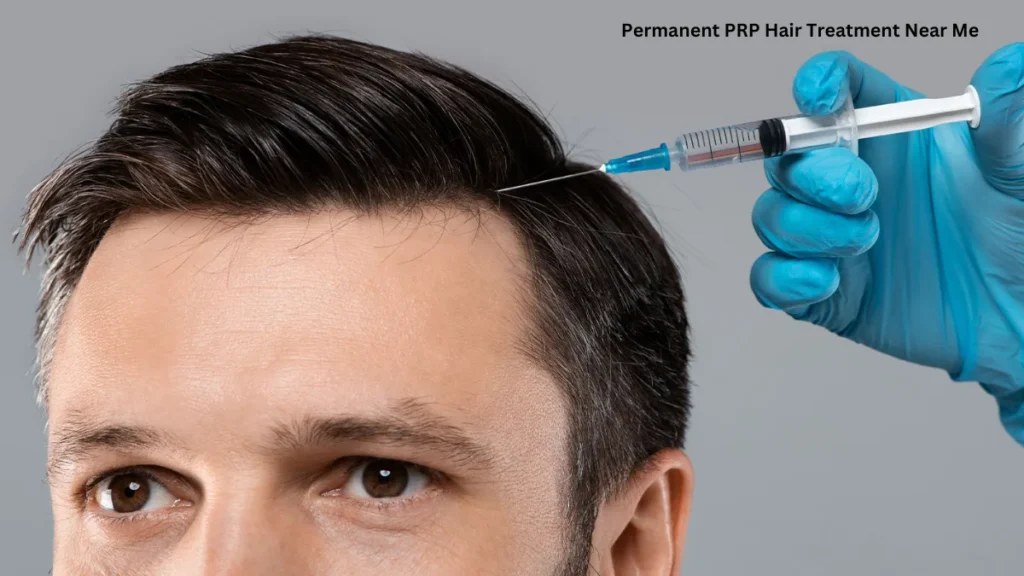
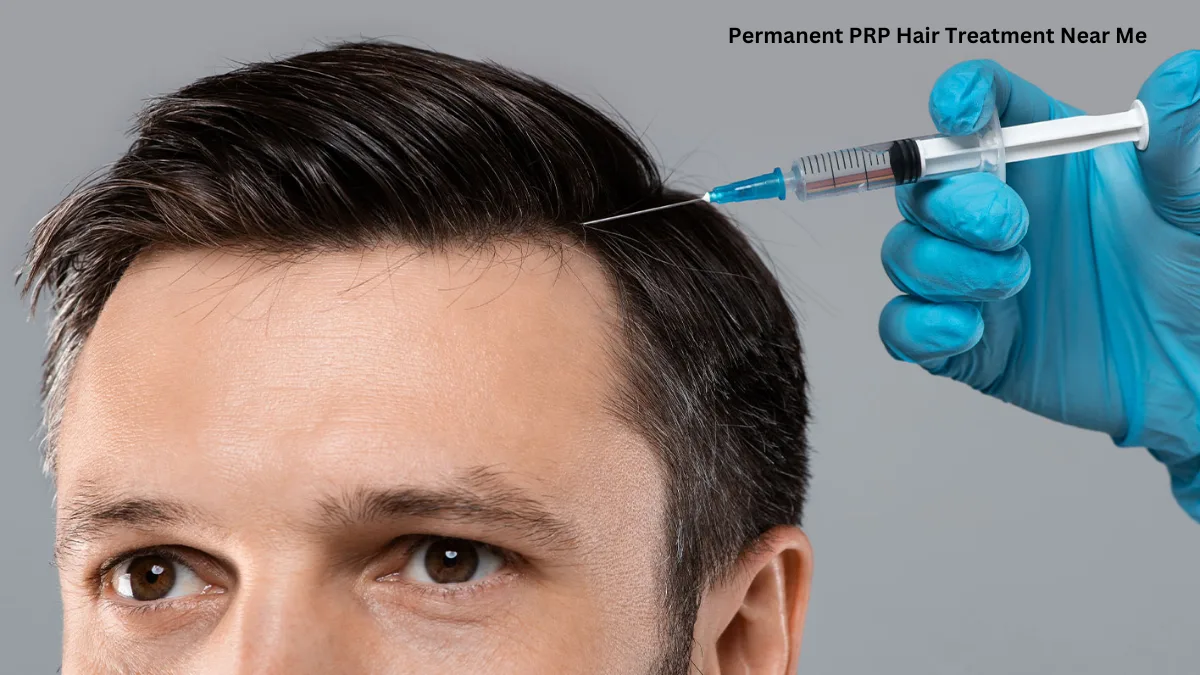
Hair loss can be distressing, leading many individuals to seek effective and long-lasting treatments. One of the most popular and promising solutions today is PRP (Platelet-Rich Plasma) hair treatment. If you are searching for a “permanent PRP hair treatment near me,” this guide will help you understand what PRP is, its effectiveness, cost, and how to find the best clinic for your needs.
Book Your Consultation Today
Visit Dr. Hanan Dermatology Specialty Clinic in Padur, OMR, Chennai. Schedule your consultation today and start your journey to fuller, healthier hair.
For more information and to book your appointment, visit our clinic or call us at the clinic’s contact details.
What is PRP Hair Treatment?
PRP hair treatment is a non-surgical procedure that uses a patient’s own blood to stimulate hair growth. The process involves drawing a small amount of blood, separating the platelets using a centrifuge, and injecting the concentrated plasma into the scalp. Platelets contain growth factors that promote hair follicle regeneration, improve blood circulation, and strengthen hair shafts.
Benefits of PRP Hair Treatment:
- Stimulates natural hair growth
- Increases hair density and thickness
- Non-invasive with minimal downtime
- Safe and natural, as it uses the patient’s own blood
- Suitable for both men and women experiencing hair thinning
Is PRP Hair Treatment Permanent?
One of the most common questions is whether PRP treatment provides permanent results. While PRP significantly improves hair growth and density, it is not a one-time solution. The longevity of the results depends on individual factors, including age, the severity of hair loss, and overall scalp health.
Factors Influencing PRP Treatment Longevity:
- The number of initial sessions (usually 3-4 sessions over several months)
- Maintenance treatments (recommended every 6-12 months)
- Lifestyle factors like diet, stress levels, and hair care routine
- The underlying cause of hair loss (genetic, hormonal, or medical conditions)
Who is an Ideal Candidate for PRP Hair Treatment?
PRP therapy is ideal for individuals experiencing early-stage hair thinning and hair loss. It is effective for:
- Men and women with androgenetic alopecia (pattern baldness)
- Those experiencing hair thinning due to stress or hormonal imbalances
- Individuals looking for a non-surgical hair restoration method
- Patients who want to enhance the results of a hair transplant
Finding the Best Permanent PRP Hair Treatment Near You
Choosing the right clinic is crucial to ensure safe and effective results. Here’s how to find the best PRP hair treatment provider near you:
1. Check Clinic Reputation:
Look for clinics with experienced dermatologists or hair restoration specialists. Read online reviews and testimonials to gauge customer satisfaction.
2. Verify Doctor’s Credentials:
Ensure the doctor performing the treatment is certified and has experience in PRP therapy.
3. Ask About the Procedure:
A good clinic will offer a consultation to discuss the process, expected results, and maintenance plans.
4. Compare Costs and Packages:
Different clinics may offer varying prices. Look for a balance between affordability and quality of service.
What to Expect from PRP Hair Treatment?
Step-by-Step Process:
- Blood Draw: A small amount of blood is taken from the patient.
- Centrifugation: The blood is processed to isolate platelet-rich plasma.
- Injection: The PRP is injected into targeted areas of the scalp.
- Recovery: Minimal downtime, with mild redness or tenderness lasting a day or two.
When Will You See Results?
- First 3 Months: Reduction in hair shedding
- 4-6 Months: Visible hair regrowth and increased thickness
- 12 Months: Full effects of the treatment, with noticeable hair density improvement
Cost of Permanent PRP Hair Treatment
The cost of PRP treatment varies based on location, clinic expertise, and the number of sessions required. On average:
- Single session: $500 – $1,500
- Full treatment package (3-4 sessions): $1,500 – $4,000
- Maintenance sessions: $400 – $800 per session
Insurance usually does not cover PRP for hair loss as it is considered a cosmetic procedure.
Potential Risks and Side Effects
PRP hair treatment is generally safe, but minor side effects may occur, such as:
- Mild pain or redness at the injection site
- Temporary swelling or bruising
- Rare risk of infection if performed by an inexperienced practitioner
To minimize risks, always choose a certified and experienced provider.
Success Stories and Real Patient Testimonials
Many patients have experienced significant hair growth and improved hair thickness after PRP treatment. Before-and-after pictures from reputable clinics can provide insight into the potential results.
FAQs About Permanent PRP Hair Treatment Near Me
1. How Many PRP Sessions Are Needed for Long-Term Results?
Most individuals require 3-4 initial sessions, followed by maintenance treatments every 6-12 months.
2. Can PRP Completely Stop Hair Loss?
PRP can slow hair loss and promote regrowth, but it may not completely stop hair loss caused by genetic factors.
3. How Soon Can Results Be Seen?
Noticeable improvements usually appear within 3-6 months.

Best Hair Care Routine for Men

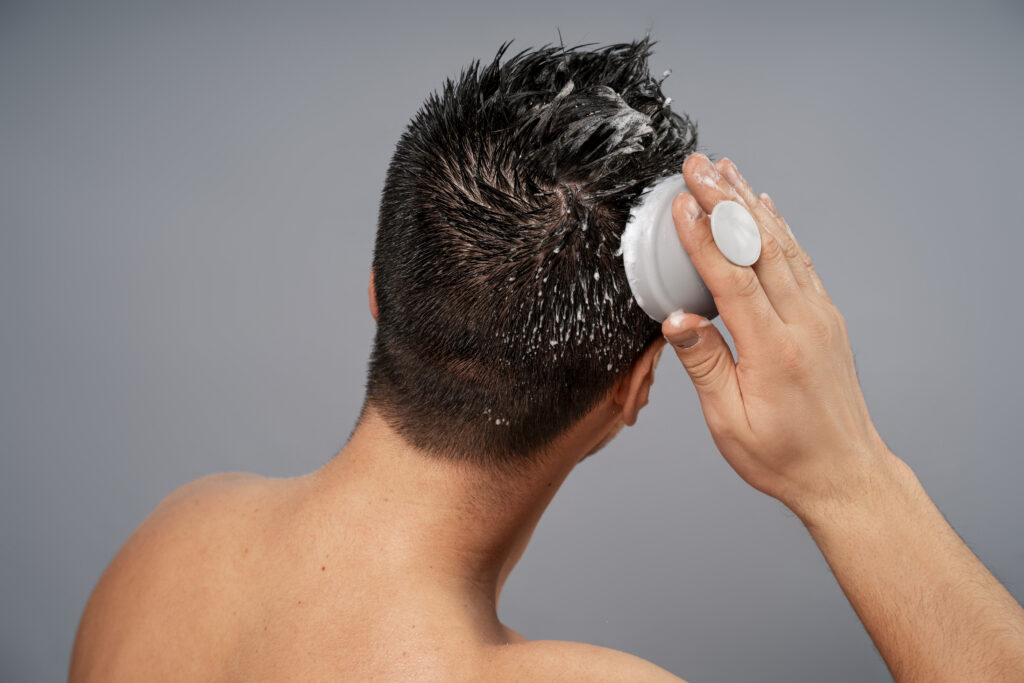
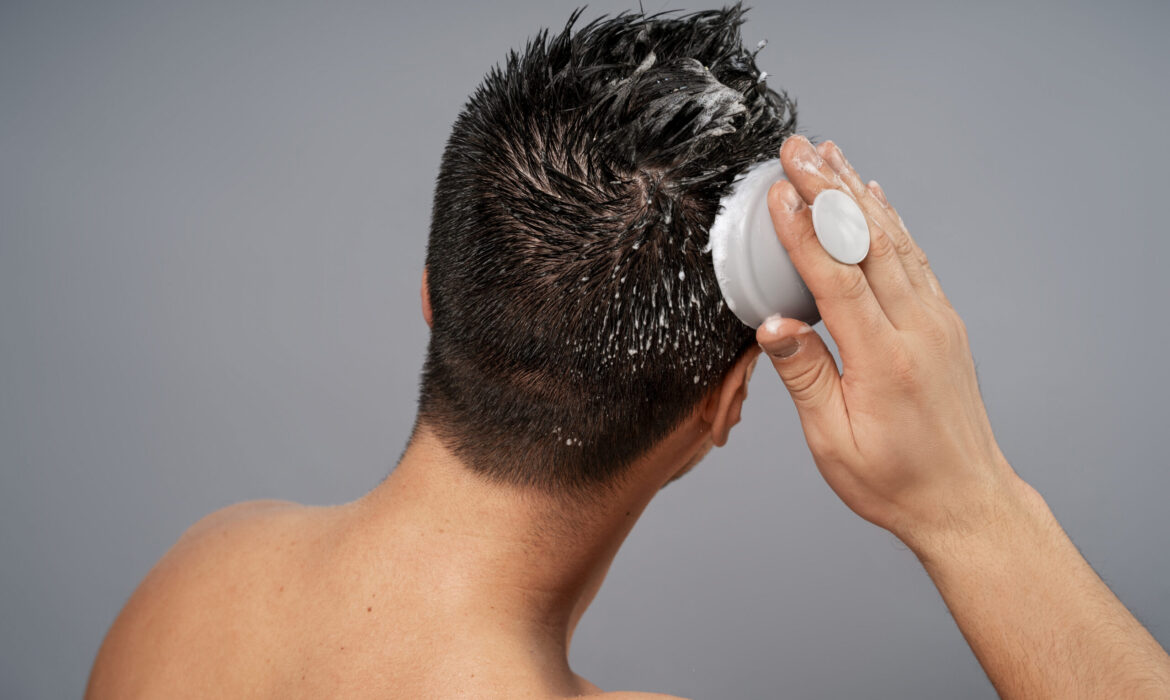
Having a strong, healthy head of hair does not occur by coincidence – it takes dedication, correct products and good habits. In this guide, we will run through the best hair care routine for men, provide practical suggestions and insight to help maintain a clean, healthy scalp and strong hair. Whether you are struggling with dandruff, experiencing hair thin, or just want to level your grooming game, this guide is for you.
Understanding Your Hair Type
It is important to understand your hair type before you start building your routine. Men’s hair can be straight, wavy, curly or coily, and each type has specific requirements. Straight hair can be rapidly oily and requires more frequent washing, while curly or coily hair is dry and has benefits from deep hydration. Knowing the type of your hair will help you choose the right products and will set the expectations of realistic grooming.
Use a Conditioner
Conditioning is not optional – especially if you want soft, managable hair. After each washing, apply a conditioner to repay the moisture and repair any damage. Leave it for at least 2-3 minutes before rinsing well. A good conditioner helps to reduce the frizz, prevent breakdown, and gives your hair a smooth texture.
How Diet and Hydration Impact Your Hair Health
A balanced diet and proper hydration are often underestimated by reducing hair care. Your hair is made of protein, so protein -rich diets, omega -3 fatty acids, and vitamins such as biotin, B12 and E help in promoting hair growth and strength. Drinking enough water keeps your scalp hydrated and free from dryness or irritation, supporting your hair care routine from the inside out.
Avoid Over-Styling
Excessive use of hair gel, wax and spray can lead to product buildups, clogged follicles and even hair loss time. Stick to light, non-comedogenic products and always wash out styling products before bed. If you are using the heat tool, apply a heat protector to prevent damage.
Experienced dermatologists and trichologists
Evidence-based scalp care protocols
Over 800+ positive Google reviews
State-of-the-art treatment technology
Located in Padur, Chennai for easy access
We don’t just treat dandruff—we work toward restoring your scalp’s health permanently.
Regular Haircuts for Maintenance
Even if you’re growing your hair out, trimming every 4–6 weeks helps remove split ends and keeps your hairstyle looking sharp. Regular haircuts promote healthy growth and prevent your hair from looking messy or unwanted.
Scalp Care Matters
Healthy hair begins with a healthy scalp. To remove dead skin and improve blood circulation, exfoliate your scalp once a week using a scalp scrub or clarify the shampoo. Massage your scalp regularly to stimulate hair follicles and increase growth. It is one of the most underrated men’s hair care tips, but also one of the most effective.
Choose the Right Hair Products
Use products that correspond to your hair type and needs. Men with thin or fine hair may benefit from volumizing shampoos, while people with curly or thick hair require more hydrating and curl-enhancing formulas. Always check the ingredient label – avoid harsh sulfates, parabens and alcohol.
Control Hair Fall with Targeted Solutions
Hair fall is common in men due to stress, genetics and environmental factors. To control this, use anti-hair fall shampoos, include essential oils such as henna or peppermint, and consider medical remedies such as minoxidil under the guidance of a dermatologist. Do not ignore natural remedies – onion juice and aloe vera have shown promising results for some users.
Protect Your Hair From the Environment
Pollution, UV rays and hard water can wreak havoc on your hair. Wear a hat directly in the sun, use a leave-in conditioner with SPF, and rinse the hair after swimming to remove chlorine or salt. Installing shower filters can also help reduce harm from hard water.
Be Consistent With Your Grooming Routine
The key to obtaining long -term results is stability. Do not expect miracles overnight – whether you are facing hair fall or dullness, ensure gradual but permanent improvement every day after a structured routine.
FAQs
What is the best daily hair care routine for men?
A good daily hair care routine for men includes gentle cleansing with a suitable shampoo, regular scalp massage, proper conditioning, and avoiding excessive heat or harsh styling products.
How often should men wash their hair?
Most men should wash their hair 2–3 times a week. Those with oily scalp may need more frequent washing, while dry or curly hair types benefit from fewer washes.
Which shampoo is best for men’s hair?
The best shampoo depends on hair type and scalp condition. Men with hair fall, dandruff, or oily scalp should choose dermatologist-recommended shampoos with mild, sulfate-free formulas.
Is oiling necessary for men’s hair care?
Oiling helps nourish the scalp and improve hair texture, but it should be done in moderation. Over-oiling or leaving oil overnight can clog pores and worsen dandruff.
How can men prevent hair fall naturally?
Maintaining a balanced diet, managing stress, exercising regularly, and following a consistent hair care routine can help reduce hair fall. Medical advice is recommended if hair loss is excessive.
Does using hair gel or wax damage hair?
Frequent use of hair styling products can cause scalp buildup and dryness if not washed properly. Use them sparingly and clean the scalp regularly.
What role does diet play in men’s hair health?
Protein, iron, vitamins, and minerals are essential for healthy hair growth. Poor nutrition can lead to weak, thinning hair over time.
Can men with dandruff follow the same hair care routine?
Men with dandruff need a specialized routine that includes anti-dandruff shampoos and proper scalp care. Regular products may not effectively treat dandruff.
When should men consult a dermatologist for hair problems?
If hair fall is sudden, excessive, or accompanied by scalp itching or thinning, consulting a dermatologist is recommended for early diagnosis and treatment.
Does a proper hair care routine help prevent baldness?
A good hair care routine supports scalp health and slows damage, but genetic baldness requires medical or advanced treatment for effective control.
Book Your Consultation Today!
For Personalised Treatment visit Dr. Hanan Clinic. Feel confident and proud with our expert care.