
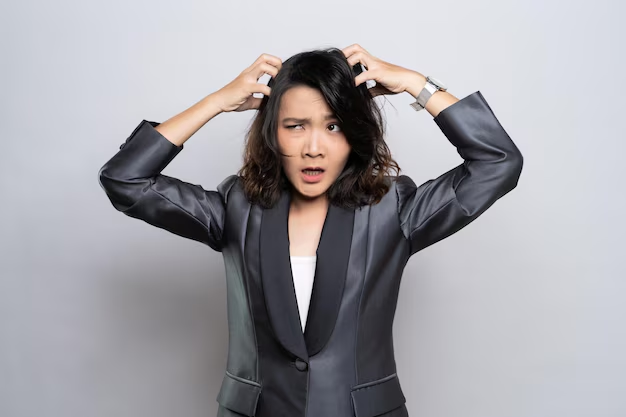
Can Stress Cause Hair Loss? Dermatologists Tips
Can Stress Cause Hair Loss? Dermatologists Tips
Can stress cause hair loss? Learn what top dermatologists in Chennai say about the link between stress and hair fall, types, treatments, and recovery tips.
Why Seasonal Skin Care Matters in Chennai
Hair loss is a concern that affects millions globally, and one common but often overlooked cause is stress. In a city like Chennai, where fast-paced lifestyles, work pressure, and environmental changes are constant, stress-related hair fall is becoming increasingly common. At Dr. Hanan Dermatology Speciality and Trichology Clinic, our dermatologists frequently treat patients whose hair loss is directly or indirectly triggered by stress.
In this blog, we’ll explore the scientific link between stress and hair loss, the different types of hair fall caused by stress, symptoms to watch out for, and expert treatment options available in Chennai.
How Does Stress Cause Hair Loss?
Stress affects the body in multiple ways—and your scalp and hair follicles aren’t spared. When the body undergoes emotional or physical stress, it can disrupt the normal hair growth cycle. This disruption leads to excessive shedding, thinning, or even hair loss in patches.
Chronic stress can trigger hormonal imbalances, reduce blood flow to the scalp, and elevate levels of cortisol (the stress hormone), all of which negatively affect hair health. Inflammation caused by stress can also damage the hair follicles and slow down hair production.
Studies have shown that stress can impact the anagen (growth) phase of the hair cycle, causing more hairs to shift into the telogen (resting) phase prematurely. This leads to a noticeable increase in hair fall within a few months of the stressful event.
Types of Stress-Related Hair Loss
There are three main types of hair loss that are scientifically linked to stress:
Telogen Effluvium
This is the most common form of stress-induced hair loss. During Telogen Effluvium, a large number of hair follicles prematurely enter the resting phase (telogen), causing increased shedding.
Symptoms: Noticeable hair fall while combing, washing, or on your pillow.
Triggers: Sudden illness, high fever, emotional trauma, childbirth, or crash diets.
Recovery: Usually resolves in 3–6 months once the stressor is removed.
Alopecia Areata
This is an autoimmune condition where the immune system attacks hair follicles, often triggered by extreme stress.
Symptoms: Sudden hair loss in round patches, usually on the scalp. In some cases, it may affect eyebrows or beard.
Triggers: Emotional stress, family history, autoimmune disorders.
Treatment: Corticosteroids, immunotherapy, and stress management.
Trichotillomania
This is a psychological condition where a person feels the urge to pull out their hair due to anxiety or emotional distress.
Symptoms: Patchy hair loss, broken hairs, and thinning. Most common in adolescents and young adults.
Management: Behavioral therapy, psychological support, and dermatological care.
Expert-Backed Treatments in Chennai
At Dr. Hanan Dermatology Speciality and Trichology Clinic, we offer specialized diagnostics and treatment plans for stress-induced hair loss:
- PRP (Platelet-Rich Plasma) Therapy: Promotes growth by stimulating hair follicles and increasing scalp health.
- Minoxidil and Topical Serums: Helps prolong the growth phase of hair and reduce shedding.
- Hair Regrowth Supplements: Targets internal deficiencies caused by stress, including biotin, zinc, and vitamin D.
- Laser Therapy for Scalp: Improves blood circulation and strengthens follicles.
- Counseling and Stress Management Referrals: For cases linked with anxiety or depression, we refer you to our in-house mental health experts.
We believe in combining internal wellness with external treatment for holistic hair recovery.
How to Prevent Stress-Related Hair Loss
Practice Regular Relaxation Techniques: Yoga, meditation, and breathing exercises have been shown to lower cortisol levels.
Sleep Well: Aim for 7–8 hours of sleep every night to help the body repair and regenerate.
Maintain a Balanced Diet: Include foods rich in iron, protein, omega-3 fatty acids, and antioxidants.
Avoid Over-Styling and Harsh Products: Reduce the use of flat irons, harsh dyes, and chemical treatments.
Stay Hydrated: Water supports scalp health and nutrient delivery to follicles.
When to See a Dermatologist
If you’re experiencing sudden, excessive hair loss or patchy bald spots, don’t wait. The earlier the diagnosis, the more effective the treatment. At Dr. Hanan Clinic, we perform detailed scalp analysis, trichoscopy, and blood tests to identify the root cause.
Our dermatologists then customize a treatment plan to not only stop the hair loss but also encourage healthy regrowth.
When to See a Dermatologist
Stress-related hair loss is more common than most people realize, especially in a high-stress environment like Chennai. The good news? With expert guidance and timely treatment, most people can fully recover and enjoy healthy hair once again.
If you’re concerned about hair thinning or sudden shedding, visit Dr. Hanan Dermatology Speciality and Trichology Clinic. We’ll help you identify the cause, relieve your stress, and restore your confidence—one strand at a time.
Frequently asked Questions
Yes. In most cases, once the stressor is removed and the body returns to a balanced state, hair often begins to regrow. Treatments like PRP and topical solutions can accelerate this recovery. Learn more about PRP Treatment for Hair Loss in Chennai.
Depending on the type and severity, stress-related hair loss may last from 3–6 months. Recovery depends on early intervention and proper treatment. Find solutions through our Hair Regrowth Treatments in Chennai.
Sudden, diffuse hair shedding after a stressful event (like illness, surgery, or emotional trauma) is a strong indicator. A dermatologist can confirm this through scalp examination and history. Consider reading Hair Fall While Combing: Best Ways to Minimize It.
In most cases, stress-related hair loss is temporary. However, chronic stress or delayed treatment can worsen underlying conditions and prolong recovery. For further understanding, see Hair Transplant Pain: What Should You Expect?.
Book Your Consultation Today!
For Personalised Treatment visit Dr. Hanan Clinic. Feel confident and proud with our expert care.
Table of Contents

Scalp Health Before Hair Transplant: Why Preparation Matters
Scalp Health Before Hair Transplant: Why Preparation Matters
Healthy scalp before hair transplant ensures lasting results. At Dr. Hanan Clinic, Chennai, treating scalp issues boosts graft survival and growth.”
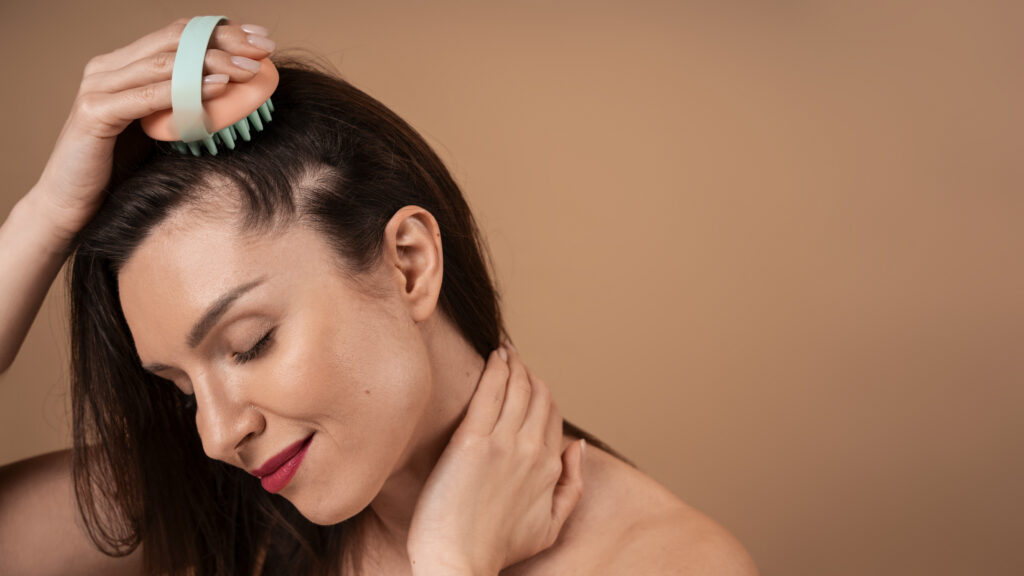
Hair transplantation has become one of the most effective and permanent solutions for baldness and thinning hair. However, what many patients don’t realize is that the success of a hair transplant depends heavily on the condition of the scalp before surgery. Preparing your scalp is not just a recommendation—it is a crucial step that influences graft survival, healing, and long-term results.
At Dr. Hanan Dermatology Speciality and Trichology Clinic, Chennai, we emphasize scalp health as the foundation for natural, lasting hair transplant outcomes. In this blog, our dermatologists explain why scalp preparation is important, what steps patients should take, and how to maximize transplant success.
Why Is Scalp Health Important Before a Hair Transplant?
Your scalp is the “soil” where transplanted hair grafts will grow. If the scalp is unhealthy—due to dandruff, infections, poor circulation, or inflammation—the newly transplanted follicles may not survive. A well-prepared scalp ensures:
- Stronger Graft Survival: Healthy scalp tissue provides proper blood supply and nutrients.
- Faster Healing: A clean, hydrated scalp recovers quicker with less post-surgical discomfort.
- Reduced Risk of Infection: Pre-treatment prevents scalp infections or folliculitis.
- Natural Results: A well-conditioned scalp ensures transplanted hair grows seamlessly with existing hair.
Patients often ask, “Does scalp condition really affect transplant success?” The answer is yes. Studies show that poor scalp health can lower graft survival rates by up to 20–30%.
Common Scalp Issues That Must Be Treated Before Transplant
Many patients in Chennai visit us with pre-existing scalp concerns. These must be addressed before the transplant procedure:
- Dandruff & Seborrheic Dermatitis – Flaky, itchy scalp increases inflammation.
- Scalp Infections – Bacterial or fungal infections can interfere with graft healing.
- Psoriasis & Eczema – Chronic skin conditions cause irritation and scarring.
- Oily & Congested Scalp – Excess sebum clogs pores and affects graft anchoring.
- Poor Circulation – Stress and lifestyle factors can reduce blood flow to hair follicles.
Our dermatologists treat these conditions in advance using medicated shampoos, antifungal therapies, and topical solutions before moving forward with surgery.
Steps to Prepare Your Scalp Before a Hair Transplant
Medical Consultation and Scalp Analysis
At Dr. Hanan Clinic, every patient undergoes trichoscopy and scalp analysis before planning surgery. This helps us identify dandruff, scalp infections, or poor skin barrier function. Based on the results, we customize a scalp preparation plan.
Use Dermatologist-Prescribed Shampoos
Patients are advised to use medicated shampoos containing:
- Ketoconazole (for dandruff and fungal issues)
- Zinc pyrithione (for oil control)
- Salicylic acid (for scalp exfoliation)
These shampoos reduce flakes, clean the pores, and create an ideal environment for transplant grafts.
Improve Blood Circulation
A healthy scalp requires good blood flow. We recommend:
- Scalp massage with dermatologist-approved oils to stimulate circulation.
- Low-Level Laser Therapy (LLLT) sessions for patients with poor scalp vascularity.
Lifestyle changes—regular exercise and stress management.
Avoid Smoking and Alcohol
Nicotine and alcohol reduce oxygen flow in the bloodstream, delaying wound healing. Patients must stop smoking and drinking at least 2 weeks before surgery to ensure better graft survival.
Treat Pre-Existing Conditions
If you have scalp psoriasis, eczema, or dermatitis, these must be treated first. At our clinic, we use topical steroids, anti-inflammatory serums, and oral medications when required. Transplantation is only scheduled once the scalp is stable
Maintain Scalp Hygiene
Simple hygiene measures matter:
- Wash hair regularly with mild shampoo.
- Avoid harsh styling products (gels, sprays).
- Do not scratch or pick at the scalp.
Nutrition for Scalp Health
Diet directly affects scalp condition. Patients are encouraged to include:
- Protein-rich foods (fish, eggs, legumes)
- Iron and zinc (green leafy vegetables, nuts)
- Omega-3 fatty acids (flaxseed, walnuts, salmon)
- Vitamin C and antioxidants (citrus fruits, berries)
Supplements may also be prescribed for patients with deficiencies.
Post-Preparation: What to Expect During Surgery
Once your scalp is ready, you’re fit for surgery. At Dr. Hanan Dermatology Speciality and Trichology Clinic, we use advanced methods like FUE (Follicular Unit Extraction) and FUT (Follicular Unit Transplantation). A healthy scalp allows:
- Faster healing of donor areas.
- Better anchoring of transplanted follicles.
- Reduced risk of complications.
Expert Advice from Dr. Hanan Clinic
Our dermatologists emphasize that a hair transplant isn’t just about surgery—it’s about preparation and aftercare. We guide patients at every step:
- Scalp health optimization before surgery.
- Customized aftercare plans.
Follow-up treatments like PRP therapy to boost graft survival.
For more insights, check out:
- Hair Transplant Aftercare Tips: Ensuring Long-Term Results
- Best Hair Transplant Clinic in Chennai
Final Thoughts
The success of your hair transplant doesn’t begin in the operation room—it begins weeks before, with proper scalp preparation. By treating dandruff, infections, and poor circulation in advance, you give your grafts the best possible chance to survive and thrive.
At Dr. Hanan Dermatology Speciality and Trichology Clinic, Chennai, our expert dermatologists ensure every patient is prepared, treated, and supported throughout the journey. Healthy scalp equals healthy results.
Book Your Consultation Today!
For Personalised Treatment visit Dr. Hanan Clinic. Feel confident and proud with our expert care.
Table of Contents
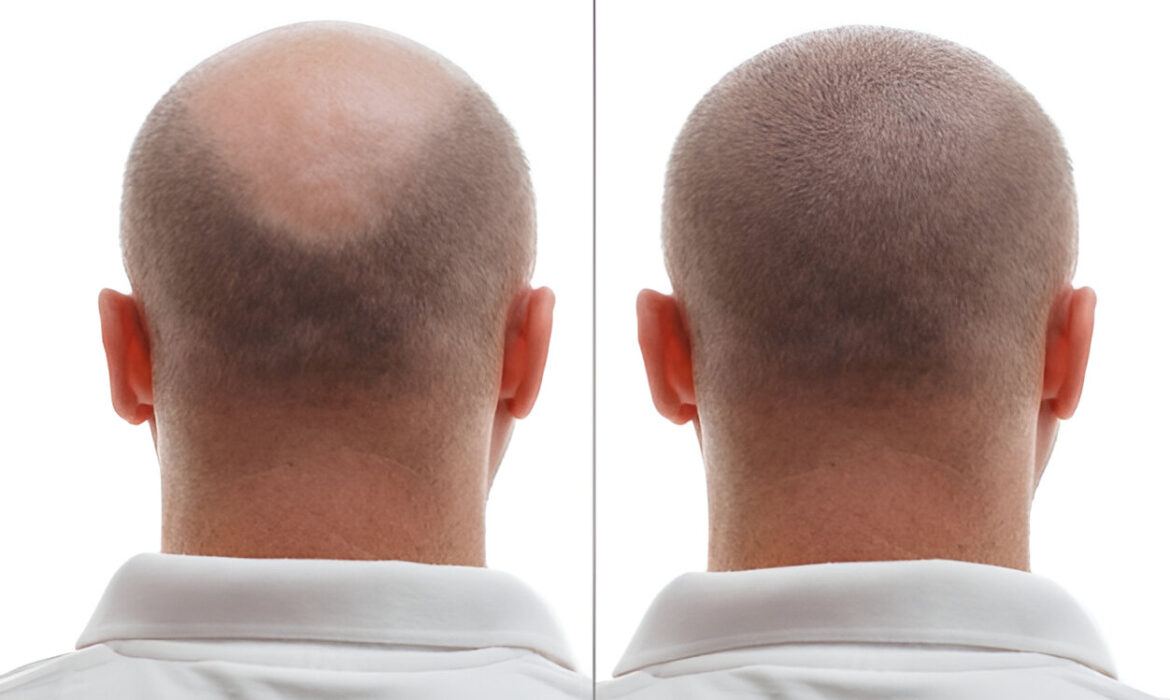
Benefits of Hair Transplant: Why It’s the Best Solution for Hair Loss
Benefits of Hair Transplant: Why It’s the Best Solution for Hair Loss
Learn the key benefits of hair transplant for permanent, natural hair growth. Get expert treatment at Dr. Hanan Dermatology Clinic!
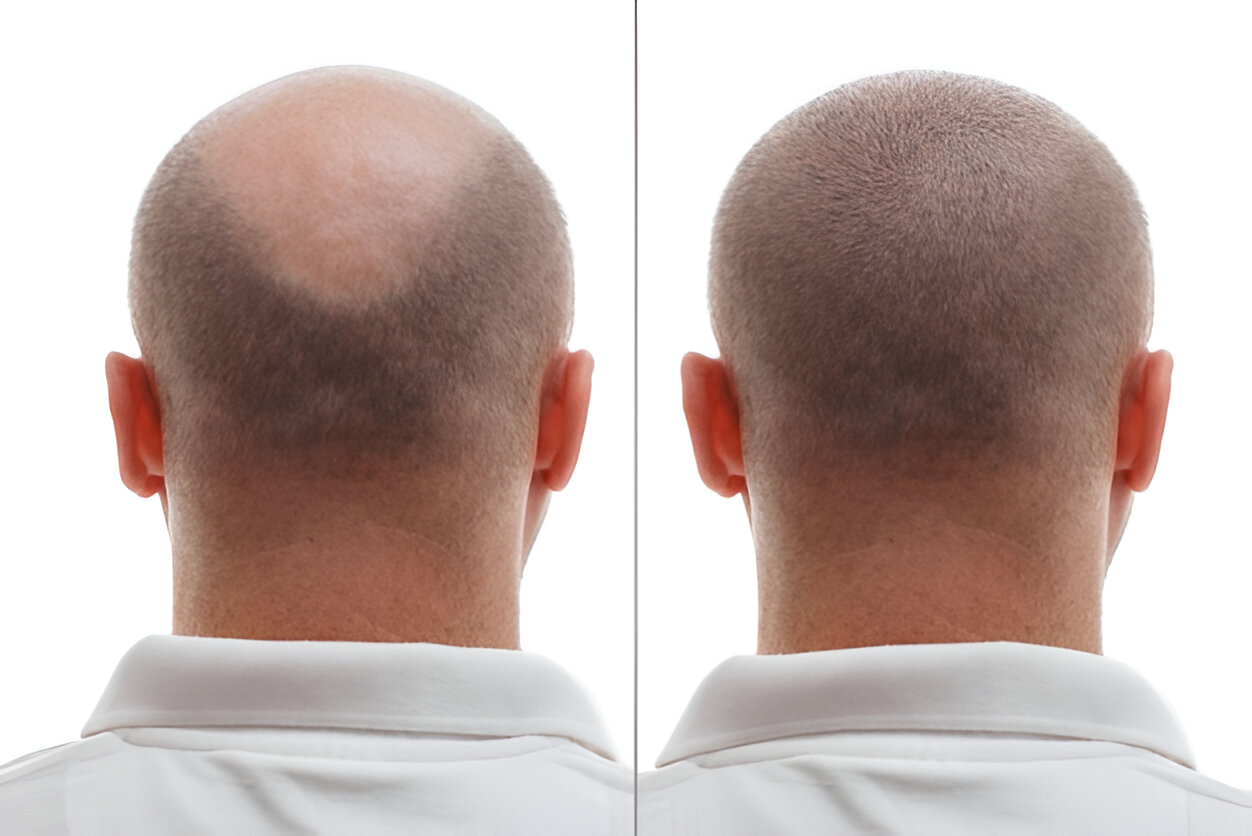
Hair transplant is one of the most effective and permanent solutions for hair loss. Whether you are struggling with male or female pattern baldness or thinning of hair, a hair transplant can restore your confidence and natural hair growth. In this blog, we will find out the top benefits of hair transplantation and Why Dr. Hanan Dermatology Specialty and Trichology Clinic is the best option for this life-changing procedure.
Permanent and Natural Results
The biggest advantage of hair transplant is that it provides long -lasting and natural looking results. Unlike temporary solutions such as wig, hair fiber, or medication, hair transplantation uses your own hair follicle, which ensures a spontaneous mix with your existing hair. Transplanted hair naturally grows, making it impossible to differentiate from the rest of your hair.
Boosts Self-Confidence
Hair loss can lead to a toll on a person’s self -esteem and mental health. A successful hair transplant restores your hair and helps you regain confidence. Many patients experience a better quality of life and feel more comfortable in social and professional settings after the process.
Low Maintenance
Once transplanted hair starts growing, it does not require any special maintenance. You can wash your hair, style and cut as before. Unlike hair extensions or wigs, which require continuous adjustment and special care, a hair transplant is struggle free.
Cost-Effective in the Long Run
While a hair transplant may look expensive initially, this is a one -time investment. Unlike the treatment of hair loss, the cost of medication, PRP therapy, or hair growth products requires the ongoing cost, a hair transplant is permanent, which saves you in long periods.
Safe and Painless Procedure
With Advancement in medical technology, hair transplant is now a safe and minimum invasive process. Modern techniques such as FUE (follicular unit extraction) and FUT (follicular Unit Transplantation) ensure minimal pain and a comfortable experience with a quick recovery. The process is performed under local anesthesia, making it almost painless.
Minimal Downtime and Quick Recovery
A hair transplant requires minimal recovery time, allowing you to return to your daily activities within a few days. Most patients experience minor swelling or redness, which decreases within a week. The proper post-process ensures a smooth and rapid recovery after care.
No Risk of Allergic Reactions
Since a hair transplant uses your own hair follicle, there is no risk of allergic reactions or incompatibility. Unlike synthetic treatment or hair implants, which might cause side effects, a hair transplant is completely natural and biocompatible
Suitable for Both Men and Women
Hair transplantation is not only for men! Women suffering from hair Thinning, Receding hairlines, or bald patches can also benefit from this process. Transplant techniques are optimized based on the pattern of individual hair loss to ensure the best results for both male and female patients
Permanent Solution for Various Types of Hair Loss
Hair transplant processes are effective in treating various types of hair loss, including:
- Male and female pattern baldness (androgenetic alopecia)
2. Hair loss due to trauma (irritation, injury, or surgery scars)
3. Hair loss due to medical conditions such as traction alopecia
4. Restoring eyebrows, beards, and mustaches for those who are with patchy or absent facial hair
Performed by Expert Dermatologists at Dr. Hanan Dermatology Speciality & Trichology Clinic
If you are considering a hair transplant, it is important to choose the right clinic and experienced professionals. Dr. Hanan Dermatology Specialty and Trichology Clinic is a major hair transplant clinic in Chennai, known for it: of expert dermatologist and hair transplant specialist. Proven results with high success rates, Excellent patient care and post-transplant follow-up
Conclusion:
A hair transplant is a life -changing procedure that provides a permanent, natural and effective solution for hair loss. If you are looking for the best hair transplant clinic in Chennai, then Dr. Hanan Dermatology Specialty and Trichology Clinic.
💡 Book your consultation today and take the first step towards restoring your hair and confidence!
Ready for Permanent Hair Restoration?
Wondering if a hair transplant is permanent? Book a consultation with our specialists and get personalized guidance for long-lasting results!