
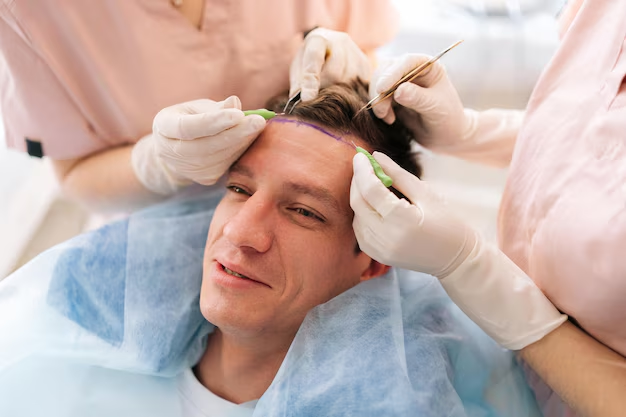
How Many Grafts Do You Need for a Successful Hair Transplant?
How Many Grafts Do You Need for a Successful Hair Transplant?
Wondering how many grafts you need for a successful hair transplant? Learn graft requirements, costs, and expert insights
How Many Grafts Do You Need for a Successful Hair Transplant: Hair loss can be emotionally challenging, especially when it starts affecting your confidence and appearance. For many, a hair transplant in Chennai offers a permanent, natural-looking solution. But one of the most common questions patients ask is: “How many grafts do I actually need for a successful hair transplant?”
The answer isn’t one-size-fits-all. It depends on your stage of baldness, hair density goals, and the technique used. At Dr. Hanan Dermatology Speciality and Trichology Clinic, we provide personalized assessments to determine the exact number of grafts required for long-term, natural results.
What Are Hair Grafts?
A hair graft is a small piece of skin containing hair follicles. Each graft can contain anywhere from 1 to 4 hair follicles. During a hair transplant, these grafts are extracted from the donor area (usually the back or sides of the scalp) and implanted into thinning or balding areas.
The number of grafts you need directly determines:
- The density of your new hair
- The coverage area (front hairline, crown, or full scalp)
- The cost of the procedure
Factors That Decide How Many Grafts You Need
Stage of Baldness (Norwood Scale)
Dermatologists use the Norwood Scale to classify male pattern baldness.
- Early stages (Norwood 2–3): May need 800–1,500 grafts.
- Moderate baldness (Norwood 4–5): Around 2,000–3,000 grafts.
- Advanced baldness (Norwood 6–7): 3,500–5,000+ grafts may be required.
Desired Hair Density
Some patients want a fuller, denser look, while others are satisfied with moderate coverage. The higher the density goal, the more grafts are needed.
Donor Area Availability
Your donor area (the back and sides of the scalp) must have enough strong, healthy follicles to supply grafts. If the donor area is limited, we plan carefully to balance density and coverage
Hair Characteristics
- Thicker hair → Fewer grafts needed for coverage
- Curlier hair → Appears denser
- Straight, fine hair → Requires more grafts for the same effect
Hair Characteristics
- FUE (Follicular Unit Extraction): Individual grafts are extracted. Best for precision and minimal scarring.
- FUT (Follicular Unit Transplantation): A strip of skin is removed and divided into grafts. Suitable for higher graft numbers in a single session.
Average Grafts Required for Different Areas
- Hairline Restoration: 800–1,200 grafts
- Frontal Zone (forehead area): 1,500–2,000 grafts
- Crown Area (vertex): 1,000–2,500 grafts
- Full Head Coverage: 3,000–5,000+ grafts
Example: A patient with moderate baldness (Norwood 4) may need around 2,500 grafts to restore the hairline and crown area with natural density.
How Many Sessions Will You Need?
Depending on your graft requirement and donor supply:
- Low grafts (1,500 or less): Usually completed in one session.
- High grafts (3,500+): May require two sessions for best results.
At Dr. Hanan Clinic, our dermatologists assess the scalp, donor density, and hair goals before planning the session count.
Does More Grafts Always Mean Better Results?
Not necessarily. While more grafts may give higher density, quality and placement matter more than quantity. Poorly placed or low-survival grafts won’t give natural results, no matter how many are implanted.
That’s why it’s essential to choose an experienced clinic with advanced technology. At Dr. Hanan Dermatology Speciality and Trichology Clinic, we use FDA-approved tools and follow strict protocols to ensure graft survival and natural outcomes.
Cost of Hair Transplant by Graft Count in Chennai
The cost of hair transplant in Chennai is usually calculated per graft:
- ₹30–₹45 per graft (depending on technique and clinic expertise).
So, a 2,000-graft transplant may cost around ₹60,000–₹90,000, while a 4,000-graft transplant could cost ₹1.2–₹1.6 lakhs.
Investing in the right number of grafts ensures not just coverage, but a natural hairline and lasting results.
Final Thoughts
The number of grafts you need for a successful hair transplant depends on baldness level, donor area, and personal goals. More grafts don’t always equal better results – skilled placement, advanced technology, and aftercare matter the most.
At Dr. Hanan Dermatology Speciality and Trichology Clinic, we take a personalized approach, ensuring every graft counts toward natural, lasting hair restoration.
Book Your Consultation Today!
For Personalised Treatment visit Dr. Hanan Clinic. Feel confident and proud with our expert care.
Table of Contents
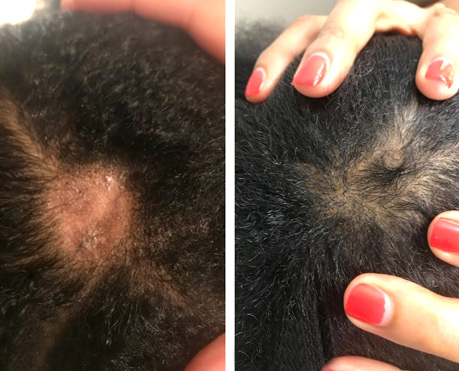
How to Regrow Hair on Bald Spots Fast | Proven Tips & Tricks
How to Regrow Hair on Bald Spots Fast | Proven Tips & Tricks
Discover effective methods to regrow hair on bald spots quickly. Follow these simple steps for faster results and fuller hair.
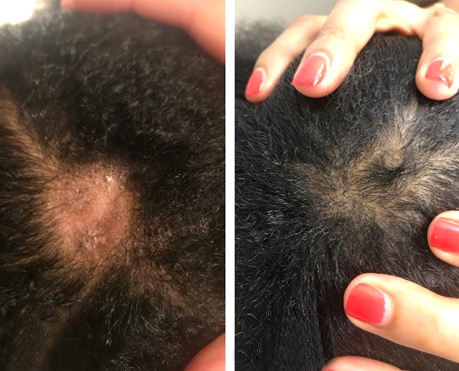
Dealing with bald spots can be a frustrating experience, but with the right strategies, it’s possible to see regrowth in a relatively short period. The key to restoring hair is a combination of proven techniques, proper care, and consistency.
Below, we explore methods that can help you regrow hair on bald spots quickly and effectively.
Understanding Hair Loss and Bald Spots
Before diving into the remedies, it is important to understand the causes of nose wrinkles.
Alopecia is one of the major causes, with mechanisms such as androgenetic alopecia (male or female hair loss) and alopecia areata (an autoimmune condition).
Poor nutrition, stress, and hormonal imbalances are other causes. Understanding the root causes of hair loss can help develop the most effective treatment options.
Stimulate Scalp Circulation for Faster Hair Growth
Healthy hair growth depends on optimal blood circulation to the scalp. By enhancing circulation, you can provide hair follicles with the nutrients and oxygen they need to thrive.
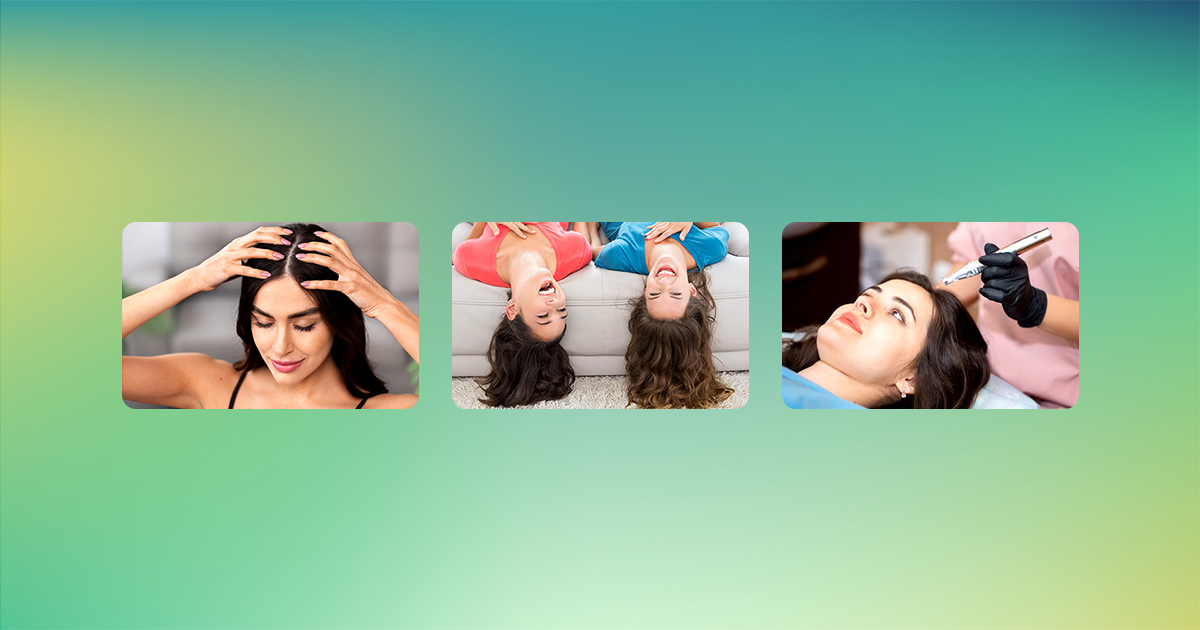
1. Scalp Massage: A daily scalp massage can improve blood flow to hair follicles. Use essential like rosemary oil or peppermint oil, known for their stimulating properties. A 5-10 minute massage each day can make a significant difference.
2. Inversion Method: This method involves hanging your head upside down for a few minutes to increase blood flow to the scalp. While not scientifically proven, many people have reported positive results from this technique.
3. Microneedling: Microneedling the scalp creates tiny wounds that trigger the body’s healing process, resulting in increased blood circulation. Using a derma roller with 0.5mm needles a few times a week can help stimulate hair growth.
Topical Treatments to Regrow Hair on Bald Spots
Certain topical treatments are backed by science to restore hair growth. These can be especially effective when applied directly to bald areas.
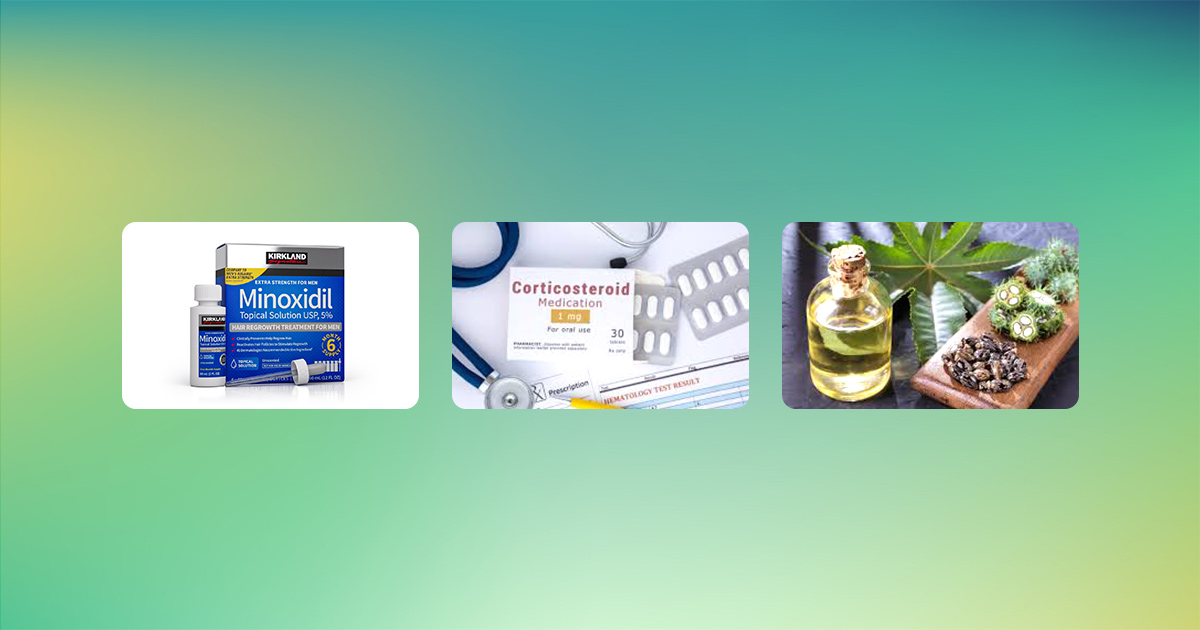
1. Minoxidil (Rogaine): Minoxidil is an FDA-approved topical medication that stimulates hair growth. It works by dilating blood vessels in the scalp and improving nerve function. Apply it on the affected areas twice a day.
2. Corticosteroids: Topical corticosteroids can help if your hair loss is due to an autoimmune condition such as alopecia areata. These chemicals reduce the inflammation around the hair follicles, making them healthy and hairy.
3. Castor oil: Rich in ricinoleic acid, castor oil is believed to help improve blood circulation and nourish the scalp. Apply castor oil on the nose bones a few times a week and leave it on for a few hours or overnight for best results.
Ensure Your Diet Supports Hair Regrowth
A healthy diet is vital for hair health. Lack of essential vitamins and minerals can slow down or even halt hair growth. Here’s what you should focus on:
a. Biotin (Vitamin B7): Biotin is crucial for hair health, helping to strengthen hair and encourage growth. Foods like eggs, nuts, seeds, and sweet potatoes are rich in biotin.
b. Iron: Low iron levels are a common cause of hair loss. Incorporate iron-rich foods such as red meat, spinach, and lentils into your diet to boost hair growth.
c. Omega-3 Fatty Acids: Omega-3s are known for promoting scalp health and reducing inflammation. Foods like salmon, chia seeds, and walnuts are excellent sources.
d. Vitamin D: A deficiency in vitamin D has been linked to hair loss. Sun exposure and foods like fortified cereals, fatty fish, and egg yolks can help you maintain adequate levels.
e. Zinc: Zinc is essential for tissue repair and hair growth. Include zinc-rich foods such as oysters, beef, and chickpeas in your diet.

Medical Treatments for Bald Spots
If natural methods aren’t enough, hair loss treatment can provide quick and reliable results. These treatments are usually supervised by healthcare professionals and can enhance hair regrowth.
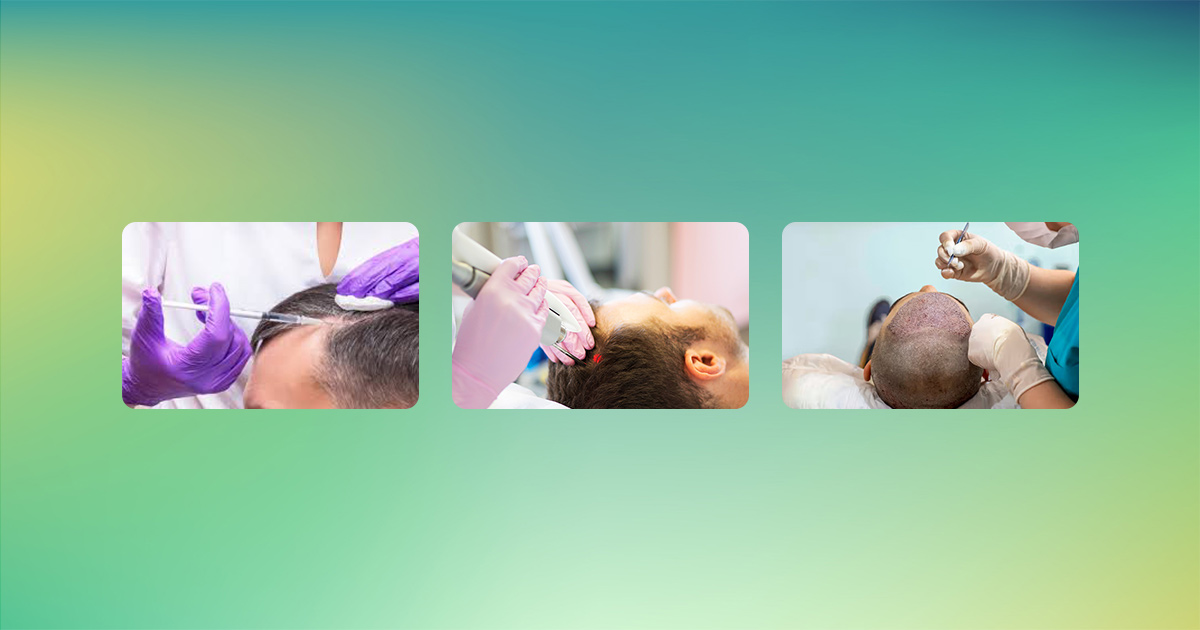
Platelet-Rich Plasma (PRP) Therapy: PRP therapy involves taking a small sample of your blood, processing it to increase platelet aggregation, and then injecting it into the scalp Things stimulating platelet growth stimulate the scalp to encourage new growth.
Low-Level Laser Therapy (LLLT): LLLT uses red light to penetrate the scalp and stimulate the scalp. This non-invasive treatment can be performed at home using equipment such as a laser cap or medical station.
Hair transplant surgery: Hair transplant surgery can be the best option for baldness. It involves transferring healthy hair follicles from one side of the scalp to the area of baldness, promoting permanent and natural hair growth
Manage Stress and Improve Overall Wellness
Stress can cause hair loss, so it’s important to manage stress levels during your hair’s regrowth journey. Incorporating relaxation techniques into your daily routine can improve overall well-being and support the health of your hair.
Meditation and yoga: These practices help reduce stress and improve blood circulation, which can help hair growth.
Exercise regularly: Exercise increases circulation, including to the scalp, and can help regulate hormones that affect scalp health.
Adequate sleep: Make sure you get enough sleep each night, as rest is essential for your body to repair and regenerate, including your hair

Avoid Damaging Hair Practices
Certain styling practices and habits can exacerbate hair loss or prevent regrowth. To protect your hair and encourage new growth, avoid:
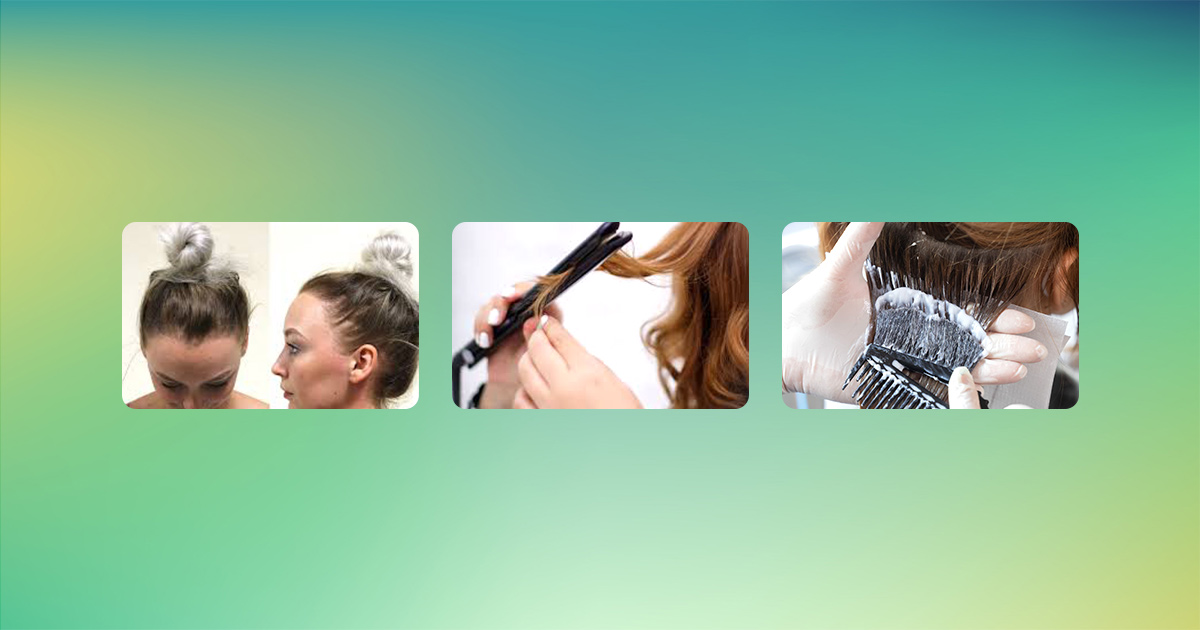
a. Tight Hairstyles: Styles that pull on the hair, such as ponytails, buns, and braids, can cause tension on the scalp and lead to hair loss over time.
b. Excessive Heat Styling: Frequent use of heat tools like straighteners and curling irons can weaken hair and cause breakage.
c. Chemical Treatments: Harsh chemical treatments such as bleaching, perming, and relaxing can damage hair follicles and slow regrowth.
Stay consistent and patient
Hair growth is a slow process, usually half an inch per month. It is important to be consistent and patient with your treatments. Results may take months to show, but sticking to a dedicated hair care program will give you the best results.
Consult Dr. Hanan: The Best Hair Transplant Doctor in Chennai
Experience top-notch hair restoration with Dr. Hanan, renowned as the leading hair transplant specialist in Chennai.
With her extensive expertise and advanced techniques, Dr. Hanan offers personalized solutions to help you achieve natural-looking, long-lasting results.
Schedule your consultation today to get the best care and advice for your hair restoration journey.
Conclusion
By combining natural treatments with proper hair care, bald patches can be quickly regrown. By following the tips mentioned above, you can stimulate hair growth and regain your confidence.
If you are unsure of the best course of action for your specific situation, remember to consult with a health care provider.
FAQ’s
1. Can hair regrow on bald spots naturally?
Yes, hair can regrow naturally on bald spots, especially if the hair loss is temporary and caused by factors like stress or nutrient deficiencies. More permanent conditions may need treatment.
2. What are the fastest ways to regrow hair on bald spots?
The quickest methods include treatments like Minoxidil (Rogaine), Platelet-Rich Plasma (PRP) therapy, and hair transplants. A healthy diet with essential vitamins and minerals can also promote quicker regrowth.
3. How long does it take to see results from hair regrowth treatments?
Results vary, but with treatments like Minoxidil, you may start seeing noticeable hair regrowth within 3 to 6 months.
Table of Contents
Is a Hair Transplant Permanent and for How Long?
Is a Hair Transplant Permanent and for How Long?
Is a hair transplant permanent? Understand how long results last, what affects longevity, and how to care for your transplanted hair for the best outcome.
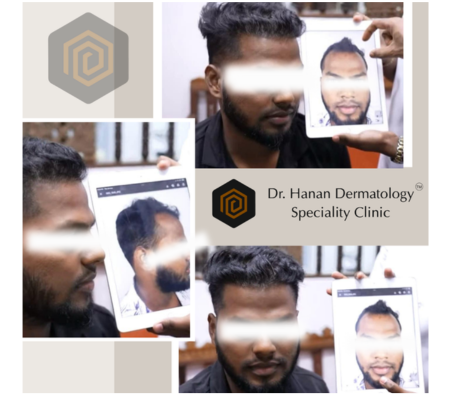
Let’s be honest, if you think of Hair Transplant what’s the first question that comes to your mind? Most people have this question in mind: “Is Hair Transplant permanent?” The answer is absolutely yes!
A hair transplant is designed as a long-term solution for hair loss, using its own natural hair to restore bald or thin areas. The transplanted hair follicle is taken from the donor area – usually the back or sides of your scalp – where hair is resistant to genetically balding. Once these follicles are transplanted into bald spots, they settle, heal, and grow like their natural hair.
What about the healing time? After the procedure, the healing process usually takes about 7 to 10 days, during which there may be minor crusty patches of skin and redness. Within a few weeks, implanted hair can shed – a completely common phase called shock loss – but don’t worry! It makes way for the growth of strong, healthy hair in the next months. From 3 to 6 months, you will start seeing visible regrowth, and in 12 to 18 months, you will enjoy the full, natural looking head of hair.
Two permanent hair transplant techniques used for hair restoration:
1. Follicular Unit Extraction (FUE)
In this method, hair follicles are removed one by one from the donor area using a special tool. These small grafts are then carefully placed in bald spots. Since no major cuts are made, the medical process is fast, and there are no marks. Transplanted hair will grow naturally for a lifetime, giving it a permanent solution to hair loss.
2. Follicular Unit Transplantation (FUT)
This technique involves removing a small strip of skin from the back of the scalp. The strip is then divided into individual hair follicles, which are transplanted into bald areas. Since hair comes from genetically strong areas, it remains permanent and grows like natural hair.
Is a Hair Transplant Permanent?
The simple answer is yes – a hair transplant is a permanent solution to hair loss. The reason for this is that the implanted hair is taken from areas of the scalp which are naturally resistant to balding, which are known as DHT-resistant areas (usually the back of the head and sides). These hair follicles maintain its resistance even after it is transferred to the bald spot, ensuring long – term hair growth.
Factors that ensure long -term success
While a hair transplant is designed to be permanent, many factors contribute to achieving the best and longest lasting results:
A Skilled Surgeon – The proper positioning of hair follicles ensures natural looking results and maximum grafts existence.
Healthy Donor Area – A strong and adequate supply of hair in the donor area affects long -term hair growth.
Proper Aftercare – Following post-transplant instructions, avoiding excessive sunlight, and taking prescribed medications helps maintain results.
Overall Health & Lifestyle – A balanced diet, stress management, and avoiding smoking contribute to hair longevity.
What is expected after the process?
After a hair transplant, the healing and growth process takes place in stages:
Week 1-2: Light redness and scabbing in the transplanted area, which recover in about 7-10 days.
Week 3-6: There is a temporary phase called shock loss, where implanted hair shed-this is completely normal.
Month 3-6: New hair starts growing, and the scalp looks full.
Month 6-12: Hair naturally thickened and continues to mix with existing hair.
12-18 months: Full results appear, with permanent, natural hair growth.
A successful hair transplant does not mean many bald spots, and the results last throughout your lifetime-you get thick, natural looking hair that grows like the rest of the hair of your scalp.
How to Maintain Your Hair Transplant Results for the Long Term:
A hair transplant is a permanent solution, but requires proper care to maintain healthy, long -lasting results. Like natural hair, Transplanted hair requires proper nutrition, scalp care and professional follow -up to stay strong and healthy
Essential Tips for Long-Term Hair Transplant Care
1. Follow a soft hair care routine
- Use a light, sulfate-free shampoo to keep the scalp clean and prevent irritation.
Especially in the early months, avoid scraping or scratching the scalp
You should avoid using rigid chemical remedies such as hair dye, bleaching, or permit for at least 6 months after the procedure.
2. Keep a healthy diet
- Eat a protein – rich diet (eggs, fish, nuts, dairy) to strengthen hair.
- For healthy hair growth, consume vitamins and minerals like biotin, zinc and iron.
- Stay hydrated and reduce additional caffeine and processed foods.
3. Avoid smoking and alcohol
- Smoking reduces hair follicles, which slows growth.
- Excessive alcohol intake can affect the absorption of nutrients, weakening hair.
4. Protect your skull from sunlight
- Wear a hat or use sunscreen on your scalp to protect it from UV damage.
- Avoid exposure to the sun directly for a long time, especially in the first few months.
5. Regular follow – up schedule with a dermatologist
- A professional check-up helps track progress and detect any issue.
- If necessary, your doctor may recommend scalp treatment or medicines.
Role of PRP Therapy and other assistant treatments
PRP (platelet-rich plasma) therapy
PRP therapy is an effective post-transplant treatment that increases hair growth by stimulating hair follicles. This involves drawing a small amount of your blood, processing it to extract growth factors and injecting it into the scalp.
- Strengthens existing and implanted hair
- Gave speed to Healing and Regrowth
- increases hair density and thickness
Other Assistant Treatment
- Minoxidil (topical solution): Helps to encourage growth and maintain results.
- Finasteride (oral medicine): In some cases reduces the hair thinning.
- Scalp massaging: Improve blood circulation and nourish hair follicles.
When to consult a doctor
If you are noticing hair thinning or baldness and considering a hair transplant, the first step you have to do is consult a doctor. A professional assessment helps determine the reason for your hair loss – whether it is genetic, hormonal, or due to lifestyle factors – and whether a transplant is the perfect solution.
Doctors will examine your scalp, They check the healthy donors hair availability, and discuss alternative treatments if necessary.
A doctor consultation also gives you a clear understanding of the procedure, expected results and recovery process. If you have any medical conditions or have medicines that can affect therapy, your doctor will guide you on the required precautions. A quick talk to an expert ensures that you make an informed decision and get the best long – term results for natural hair restoration.
Conclusion:
A hair transplant is a permanent solution to restore natural hair, but success depends on the proper plan, expert execution and aftercare. Understanding the process, treatment process and long -term maintenance ensures the best results, which requires a specialist consultation.
At Dr.Hanan Dermatology Specialty Clinic & Hair Transplant Center, we provide specialist consultation to assess your hair loss and recommend the best treatment for you. Whether you are considering a hair transplant or needs guidance on hair restoration options, our team is here to help.
Book your consultation today and take the first step towards achieving your confidence with a full, and natural looking head of hair.
Ready for Permanent Hair Restoration?
Wondering if a hair transplant is permanent? Book a consultation with our specialists and get personalized guidance for long-lasting results!
Table of Contents
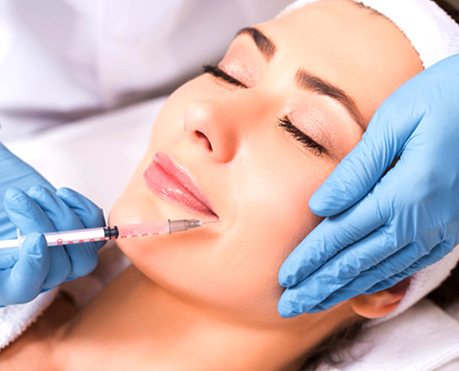
Glutathione IV: Boost Your Skin’s Glow and Health Naturally
Glutathione IV: Boost Your Skin's Glow and Health Naturally
Discover how Glutathione IV treatments enhance your skin’s health and glow. Unlock a radiant complexion naturally with this powerful antioxidant!
Healthy, glowing skin is not only the ideal of beauty. But it also reflects our overall well-being. In the past few years, IV glutathione therapy has received a great deal of attention. Because it is an effective and natural way to enhance skin health and achieve a radiant glow.
By delivering this powerful antioxidant directly into the bloodstream, Glutathione IV provides faster and more effective results compared to oral supplements. But what makes this treatment a true game-changer?
In this comprehensive guide, We’ll explore everything you need to know about Glutathione IV, its benefits, how it works, and why it’s the secret to glowing, healthier skin.
What is Glutathione IV?
Glutathione is a naturally occurring antioxidant found in every cell of the human body. Made from three amino acids: glutamine, cysteine, and glycine, its main function is to neutralize free radicals. Protects cells from oxidative damage. and detoxify the body Our body produces glutathione itself.
But factors such as aging, pollution, stress, poor diet, and too much alcohol can weaken the body. Leads to dull skin, inflammation, and a weakened immune system.
Why is Glutathione Important for Skin Health?
One of the reasons glutathione is so popular in skin care is its ability to brighten and even out skin tone. It works by inhibiting melanin production. This is the pigment that causes dark spots, hyperpigmentation, and uneven skin tone.
This makes it a great choice for individuals who want a fresher, more youthful appearance. Additionally, glutathione’s antioxidant properties help protect the skin from environmental damage. Reduce signs of aging such as wrinkles and fine lines.
How Does Glutathione IV Therapy Work?
IV glutathione therapy involves administering intravenous glutathione directly into the bloodstream. Unlike oral supplements, which must pass through the digestive system and may lose potency during digestion, IV administration ensures that glutathione is immediately and efficiently absorbed by the body. and provide faster and more noticeable results.
The process is very simple: A health professional administers a sterile glutathione solution through an IV drip, which helps the antioxidant circulate throughout the body. Fights oxidative stress and supports the creation of new cells.
Benefits of Glutathione IV for Skin
1. Skin Brightening and Lightening:
One of the most popular uses of Glutathione IV is for skin brightening. It reduces melanin production, giving the skin a lighter and more even tone. Over time, this can help eliminate hyperpigmentation, acne scars, and age spots.
2. Anti-Aging Properties:
Glutathione helps combat free radicals, which are responsible for causing oxidative stress and accelerating skin aging. Regular IV therapy can reduce the appearance of wrinkles, fine lines, and sagging skin, making you look youthful and refreshed.
3. Detoxification and Reduced Inflammation:
Glutathione is a powerful detoxifying agent, helping to cleanse the liver and remove harmful toxins from the body. By reducing inflammation and improving liver function, this antioxidant plays a crucial role in maintaining clear, vibrant skin.
4. Enhanced Radiance:
By neutralizing free radicals, Glutathione enhances skin radiance and overall glow. It promotes healthy cell regeneration, which leads to smoother, softer, and more luminous skin.
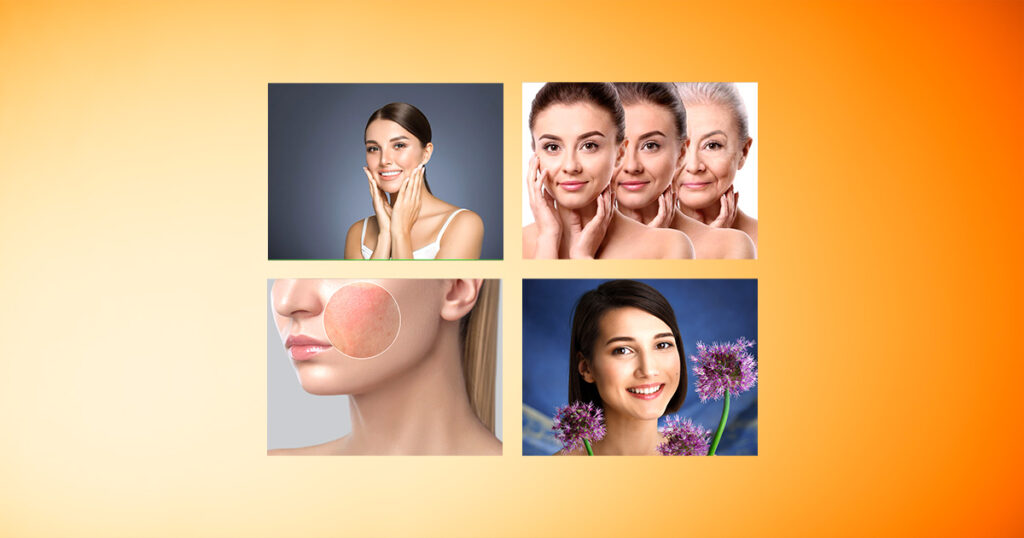
Additional Health Benefits of Glutathione IV
1. Boosts Immune System:
Beyond skin benefits, glutathione is essential for maintaining a strong immune system. By supporting the production of white blood cells and neutralizing harmful substances in the body, Glutathione IV therapy helps protect against illnesses and infections.
2. Increased Energy Levels:
Many individuals report feeling more energized after Glutathione IV therapy. This is because glutathione enhances mitochondrial function—the energy powerhouse of cells. Improved energy levels can lead to better physical performance and mental clarity.
3. Supports Liver Health:
Glutathione is crucial for liver detoxification. By promoting the removal of heavy metals, toxins, and free radicals, it improves liver function and reduces the risk of liver-related issues, including fatty liver disease.
4. Reduces Inflammation:
Chronic inflammation is at the root of many health problems, including skin conditions, joint pain, and cardiovascular diseases. Glutathione works as an anti-inflammatory agent, helping to reduce swelling and discomfort in the body.

Who Can Benefit from Glutathione IV Therapy?
Glutathione 4 therapy is suitable for a wide range of individuals. Especially those who want to improve the appearance of their skin and overall health. Generally recommended for:
1. People who have dark spots
2. People who want to reduce signs of aging
3. Chronic skin conditions such as acne or eczema
4. Persons exposed to environmental pollutants and toxins
5. People with low energy levels or chronic fatigue
6. Anyone who wants to boost their immune system and general well-being.
What to Expect During a Glutathione IV Treatment
Glutathione IV therapy is a safe and minimally invasive procedure. A typical session lasts anywhere between 30 to 60 minutes. During this time, you’ll be comfortably seated while the IV drip administers the solution into your bloodstream. There’s no downtime after the treatment, allowing you to return to your daily activities immediately.
Many patients notice improvements in their skin tone and overall health after just a few sessions, though the frequency and number of treatments may vary based on individual goals and health conditions. It’s essential to consult a healthcare professional for a personalized treatment plan.
Glutathione IV therapy is generally considered safe with minimal side effects. However, some individuals may experience mild discomfort at the injection site, dizziness, or nausea, which typically subside shortly after the treatment. It’s crucial to have your therapy administered by a licensed professional to minimize risks and ensure proper dosage.
Why Choose Dr. Hanan for Glutathione IV Treatment?
At Dr. Hanan Dermatology Specialty Clinic, we provide top-notch Glutathione IV therapy to enhance your skin’s glow and overall health. Here are five reasons to choose us:
1. Expert Dermatologist: Dr. Hanan’s expertise ensures safe and effective treatments with visible results.
2. Personalized Care: We tailor each treatment plan to your unique skin and health needs.
3. Safety First: Our clinic follows strict safety and hygiene protocols for all procedures.
4. Quick Results: Notice brighter, healthier skin after just a few sessions.
5. Affordable & Convenient: We offer competitive pricing and flexible appointments to fit your schedule.
Trust Dr. Hanan for glowing, radiant skin!
Final Thoughts: Is Glutathione IV Right for You?
If you are looking for a natural and effective way to improve skin health. radiance and your overall appearance Glutathione IV therapy may be the solution you are looking for. Popular with individuals who aim for its beauty and health benefits for its ability to whiten the skin. Reduce wrinkles of age Detoxify the body and increase immunity Make your choice now.
Before starting any new treatment It is important to consult with your healthcare provider to make sure Glutathione IV is the right choice for you.
FAQ’S
1. What is Glutathione IV therapy, and how does it work?
Glutathione IV therapy delivers a powerful antioxidant directly into the bloodstream, helping detoxify the body, reduce melanin production, and enhance the skin’s natural glow and health.
2. Is Glutathione IV therapy safe, and are there any side effects?
Glutathione IV therapy is generally safe when administered by a professional. Side effects are rare but may include mild irritation or temporary dizziness.
3. How long does it take to see results from Glutathione IV therapy?
Results vary, but many individuals notice improvements in skin radiance and clarity after a few sessions, with lasting effects seen over time with regular treatments.
Table of Contents
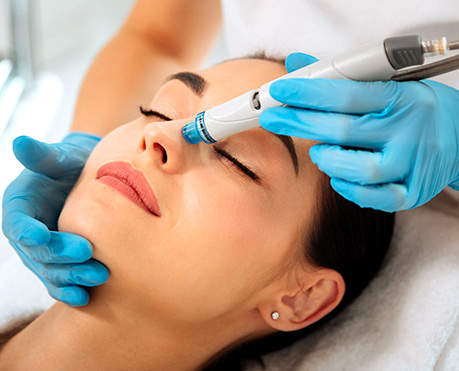
HydraFacial Benefits: A Simple Guide
HydraFacial Benefits: A Simple Guide
Discover the benefits of HydraFacial for clearer, smoother, and glowing skin in this easy-to-read guide. A quick solution for a fresh complexion!
The HydraFacial has rapidly become one of the most sought-after skincare treatments around the world. People of all ages and skin types love this non-invasive treatment. It can refresh the skin and give an instant glow.
In this article, we will look at the many benefits of HydraFacial. We will see why it is the best choice for glowing skin. We will also explain how it is different from regular facials.
What is a HydraFacial?
HydraFacial is an advanced skincare designed to cleanse, remove dirt, and hydrate the skin using patented whirlpool technology. This unique process combines infusion, extraction, and serum in one comprehensive session, providing immediate and noticeable results.
Unlike traditional facials, which can use harsh extractions, the HydraFacial is a gentle and effective choice. Perfect for sensitive skin.
Top 8 Benefits of HydraFacial
1. Deep Cleansing and Exfoliation
One of the main benefits of the HydraFacial is that it deeply cleanses the skin. The treatment begins with a gentle exfoliation to remove dead skin cells, dirt, and oil from the skin.
This opens the pores and prepares the skin for the next treatment process. Movement is key to maintaining a smooth texture and tone, and the HydraFacial won’t cause irritation or redness.
2. Hydration and Moisture Boost
Sometimes the skin’s natural barrier weakens. This causes dryness, flaking, and irritation. HydraFacial helps prevent this by injecting hydrating serums into the skin. These serums are rich in antioxidants, peptides, and hyaluronic acid.
These ingredients go deep into the skin to restore moisture and keep it locked in. This leaves the skin soft, plump, and refreshed.
3. Immediate and Visible Results
Unlike in some facials where results can take several days, the HydraFacial provides immediate results. After just one use Customers often notice smoother skin. Brighten up with wrinkles and pores reduced Instant brightness and clarity presage a special event or important occasion.
4. Painless Extraction Process
Traditional facial skin care Often involves manual techniques. This may cause discomfort. and may cause the skin to become red or inflamed.
HydraFacial uses special vortex suction technology to remove blackheads, whiteheads, and other impurities from pores. This process is painless and does not harm the skin.
This makes this treatment ideal for individuals with sensitive skin that is prone to irritation.
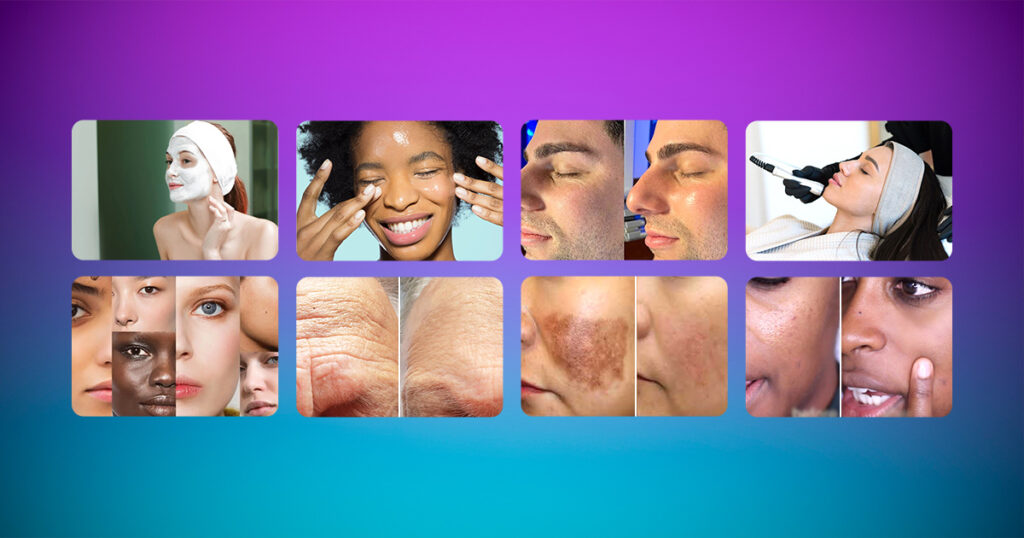
5. Customizable Treatment for All Skin Types
The HydraFacial is highly customizable. This means you can customize them to meet the specific needs of different skin types and concerns. Whether it’s acne Aging skin, dark spots, or large pores There are a variety of serums to choose from to target your specific concerns.
This flexibility makes the HydraFacial suitable for everyone. From teenagers to adults
6. Reduction of Fine Lines and Wrinkles
HydraFacial offers a non-invasive solution for individuals who want to fight signs of aging. This treatment stimulates collagen production and improves skin elasticity.
It delivers powerful antioxidants and peptides directly into the skin. Over time, regular HydraFacial treatments can lead to a reduction in wrinkles, fine lines, and other signs of aging. that has decreased
7. Brightens Skin Tone and Reduces Hyperpigmentation
Sunlight, hormonal changes, and acne scars can all lead to uneven skin tone and dark spots.
The HydraFacial effectively addresses these concerns using a combination of exfoliation, soaking, and hydration. To reduce dark spots and promote a more even skin tone. The result is brighter, brighter skin with a youthful glow.
8. Improves Skin Texture and Minimizes Pores
Large pores and uneven skin texture can be difficult to tackle with an at-home skincare routine. The HydraFacial works to refine the skin’s texture. Thoroughly clean the skin and reduce the appearance of exfoliated pores.
With regular treatment, You can have smoother and more refined skin. Looks healthy and balanced
How Does HydraFacial Differ from Other Facials?
Traditional facials can provide some benefits. However, they usually do not use the multi-step approach and advanced technology found in a HydraFacial. For instance, traditional facials typically involve manual exfoliation and extraction, which can be harsh on sensitive skin.
In contrast, the HydraFacial uses gentle suction to remove impurities. It also delivers nutrient-rich serums. This offers a more complete and customizable experience.
The results of a HydraFacial are often quick and long-lasting. This makes it a popular choice for people wanting visible improvements.
Who Should Get a HydraFacial?
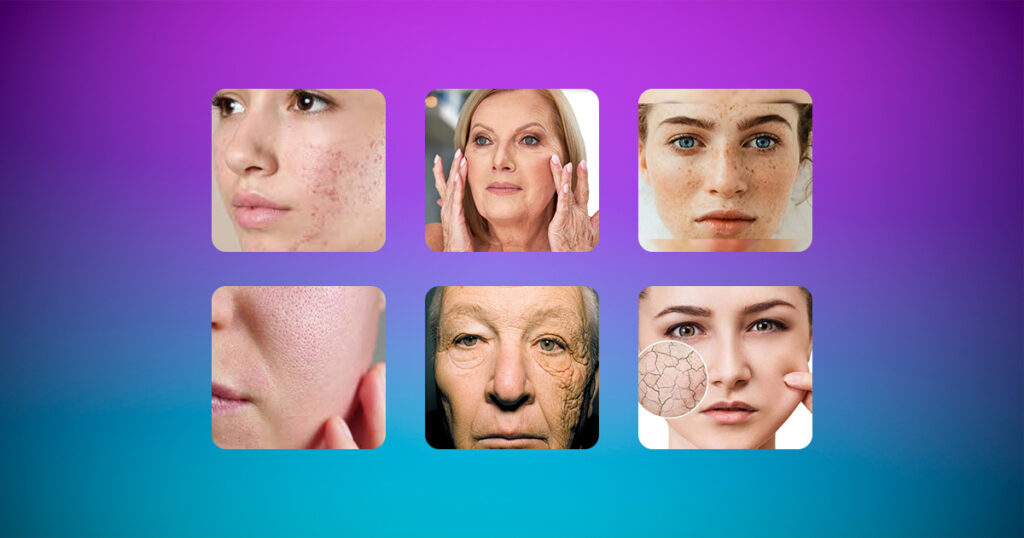
The beauty of the HydraFacial is that it’s designed for nearly everyone. Whether you have dry skin, oily skin, or even sensitive skin, the treatment can be tailored to address your specific concerns. It is particularly beneficial for individuals with:
1. Acne-prone skin
2. Fine lines and wrinkles
3. Hyperpigmentation
4. Large pores
5. Sun damage
6. Dry or dehydrated skin
If you’re seeking a non-invasive treatment that provides immediate, noticeable results, HydraFacial is an excellent option.
How Often Should You Get a HydraFacial?
The frequency of HydraFacial treatments depends on your skin type and goals. For those with acne or oily skin, a treatment every 2-4 weeks can help maintain clearer skin.
For individuals looking to address aging concerns, a monthly HydraFacial can help maintain youthful, glowing skin while minimizing the appearance of fine lines. Most clients opt for treatments every 4-6 weeks to maintain their results and enjoy ongoing skin benefits.
HydraFacial: A Safe and Effective Treatment
One of the most appealing aspects of the HydraFacial is its safety profile. Unlike more aggressive treatments such as chemical peels or microdermabrasion, HydraFacial does not involve any harsh chemicals or abrasive techniques.
This makes it a great option for those with sensitive or reactive skin who may not tolerate other facial treatments.
Furthermore, there is no downtime associated with a HydraFacial. You can immediately return to your normal activities after the treatment, making it an ideal lunchtime facial for those with busy schedules.
Conclusion
Looking for the best Hydrafacial treatment in OMR? Dr. Hanan, a leading dermatologist, offers expert Hydrafacial services to rejuvenate your skin. Hydrafacials are designed to deeply cleanse, exfoliate, and hydrate, leaving your skin glowing, smooth, and revitalized.
With Dr. Hanan’s expertise in dermatology and cutting-edge skincare technology, you’ll experience a personalized treatment that addresses your unique skin concerns, from fine lines to dullness. Say goodbye to dry, tired skin and hello to a radiant complexion.
Book your appointment today for a Hydrafacial that makes a difference!
For more information or to schedule a visit, contact us at +91 6381 048403 or visit www.drhanandermatologyclinic.com.
FAQ’S
1. What is a HydraFacial?
A HydraFacial is a non-invasive treatment that cleanses, exfoliates, and hydrates the skin, leaving it smoother and radiant.
2. What are the benefits of a HydraFacial?
It deeply cleanses, improves texture, reduces pores and fine lines, and enhances hydration, suitable for all skin types.
3. How often should I get a HydraFacial?
Once a month is ideal, but your dermatologist may recommend a schedule based on your skin needs.
Table of Contents
Best Laser Hair Removal in Chennai
Best Laser Hair Removal in Chennai
Discover the top laser hair removal services in Chennai for flawless, smooth skin. Safe, effective treatments tailored to your needs.
If you’re searching for the best laser hair removal services in Chennai, you’re not alone. Laser hair removal is an increasingly popular choice for individuals seeking a long-term solution to unwanted hair. With the city offering an array of clinics providing advanced treatments, it’s crucial to choose the best to ensure safety, effectiveness, and satisfaction.
What is Laser Hair Removal?
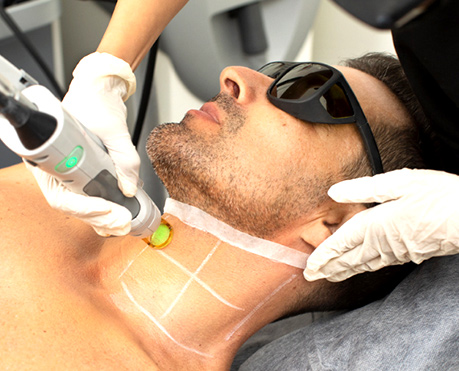
Laser hair removal is a non-invasive procedure that uses a concentrated beam of light (laser) to target and destroy hair follicles. Pigments in the hair follicles absorb light, resulting in inhibiting future hair growth.
This treatment can lead to permanent hair reduction multiple times. This makes it a convenient alternative for those who are tired of waxing, shaving, and other temporary hair removal methods.
How Does Laser Hair Removal Work?
The laser emits a specific wavelength of light that is absorbed by the melanin (pigment) in the hair. This process heats the hair shaft and root, effectively damaging the follicle without harming the surrounding skin.
Once the follicle is damaged, it is less likely to produce new hair. Over time, the treated area becomes smooth and hair-free.
Why Choose Laser Hair Removal?
Laser hair removal has several advantages over traditional hair removal methods:
a. Long-term results: after completing the recommended steps Most people will experience permanent hair loss.
b. Precision: The laser can selectively target dark, coarse hairs. leaving the surrounding skin uninjured
c. Speed: Each laser pulse takes a fraction of a second and can treat multiple hairs at once.
d. Minimal Discomfort: Modern laser technology incorporates cooling systems. This will ensure that the procedure is as comfortable as possible.
Is Laser Hair Removal Safe?
Yes, laser hair removal is a safe procedure when performed by certified professionals using FDA-approved equipment. Most hospitals in Chennai follow strict safety standards. At the same time, this treatment is given to reduce the risks associated with the procedure.
However, it is important to note that Laser hair removal works best on individuals with tan skin and contrasting dark hair. Darker skin or lighter hair may not have the same results and may require a specialized laser system for effective treatment.
What to Expect During a Laser Hair Removal Session
Before receiving treatment The clinic will provide a consultation to assess your skin condition, hair color, and thickness. This step is necessary to determine the most appropriate laser technology for your needs.
1. Preparation: The area to be treated will be shaved and cleaned. Avoid waxing or plucking hair in the treated area in the week leading up to your session. This is because the laser must be aimed at the hair follicle.
2. Protective Equipment: You and the technician will wear protective goggles to protect your eyes from the laser’s intense light.
3. Treatment: The technician will use a handheld laser device to target the hair follicles. You may feel a slight stinging or stinging sensation between the laser pulses.
4. Post-Treatment Care: You may have some redness or swelling after your treatment. This usually disappears within a few hours. Using soothing creams and avoiding the sun will help your skin heal faster.
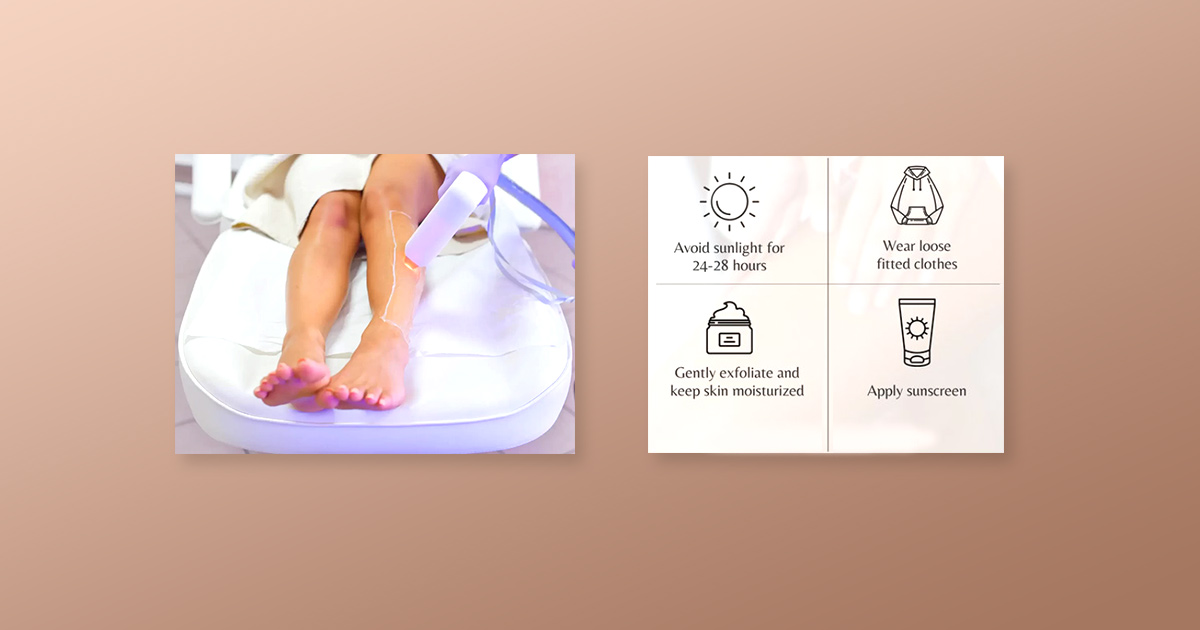
Most individuals require 6 to 8 treatments over approximately 4 to 6 weeks to achieve optimal results. Because the hair will grow long and dizzy, certain areas of the body may need to be touched more frequently. It depends on the nature of hair growth.
Benefits of Laser Hair Removal in Chennai
Chennai has many clinics that offer world-class laser hair removal services. Here are some reasons why Chennai is a popular destination for this treatment.
Advanced Technology: Major Best Hospitals In Chennai use state-of-the-art laser systems such as Alexandrite Diode which is suitable for a variety of skin tones and hair types
Certified Dermatologists: Many of the city’s top hospitals have board-certified dermatologists and experienced technicians who ensure the highest standards of care.
Affordable Pricing: Compared to other cities The prices of laser hair removal in Chennai are very competitive. They are making it more accessible to a wider audience without compromising on quality.
Convenient location: The city has several hospitals located in key areas. Making it easy for people across Chennai to access top-notch treatments.
Choosing the Right Clinic for Laser Hair Removal in Chennai
When selecting a clinic, consider the following factors:
a. Expertise: Ensure the clinic has certified best dermatologists or experienced laser technicians with a strong track record.
b. Equipment: The best clinics use the latest FDA-approved laser machines to ensure safe and effective treatments for all skin types.
c. Client Reviews: Look for testimonials and reviews from previous clients to get an idea of the clinic’s reputation and service quality.
d. Hygiene Standards: Choose a clinic that follows strict hygiene protocols to ensure a safe and comfortable experience.
e. Post-Treatment Support: A good clinic will provide aftercare instructions and follow-up sessions to ensure the best possible outcome.
Top Clinics for Laser Hair Removal in Chennai
1. Dr. Hanan Dermatology Speciality Clinic – Located on OMR Road, this clinic is known for offering advanced laser hair removal treatments tailored to individual skin types and needs. With experienced female dermatologist in chennai and cutting-edge technology, this clinic is a top choice for many seeking permanent hair removal solutions.
2. Oliva Skin & Hair Clinic – One of the leading names in dermatology, Oliva offers customized laser hair removal treatments with a focus on safety and efficacy.
3. Vcare Dermatology Clinic – Known for its affordable pricing and comprehensive dermatology services, Vcare uses the latest laser technology to deliver effective results.

Cost of Laser Hair Removal in Chennai
The cost of laser hair removal varies depending on several factors. including the size of the treatment area Number of sessions required Hospital price structure And an average session can range from Rs 2,000 to Rs 10,000 per session. Depends on the body part and Technology used.
Although the upfront cost of laser hair removal may seem high, It is a worthwhile solution in the long run because you don’t need to spend money on creams, waxes, or other temporary hair removal methods.
Conclusion
Laser hair removal is an excellent option for individuals looking to achieve smooth, hair-free skin without the hassle of frequent maintenance. With numerous clinics in Chennai offering advanced treatments, it’s essential to choose the right provider to ensure safe and effective results.
If you’re considering laser hair removal, be sure to consult with an experienced dermatologist who can guide you through the process and help you achieve the best possible outcome.
Vist us at our Best skin clinic in chennai | Dr. Hanan Dermatology Speciality Clinic
FAQS
1. Is laser hair removal permanent?
Laser hair removal significantly reduces hair growth, but it may not be completely permanent. Multiple sessions are usually required for long-lasting results, and maintenance sessions may be needed over time.
2. How many sessions are required for laser hair removal?
The number of sessions varies depending on factors like hair type, skin tone, and the area being treated. On average, 6 to 8 sessions are recommended for optimal results.
3. Is laser hair removal safe for all skin types?
Yes, modern laser technology is designed to safely treat various skin tones. However, it's important to consult with a qualified dermatologist to determine the most suitable laser for your skin type.
Table of Contents

What Is Psoriasis and How to Get Rid of It
What Is Psoriasis and How to Get Rid of It
Learn what psoriasis is and discover simple tips on how to manage and reduce symptoms for smoother skin. Read now for relief!
Psoriasis is a long-term skin condition that affects many people worldwide. It’s an autoimmune disease that causes skin cells to grow too quickly, forming thick, scaly patches.
These patches, or plaques, can be red, inflamed, and painful. They often appear on the wrists, knees, scalp, and lower back but can be anywhere on the body.
This article explains what psoriasis is and looks at treatments to help manage its symptoms.
What causes psoriasis?
Psoriasis occurs when the immune system mistakenly attacks healthy skin cells, causing new skin cells to form quickly.
Normally, skin cells grow and shed every 28 to 30 days, but in psoriasis this process can take only 3 to 4 days. The wrinkles are formed by the rapid accumulation of skin cells.
Although the exact causes of psoriasis are not fully understood, several factors can trigger or exacerbate the condition:
- Heredity: Psoriasis tends to run in families. If one or both of your parents have psoriasis, you are more likely to develop it.
- Immune system dysfunction: Since psoriasis is an autoimmune disease, the immune system plays an important role. Abnormal immune responses lead to inflammation and rapid skin cell turnover.
- Environmental triggers: Stress, skin injuries, infections (such as strep throat), and certain medications can cause flare-ups.
- Lifestyle factors: Smoking, excessive alcohol consumption and obesity can aggravate symptoms.

Types of Psoriasis
There are several types of psoriasis, each with its own characteristics:
1. Plaque Psoriasis: The most common form, characterized by raised, red patches covered with silvery scales. These plaques can appear anywhere on the body.
2. Guttate Psoriasis: This type appears as small, dot-like lesions, usually triggered by bacterial infections like strep throat.
3. Inverse Psoriasis: Found in body folds such as the armpits, groin, and under the breasts, this type appears as smooth, red patches that worsen with friction and sweating.
4. Pustular Psoriasis: Characterized by white pustules (blisters of non-infectious pus) surrounded by red skin. It can appear on specific areas, such as the hands and feet, or cover the entire body.
5. Erythrodermic Psoriasis: A rare but severe form of psoriasis that causes widespread redness, scaling, and pain across the body. It requires immediate medical attention.
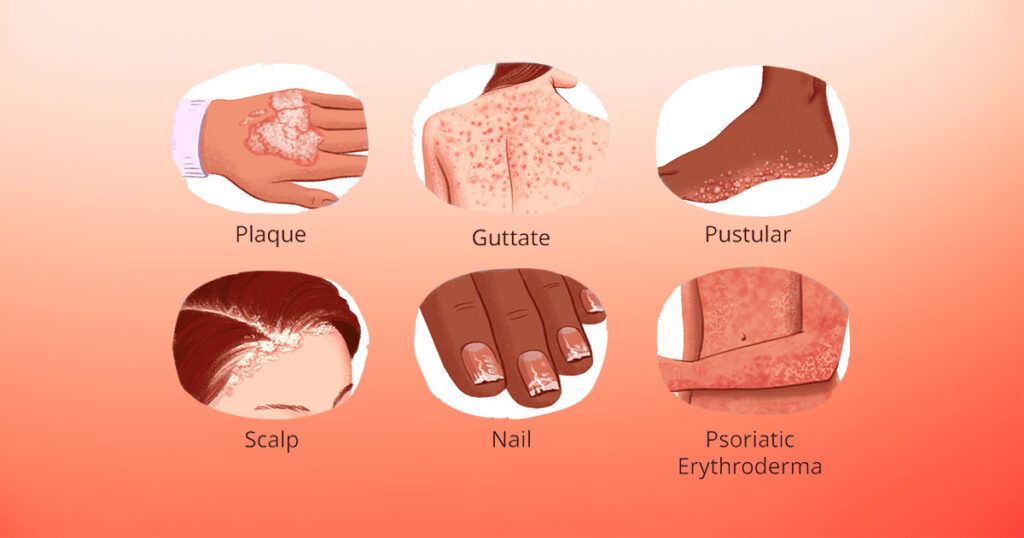
Symptoms of psoriasis
Psoriasis symptoms can vary depending on the type and severity. Common symptoms include:
- Red patches of skin covered with thick silver scales
- Dry and cracked skin that can cause bleeding
- Itching, burning, or soreness
- Thickened or ridged nails
- Stiff and swollen joints (in cases of psoriatic arthritis)
Symptoms range from mild, affecting only a small area of the skin, to severe, involving large areas, and significantly affecting quality of life.
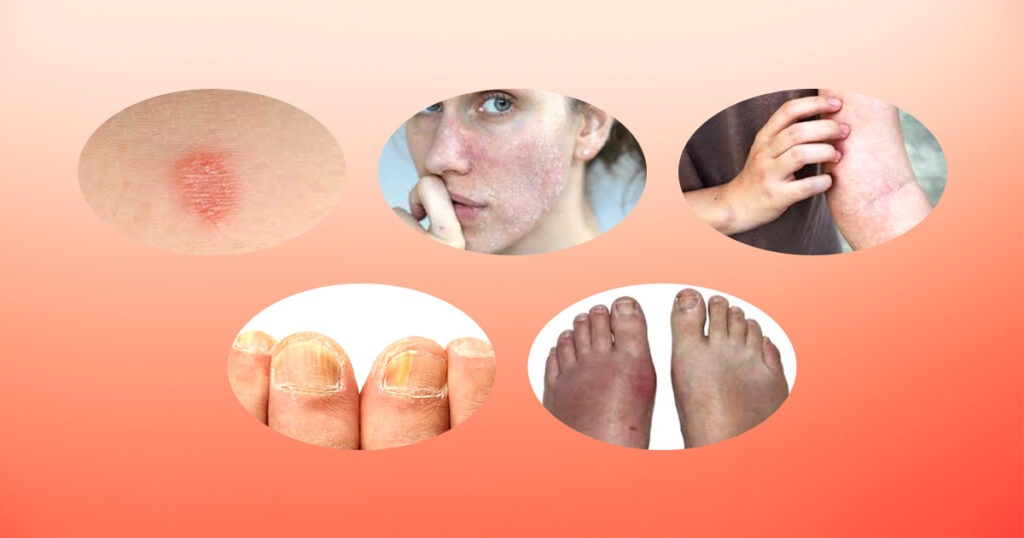
How to Get Rid of Psoriasis: Treatment Options
Several treatments are available to help manage the symptoms and reduce flare-ups. Treatment typically depends on the type and severity of the condition, and it may involve a combination of therapies.
1. Topical treatment
Topical treatments are often the first line of defense against mild to moderate psoriasis. These products are applied directly to the skin and can help reduce inflammation and slow the growth of skin cells.
- Corticosteroids: These anti-inflammatory medications and ointments are commonly used to treat mild forms of psoriasis. They reduce redness and inflammation and help relieve pain.
- Vitamin D analogs: These synthetic forms of vitamin D, such as calcipotriene, help slow the growth of skin cells.
- Retinoids: Topical retinoids, such as whole wheat germ, help exfoliate dead skin cells and reduce inflammation.
- Charcoal tar: This treatment helps reduce grease, pain and inflammation. It is also available in shampoos, creams and oils.
- Moisturizer: While not really a cure, it is essential by keeping the skin well moisturized to prevent dryness and cracking.
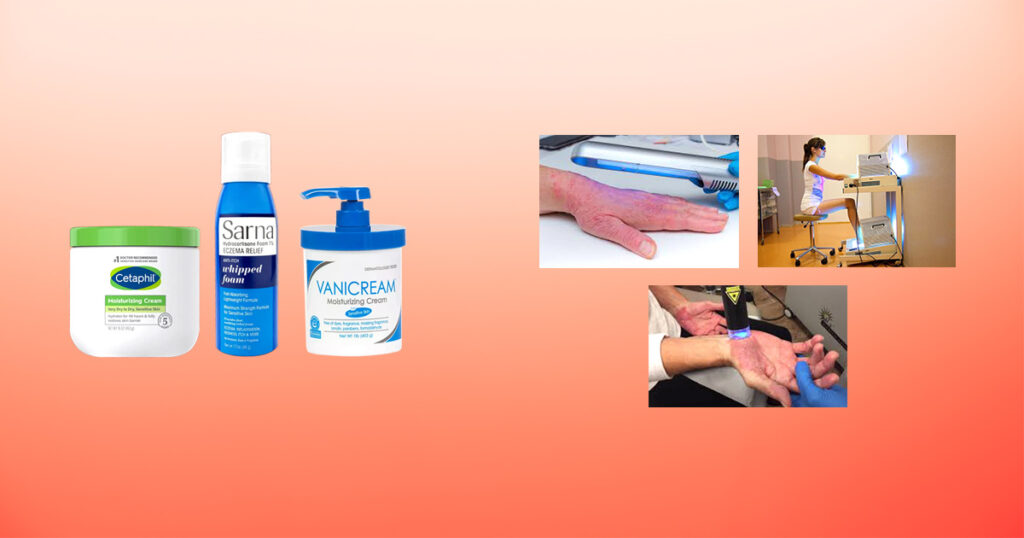
2. Phototherapy (Light Therapy)
Phototherapy involves exposing the skin to controlled amounts of ultraviolet (UV) light. This treatment can help slow the growth of skin cells and reduce inflammation.
- UVB Phototherapy: This is the most common form of light therapy, using UVB light to treat affected areas. It can be administered in a doctor’s office or with a home phototherapy unit.
- PUVA Therapy: This involves combining a medication called psoralen with UVA light. The psoralen makes the skin more sensitive to light, enhancing the effectiveness of the treatment.
- Excimer Laser: This laser treatment delivers high-intensity UVB light to specific areas of the skin, targeting plaques without affecting surrounding healthy skin.
3. Systemic Medications
For moderate to severe psoriasis, systemic medications may be prescribed when other treatments are ineffective. These can be taken orally or injected and work throughout the body.
- Biologics: These drugs, such as adalimumab, etanercept and infliximab, target specific aspects of the immune system to reduce inflammation and slow the progression of psoriasis
- Methotrexate: This drug suppresses the immune system and reduces skin cell production and inflammation.
- Cyclosporine: Another immunomodulatory drug, cyclosporine, can be effective in severe cases but is often used for short periods of time because of possible side effects
- Oral retinoids: These are related to vitamin A and can help reduce skin cell production. Acitretin is commonly used in severe psoriasis.
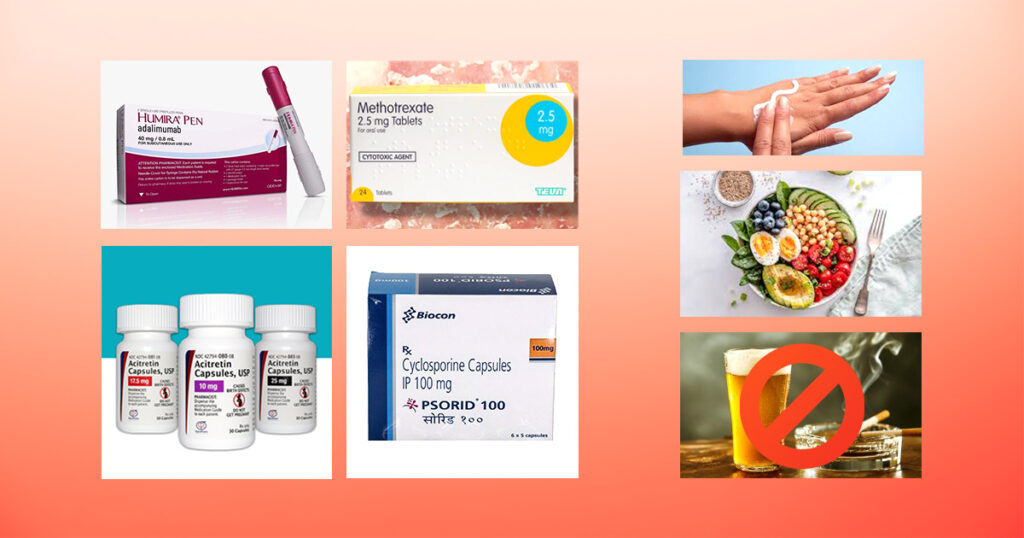
4. Lifestyle and home remedies
In addition to medication, lifestyle changes and home remedies play an important role in the management of psoriasis:
- Moisturize Regularly: Fresh water can dehydrate your skin and cause dry, itchy skin.
- Manage stress: Stress is a well-known trigger for psoriasis flares, so incorporating relaxation techniques such as meditation, yoga and deep breathing can be beneficial
- A healthy diet: Eating a well-balanced diet rich in antioxidant foods like fruits, vegetables and omega-3 fatty acids can help reduce inflammation
- Avoid Triggers: Identify and avoid specific triggers that can worsen your symptoms, such as smoking, alcohol abuse, and certain foods.
Why Choose Dr. Hanan Dermatology Specialty Clinic for Best Psoriasis Treatment in Chennai ?
Expertise and Experience
Dr. Hanan is a Best skin doctor in Chennai with years of experience treating psoriasis. Her team is skilled in handling complex cases and improving patients’ quality of life with personalized care.
Cutting-Edge Treatments
We offer the latest psoriasis treatments, including:
- Topical Treatments: Corticosteroids, vitamin D analogues, and retinoids.
- Phototherapy: Excimer laser treatments.
- Systemic Medications: Oral or injectable drugs for severe cases.
- Biologic Therapies: Advanced treatments targeting the immune system.
Personalized Treatment Plans
We create custom treatment plans based on your specific needs, considering the severity of your condition and overall health.
Holistic Approach
We focus on treating the whole person, including lifestyle changes, nutrition, and stress management, to help manage and control psoriasis effectively.
The Psoriasis Treatment Process
1. Comprehensive Consultation: We assess your medical history, symptoms, and previous treatments.
2. Customized Treatment Plan: Tailored to alleviate symptoms and prevent flare-ups.
3. Ongoing Monitoring and Support: Continuous care to ensure effective management and improvement.
Patient Success Stories
Our patients have experienced significant improvements. Many have shared how our advanced treatments and personalized care have transformed their lives.
Schedule Your Consultation Today
For the best psoriasis treatment in Chennai, visit Dr. Hanan Dermatology Specialty Clinic. Schedule your consultation now and start your journey towards clearer, more comfortable skin.
Conclusion
Psoriasis is a complex and often frustrating condition, but with the right treatment plan and lifestyle adjustments, it can be managed effectively.
Whether through topical treatments, phototherapy, systemic medications, or home remedies, there are many ways to reduce the symptoms of psoriasis and improve your quality of life.
FAQ’s
1. How long does psoriasis like?
The most common form of plaque psoriasis produces raised patchy areas of skin. The color of the lines depends on your skin tone and can be yellow, gray or yellow. The movement appears as white, silver or gray.
2. Does psoriasis go away?
Psoriasis is a long-term condition that doesn't have a cure, but treatment can help reduce your symptoms.
3. How long does a psoriasis flare-up last?
Flare-ups can last anywhere from a few weeks to a few months. Treatment can help you recover faster. When your symptoms disappear, your psoriasis is in remission. Remission can last for months or even years.
Table of Contents
Best Skincare Products for Teens: Easy Guide
Best Teenage Skin Care Products: Easy Guide
Discover the good skincare products for teens. This easy guide helps teens achieve clear, glowing skin without any hassle. Start now!

Ever had the feeling when you were a teenager that your skin had a mind of its own, and it wasn’t after what you wanted? Adolescence is a time of change with body and skin changes because hormones and growth.
Don’t worry; everyone has tough times. Normal to face challenges and difficulties. You’re not alone in this. Want a little friendly help, we’ve created an expert-curated skincare guide just for you.
Read on as we help navigate teenage skin problems and create your teenage skincare routine and best Skincare Products for Teenagers.
Why is Teen skin important ?
Teenagers have unique skin challenges such as acne, oily skin, and sweating. Important to use the right skin care products to combat these issues and take care of their changing skin.
Proper skin care routine helps teens manage skin problems and develop habits for healthy skin in the future.
It’s important to make good choices and take care of your skin with a routine that will help you in the long run.
How Teens Skin Differs from Adult Skin
Teen skin is different from adult skin because of the changes happening during puberty. Here’s why teenagers need a skincare routine that’s different from adults:
1. Hormonal Changes: During puberty, the body produces more hormones, which increases oil production. This can lead to more acne and oily skin.
2. Increased Oil Production: Teen skin often produces more sebum (oil) than adult skin, making it more prone to acne and shine.
3. Faster Cell Turnover: Teen skin heals more quickly from breakouts, but this can also mean more frequent acne. Products designed for teens help manage this.
4. Sensitivity: Hormonal changes can make teen skin more sensitive. Using products meant for adults might be too harsh and could cause irritation.
Teens should use skincare routines designed for their needs, like managing oil and acne, instead of adult products that may not work for them.
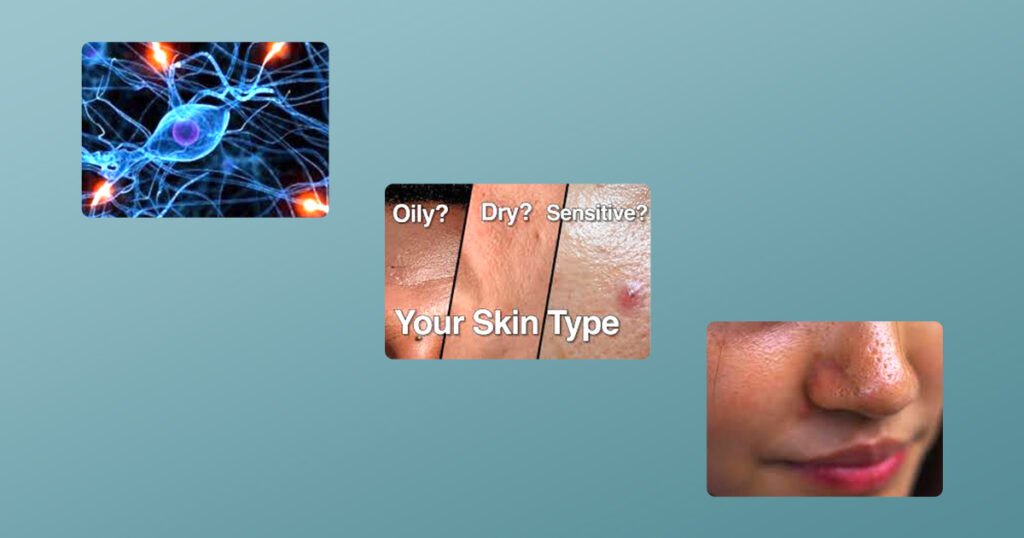
Understanding Teen Skin
Before diving into recommendations, it’s important to understand why teenage skin is different. During adolescence, the body produces more cholesterol (oil), which can clog pores and cause acne.
Cleansers: Start Here
Gentle Foaming Cleansers: Clean your face twice a day to remove dirt and oil without drying out your skin.
a. Epirich PE foaming cleanser: Good for normal to oily skin; helps keep skin hydrated.
b. Tabula rasa face cleanser: Contains salicylic acid to fight acne.
Micellar Water: Great for sensitive skin; cleanses without harsh scrubbing.
a. D wash face wash: Gently cleans and soothes skin.

Moisturizers: Stay Hydrated
Oil-Free Moisturizers: Even oily skin needs moisture. Choose products that won’t clog pores.
a. Akosma advanced skin repair moisturiser: Controls shine and reduces pores.
b. Raindew moisturiser: Includes SPF 30 for sun protection.
Hydrating Gel-Creams: Light and hydrating for combination or normal skin.
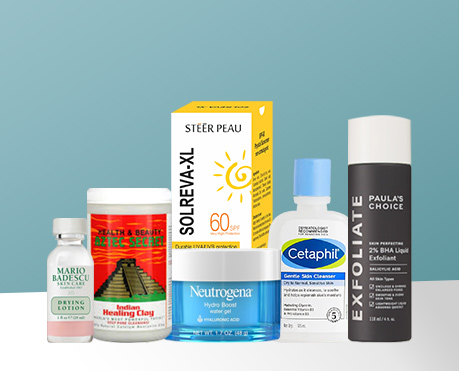
a. Neutrogena Hydro Boost Water Gel: Keeps skin soft and hydrated without feeling greasy.
b. Excela rich moisturiser: Deeply hydrating cream, ideal for very dry skin with nourishing ingredients like hyaluronic acid and ceramides.
Acne Treatments: Spot Solutions
Spot Treatments: Target specific pimples without drying out the whole face.
a. Clean & Clear Advantage Acne Spot Treatment: Reduces pimple size quickly.
b. Mario Badescu Drying Lotion: Dries out blemishes overnight.
All-Over Treatments: For more severe acne.
a. Proactiv Solution 3-Step System: Combines cleanser, toner, and treatment.
b. The Ordinary Niacinamide 10% + Zinc 1%: Reduces blemishes and balances oil.
Sunscreens: Protect Your Skin
Lightweight Sunscreens: Protect against UV rays and prevent breakouts.
a. Solreva XL sunscreen: Lightweight and good for acne-prone skin.
b. Nubase facial gel: Oil-free and protects against sun damage.
Tinted Sunscreens: Offers sun protection and a bit of coverage.
a. Rivela tinted sunscreen: Provides color and sun protection.
b. Australian Gold Botanical Tinted Face Sunscreen SPF 50: Natural ingredients and matte finish.
Face Masks: Weekly Care
Clay Masks: Remove impurities and control oil.
a. Aztec Secret Indian Healing Clay: Deep-cleans with natural clay.
b.Origins Clear Improvement Active Charcoal Mask: Draws out impurities with charcoal.
Hydrating Masks: Add extra moisture and soothe irritated skin.
a. Laneige Water Sleeping Mask: Hydrates while you sleep.
Simple Skincare Routine for Teenage Girls
Taking care of your skin as a teenager can be tricky because of the changes in your body. Here’s an easy skincare routine to keep your skin healthy and clear.
1. Cleanse: Starting and ending your day
- Morning and night: Wash your face twice a day to remove dirt and oil.
- Use a gentle cleanser: Choose a gentle cleanser that does not damage your skin.
- Example: Cetaphil gentle cleanser.
2. Toning: Balance Your Skin
- Reasons for use: Toner helps to balance your skin and tighten pores.
- Choose Alcohol-Free: Choose an alcohol-free toner to avoid drying out your skin.
- Example: Thayers Witch Hazel Toner.
3. Moisturizing: Keep Your Skin Moisturized
- Day and night: Moisturize your skin daily to keep your skin soft, even if it is oily.
- Oil-Free Moisturizer: Use a light, oil-free moisturizer.
- Example: Neutrogena Hydro Boost Water Gel.

4. Sun protection: Protect your skin
- Daily SPF: Always wear sunscreen, even on cloudy days.
- Choose SPF 30 or higher: Use sunscreen to protect against UVA and UVB rays.
5. Targeted treatment: Focus on problem areas
- Acne Treatments: Use a spot treatment with salicylic acid for acne.
- Example: Acne spot treatment Clean and clear.
- Exfoliate weekly: Gently scrub skin once or twice a week.
- Example: Paula’s Choice 2% BHA Exfoliant.
6. Healthy Habits: Glow from Within
- Food and Water: Eat fruits and vegetables and drink plenty of water.
- Sleep and Stress: Get 8 hours of sleep and manage stress to prevent breakdown.
Skincare Routine for Teenage Boys
Teenage boys often deal with oily skin, acne, and sensitivity due to hormonal changes. Here’s an easy skincare guide to keep your skin clear and healthy.
1. Cleansing: Start with a Clean Slate
- Daily Cleansing: Wash your face twice a day to remove excess oil and dirt.
- Foaming Cleaner: Choose a gentle, oil-free cleaner.
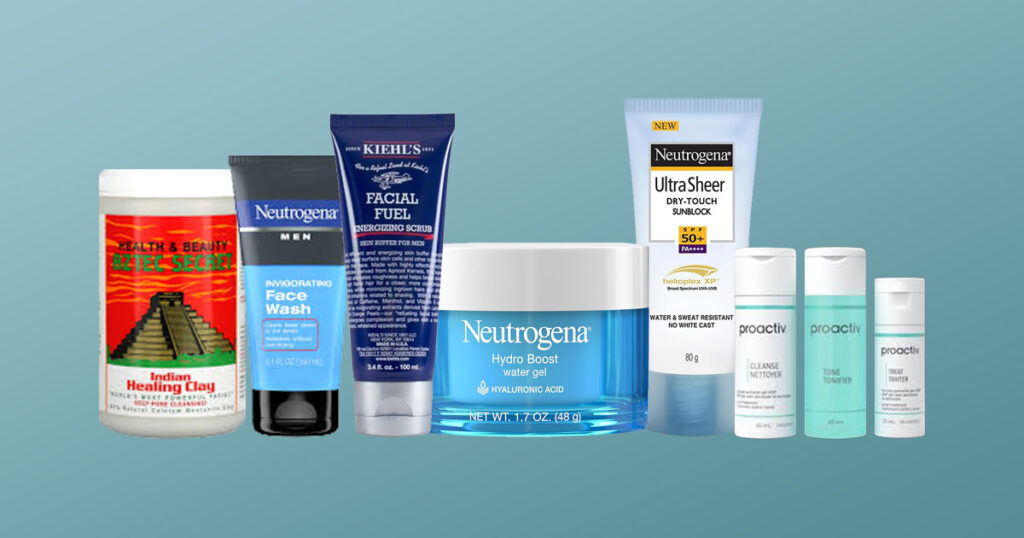
- Example: Neutrogena Male Invigorating Facial Wash.
Tips:
- Use warm water: Hot water can be too hard.
- Avoid bar soaps: It can dry out your skin.
2. Exfoliating: Remove Dead Skin
- Weekly exfoliation: Use the scrub 1-2 times a week to remove dead skin cells.
- Gentle scrub: Choose a scrub with salicylic acid or benzoyl peroxide.
- Example: Kiehl’s Facial Fuel Energizing Scrub.
Tips:
- Avoid over-exfoliating, as this can lead to irritation and increased oil production.
- Apply the scrub gently, using circular motions to avoid damaging the skin.
3. Moisturizing: Keeping the Skin Hydrated
- Regular Hydration: Even oily skin needs hydration. Use a light, non-greasy container.
- Oil-Free Moisturizer: Choose a non-comedogenic, oil-free moisturizer.
Tips:
- Apply moisturizer for teens immediately after cleansing to lock in moisture.
- For those with dry skin, a slightly richer formula may be necessary.
4. Sun Protection: Essential for Healthy Skin
- Regular Daily Sunscreen: Protect your skin from UV damage.
- Broad-spectrum SPF: Use a sunscreen with at least SPF 30.
Tips:
- Apply sunscreen as the last step in your morning skincare routine, 15 minutes before going outside.
- Reapply every two hours if you’re active outdoors or sweating.
5. Targeted Treatments: Addressing Specific Skin Issues
- Spot treatments: For acne, use products that contain salicylic acid.
- Example: Clean & Clear Advantage acne treatment.
- Local treatment: Use treatment locally for diffuse abscesses.
Tips:
- Avoid using too many acne products at once, as this can lead to irritation.
- Start with one product and see how your skin responds before adding more treatments.
6. Face Masks: Weekly Care
Clay Masks: Use once a week to control oil and clear pores.
- Example: Aztec Secret Indian Healing Clay.
Tips:
- Follow the mask instructions.
- Avoid using masks too often to prevent drying out your skin.
Conclusion
Best skin care for teens doesn’t have to be complicated. By choosing the right products and following a simple skincare routine, teens can achieve clear, healthy skin. Remember, consistency is key, and always opt for products suited to your specific skin type and concerns.
Dr. Hanan: Chennai’s Top Skin Care Specialist
Dr. Hanan is a Best dermatologist in Chennai, specializing in dermatology, cosmetic procedures. Her clinic offers personalized treatments for acne, anti-aging, pigmentation, and more, using the latest technology. Known for her compassionate care, Dr. Hanan ensures every patient receives tailored treatment.
Why Choose Dr. Hanan?
- Expert Care: Extensive experience in dermatology.
- Comprehensive Services: From acne to anti-aging.
- Advanced Technology: Cutting-edge treatments.
- Personalized Approach: Customized care plans.
For top-notch skincare in Chennai, Our Dr. Hanan is the best choice.
FAQ’s
What are the best skincare products for teens with acne-prone skin?
The best skincare for teens with acne-prone skin include a gentle cleanser with salicylic acid, an oil-free moisturizer, and a non-comedogenic sunscreen.
Can teens use anti-aging products?
Teens generally do not need anti-aging products. Instead, they should focus on sun protection and maintaining a simple skincare routine.
What ingredients should teens avoid in skincare products?
Teens should avoid skincare products with alcohol, fragrances, and harsh chemicals that can irritate sensitive skin.
Table of Contents
Top 10 Dermatologist in Chennai: For Skin and Hair Problems
Top 10 Dermatologist in Chennai: For Skin and Hair Problems
Discover Top 10 Dermatologist in Chennai for top-notch skin care and treatments. Get expert advice and quality service.
In a bustling city like Chennai, it is important to find a qualified and consult a dermatologist who will give you a healthy glowing skin. Whether you are dealing with chronic skin conditions, want to achieve a healthy skin tone or just want regular skin care, Chennai welcomes the best dermatologist in India.
Here we are the top 10 dermatologists in Chennai known for their expertise, patient care and innovative treatments.
Top 10 Dermatologist in Chennai
1. Dr. R. Amin Hanan
Expertise and Background
Dr. R. Amin Hanan is a renowned dermatologist and trichologist with a focus on skin hair and nail disorders. Founder of Dr.Hanan Dermatology Speciality Clinic is best skin and hair clinic in chennai
Services Offered
- Hair Loss Treatments: Innovative solutions for hair loss and baldness.
- Skin Rejuvenation: Treatments to restore skin vitality.
- Psoriasis Management: Effective therapies for psoriasis.
Patient Care
Dr.Hanan patients value his expert care and personalized treatment plans.
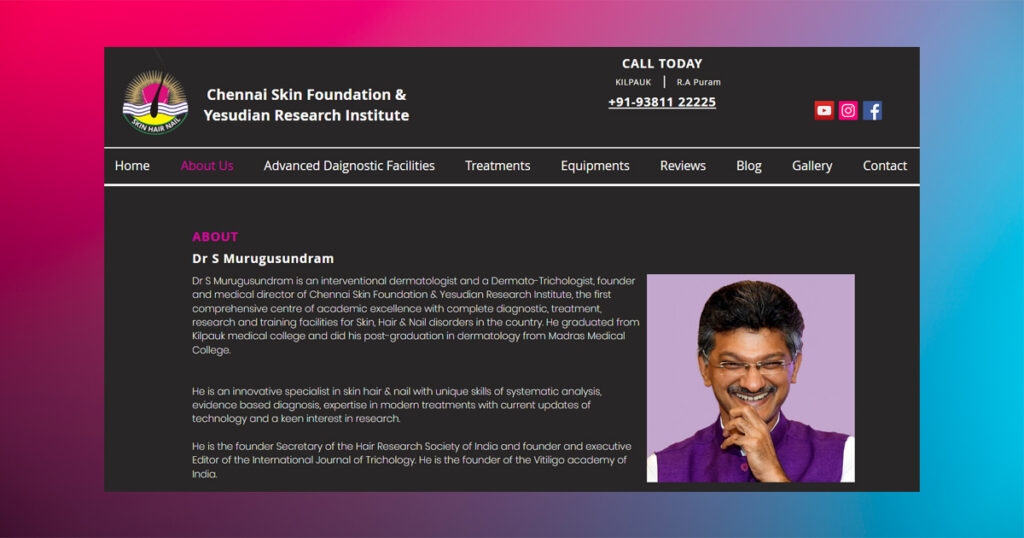
2. Dr. S. Murugusundram
Expertise and Background
Dr. S. Murugusundram, the founder of the Chennai Skin Foundation and Yesudian Research Institute, has over two decades of experience in dermatology. He is widely recognized for his specialization in hair and skin treatments.He is one of the best skin doctor in chennai.
Services Offered
- Hair Transplantation: Utilizing advanced techniques for natural-looking results.
- Vitiligo Treatment: Comprehensive care for pigmentation disorders.
- Laser Treatment: State-of-the-art laser therapy for various skin conditions.
Patient Care
Dr. Murugusundram is praised for his patient-centric approach, ensuring personalized and effective treatment plans.
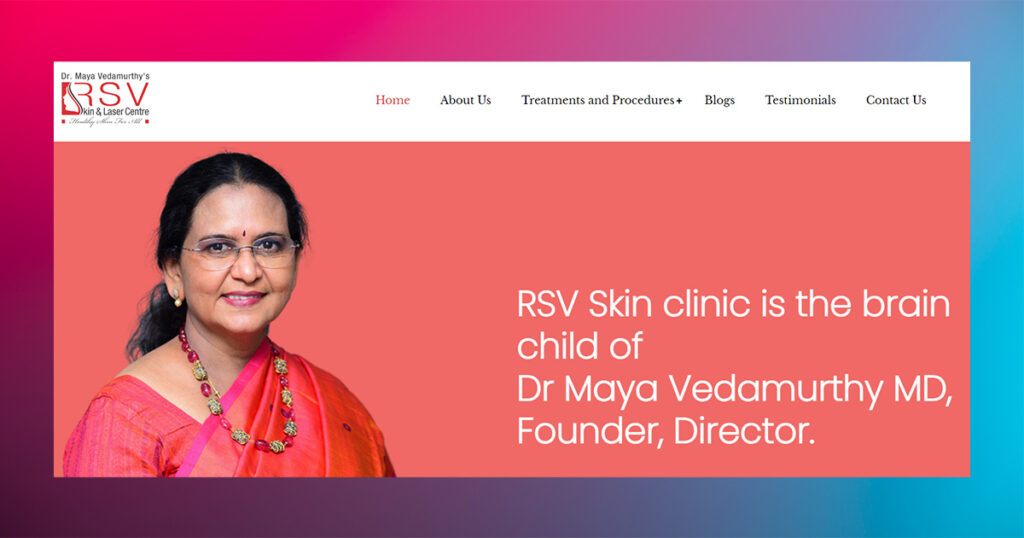
3. Dr. Maya Vedamurthy
Expertise and Background
Dr. Maya Vedamurthy, director of RSV Skin Clinic and senior consultant at Apollo Hospital, Chennai, has over 30 years of experience. She excels in clinical dermatology, cosmetic dermatology, and dermatologic surgery. Dr maya is the best skin specialist in chennai.
Services Offered
- Acne Treatment: Effective management of acne and acne scars.
- Dermatologic Surgery: Procedures for skin cancers and cysts.
- Anti-Aging Treatments: Non-surgical treatments to reduce signs of anti aging.
Patient Care
Dr. Vedamurthy’s compassionate care and thorough treatments are highly appreciated by her patients.
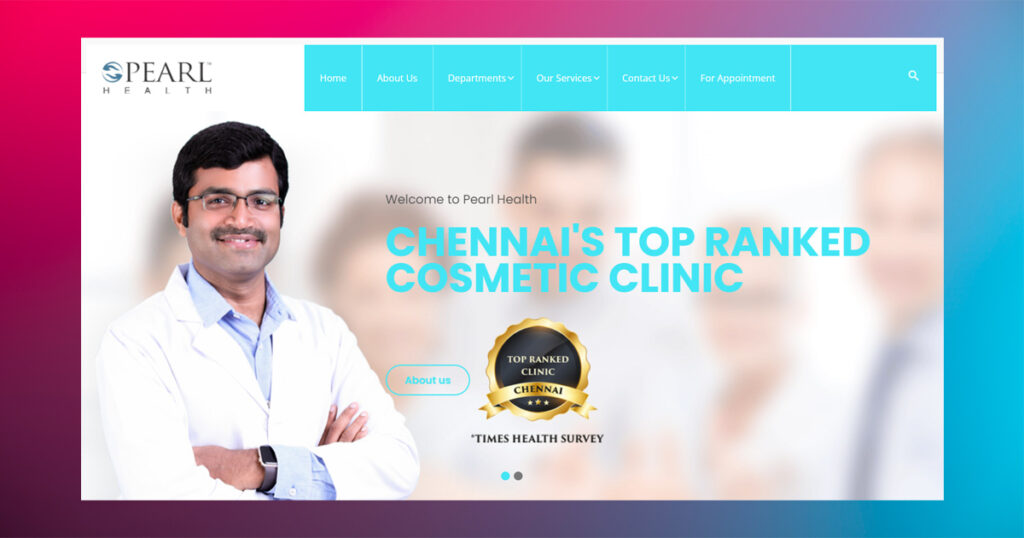
4. Dr. Sasikumar Muthu
Expertise and Background
Dr. Sasikumar Muthu, founder of Pearl Skin and Hair Clinic, is known for his expertise in both medical and cosmetic. He is the best dermatologist in chennai. His clinic offers high standards of care with cutting-edge treatments.
Services Offered
- Psoriasis Treatment: Innovative therapies for managing psoriasis.
- Hair Loss Treatments: Comprehensive solutions for hair fall and baldness.
- Skin Rejuvenation: Advanced treatments for skin revitalization.
Patient Care
Dr. Sasikumar Muthu detailed consultations and effective treatment plans set him apart.
5. Dr. Karthik Gopal
Expertise and Background
Dr. Karthik Gopal, practicing at Apollo Hospitals, Chennai, has significant experience in treating complex skin disorders and performing aesthetic procedures.
Services Offered
- Eczema and Dermatitis: Specialized treatments for inflammatory skin conditions.
- Laser Hair Removal: Safe and effective hair removal procedures.
- Chemical Peels: Customized peels for various skin concerns.
Patient Care
Dr. Gopal is known for his personalized and attentive approach to patient care.
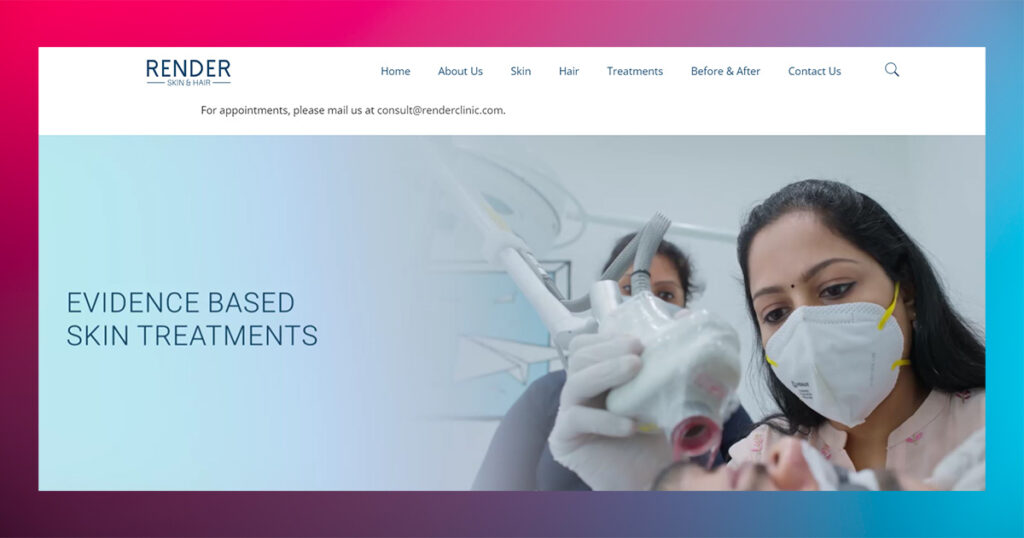
6. Dr. Renita Rajan
Expertise and Background
Dr. Renita Rajan, chief consultant at Render Skin and Hair, is an expert in aesthetic dermatology. dr renita rajan is known for her innovative approach to skin and hair care.
Services Offered
- Pigmentation Treatment: Advanced solutions for hyperpigmentation and melasma.
- Botox and Fillers: Non-surgical treatments for wrinkle reduction and facial contouring.
- Dermatopathology: Accurate diagnose and treat skin diseases through microscopic examination.
Patient Care
Dr. Rajan’s meticulous care and serene clinic environment are highly valued by her patients. She is the top skin doctor in chennai
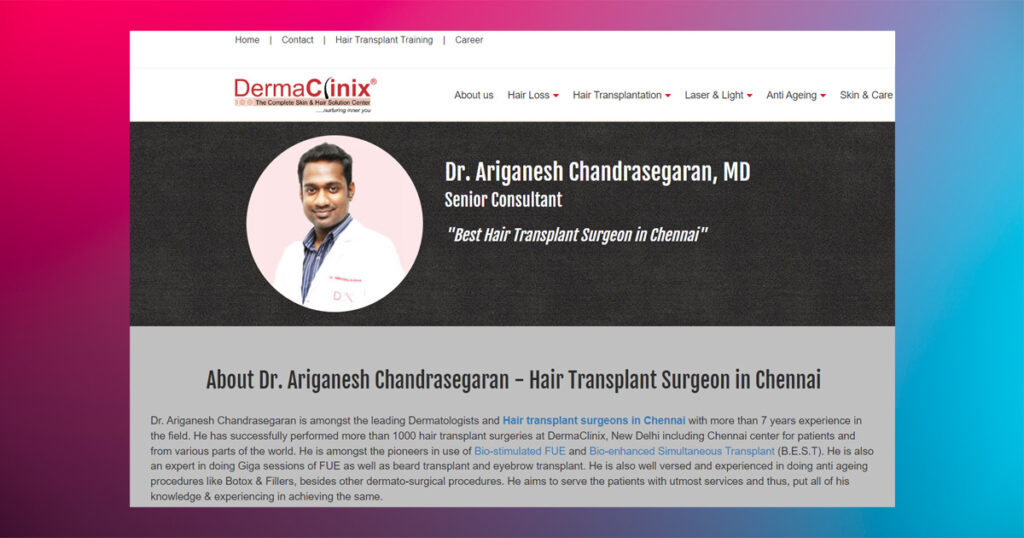
7. Dr. A. Ariganesh Chandrasegaran
Expertise and Background
Dr. A. Ariganesh Chandrasegaran, founder of DermaClinix, is known for his expertise in hair transplantation and cosmetic dermatology.
Services Offered
- Hair Transplantation: Cutting-edge techniques for hair restoration.
- Acne Scar Treatment: Advanced treatments for reducing acne scars.
- Laser Treatment: Effective solutions for various skin issues.
Patient Care
Dr. Ariganesh’s patient-focused approach ensures customized care and excellent results.
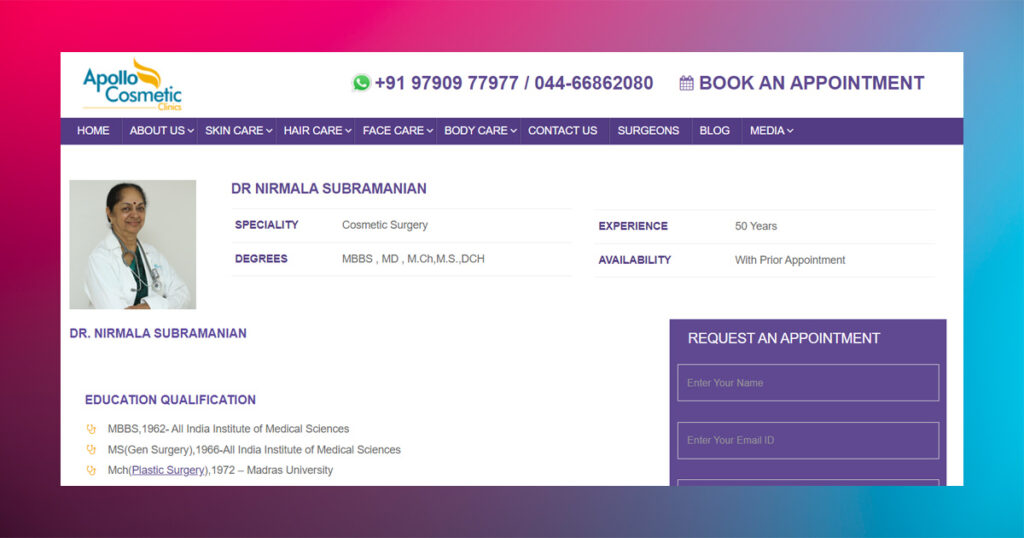
8. Dr. Nirmala Subramanian
Expertise and Background
Dr. Nirmala Subramanian is a senior consultant cosmetic dermatologist with extensive experience in clinical and cosmetic dermatology.
Services Offered
- Psoriasis and Eczema: Specialized treatments for chronic skin conditions.
- Anti-Aging Solutions: Non-invasive treatments for youthful skin.
- Laser Hair Removal: Advanced techniques for permanent hair reduction.
Patient Care
Dr. Subramanian is known for her empathetic and effective treatment strategies.
9. Dr. R. Krishnamoorthy
Expertise and Background
Dr. R. Krishnamoorthy, join director & senior consultant at SIMS, has vast experience in treating various skin disorders and performing dermatologic procedures.
Services Offered
- Vitiligo Surgery: Advanced surgical treatments for vitiligo.
- Skin Allergy Treatment: Effective management of allergic skin conditions.
- Cosmetic Procedures: Non-surgical treatments for skin enhancement.
Patient Care
Dr. Krishnamoorthy’s patients appreciate his detailed consultations and effective treatments.
10. Dr. G. Ravichandran
Expertise and Background
Dr. G. Ravichandran is a seasoned dermatologist with a focus on clinical and aesthetic dermatology. He practices at Apollo Hospital.
Services Offered
- Acne Management: Comprehensive treatments for acne and skin related issues.
- Laser Resurfacing: Advanced laser treatments for skin rejuvenation.
- Scar Revision: Effective solutions for reducing the appearance of scars.
Patient Care
Dr. G. Ravichandran is praised for his thorough and patient-centered approach.
Conclusion
The dermatologists listed above are the top dermatologists in Chennai. They have a lot of experience and work at well-known healthcare places.
If you need help with your skin, consider seeing Dr. Hanan is the best female dermatologist in chennai. She offers free advice on skin care and listens to patients about their skin problems.
Visit Our Dr.Hanan Dermatology Clinic located on omr road, padur, Chennai – 603103.
FAQ’s
1. What are the common treatments offered by the best dermatologists in Chennai?
They specialize in a variety of treatments including acne management, eczema treatment, psoriasis care, hair loss solutions, skin allergy treatment, pigmentation correction, and cosmetic procedures like chemical peels, laser therapy, and Botox injections.
2. Is it possible to have an online consultation with the leading dermatologists in Chennai?
Yes, many top dermatologists in Chennai offer online consultations through their websites or telemedicine platforms, making it convenient for patients who cannot visit the clinic in person.
3. How can I book an appointment with a leading dermatologist in Chennai?
Appointments can usually be booked online through the dermatologist's official website, by calling the clinic directly, or via healthcare platforms like Practo and Lybrate.
Table of Contents

Korean Skin Care Routine For Morning & Night to Achieve Korean Glass Skin
Korean Skin Care Routine For Morning & Night to Achieve Korean Glass Skin
Learn the ultimate Korean skin care routine for morning and night to achieve flawless, glowing glass skin effortlessly.
If you’re a fan of the ten-step Korean skincare, you’ve probably heard of “Korean Glass Skin Routine.” Korean skincare is very popular all over the world, and it’s no wonder why. Koreans are known for their skin care routine, which reflects their radiant, glowing complexion.
This radiant look isn’t just down to genetics—it’s down to the right skin tone and the natural moisturizing properties found in most Korean beauty products.
Glass skin is extremely smooth, poreless, and translucent, indicating a baby-like skin. Originally from Korea, this trend has now spread to India and other parts of the world. Want to get this glass skin look?
While there are no products that will instantly make your skin crystal clear, there are some Korean skin care steps and tips that can help you get there.
This guide will explain step-by-step of morning skin care routine and at night to help you achieve glowing, healthy skin.
Why choose Korean skincare ?
Korean skin care is famous for focusing on preventing skin problems rather than just treating them. It emphasizes hydrating, nourishing and protecting your skin. Often, it involves the use of new materials and techniques.
The secret to its success is the consistent application and packaging of products to create a protective barrier and improve skin health.
Korean Skin Care Routine for Morning
1. Cleansing: Start Fresh
Why it’s important: When you sleep, your skin accumulates sweat, oil and dead skin cells. Washing your face in the morning routine helps remove these products, so your skin is clean and ready for the rest of your skincare routine.
Recommended Product: Use a mild, water-based cleanser. Some good options are COSRX Low pH Good Morning Gel Cleanser or Klairs Supple Preparation Unscented Toner.
2. Toning: Balance Your Skin
Why it’s important: Toner helps balance your skin’s pH by cleansing and preparing your face for other skincare products for a healthy glow.
Recommended Product: Choose a moisturizing toner with ingredients like aloe vera, green tea, or hyaluronic acid. Son & Park Beauty Water is popular because it gently absorbs into your skin.
3. Essence: Boost Hydration
Why it’s important: Essences are lightweight, moisturizing products designed to moisturize and prepare your skin for the next skin care treatment
Recommended Product: SK-II Facial Treatment Essence is a cult favorite, known for its skin lightening properties. For a less invasive option, try Missha Time Revolution The First Treatment Essence.

4. Serums: Target Specific Concerns
Why it’s important: Serums contain powerful ingredients that help with specific skin issues like blackheads, acne, or wrinkles. They provide powerful benefits to your skin.
Recommended Product: Try a vitamin C serum like Klairs Freshly Juiced Vitamin C Drop for brightening. Ordinary Hyaluronic Acid Serum is a good choice for extra hydration.
5. Moisturizing: Lock in Hydration
Why it’s important: Moisturizing prevents your skin from drying out and helps keep it smooth and youthful.
Recommended Product: Opt for a lightweight, moisturizing cream like Laneige Water Bank Gel Cream or Neogen Real Fresh Foam Cream.
6. Sunscreen: Shield Your Skin
Why it’s important: Sunscreen protects your skin from UV rays that can cause anti aging and skin cancer.
Recommended Product: Use a broad spectrum sunscreen with SPF 30 or higher. Missha All Around Safe Block Soft Finish Sun Milk SPF 50+ is a popular choice.
Korean Skin Care Routine for Night
1. Double Cleansing: Remove Makeup and Impurities
Why it’s important: Double cleansing ensures that all makeup, sunscreen, and impurities are thoroughly removed, preventing clogged pores and breakouts.
Recommended Products: Start with an cleansing oil binds like oil based cleanser the Banila Co Clean It Zero, followed by a water-based cleanser.
2. Exfoliating: Slough Off Dead Skin Cells
Why it’s important: Exfoliation helps to remove dead skin cells, promoting cell turnover and revealing smoother, brighter skin. However, it should be done 2-3 times a week to avoid irritation.
Recommended Product: Try exfoliating products like Paula’s Choice Skin Perfecting 2% BHA Liquid Exfoliant or The Face Shop’s Exfoliating Sugar Scrub.
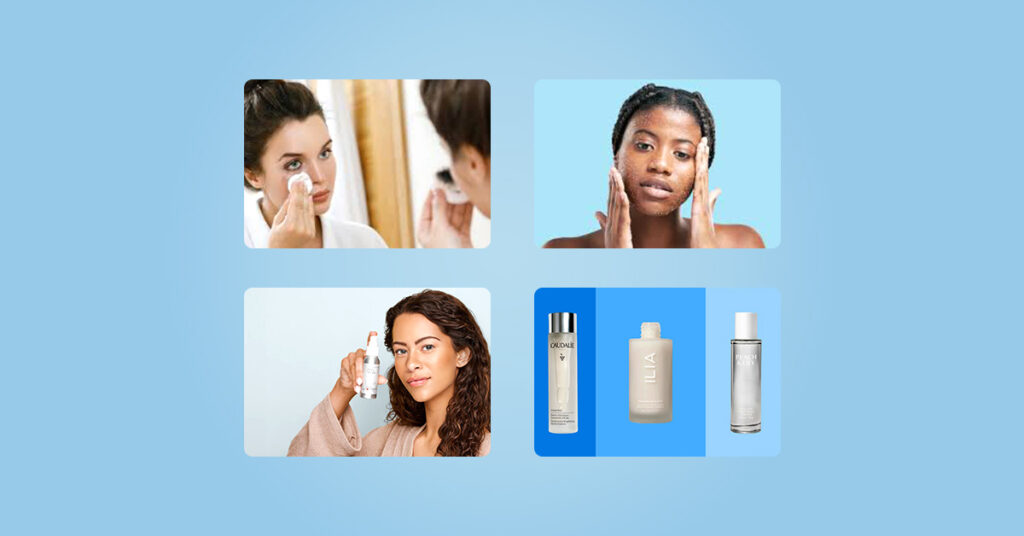
3. Toning: Restore pH Balance
Why it’s important: Toning in the evening, like in the morning, helps balance your skin’s pH and soothes any skin irritation.
Recommended Product: Klairs Supple Preparation Unscented Toner is gentle and hydrating, perfect for nighttime use.
4. Essence: Deep Hydration
Why it’s important: At night, your skin is more receptive to hydration and repair. An essence helps to boost hydration and prepares your skin for the next steps.
Recommended Product: The Hada Labo Gokujyun Hyaluronic Acid Lotion is a great choice for intense hydration.
5. Treatments: Target Specific Concerns
Why it’s important: Treatments like serums or ampoules are packed with high quality concentrations of active ingredients to address specific concerns such as acne, hyperpigmentation, or wrinkles.
Recommended Product: For acne, the COSRX Acne Pimple Master Patch is effective. For brightening, consider the Klairs Freshly Juiced Vitamin C Serum.
6. Eye Cream: Hydrate and Protect
Why it’s important: The delicate skin around your eyes requires special care to prevent fine lines and dark spots or circles.
Recommended Product: The Mizon Snail mucin Repair Eye Creams is renowned for its hydrating and repairing properties.
7. Moisturizing: Nourish and Repair
Why it’s important: Night creams are typically richer than day creams, providing essential nutrients and hydration to repair and rejuvenate your skin overnight.
Recommended Product: The Laneige Water Sleeping Mask or the Innisfree Night Cream with Green Tea Seed Oil binds the dirt are excellent choices for overnight hydration.
8. Facial Oils: Seal in Moisture
Why it’s important: Facial oils provide an additional layer of moisture, sealing in all the previous steps and enhancing skin barrier function.
Recommended Product: The Ordinary 100% Organic Cold-Pressed RoseHip Seed Oil is great for brightening and repairing skin.
Get a Customized Skincare Routine With Our Experts
Are you looking for a korean skin care routine order just for you? Our experts are here to help! With our personalized skin care consultation, you will receive a program tailored to meet your unique skin needs and goals.
Whether you want to address specific concerns such as acne, dryness, or signs of aging, our team will evaluate your skin and recommend the best products and steps for you.
Don’t settle for a generic skincare routine, get one that’s customized just for you. Contact Dr.Hanan skin care specialist today to get started on your path to glowing, healthy skin!
Conclusion
Implementing a south Korean skincare routine can transform your skin’s health and appearance. By following these morning and night beauty routines, you can enjoy the benefits of hydrated, glowing skin. Remember, consistency is key, and it’s essential to choose products that suit your skin types and concerns.
FAQs
1. How long should I wait between each step in my routine?
It is advisable to wait 1-2 minutes between each step for the product to fully absorb.
2. Can I skip 10-step Korean skincare routine?
Although some steps are optional, it is generally recommended that you follow a routine for best results. Skipping steps will cut down on your skincare routine.
3. How often should I exfoliate?
Exfoliate 2-3 times per week depending on skin sensitivity and type of exfoliant used.
4. Can I use the same products for both morning and night?
Some products, such as cleansers and toners, can be used morning and night. However, overnight treatments and overnight skin care treatments are often different.
5. What should I do if I experience irritation?
If you develop allergic reactions, stop using the product and consult a dermatologist. It also helps to patch test new features before adding them to your system.