
Best Homeopathic Medicine for Dandruff and Hair Fall: Natural Remedies for Healthier Hair

Best Homeopathic Medicine for Dandruff and Hair Fall: Hair problems like dandruff and hair fall affect millions of people around the world. While conventional treatments can be effective, many individuals are turning to homeopathic remedies for a more natural and personalized approach to their hair care routine. Homeopathy offers gentle, holistic treatments that target the root causes of hair issues, promoting overall scalp health and hair growth. In this article, we explore the best homeopathic medicines for dandruff and hair fall, their benefits, and how they can help you achieve healthier, fuller hair.
Book Your Consultation Today
Visit Dr. Hanan Dermatology Specialty Clinic in Padur, OMR, Chennai. Schedule your consultation today and start your journey to fuller, healthier hair.
For more information and to book your appointment, visit our clinic or call us at the clinic’s contact details.
Understanding Dandruff and Hair Fall
Before diving into the homeopathic treatments, it’s important to understand what dandruff and hair fall are and how they impact your hair.
What is Dandruff?
Dandruff is a common scalp condition characterized by flaky, itchy skin. It can result from various factors, including:
- Dry Scalp: Lack of moisture can lead to peeling and flakes.
- Fungal Infections: Yeast-like fungi (Malassezia) can trigger dandruff.
- Oily Scalp: Excess oil can mix with dead skin cells, leading to flakes.
What is Hair Fall?
Hair fall occurs when hair shedding exceeds hair growth, leading to thinning or baldness. Common causes include:
- Genetics: Hereditary hair loss can contribute to thinning.
- Stress: Physical or emotional stress can disrupt hair growth.
- Nutritional Deficiencies: Lack of essential vitamins can result in weakened hair.
- Hormonal Imbalances: Conditions like thyroid issues or pregnancy can affect hair growth.
Benefits of Homeopathy for Dandruff and Hair Fall

Homeopathy is known for its holistic approach, treating the individual as a whole rather than just focusing on symptoms. When it comes to dandruff and hair fall, homeopathic remedies work by addressing the root causes and stimulating the body’s natural healing abilities. Here are some key benefits:
- Natural Treatment: Homeopathic medicines use natural ingredients that are gentle on the scalp and hair.
- Personalized Care: Remedies are tailored to the specific symptoms of the individual.
- Long-Term Results: Homeopathic treatments aim to address underlying imbalances, providing long-term relief.
Read more: Dandruff Treatment A Complete Guide to a Healthier Scalp
Best Homeopathic Medicines for Dandruff

Homeopathy offers several remedies that can effectively treat dandruff. Here are some of the most effective medicines for dandruff:
1. Thuja Occidentalis
Thuja is a popular remedy for dandruff caused by fungal infections. It helps balance the scalp’s oil production and promotes healthy hair growth. Thuja is often used for itchy, flaky scalps and can relieve discomfort caused by dandruff.
2. Natrum Muriaticum
This remedy is particularly effective for dry, flaky dandruff that often occurs in winter. If you experience dandruff due to dehydration or environmental factors, Natrum Muriaticum can help restore moisture to the scalp and reduce dryness.
3. Graphites
Graphites is ideal for individuals who experience eczema-like dandruff, where the scalp becomes crusted or greasy. It helps soothe scalp irritation, reduce inflammation, and alleviate flakes.
4. Kali Sulphuricum
For individuals dealing with oily dandruff, Kali Sulphuricum works to balance the scalp’s oil production. It helps treat greasy flakes and helps with scalp inflammation that often accompanies oily dandruff.
Read more: Best Dandruff Treatment in Chennai
Best Homeopathic Medicines for Hair Fall
When it comes to hair fall, homeopathy offers several remedies that can strengthen the hair follicles and promote hair growth. Some of the most effective treatments include:
1. Phosphorus
Phosphorus is known for its ability to treat hair thinning caused by stress or hormonal imbalances. It helps restore vitality to the hair follicles, encouraging hair regrowth. Phosphorus can also be effective for those who experience excessive hair shedding after stressful events.
2. Lycopodium Clavatum
Lycopodium is commonly used for pattern baldness, particularly in individuals who experience hair loss in the crown or front of the scalp. It helps with premature graying and encourages healthy hair growth.
3. Silicea
Silicea is a powerful remedy for individuals suffering from hair fall due to weak hair roots. It helps strengthen the hair follicles, improves scalp health, and reduces excessive hair shedding. It is especially beneficial for people with fragile, brittle hair.
4. Arsenicum Album
For those who experience hair loss related to poor circulation or overall health, Arsenicum Album can be a useful treatment. It helps improve scalp circulation and reduces the shedding of hair, especially if the scalp is inflamed or irritated.
How to Use Homeopathic Remedies for Dandruff and Hair Fall
Homeopathic medicines come in various forms, including liquids, pellets, and tablets. The correct dosage and treatment plan depend on your individual symptoms, so it’s crucial to consult a professional homeopath for personalized advice. Here are some general guidelines for using homeopathic remedies:
Tips for Supporting Hair Health
In addition to homeopathic remedies, there are several lifestyle changes you can make to promote healthy hair:
- Scalp Hygiene: Wash your hair regularly with a gentle shampoo to remove excess oil and dandruff flakes.
- Balanced Diet: Ensure you are getting enough vitamins and minerals like iron, zinc, and biotin to support hair health.
- Avoid Harmful Treatments: Minimize the use of harsh chemicals, heat styling, and other treatments that can damage your hair.
- Stress Management: Practice relaxation techniques like meditation or yoga to reduce stress, which can contribute to hair loss.
Conclusion
Homeopathic remedies offer a natural and effective solution for dandruff and hair fall. Whether you’re dealing with dry scalp, oily flakes, or hair thinning, there are homeopathic treatments that can help address the root causes and promote healthy hair growth. Remember to consult a professional homeopath for personalized advice and treatment plans, and be patient as you give these remedies time to work. Embrace the natural path to healthier, fuller hair with homeopathy.
FAQs at Best Homeopathic Medicine for Dandruff and Hair Fall
1. Are homeopathic remedies safe for dandruff and hair fall? Yes, homeopathic remedies are made from natural ingredients and are safe when used as directed. Always consult a professional for proper guidance.
2. How long does it take to see results with homeopathic treatments for hair fall?
Results can vary depending on the individual, but most people start seeing noticeable improvements after a few weeks to a few months of consistent use.
3. Can homeopathy treat all types of hair loss?
Homeopathy can help with various types of hair loss, including stress-related hair fall, pattern baldness, and hair loss due to poor scalp health.
4. Should I combine homeopathic remedies with other treatments?
It’s best to consult a homeopath before combining treatments. Sometimes, homeopathy works well alongside other natural remedies or lifestyle changes.
Private Part Hair Removal in Chennai: A Complete Guide
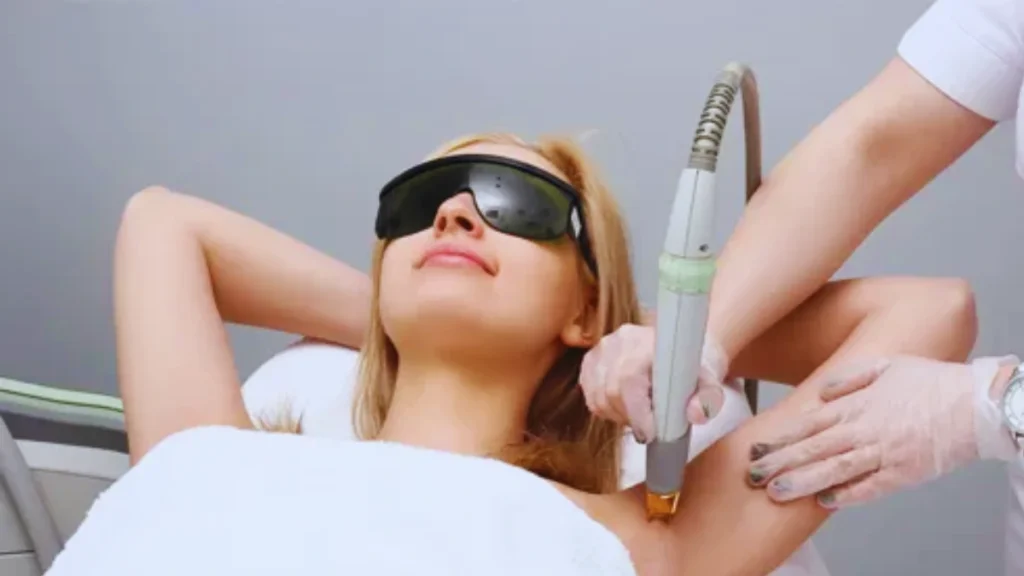
When it comes to personal grooming, private part hair removal is a topic that many are keen to explore. With advancements in technology and the availability of specialized treatments, it has become easier and safer to achieve smooth, hair-free skin in sensitive areas like the bikini line. Among the various methods available, laser hair removal stands out as the most effective and long-lasting option. If you’re considering private part hair removal in Chennai, this guide will help you understand the best methods, clinics, and essential factors to consider.
Book Your Consultation Today
Visit Dr. Hanan Dermatology Specialty Clinic in Padur, OMR, Chennai. Schedule your consultation today and start your journey to fuller, healthier hair.
For more information and to book your appointment, visit our clinic or call us at the clinic’s contact details.
Why Choose Private Part Hair Removal?
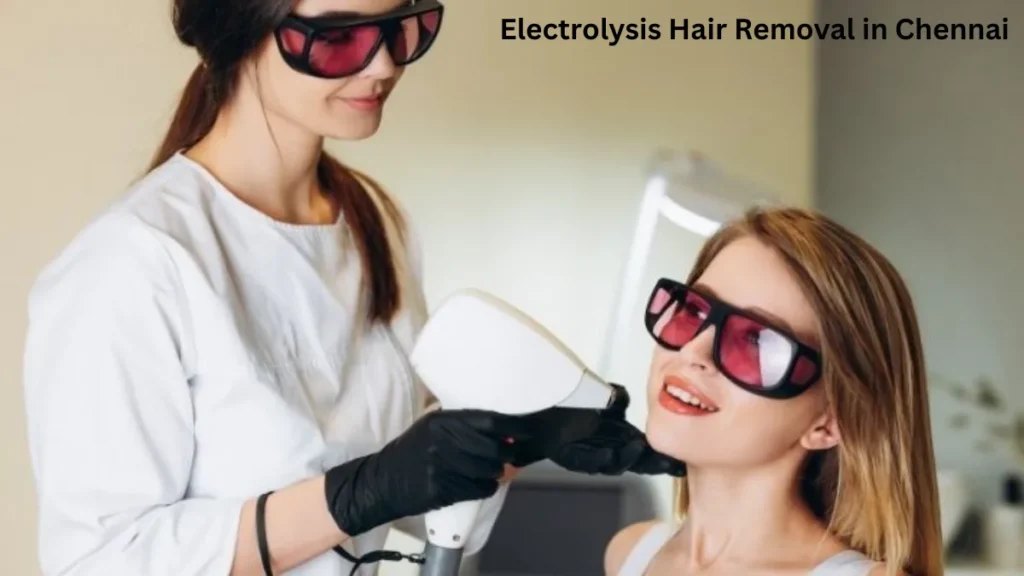
There are several reasons people opt for private part hair removal, particularly for areas like the bikini line. For many, it’s about maintaining hygiene, comfort, and aesthetic appeal. Here are a few reasons why hair removal in sensitive areas is becoming increasingly popular:
- Hygiene: Removing hair in private areas can help reduce sweat and bacteria build-up, promoting better hygiene.
- Convenience: With smooth skin, there’s less need for constant shaving or waxing, saving time and reducing irritation.
- Aesthetic Appeal: Many people prefer the clean look and feel of hair-free private areas for self-confidence or during swim season.
While there are different hair removal methods available, each has its pros and cons. Shaving and waxing are common, but laser hair removal is becoming the top choice for those seeking a more permanent and less painful solution.
Read more: Electrolysis Hair Removal in Chennai
Best Methods for Private Part Hair Removal in Chennai
Laser Hair Removal
Laser hair removal is the most popular and effective method for permanent hair reduction in sensitive areas like the bikini line. Here’s why:
- Permanent Results: Unlike shaving or waxing, laser hair removal targets hair follicles, preventing future hair growth.
- Precision: Lasers can focus on specific areas, making it ideal for sensitive skin and private parts.
- Minimal Pain: Laser treatments are generally less painful than waxing and cause minimal discomfort.
In Chennai, Nd:YAG laser technology is a highly recommended option for darker skin tones. Nd:YAG lasers penetrate deeply into the skin, targeting the hair follicle without damaging the surrounding tissue, making it a safe choice for Indian skin types.
Other Hair Removal Options
While laser hair removal is the go-to option for many, there are other methods you can consider:
- Shaving: It’s quick and easy but can lead to irritation, ingrown hairs, and frequent upkeep.
- Waxing: Offers smooth results for a few weeks but can be painful, especially in sensitive areas.
Laser hair removal is often the preferred method as it offers more permanent results with minimal discomfort.
Top Salons and Clinics Offering Private Part Hair Removal in Chennai
If you’re looking for a trusted place for private part hair removal in Chennai, here are some popular clinics and salons:
- Naturals Salon: Known for offering high-quality bikini line laser hair removal, Naturals Salon is a top choice in Chennai. Their trained professionals ensure a safe and comfortable experience.
- Other Reputable Clinics: Look for clinics that specialize in laser hair removal and have certified dermatologists and experienced technicians. Well-known centers in Chennai provide advanced lasers, including the Nd:YAG option.
When selecting a clinic, make sure it meets your needs in terms of cleanliness, experience, and customer reviews.
What to Expect During a
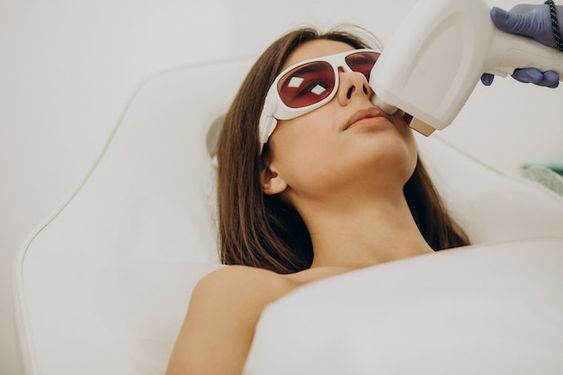
Laser hair removal for private parts is generally quick and non-invasive. Here’s what you can expect:
- Consultation: During your first visit, the technician will assess your skin type, hair color, and medical history to determine the best treatment.
- Treatment Process: The laser is applied to the targeted area. You may feel a mild stinging or snapping sensation, but it is usually well-tolerated.
- Number of Sessions: Typically, multiple sessions are needed to achieve permanent results. Most people require 6-8 sessions, spaced a few weeks apart.
Overall, laser hair removal is relatively painless, with minimal downtime, making it an ideal choice for sensitive areas.
Read more: laser hair removal treatment
Post-Treatment Care for Private Part Hair Removal
After your laser hair removal session, it’s essential to take care of the treated area to avoid irritation and maximize results:
- Avoid Sun Exposure: Your skin will be sensitive after treatment, so it’s essential to avoid direct sunlight for a few days.
- Moisturize: Keep the treated area hydrated to prevent dryness or irritation.
- No Hot Showers or Saunas: Avoid hot water on the treated area for 24 hours to reduce the risk of irritation.
Following these aftercare tips will help ensure smooth, hair-free skin and prevent complications.
Cost of Private Part Hair Removal in Chennai
The cost of laser hair removal for private parts in Chennai varies depending on the clinic, the type of laser used, and the size of the area being treated. On average, a session for the bikini line can cost between ₹1,500 and ₹5,000. Multiple sessions are required, so total costs can add up over time.
Factors that influence pricing include:
- Clinic Reputation: High-end clinics with experienced technicians may charge more.
- Laser Type: Advanced laser technologies like Nd:YAG may cost more than traditional options.
- Area Size: Larger treatment areas generally cost more.
Make sure to inquire about packages and any discounts available for multiple sessions.
Key Considerations Before Choosing a Hair Removal Method
Before opting for private part hair removal, consider the following:
- Skin Type: Different skin types may react differently to hair removal methods. Ensure the clinic you choose offers treatment suited for your skin type.
- Desired Results: If you want long-lasting results, laser hair removal is the best option.
- Medical History: Discuss any medical conditions or concerns with the technician to avoid complications.
A consultation with a dermatologist or laser specialist can help you make the right decision based on your unique needs.
Conclusion
Private part hair removal is a popular option for those seeking smooth, hair-free skin in sensitive areas. Laser hair removal, particularly with Nd:YAG technology, offers permanent results with minimal discomfort. By choosing a reputable clinic in Chennai, you can enjoy safe and effective treatments that deliver the desired results.
If you’re ready to make the switch from temporary hair removal methods, consider laser treatments for long-term smoothness and convenience.
Frequently Asked Questions (FAQs)
1. Is laser hair removal painful?
- Laser hair removal is generally not very painful. Most patients experience a mild stinging or snapping sensation during the procedure.
2. How many sessions are needed for permanent results?
- On average, 6-8 sessions are required to achieve permanent results.
3. Can I get laser hair removal for my bikini line? ?
- Yes, laser hair removal is safe and effective for sensitive areas like the bikini line.
4. Are there any side effects of laser hair removal?
- Some mild redness and irritation may occur, but these usually subside within a few hours.
5. How much does laser hair removal cost in Chennai?
- Prices for bikini line laser hair removal in Chennai generally range from ₹1,500 to ₹5,000 per session, depending on the clinic and technology used.
Top 10 Hair Clinics in Chennai

Maintaining healthy hair is an essential part of personal care, but with rising concerns like hair loss, dandruff, and scalp infections, seeking professional help has become crucial. Chennai, a hub of advanced healthcare services, offers numerous specialized hair clinics catering to various needs. In this article, we’ll explore the top 10 hair clinics in Chennai to help you make an informed choice.
Criteria for Choosing a Hair Clinic
When selecting a hair clinic, consider the following factors:
- Expertise: Look for certified dermatologists and trichologists with proven experience.
- Services Offered: Evaluate the range of treatments such as hair transplants, PRP therapy, and scalp rejuvenation.
- Technology: Clinics using advanced equipment and techniques often deliver better results.
- Reputation: Check patient reviews and testimonials to assess the clinic’s credibility.
- Affordability: Ensure the treatments fit your budget without compromising quality.
Book Your Consultation Today
Visit Dr. Hanan Dermatology Specialty Clinic in Padur, OMR, Chennai. Schedule your consultation today and start your journey to fuller, healthier hair.
For more information and to book your appointment, visit our clinic or call us at the clinic’s contact details.
The Top 10 Hair Clinics in Chennai

1. Dr. Hanan Dermatology Specialty Clinic

- Specializations: Hair transplants, skin and hair treatments.
- Highlights: Known for personalized treatment plans and use of cutting-edge technology.
- Location: Padur, OMR, Chennai
- Patient Reviews: Excellent ratings for natural results and professional care.
2. Oliva Skin & Hair Clinic
- Specializations: PRP therapy, laser hair removal, and hair loss treatments.
- Highlights: Advanced dermatology services with trained experts.
- Location: Multiple branches across Chennai.
- Patient Reviews: High satisfaction with tailored treatment options.
3. Advanced Hair Studio
- Specializations: Non-surgical hair restoration and FUE transplants.
- Highlights: Global presence with state-of-the-art facilities.
- Location: Teynampet, Chennai.
- Patient Reviews: Well-regarded for innovative solutions.
4. Delphi Skin Clinic
- Specializations: Trichology-focused treatments for scalp and hair issues.
- Highlights: Offers affordable and customized care.
- Location: Adyar, Chennai.
- Patient Reviews: Praised for effective and budget-friendly solutions.
5. Aura Skin & Hair Clinic
- Specializations: Hair regrowth treatments and scalp rejuvenation.
- Highlights: Combines cosmetology and dermatology for holistic care.
- Location: Anna Nagar, Chennai.
- Patient Reviews: Positive feedback for affordability and expertise.
6. DHI Hair Transplant Clinic
- Specializations: Direct Hair Implantation (DHI) technique.
- Highlights: Renowned for high precision and natural-looking results.
- Location: Nungambakkam, Chennai.
- Patient Reviews: Consistently rated highly for quality care.
7. Dr. Batra’s Healthcare
- Specializations: Homeopathy-based hair treatments.
- Highlights: Trusted brand with decades of expertise in holistic care.
- Location: Multiple branches in Chennai.
- Patient Reviews: Appreciated for natural and side-effect-free solutions.
8. Hairline International
- Specializations: Comprehensive hair care solutions including PRP therapy and transplants.
- Highlights: Focuses on both medical and cosmetic aspects of hair care.
- Location: Alwarpet, Chennai.
- Patient Reviews: Known for delivering visible results.
9. MAX Hair Clinic
- Specializations: Advanced FUE transplants and bio-enhanced treatments.
- Highlights: Experts in restoring natural hairlines.
- Location: T. Nagar, Chennai.
- Patient Reviews: Highly rated for professionalism and customer care.
10. Eugenix Hair Sciences
- Specializations: High-density hair transplants and scalp care.
- Highlights: Recognized globally for its innovative techniques.
- Location: Kodambakkam, Chennai.
- Patient Reviews: Praised for exceptional results and post-treatment support.
Read more: Best Hair Clinic in Chennai OMR Your Ultimate Guide to Expert Hair Care and Treatment
Benefits of Professional Hair Clinics

- Customized Treatment Plans: Tailored solutions based on individual needs.
- Long-Term Results: Address the root cause of hair issues for lasting improvement.
- Advanced Technology: Ensures effective and minimally invasive procedures.
- Expert Care: Access to qualified professionals ensures safety and quality.
Read more: Benefits of Hair Transplant A Permanent Solution for Hair Loss
Conclusion
Finding the right hair clinic in Chennai can be a game-changer for your hair care journey. With their expertise, advanced technology, and patient-centric approach, these top 10 clinics stand out as the best in the city. Don’t hesitate to consult a professional for personalized care and take the first step towards healthy, beautiful hair.
FAQs
What services do hair clinics in Chennai typically offer?
- Most hair clinics in Chennai provide treatments like hair transplant, PRP therapy, hair loss solutions, dandruff treatment, scalp health assessments, and advanced hair restoration procedures.
How do I choose the best hair clinic in Chennai?
- Look for clinics with experienced dermatologists, certified trichologists, positive patient reviews, modern technology, and personalized treatment plans.
What is the cost of a hair transplant in Chennai?
- The cost ranges from ₹30,000 to ₹1,50,000, depending on the clinic, procedure type (FUE or FUT), and the number of grafts required.
Are the treatments at Chennai hair clinics safe?
- Yes, reputable clinics in Chennai use advanced equipment and trained professionals to ensure safe and effective treatments. Always verify the clinic’s credentials before proceeding.
How long do hair restoration treatments take to show results?
- Results vary by treatment. For hair transplants, visible growth usually begins after 3–6 months. Non-invasive treatments like PRP or laser therapy may show improvement in 4–8 sessions.
Do hair clinics in Chennai treat conditions like alopecia?
- Yes, many clinics specialize in treating alopecia and other hair loss conditions with customized treatments, including medications, PRP therapy, and advanced restorative options.
Do these clinics offer non-surgical hair restoration treatments?
- Absolutely. Non-surgical options include PRP therapy, mesotherapy, laser therapy, and topical or oral medications tailored to individual needs.
Can hair treatments be done for women in Chennai clinics?
- Yes, most clinics offer specialized hair treatments for women, addressing issues like hair thinning, postpartum hair loss, and scalp conditions.
Are consultations free at hair clinics in Chennai?
- Some clinics offer free initial consultations, while others may charge a nominal fee. It’s best to confirm with the clinic beforehand.
What should I consider before starting treatment at a hair clinic?
- Ensure the clinic has certified professionals, discuss potential side effects, understand the costs involved, and follow pre-treatment advice from your trichologist or dermatologist.
Nanoplastia Hair Treatment: Everything You Need to Know
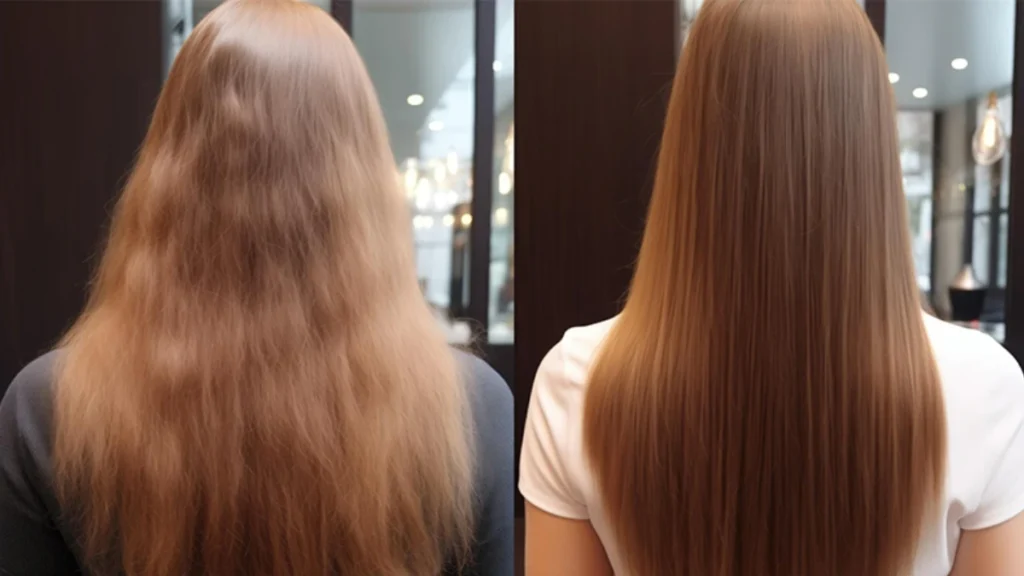
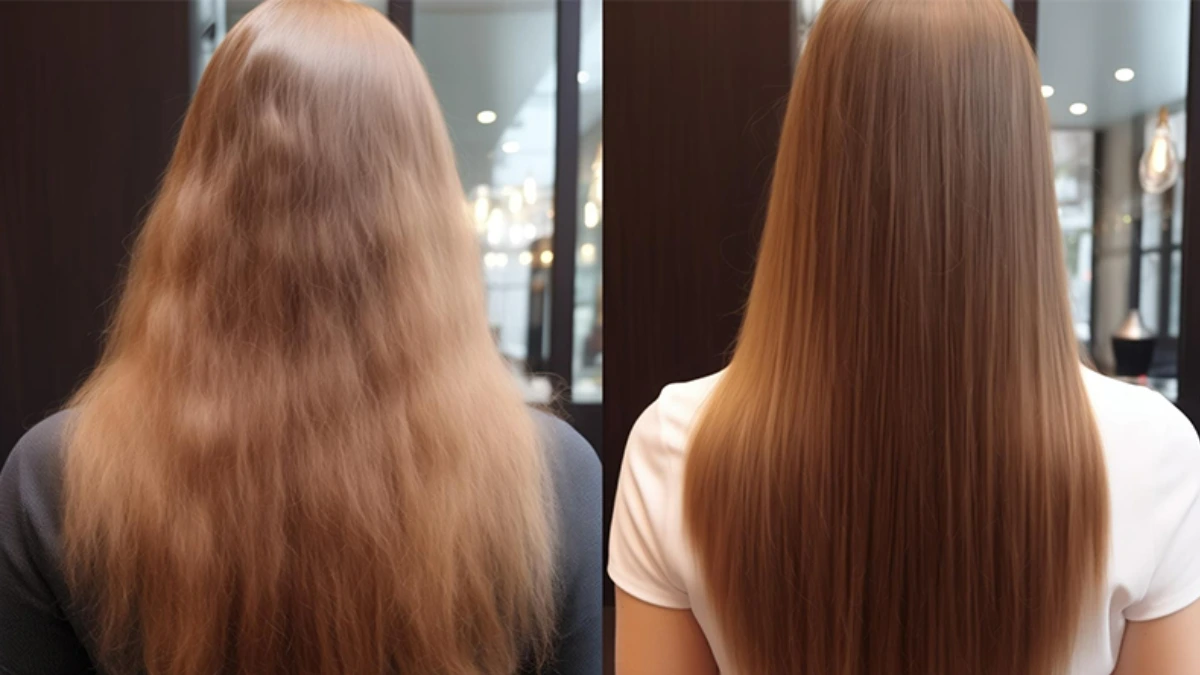
Maintaining healthy and beautiful hair is a priority for many individuals, but finding the right treatment can be a challenge. Nanoplastia hair treatment has emerged as a revolutionary solution for those seeking smooth, frizz-free hair. This article delves into the details of Nanoplastia, how it works, its benefits, and what to expect from the treatment.
Book Your Consultation Today
Visit Dr. Hanan Dermatology Specialty Clinic in Padur, OMR, Chennai. Schedule your consultation today and start your journey to fuller, healthier hair.
For more information and to book your appointment, visit our clinic or call us at the clinic’s contact details.
What is Nanoplastia Hair Treatment?
Definition and Explanation of Nanoplastia
Nanoplastia is an advanced hair treatment that uses nano-sized keratin particles to penetrate the hair cuticle and repair damage from within. Unlike traditional keratin treatments, Nanoplastia offers deeper and longer-lasting results by rejuvenating hair at a molecular level.
How it Differs from Other Hair Treatments
Nanoplastia differs from other treatments like keratin and hair botox in its formulation and application process. While keratin treatments primarily coat the hair, nanoplastia works by infusing nano-keratin into the hair shaft for more profound and durable results. Hair botox, on the other hand, focuses on smoothing and nourishing the hair but does not offer the same level of structural repair as Nanoplastia.
Key Benefits of Nanoplastia
- Deep restoration of hair structure
- Long-lasting smoothness and frizz control
- Improved hair texture and manageability
- Safe and gentle on all hair types
Nanoplastia vs. Keratin Treatment
Wondering how nanoplastia stacks up against keratin? Here’s a quick comparison:
| Feature | Nanoplastia | Keratin Treatment |
|---|---|---|
| Ingredients | Natural (amino acids, oils) | Chemical (may contain formaldehyde) |
| Hair Goals | Repairs and smooths hair | Primarily smooths hair |
| Suitability | Safe for all hair types | Not ideal for sensitive scalps |
| Maintenance | Low-maintenance | May require additional care |
How Nanoplastia Works
The Science Behind Nanoplastia
Nanoplastia utilizes nano-keratin, which is small enough to penetrate the hair cuticle and reach the cortex. This allows the treatment to repair damage from the inside out, strengthening and smoothing the hair.
The Role of Nano-Sized Keratin Particles
The nanosized keratin particles in Nanoplastia fill in gaps and cracks in the hair cuticle, providing a smooth and uniform surface. This leads to a significant reduction in frizz and improved hair texture.
The Process of Application and Penetration
During the Nanoplastia treatment, the hair is thoroughly washed to remove any impurities. The Nanoplastia solution is then applied to the hair and allowed to penetrate for a specified duration. Finally, the hair is rinsed, dried, and styled, leaving it smooth and silky.
Benefits of Nanoplastia Hair Treatment
Frizz Control and Smoothness
Nanoplastia effectively tames frizz and provides long-lasting smoothness, even in humid conditions. The treatment ensures that hair remains sleek and manageable for months.
Improved Hair Texture and Manageability
By repairing the hair from within, Nanoplastia enhances the overall texture, making it softer, shinier, and easier to manage. This makes daily styling a breeze.
Restorative Properties for Damaged Hair
Nanoplastia’s deep-penetrating formula repairs damaged hair, restoring its strength and elasticity. This is particularly beneficial for chemically treated or heat-damaged hair.
Long-Lasting Results (8-10 Months)
Unlike other treatments that may last only a few weeks, Nanoplastia provides results that can last up to 8-10 months with proper care.
Read more: hair treatment for hair loss
Who Should Consider Nanoplastia?
Ideal Candidates for the Treatment
Nanoplastia is suitable for anyone looking to improve the health and appearance of their hair. It is especially beneficial for those with frizzy, curly, or chemically treated hair.
Types of Hair That Benefit the Most
- Curly and wavy hair that tends to frizz
- Chemically treated hair in need of repair
- Dry and damaged hair requiring deep restoration
When to Opt for Nanoplastia
Consider Nanoplastia if you have recently undergone chemical treatments or are seeking a long-lasting solution for smooth, manageable hair.
The Nanoplastia Procedure
Step-by-Step Guide to the Treatment Process
- Hair Washing and Preparation: The hair is washed with a clarifying shampoo to remove any buildup and open the hair cuticles.
- Application of the Nanoplastia Solution: The Nanoplastia solution is evenly applied to the hair, ensuring thorough coverage.
- Drying and Styling: After allowing the solution to penetrate, the hair is dried and styled using a flat iron to seal in the treatment.
- Aftercare Instructions: The stylist provides aftercare instructions to maintain the results, including recommendations for sulfate-free shampoos and conditioners.
Read more: Benefits of Hair Transplant A Permanent Solution for Hair Loss
Comparing Nanoplastia with Other Treatments
Nanoplastia vs. Keratin Treatment
- Nanoplastia: Uses nano-keratin for deeper penetration and longer-lasting results.
- Keratin Treatment: Primarily coats the hair and offers smoother hair for a shorter duration.
Nanoplastia vs. Hair Botox
- Nanoplastia: Focuses on deep repair and structural restoration of the hair.
- Hair Botox: Primarily nourishes and smooths the hair without providing the same level of repair.
Advantages and Disadvantages of Each Treatment
- Advantages of Nanoplastia: Long-lasting, deep repair, safe for all hair types.
- Disadvantages of Nanoplastia: May require longer application time.
- Advantages of Keratin Treatment: Smoother hair, quick results.
- Disadvantages of Keratin Treatment: Shorter duration, may contain formaldehyde.
- Advantages of Hair Botox: Nourishing, enhances hair appearance.
- Disadvantages of Hair Botox: Less effective for deep repair.
Cost and Availability
Average Cost of Nanoplastia Treatment
The cost of Nanoplastia treatment can vary depending on the salon and the length of the hair. On average, the treatment ranges from $150 to $500.
Where to Get Nanoplastia Done
Nanoplastia is available at many professional hair salons and specialized treatment centers. It is essential to choose a reputable salon with experienced stylists.
Maintenance Tips for Prolonging Results
- Use sulfate-free shampoos and conditioners to maintain the treatment.
- Avoid excessive heat styling and chemical treatments.
- Follow the stylist’s aftercare instructions to ensure long-lasting results.
Success Stories and Testimonials
Real-Life Experiences of Individuals Who Have Undergone Nanoplastia
Many individuals have reported positive results after undergoing Nanoplastia treatment. They have experienced significant improvements in hair texture, smoothness, and overall health.
Before and After Photos
Before and after photos showcase the transformative effects of Nanoplastia, highlighting the improvement in hair appearance and manageability.
Testimonials from Satisfied Customers
Satisfied customers have praised Nanoplastia for its long-lasting results and ability to rejuvenate damaged hair. They appreciate the smooth, frizz-free finish that the treatment provides.
FAQs
- How long do the results of nanoplastia last?
- Nanoplastia results typically last 4 to 6 months. Proper aftercare, such as using sulfate-free shampoos, can extend the longevity of the treatment.
- Is nanoplastia suitable for all hair types?
- Yes, nanoplastia works effectively on all hair types, including straight, wavy, curly, and color-treated hair.
- Can nanoplastia be done on chemically treated or bleached hair?
- Absolutely! Nanoplastia is designed to repair and nourish damaged hair, making it a great option for chemically treated or bleached hair.
- Is nanoplastia safe for pregnant or breastfeeding women?
- Yes, nanoplastia is generally safe for pregnant or breastfeeding women as it is free from harmful chemicals like formaldehyde. However, it’s always advisable to consult with your doctor first.
- Does nanoplastia completely straighten hair?
- Nanoplastia smooths hair and reduces frizz, but it doesn’t always result in pin-straight hair. The final texture depends on your hair type.
- How is nanoplastia different from keratin treatments?
- Nanoplastia uses natural ingredients like amino acids and proteins, while keratin treatments may include harsh chemicals like formaldehyde. Nanoplastia focuses on repair and nourishment in addition to smoothing.
- How much does nanoplastia cost?
- The treatment costs between ₹5,000 and ₹15,000, depending on the salon, your hair length, and thickness.
- What aftercare is required for nanoplastia?
- Use sulfate-free shampoos and conditioners, avoid washing your hair for 48 hours post-treatment if instructed, and minimize the use of heat styling tools.
- Can I color my hair after nanoplastia?
- Yes, you can color your hair after nanoplastia, but it’s recommended to wait at least two weeks to allow the treatment to settle.
- Does nanoplastia have any side effects?
- Nanoplastia is generally safe, but individuals with specific allergies should consult their stylist or perform a patch test before the treatment.
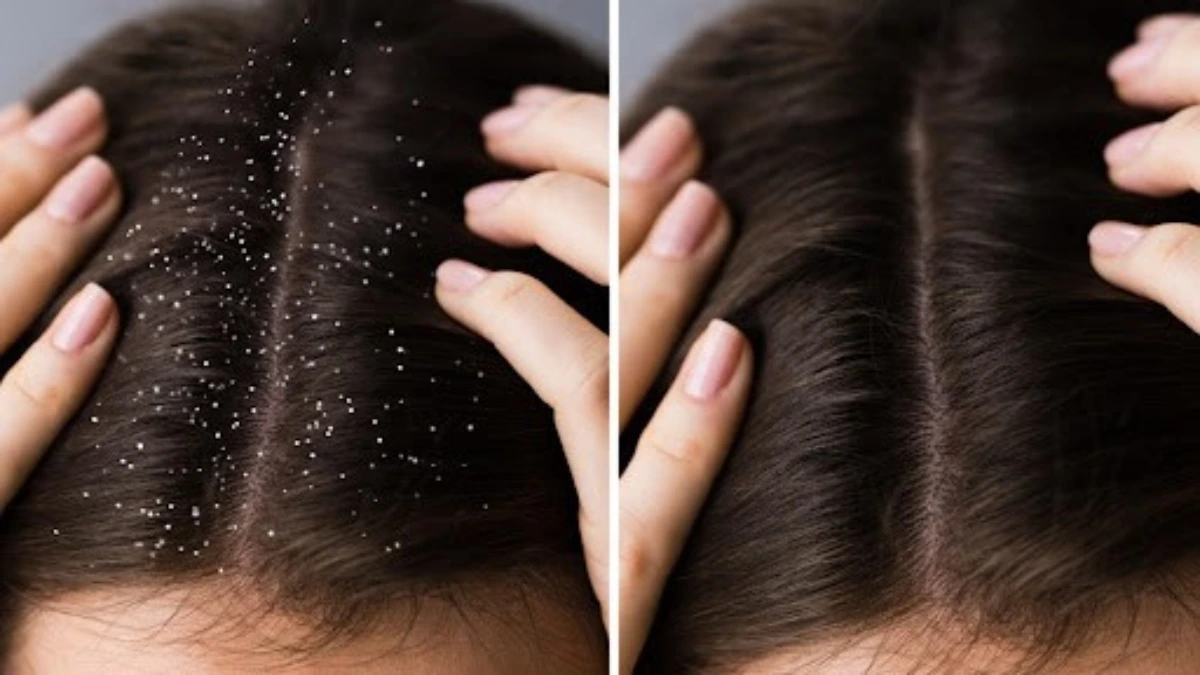
Dandruff Treatment: A Complete Guide to a Healthier Scalp
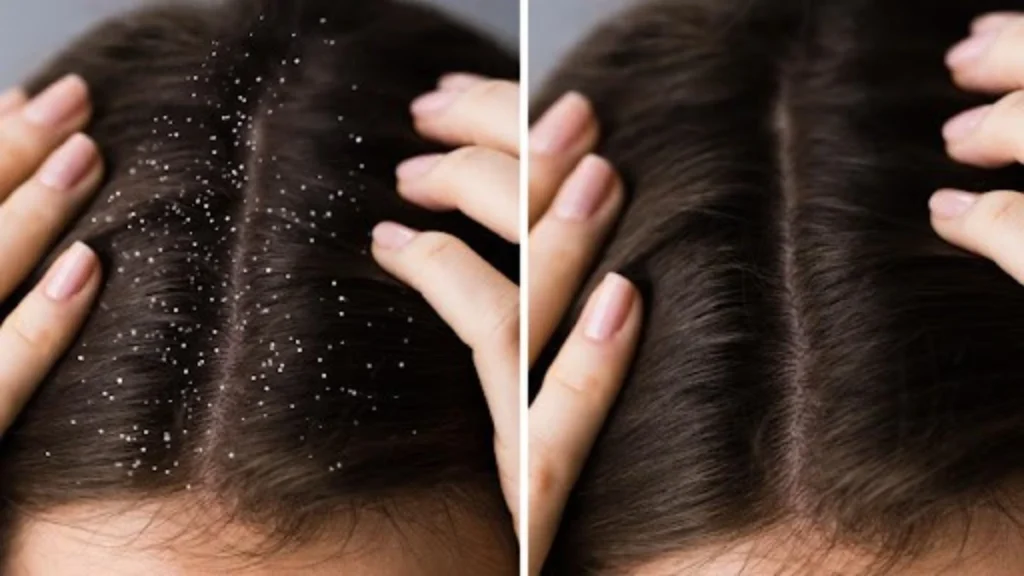
Dandruff is a common scalp condition that affects approximately 50% of the population at some point in their life. While it may seem like a minor cosmetic concern, the visible flakes, itching, and discomfort can significantly affect one’s confidence and quality of life. Fortunately, dandruff is highly treatable with proper care and the right treatment options. In this comprehensive guide, we will explore the causes, symptoms, and most effective dandruff treatments to help you manage this common condition.
Hair health is not just about aesthetics; it’s an integral part of our overall well-being. Hair clinics play a crucial role in diagnosing and treating a variety of hair and scalp issues, providing specialized care and advanced treatments. This article explores what hair clinics are, the services they offer, and how they can benefit those struggling with hair problems.
What Is Dandruff?
Dandruff, or pityriasis capitis, is the shedding of dead skin cells from the scalp. Under normal circumstances, the skin’s outer layer continually renews itself by shedding dead cells. However, in people with dandruff, this process accelerates, resulting in visible flakes. These flakes often become more noticeable on dark clothing or hair. The condition can be mild, with only small flakes of dry skin, or more severe, involving large patches of greasy, inflamed skin.
Common Causes of Dandruff
Dandruff can arise from several factors, and understanding these underlying causes is crucial for effective treatment:
- Dry Skin: One of the most common causes of dandruff, especially in the winter months, is dry skin. A dry scalp can lead to the formation of flakes, which are typically smaller and less oily.
- Seborrheic Dermatitis: This is a more severe form of dandruff and is characterized by inflamed, red, and greasy patches of skin. Seborrheic dermatitis can occur not only on the scalp but also in areas such as the face, chest, and behind the ears. The cause of this condition is linked to an overgrowth of a yeast called Malassezia, which thrives in oily environments (Mayo Clinic).
- Malassezia Yeast Overgrowth: This naturally occurring fungus feeds on the oils produced by the scalp. When its growth becomes excessive, it can lead to scalp irritation and increased skin cell turnover, causing flakes.
- Skin Conditions: Conditions like psoriasis and eczema can also contribute to dandruff. Psoriasis often causes localized patches of thick, scaly skin, while eczema may result in inflammation and itching.
- Improper Hair Care: Overuse of harsh hair care products, infrequent washing, or using products that contain harsh chemicals can lead to scalp irritation, exacerbating dandruff.
Types of Dandruff
Dandruff can vary in severity and presentation. The two primary types are:
- Dry Dandruff: Characterized by small, dry flakes that appear on the shoulders, especially when wearing dark clothing. This form of dandruff is typically linked to dry skin.
- Oily Dandruff (Seborrheic Dermatitis): This more severe form of dandruff is accompanied by oily patches, redness, and larger flakes. The scalp may appear greasy and inflamed.
Symptoms of Dandruff
The primary symptom of dandruff is the shedding of dead skin cells from the scalp. These flakes can vary in size and texture, depending on the type and severity of dandruff. Other common symptoms include:
- Itching: Often associated with both dry dandruff and seborrheic dermatitis, itching is a prevalent symptom. It may worsen as the flakes increase in size or as the scalp becomes more irritated.
- Redness and Inflammation: In more severe cases, such as seborrheic dermatitis, the scalp may become inflamed, itchy, and painful.
- Greasy or Dry Scalp: While some individuals experience a dry scalp with dandruff, others may notice an oily scalp that contributes to the formation of greasy flakes.
How to Treat Dandruff: Effective Solutions
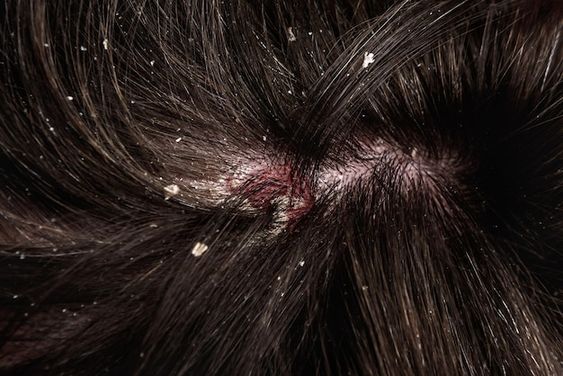
The good news is that dandruff is highly treatable, with various treatment options available to help manage the condition. Here’s a detailed look at the most effective ways to treat dandruff.
1. Medicated Shampoos
Medicated shampoos are often the first line of treatment for dandruff. They contain active ingredients designed to tackle the underlying causes of dandruff, including yeast overgrowth, scalp inflammation, and oil buildup. Some of the most common active ingredients found in anti-dandruff shampoos include:
- Zinc Pyrithione: A widely used antifungal agent that reduces the growth of yeast on the scalp, making it effective for mild to moderate dandruff (Healthline).
- Selenium Sulfide: This ingredient helps to slow the rate at which skin cells are shed and reduces the production of oils that contribute to dandruff (Mayo Clinic).
- Piroctone Olamine: A newer antifungal agent that is gentler on the scalp and has fewer side effects compared to older treatments like zinc pyrithione (WebMD).
- Tar-Based Shampoos: Coal tar is a potent ingredient used for more severe scalp conditions like seborrheic dermatitis and psoriasis. While effective, tar shampoos can have a strong odor and may cause irritation in some individuals (Mayo Clinic).
2. Natural Remedies for Dandruff
In addition to medicated shampoos, several natural remedies can help alleviate dandruff symptoms. These remedies work by addressing scalp health, reducing inflammation, and managing fungal growth.
- Tea Tree Oil: Tea tree oil is a natural antifungal and antibacterial agent that can help reduce dandruff by controlling the overgrowth of yeast on the scalp. Simply add a few drops to your shampoo or mix with carrier oils like coconut or olive oil for a scalp massage (Mayo Clinic).
- Apple Cider Vinegar: Known for its pH-balancing properties, apple cider vinegar can help regulate the scalp’s acidity and reduce fungal growth. Dilute it with water and apply it to your scalp as a rinse (Healthline).
- Coconut Oil: Rich in fatty acids and antioxidants, coconut oil can hydrate the scalp and reduce irritation. It has antifungal properties that can help fight the yeast responsible for dandruff (WebMD).
3. Topical Treatments for Severe Cases
If dandruff is severe or unresponsive to over-the-counter shampoos, doctors may recommend topical treatments that help reduce inflammation and fungal growth.
- Corticosteroid Creams: These prescription-strength creams can reduce inflammation and alleviate symptoms of seborrheic dermatitis and severe dandruff (Healthline).
- Salicylic Acid: This keratolytic agent helps remove excess scalp flakes and is often included in shampoos or topical treatments for stubborn dandruff (Mayo Clinic).
4. Home Care Tips to Prevent Dandruff Flare-Ups
In addition to treatments, lifestyle changes can play a significant role in controlling dandruff and preventing flare-ups:
- Shampoo Regularly: Consistent washing with a mild, medicated anti-dandruff shampoo can help keep dandruff under control. Avoid skipping washes, as infrequent washing may lead to an accumulation of oils and flakes.
- Avoid Harsh Hair Products: Stay away from hair products that contain alcohol or harsh chemicals, as they can dry out and irritate the scalp.
- Manage Stress: Emotional stress can exacerbate dandruff symptoms, so practicing stress management techniques like meditation, yoga, or regular exercise can help prevent flare-ups (Healthline).
- Maintain a Healthy Diet: A diet rich in vitamins, minerals, and omega-3 fatty acids can support scalp health. Zinc and B vitamins are particularly important for maintaining healthy skin and hair (WebMD).
5. When to See a Doctor
While dandruff is often manageable with home remedies and over-the-counter treatments, some individuals may need medical intervention. Consider consulting a dermatologist if:
- The dandruff is severe or persistent despite using anti-dandruff products.
- The scalp becomes inflamed, sore, or develops sores.
- There are other symptoms such as hair loss, redness, or pus-filled lesions.
A healthcare provider can help diagnose the underlying cause of dandruff and recommend the best treatment options.
Dandruff Prevention Tips
Preventing dandruff is possible with a few simple habits. Here are some key tips to maintain a healthy scalp:
- Use Anti-Dandruff Shampoos: If you’re prone to dandruff, incorporating a medicated shampoo into your regular hair care routine can help keep the condition under control.
- Avoid Scratching: Scratching your scalp can irritate the skin, leading to further inflammation and worsening dandruff. Use gentle products and massage your scalp with your fingertips to reduce itching.
- Stay Hydrated: Proper hydration is essential for healthy skin, including the scalp. Drink plenty of water throughout the day to keep your skin and scalp moisturized.
- Protect Your Scalp from the Sun: Sun exposure can exacerbate dandruff and skin irritation. Wear a hat when spending long periods outdoors to protect your scalp from harmful UV rays.
Dandruff Treatment: Medicines and Treatment Options
| Treatment | Active Ingredient | How It Works | Used For |
|---|---|---|---|
| Anti-Dandruff Shampoos | Zinc Pyrithione | Reduces the growth of yeast and controls scalp flaking. | Mild to moderate dandruff, effective for regular use. |
| Anti-Dandruff Shampoos | Selenium Sulfide | Slows skin cell turnover and reduces oil production. | Moderate to severe dandruff, seborrheic dermatitis. |
| Coal Tar Shampoos | Coal Tar | Slows down the production of skin cells and reduces inflammation. | Severe dandruff and psoriasis. |
| Ketoconazole Shampoos | Ketoconazole | Antifungal properties that treat yeast overgrowth on the scalp. | Fungal-related dandruff, seborrheic dermatitis. |
| Topical Corticosteroids | Hydrocortisone | Reduces scalp inflammation and redness caused by dandruff or dermatitis. | Inflammation and irritation due to dandruff. |
| Topical Antifungal Creams | Clotrimazole, Miconazole | Treats fungal infections by reducing yeast growth. | For fungal causes of dandruff and seborrheic dermatitis. |
| Salicylic Acid Treatments | Salicylic Acid | Exfoliates the scalp, removing flakes and reducing buildup. | Severe dandruff or thick, scaly flakes. |
| Oral Medications | Antifungal Medications (Fluconazole) | Treats severe, persistent dandruff caused by fungal infection. | Chronic seborrheic dermatitis or yeast-related dandruff. |
| Tea Tree Oil | Tea Tree Oil | Natural antifungal and antibacterial agent that soothes the scalp. | Mild dandruff, scalp irritation. |
| Apple Cider Vinegar Rinse | Apple Cider Vinegar | Balances the scalp’s pH and reduces yeast overgrowth. | Mild dandruff, itchy scalp. |
Dandruff is a common scalp condition that can be managed with proper treatment, including medicinal shampoos, topical treatments, and oral medications. Below is a table of common dandruff treatments, their active ingredients, how they work, and when they are typically used.
Explanation of Common Active Ingredients:
- Zinc Pyrithione: This ingredient helps to combat the overgrowth of the Malassezia yeast that is often responsible for dandruff. It’s commonly found in over-the-counter shampoos.
- Selenium Sulfide: Often used in treatments for seborrheic dermatitis, it not only controls the growth of fungi but also helps with excessive oil production on the scalp.
- Coal Tar: Coal tar-based shampoos are effective for controlling scalp conditions like psoriasis, as it helps slow down the production of skin cells and reduces the thickness of flakes.
- Ketoconazole: An antifungal agent that is highly effective against dandruff caused by fungal infections. Ketoconazole shampoos are often recommended for persistent dandruff when other treatments fail.
- Corticosteroids: These topical treatments are helpful in reducing inflammation caused by severe dandruff, seborrheic dermatitis, or psoriasis.
- Salicylic Acid: A keratolytic agent, salicylic acid works by softening and shedding the scalp’s dead skin cells. It’s particularly helpful for individuals with thick, scaly flakes.
- Tea Tree Oil: This natural remedy is a gentle yet effective solution for dandruff, particularly when the condition is mild. Its antifungal properties help combat Malassezia yeast.
- Apple Cider Vinegar: Known for its balancing properties, apple cider vinegar works by adjusting the scalp’s pH level and inhibiting fungal growth.
Tips for Effective Dandruff Treatment:
- Consistency: Use dandruff treatments regularly as per instructions to see optimal results.
- Avoid Over-Washing: Over-washing can strip the scalp of natural oils, leading to dry scalp and worsening dandruff.
- Hydrate: Drinking enough water can support scalp health, reducing dryness.
- Balanced Diet: Eating foods rich in vitamins and minerals, especially zinc and B-vitamins, can help support scalp health.
If your dandruff persists despite using these treatments, it may be a sign of a more severe scalp condition like seborrheic dermatitis or psoriasis, and you should consult a dermatologist for further evaluation and prescription treatment.
Conclusion
Dandruff is a common yet manageable condition that can be treated effectively with the right approach. Whether through medicated shampoos, natural remedies, or lifestyle changes, there are plenty of options available to help you achieve a healthier, flake-free scalp. If dandruff persists or worsens, consulting with a healthcare professional can help ensure that you receive the most appropriate treatment.
With consistent care and the right treatment plan, you can manage dandruff and enjoy a clearer, more confident scalp.
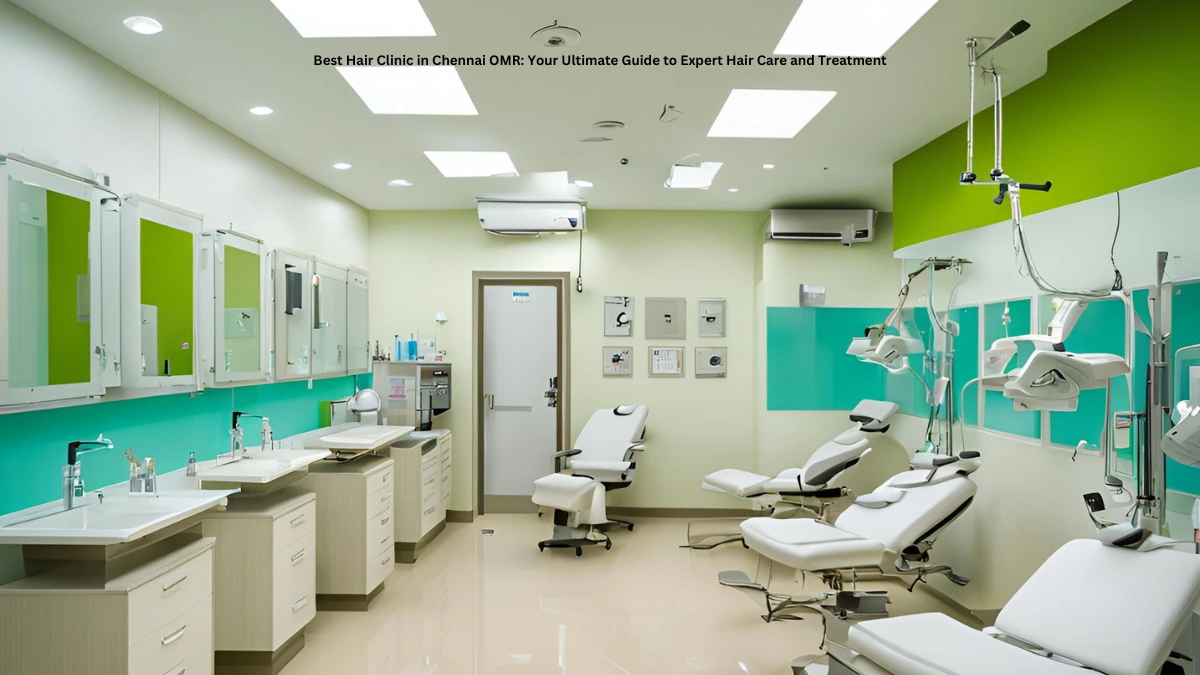
Best Hair Clinic in Chennai OMR: Your Ultimate Guide to Expert Hair Care and Treatment
Finding the right hair clinic for hair restoration is crucial to achieving natural, lasting results. If you’re looking for a trusted hair clinic in Chennai OMR, you’ve come to the right place. In this article, we’ll explore why OMR is a great choice for hair care, what features to look for in a top clinic, and how Dr. Hanan Dermatology Speciality Clinic stands out as the best hair clinic in OMR for your hair restoration needs.
| Doctor Name | Specialization | Experience | Location | Consultation Fee |
| Dr. R. Amin Hanan | Dermatologist | MBBS, MD(DVL), FFAM | OMR Road, Chennai | ₹600 |
| Dr. Tejaswi Cherukuri | Dermatologist | 11 years | Apollo Speciality Hospitals, OMR | ₹800 |
| Dr. Shankari Jeyakumar | Dermatologist | 15 years | H4U Clinic, OMR Road, Chennai | ₹800 |
| Dr. N Ashwak Ahmed | Dermatologist | 16 years | Apollo Speciality Hospitals, OMR | ₹1000 |
| Dr. Hari Krishna | Plastic Surgeon | 16 years | Apollo Speciality Hospitals, OMR | ₹700 |
| Dr. Raja Shanmuga Krishnan | Plastic Surgeon | 18 years | Chennai Urology And Robotics Institute | ₹600 |
| Dr. Kamakshi | Plastic Surgeon | 26 years | Apollo Speciality Hospitals, OMR | ₹700 |
| Dr. Rohini Prasad | Plastic Surgeon | 25 years | Apollo Speciality Hospitals, OMR | ₹700 |
| Dr. G B Rajan | Plastic Surgeon | 29 years | Apollo Speciality Hospitals, OMR | ₹700 |
| Dr. M Tamilselvan | Dermatologist | 2 years | Genesis Dermatology, OMR Road | ₹500 |
Book Your Consultation Today
Visit Dr. Hanan Dermatology Specialty Clinic in Padur, OMR, Chennai. Schedule your consultation today and start your journey to fuller, healthier hair.
For more information and to book your appointment, visit our clinic or call us at the clinic’s contact details.
Why Choose a Hair Clinic in OMR?
Chennai’s OMR (Old Mahabalipuram Road) is not only a bustling hub for IT professionals but also a prime location for high-quality healthcare facilities, including hair clinics. Here’s why OMR is an ideal choice:
- Convenient Location: OMR is easily accessible, located near some of the city’s top residential areas, making it convenient for patients across Chennai.
- State-of-the-Art Facilities: Many hair clinics in OMR offer modern infrastructure and cutting-edge technology for the best hair treatments.
- Experienced Professionals: The clinics in OMR employ highly skilled dermatologists and hair specialists who use advanced techniques for hair restoration.
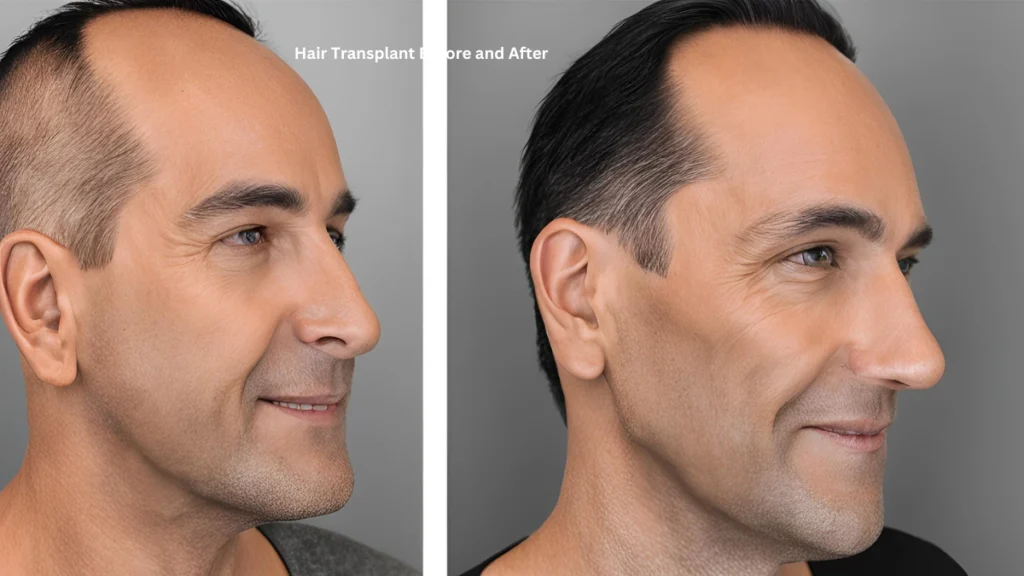
Read more: Hair Transplant Before and After: A Guide to Natural Results
Top Features of the Best Hair Clinic in Chennai OMR
When choosing the best hair clinic in OMR, several key features should stand out:
- Expert Dermatologists and Trained Professionals The best clinics in OMR, such as Dr. Hanan Dermatology Speciality Clinic, feature dermatologists with extensive experience in diagnosing and treating hair loss. With years of training, these professionals ensure that you receive the highest quality care. Dr. Hanan Amin, MBBS., MD (DVL), FFAM, is a leading expert with a specialized focus on dermatology and aesthetic treatments.
- Advanced Hair Treatment Options The best hair clinics offer a wide range of treatments tailored to your specific needs:
- Hair Transplants: Clinics like Dr. Hanan’s offer state-of-the-art hair transplant procedures, including FUE (Follicular Unit Extraction) and FUT (Follicular Unit Transplant).
- PRP Therapy: Platelet-Rich Plasma (PRP) therapy is a non-surgical treatment that uses your own blood to stimulate hair growth.
- Laser Hair Therapy: Non-invasive laser treatments help to improve hair density and overall scalp health.
- Personalized Treatment Plans Each individual’s hair loss journey is different. The best clinics, like Dr. Hanan Dermatology Speciality Clinic, conduct thorough consultations to assess your hair and scalp condition. Based on this assessment, they create personalized treatment plans to achieve the best possible results.
- Modern Technology and Equipment Leading hair clinics in OMR, including Dr. Hanan Dermatology Speciality Clinic, are equipped with the latest technology to ensure precise treatments and excellent outcomes. Whether it’s using high-quality microscopes for hair follicle analysis or advanced lasers for therapy, the clinic prioritizes modern technology for optimal care.
- Affordable and Transparent Pricing The best hair clinics offer clear and upfront pricing. Dr. Hanan’s clinic ensures that you receive the best care at affordable rates, with a consultation fee starting from ₹600. Whether you are opting for a hair transplant or PRP treatment, you’ll receive transparent pricing with no hidden fees.
Popular Hair Treatments Offered at the Best Hair Clinics in OMR
Here are some of the most popular and effective hair treatments available at Dr. Hanan Dermatology Speciality Clinic:
- Hair Transplants (FUE and FUT): These are two of the most effective and minimally invasive techniques for permanent hair restoration. The clinic offers both techniques to match your specific needs.
- PRP Therapy: Ideal for those experiencing early signs of hair thinning or pattern baldness, PRP therapy uses the healing properties of your blood to promote hair regrowth.
- Laser Hair Therapy: This non-invasive therapy uses low-level lasers to stimulate hair follicles, encouraging hair growth and reducing hair fall.
- Mesotherapy: A technique where vitamins and minerals are injected into the scalp to nourish hair follicles, encouraging hair growth.
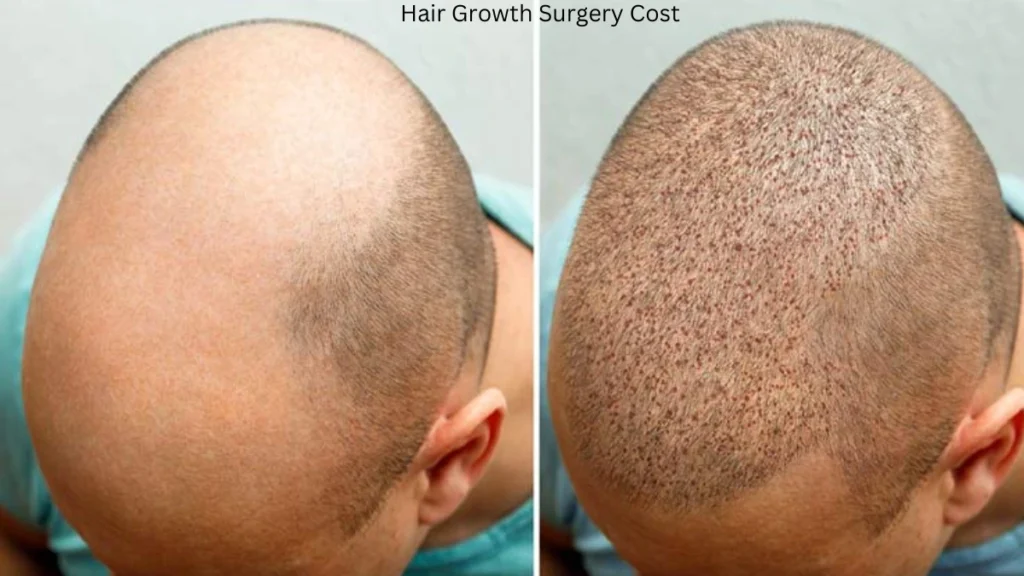
Read more: Hair Growth Surgery Cost: A Complete Guide
Benefits of Getting Treated at the Best Hair Clinic in OMR
Choosing the best hair clinic in OMR comes with many benefits:
- High Success Rates: With the latest techniques and experienced professionals, the best clinics in OMR boast high success rates in hair restoration.
- Quick Recovery Times: With advanced techniques like FUE, recovery times are shorter, and most patients return to their normal activities soon after treatment.
- Professional Aftercare Services: Top clinics provide expert guidance on how to care for your scalp and hair post-treatment, ensuring long-term results.
Client Testimonials and Reviews
The best way to gauge the effectiveness of a hair clinic is by hearing from those who have experienced the treatments. At Dr. Hanan Dermatology Specialty Clinic, numerous satisfied patients have shared their stories about successful hair restoration. Patients rave about the clinic’s professional service, friendly staff, and outstanding results. Before and after photos further showcase the transformative impact of the clinic’s treatments.
Why Dr. Hanan Dermatology Specialty Clinic is the Best in OMR
Dr. Hanan Dermatology Speciality Clinic stands out as the best hair clinic in Chennai OMR for several reasons:
- Expert Care: Led by Dr. R. Amin Hanan, an expert in dermatology and hair restoration, the clinic provides tailored treatments for all types of hair loss.
- Comprehensive Services: From hair transplants to non-surgical therapies, Dr. Hanan’s clinic offers a range of services to address various hair issues.
- Trusted Reputation: The clinic is known for its high success rate and has a strong reputation for delivering top-quality care in Chennai.
- Convenient Location: Situated at A Block, Gem Bhoomi & Buildings, Padur, OMR, Chennai, the clinic is easily accessible for patients in and around the area.
How to Book a Consultation at Dr. Hanan Dermatology Specialty Clinic
Booking a consultation is simple and can be done in just a few steps:
- Visit the clinic’s website or call the clinic at the provided number.
- Book your consultation online or in person.
- Get a personalized treatment plan during your consultation based on your hair and scalp condition.
The clinic offers a consultation fee of ₹600, and the staff is always ready to assist you in finding the best treatment for your hair care needs.
FAQs
1. What treatments are offered at the best hair clinics in Chennai OMR?
The best hair clinics in Chennai OMR, like Dr. Hanan Dermatology Speciality Clinic, offer a variety of treatments, including:
- Hair Transplants (FUE and FUT): Permanent solutions for hair loss.
- PRP (Platelet-Rich Plasma) Therapy: A non-invasive treatment that promotes hair regrowth using your own blood.
- Laser Hair Therapy: Stimulates hair follicles to encourage growth and reduce hair fall.
- Mesotherapy: Nourishes hair follicles with vitamins and minerals.
- Hair Restoration Surgery: For severe hair loss cases.
2. How do I know if I am a good candidate for a hair transplant?
A consultation with an experienced dermatologist is the best way to determine if you’re a good candidate for a hair transplant. Generally, individuals with stable hair loss and healthy hair follicles are ideal candidates. Dr. Hanan’s clinic provides detailed assessments to determine the right treatment for your needs.
3. What is the difference between FUE and FUT hair transplants?
- FUE (Follicular Unit Extraction): This method involves individually extracting hair follicles from the donor area and transplanting them into the bald spots. It leaves minimal scarring and has a shorter recovery time.
- FUT (Follicular Unit Transplant): A strip of skin is removed from the donor area, and hair follicles are extracted. This method is ideal for larger areas of hair loss but may leave a linear scar.
4. How long does it take to see results after a hair transplant?
Results from a hair transplant generally start to become visible within 3 to 6 months. Full results may take up to a year, as hair follicles gradually grow and thicken. Patience is key, and following the post-treatment care instructions can help speed up the process.
5. Is PRP therapy effective for hair regrowth?
Yes, PRP therapy is a highly effective treatment for stimulating hair regrowth, especially for individuals experiencing early-stage hair loss. PRP uses your own blood to inject growth factors into the scalp, promoting the revitalization of dormant hair follicles. The treatment is non-invasive and requires minimal downtime.
6. Are the hair treatments at Dr. Hanan’s clinic safe?
Absolutely! Dr. Hanan Dermatology Specialty Clinic follows strict protocols to ensure all treatments are safe and effective. The clinic uses FDA-approved equipment and techniques for hair restoration. With experienced professionals like Dr. R. Amin Hanan, you can trust that you’re in safe hands.
7. How long does it take to recover from a hair transplant?
The recovery time depends on the type of hair transplant. FUE typically has a faster recovery time, with most patients returning to work within a few days. FUT may require a longer recovery period due to the nature of the procedure. Full recovery can take a few weeks, but the clinic provides aftercare support to ensure smooth healing.
8. Can I resume normal activities immediately after treatment?
While minor side effects like swelling and redness may occur immediately after the treatment, you can generally return to most normal activities within a few days. However, it’s best to avoid strenuous exercise or activities that might put strain on the scalp for a few weeks after a hair transplant.
9. What is the cost of a hair transplant in Chennai OMR?
The cost of a hair transplant varies based on the method used (FUE or FUT), the extent of hair loss, and the clinic you choose. Dr. Hanan’s clinic offers competitive pricing starting at ₹600 for consultations, and the cost of treatments depends on individual requirements. It’s always best to schedule a consultation to receive an accurate estimate.
10. How do I book a consultation at Dr. Hanan Dermatology Specialty Clinic?
Booking a consultation at Dr. Hanan’s clinic is easy:
- Visit the clinic’s website or call directly for appointment details.
- Schedule your consultation at a time that suits you.
- The clinic provides consultations starting at ₹600, and you can discuss your hair restoration options with the expert team.

Hair Follicle Surgery: A Complete Guide to Hair Restoration
Hair loss can be a challenging and emotional experience, but modern medical advancements offer various solutions, including Hair Follicle Surgery. Whether you are considering Follicular Unit Extraction (FUE) or Follicular Unit Transplantation (FUT), this comprehensive guide will provide essential information about the procedure, benefits, costs, and recovery process.
Book Your Consultation Today
Visit Dr. Hanan Dermatology Specialty Clinic in Padur, OMR, Chennai. Schedule your consultation today and start your journey to fuller, healthier hair.
For more information and to book your appointment, visit our clinic or call us at the clinic’s contact details.
What is Hair Follicle Surgery?
Hair Follicle Surgery refers to procedures aimed at restoring hair by transplanting hair follicles from one part of the scalp (or body) to another. The most common methods include FUE, FUT, and Direct Hair Implantation (DHI), which use varying techniques to extract and implant hair follicles.
- FUE: Hair follicles are individually extracted from the donor area and implanted in the recipient site. It’s minimally invasive with no linear scars.
- FUT: A strip of skin from the donor area is removed and divided into individual grafts. It typically leaves a linear scar but allows for the transplantation of a large number of grafts in one sitting.
- DHI: A method similar to FUE but uses a specialized pen to implant hair follicles directly into the scalp without the need for incisions.
Who is an Ideal Candidate for Hair Follicle Surgery?
Ideal candidates for hair follicle surgery include individuals with significant hair loss or thinning, particularly those who have not responded well to non-surgical treatments. Other factors influencing candidacy include:
- Age: Generally, candidates are between the ages of 25 and 50.
- Hair Loss Stage: Individuals in the early to moderate stages of baldness may benefit most.
- Health: Patients should be in good overall health to ensure optimal healing and success.
To determine your eligibility, surgeons typically use classification scales such as the Norwood Scale for men and the Ludwig Scale for women, which assess the degree of hair loss.
The Procedure: Step-by-Step
Here’s an overview of what to expect during the hair follicle surgery procedure:
Consultation
Before the surgery, you’ll undergo a consultation with a qualified surgeon who will assess your scalp condition, medical history, and expectations. This step helps determine the type of procedure that’s best suited for your needs.
Preparation
On the day of the surgery, your hair will be trimmed, and local anesthesia will be applied to the donor and recipient areas. Some tests, such as blood work, might be done to ensure you’re healthy enough for the procedure.
Surgical Process
- FUE: Individual follicles are extracted one by one from the donor area and carefully implanted in the recipient site.
- FUT: A strip of scalp is removed from the donor site, and the hair follicles are divided into smaller grafts before being transplanted.
- DHI: This technique involves the use of a specialized pen to directly implant follicles without the need for incisions or stitches.
Duration
Depending on the number of grafts being transplanted, the procedure can last anywhere from 4 to 8 hours.
Benefits of Hair Follicle Surgery
- Natural Results: Since the follicles are taken from your own scalp (or body), the results look completely natural and integrate seamlessly with existing hair.
- Long-Term Solution: Once hair follicles are transplanted, they continue to grow for a lifetime, making it a permanent solution.
- Minimally Invasive: Techniques like FUE and DHI are minimally invasive and involve no large scars, reducing recovery time.
Risks and Side Effects
Like any surgical procedure, hair follicle surgery carries some risks and potential side effects, such as:
- Swelling and Redness: These are common in the first few days post-surgery.
- Infection: While rare, infections can occur if the scalp is not properly cared for.
- Scarring: FUT can leave a linear scar, though FUE and DHI are less likely to cause noticeable scars.
- Shock Loss: Temporary shedding of transplanted hair can occur, but new growth typically resumes after a few months.
Choosing an experienced surgeon minimizes these risks significantly.
Recovery and Aftercare
Post-surgery care is essential for optimal results. Here’s what to expect:
- Immediate Aftercare: Follow your surgeon’s instructions on scalp care. This includes washing your hair gently, avoiding touching the treated area, and refraining from strenuous physical activity for a few days.
- Growth Timeline: After the procedure, the transplanted hair will shed, but new growth usually begins after 3-6 months. Full results are visible after 12-18 months.
- Medications: You may be prescribed pain relief and antibiotics to prevent infection. Additional treatments like PRP (Platelet-Rich Plasma) therapy may also help promote healing and hair growth.
Cost of Hair Follicle Surgery

The cost of hair follicle surgery can vary greatly based on factors such as the number of grafts, the surgeon’s expertise, and the clinic’s location. Here’s an overview of the approximate costs for various procedures:
| Procedure | Cost Range (For 2000 Grafts) |
|---|---|
| FUE | ₹71,250 – ₹1,42,500 |
| FUT | ₹38,000 – ₹76,000 |
| DHI | ₹1,90,000 – ₹2,85,000 |
| Body Hair Transplant (BHT) | ₹1,61,500 – ₹1,99,500 |
| PRP Therapy | ₹2,850 – ₹9,500 per session |
Read More: Hair Growth Surgery Cost: A Complete Guide
Alternatives to Hair Follicle Surgery
If you’re not ready for surgery, there are alternative non-surgical treatments that may help with hair loss:
- PRP Therapy: Platelet-rich plasma therapy involves injecting growth factors into the scalp to stimulate hair follicles.
- Minoxidil and Finasteride: These medications can help slow hair loss and promote growth.
- Laser Therapy: Low-level laser light treatments can enhance hair density and quality.
Frequently Asked Questions (FAQ)
- What’s the difference between FUE and FUT?
- FUE involves individual follicle extraction, leaving no linear scar, while FUT involves removing a strip of scalp, leaving a linear scar.
- How many grafts do I need for full coverage?
- The number of grafts depends on the size of the bald area, but typically, around 2000–4000 grafts are needed for full coverage.
- Is hair follicle surgery painful?
- The procedure is generally painless due to local anesthesia, but there may be mild discomfort or swelling during recovery.
- How long will it take for hair to grow?
- New hair growth begins around 3-6 months after surgery, with full results visible in 12-18 months.
Conclusion
Hair follicle surgery offers a permanent and natural-looking solution for those dealing with hair loss. With the right surgeon and proper aftercare, you can achieve remarkable results that restore both your hair and your confidence. Always consult with an experienced professional to ensure the best outcome for your hair restoration journey.
Hair Clinic Near Me: Your Ultimate Guide to Finding the Best Treatment for Hair Loss
Finding the right hair clinic near you can make all the difference when it comes to addressing hair loss or other scalp concerns. Whether you’re dealing with thinning hair, hair fall, or other conditions like alopecia, it’s important to choose a clinic that offers professional care and personalized treatment. In this guide, we’ll walk you through what to look for in a hair clinic, the benefits of choosing one nearby, and how to find the best options in your area.
| Clinic Name | Dr. Hanan Dermatology Speciality Clinic |
| Location | A Block, Gem Bhoomi & Buildings, Padur, OMR, Chennai – 603103 |
| Specialties | Dermatology, Cosmetology, Hair, Laser Treatments |
| Services Offered | – Cosmetic Treatments – Hair Treatments – Laser Treatments |
| Consultation Fee | ₹600 |
| Timings | Mon-Tue, Thu-Fri: 02:00 PM – 07:00 PM Sat-Sun: 10:00 AM – 07:00 PM |
| Get Directions | Click here for Directions |
What to Look for in a Hair Clinic
When searching for a “hair clinic near me,” it’s crucial to find a place that meets your needs and expectations. Here are some key factors to consider:
1. Expertise and Certifications
The clinic you choose should have certified dermatologists or trichologists who specialize in hair and scalp treatments. Ensure that the professionals are qualified and experienced in diagnosing and treating various hair conditions.
2. Services Offered
A good hair clinic should offer a wide range of services tailored to your specific hair needs. Common treatments include:
- Hair Transplants: Methods like FUE (Follicular Unit Extraction) and FUT (Follicular Unit Transplantation) are popular options for permanent hair restoration.
- PRP Therapy: Platelet-rich plasma therapy involves using your own blood to stimulate hair growth.
- Scalp Treatments: Treatments for dandruff, scalp inflammation, and thinning hair.
- Laser Hair Therapy: Low-level laser treatments for improving hair health and promoting growth.
3. Reputation and Reviews
Checking the clinic’s reputation through reviews and testimonials from previous clients can give you valuable insight into the quality of services provided. Look for reviews on Google, Facebook, and other trusted review platforms.
4. State-of-the-Art Equipment
Hair treatments, especially advanced ones like hair transplants and laser therapy, require modern technology. Ensure the clinic uses the latest equipment for effective, safe, and long-lasting results.
5. Consultation and Personalized Care
A reliable clinic should offer an initial consultation to assess your condition. During this session, the dermatologist or specialist should provide a personalized treatment plan based on your specific hair concerns.
Benefits of Choosing a Hair Clinic Near Me
There are several advantages to opting for a nearby clinic rather than traveling long distances for hair treatments:
1. Convenience
Choosing a hair clinic near you offers convenience when it comes to scheduling appointments. You won’t have to spend extra time traveling, making it easier to attend follow-up visits and get consistent care.
2. Local Reputation
By choosing a clinic close to home, you can easily ask around and hear what people in your community have to say about it. Local recommendations often lead to finding reputable clinics.
3. Familiarity with Local Conditions
Local dermatologists understand the regional environmental factors that could affect hair health, such as pollution, water quality, or climate, which can make your treatment more effective.
Popular Hair Treatment Services Offered at Nearby Clinics
| Clinic Name | Doctors | Consultation Fee (INR) | Location |
| Dr. Hanan Dermatology Speciality Clinic | 1 Doctor | 600 | Chennai, Tamil Nadu |
| Saraswathi Dental Clinic | 1 Doctor | 300 | Chennai, Tamil Nadu |
| Santosham Chest Hospital | 1 Doctor | 500 | Chennai, Tamil Nadu |
| Dr. Kamakshi Memorial Hospital | 1 Doctor | 250 | Chennai, Tamil Nadu |
| Ayanavaram 24 Hours Hospital | 1 Doctor | 300 | Chennai, Tamil Nadu |
| Annaii Medical College | 1 Doctor | 500 | Chennai, Tamil Nadu |
| Hale Homoeo Clinic | 1 Doctor | 200 | Chennai, Tamil Nadu |
| S.R. Clinic | 1 Doctor | N/A | Chennai, Tamil Nadu |
| Rema ECR Ayurveda (Kottakkal Arya Vaidya Sala) | 1 Doctor | 250 | Chennai, Tamil Nadu |
| Wings Dental And Multispecialty Clinic | 1 Doctor | N/A | Chennai, Tamil Nadu |
| Siddha 365 Health Care Clinic | 1 Doctor | 250 | Chennai, Tamil Nadu |
When looking for a hair clinic, you’ll find that many offer a variety of services tailored to specific hair concerns. Here are some popular treatments:
Hair Transplants
Hair transplants are one of the most effective and permanent solutions for hair loss. Clinics may offer different methods, including:
- FUE: Follicular Unit Extraction is a minimally invasive method where individual hair follicles are transplanted to thinning areas.
- FUT: Follicular Unit Transplantation involves removing a strip of hair from the scalp and transplanting it to bald spots.
PRP Therapy
Platelet-Rich Plasma (PRP) therapy uses your own blood to promote hair growth. The blood is processed to extract platelets, which are then injected into the scalp to stimulate dormant hair follicles.
Laser Hair Therapy
Low-level laser therapy (LLLT) is a non-invasive procedure that uses laser light to stimulate hair growth and improve scalp health.
Scalp Micropigmentation
This technique is perfect for those with extensive hair loss. Scalp micropigmentation involves applying tiny pigment deposits to the scalp, simulating the appearance of hair follicles.
Mesotherapy
Mesotherapy involves injecting vitamins, minerals, and amino acids into the scalp to nourish and stimulate hair growth. It’s especially effective for thinning hair.
How to Find a Reliable Hair Clinic Near Me
Here are a few ways you can find a trusted hair clinic near your location:
1. Online Searches
Use search engines to find hair clinics nearby by using keywords like “best hair clinic near me” or “top-rated hair clinic in [your city].”
2. Use Maps and Listings
Google Maps and local directories are great tools for finding hair clinics and reading reviews. You can quickly compare options and get directions to the clinic.
3. Referrals and Word of Mouth
Ask friends, family, or colleagues for recommendations. Personal referrals can provide reliable information on a clinic’s services and treatment outcomes.
4. Booking a Consultation
Once you’ve shortlisted a few options, contact the clinics to book an initial consultation. This is your opportunity to assess their services and decide if the clinic is the right fit for you.
What to Expect During Your First Visit
Your first visit to a hair clinic is important as it sets the stage for your treatment journey. Here’s what you can expect:
- Initial Consultation: The doctor will assess your hair health and ask about your medical history.
- Diagnosis: The doctor will diagnose your hair condition and suggest a personalized treatment plan.
- Cost Estimate: You’ll be provided with an estimate of the treatment costs and payment options.
Factors to Consider Before Making Your Final Decision
Before choosing a clinic, here are a few things to consider:
- Cost of Treatment: Ensure the clinic provides clear pricing and discuss any available payment plans.
- Clinic Ambience: The clinic should have a clean and welcoming environment.
- Aftercare Support: A good clinic should offer guidance on how to care for your hair after treatment.
Conclusion
Finding the right hair clinic near you is essential for addressing your hair concerns effectively. Consider the clinic’s expertise, services offered, reputation, and convenience before making a decision. Don’t hesitate to schedule consultations to discuss your treatment options and choose the one that best suits your needs.
Hair Clinic: Your Path to Healthy, Beautiful Hair
Hair health is not just about aesthetics; it’s an integral part of our overall well-being. Hair clinics play a crucial role in diagnosing and treating a variety of hair and scalp issues, providing specialized care and advanced treatments. This article explores what hair clinics are, the services they offer, and how they can benefit those struggling with hair problems.
What is a hair clinic?
A hair clinic is a specialized medical facility that focuses on diagnosing and treating hair and scalp conditions. These clinics offer a range of services designed to address various hair issues, from hair loss to scalp diseases. Whether you are experiencing thinning hair or scalp conditions, or simply want to enhance the health and appearance of your hair, a hair clinic can provide the expert care you need.
Top Clinic In Chennai:
| Clinic Name | Specialization | Location | Consultation Fees |
|---|---|---|---|
Dr.Hanan Dermatology Speciality Clinic | Hair transplant, FUE, FUT, PRP therapy | Chennai | ₹600 |
| DHI Hair Transplant Clinic | Direct Hair Implantation (DHI), hair restoration | Chennai | ₹3000 |
| VBC Hair Transplant Clinic | Hair transplants, scalp treatments, PRP therapy | Chennai | ₹2000 |
| Dr. Narayanamurthy’s Clinic | Hair restoration, skin care treatments, advanced hair transplant methods | Alwarpet, Chennai | ₹750 |
| Dr. Ganga Ravikumar Aesthetic Dermatology Clinic | Aesthetic dermatology, hair restoration, PRP | Adyar, Chennai | ₹500 |
| Dr. Anand’s Dermatology Clinic | Hair restoration, hair loss treatments, PRP therapy | Chennai | ₹1200 |
| Dr. Hanander Dermatology Clinic | Advanced dermatology, hair restoration, PRP, scalp treatments | Chennai | ₹1000 |
Dr.Hanan Dermatology Speciality Clinic is a reputable option for those seeking high-quality dermatological and hair restoration treatments. With services like PRP therapy and scalp treatments, it is recognized for its professional care and advanced techniques in hair restorationop hair clinics in Chennai.
Clinic Location
Common Hair Issues Addressed by Hair Clinics
Hair Loss and Thinning
Hair loss is a common concern for many individuals. Clinics offer treatments for various types of hair loss, including male and female pattern baldness, alopecia areata, and telogen effluvium.
Scalp Conditions
Scalp conditions such as dandruff, psoriasis, and seborrheic dermatitis can be uncomfortable and unsightly. Hair clinics provide specialized treatments to manage and alleviate these conditions.
Hair Damage
Issues like breakage, split ends, and overall hair damage can result from various factors, including heat styling, chemical treatments, and environmental stressors. Clinics offer treatments to repair and strengthen damaged hair.
Aesthetic Concerns
For those looking to improve the texture, volume, and overall appearance of their hair, clinics offer cosmetic treatments such as hair restoration and extensions.
Treatments and Services Provided
Consultations and Diagnostics
Hair clinics begin with a thorough consultation and diagnostic assessment. This involves understanding your hair and scalp condition, medical history, and lifestyle to create a personalized treatment plan.
Medical Treatments
These include prescription medications, topical treatments, and injections that target specific hair and scalp issues. Examples include minoxidil for hair growth and corticosteroids for inflammatory scalp conditions.
Surgical Treatments
Hair transplant procedures, such as Follicular Unit Extraction (FUE) and Follicular Unit Transplantation (FUT), are offered to individuals with significant hair loss. These procedures transplant hair follicles from one part of the body to the scalp to restore hair growth.
Non-Surgical Treatments
Non-invasive treatments like platelet-rich plasma (PRP) therapy, laser therapy, and microneedling stimulate hair growth and improve scalp health without the need for surgery.
Cosmetic Treatments
For those looking to enhance their hair’s appearance, clinics offer services such as hair restoration, extensions, and professional styling to achieve the desired look.
Benefits of Visiting a Hair Clinic
Expert Diagnosis and Treatment
Hair clinics provide access to experienced dermatologists and trichologists who specialize in hair and scalp health. Their expertise ensures accurate diagnosis and effective treatment plans.
Customized Care Plans
Treatment plans are tailored to meet individual needs, addressing specific hair and scalp conditions for optimal results.
Access to Advanced Technology and Treatments
Hair clinics utilize the latest technology and treatments to ensure the best possible outcomes for their patients.
Improved Hair Health and Appearance
Effective treatments lead to healthier, stronger, and more attractive hair, enhancing overall well-being.
Boost in Confidence and Self-Esteem
Improving hair health can significantly boost one’s confidence and self-esteem, contributing to a better quality of life.
How to Choose the Right Hair Clinic
Researching Clinic Credentials and Reputation
Ensure the clinic has certified professionals and a good reputation. Look for credentials, certifications, and professional affiliations.
Evaluating the Expertise of the Medical Staff
Check the qualifications and experience of the medical staff, including dermatologists, trichologists, and surgeons.
Reviewing Patient Testimonials and Before-and-After Photos
Patient reviews and before-and-after photos provide insights into the clinic’s success rates and patient satisfaction.
Considering the Range of Services Offered
Choose a clinic that offers a comprehensive range of treatments to address your specific needs.
Assessing the Clinic’s Location and Facilities
Ensure the clinic is conveniently located and has modern facilities equipped with the latest technology.
Case Studies and Success Stories
Examples of Successful Hair Treatments and Outcomes
- Patient A: Successfully treated for androgenetic alopecia with a combination of minoxidil and PRP therapy, resulting in significant hair regrowth.
- Patient B: Underwent an FUE hair transplant procedure, achieving natural-looking hair restoration and boosting self-confidence.
Detailed Analysis of Treatment Plans and Results
A thorough analysis of these cases shows how personalized treatment plans and advanced therapies can lead to successful outcomes.
Impact on Patients’ Hair Health and Overall Well-Being
Patients reported improved hair health, increased confidence, and enhanced quality of life following their treatments.
Common Myths and Misconceptions
Debunking Myths About Hair Loss and Treatments
Common myths include the belief that hair loss is solely genetic or that wearing hats causes hair loss. Hair clinics provide evidence-based information to dispel these myths.
Clarifying Misconceptions About Hair Transplants and Other Procedures
Many believe hair transplants result in unnatural looks or are only for men. Clinics educate patients on the natural results achievable with modern techniques and the suitability of these procedures for both men and women.
Understanding the Realities of Hair Care and Maintenance
Maintaining healthy hair requires ongoing care and attention. Clinics offer guidance on proper hair care routines and maintenance to sustain treatment results.
Future Trends in Hair Treatment
Innovations in Hair Transplant Techniques
Emerging techniques, such as robotic hair transplants and advanced FUE methods, are making hair restoration more effective and less invasive.
Advances in Non-Surgical Hair Restoration
New therapies like stem cell treatments and improved PRP formulations are enhancing non-surgical options for hair restoration.
The Role of Genetics and Personalized Medicine
Genetic testing and personalized medicine are playing a growing role in diagnosing and treating hair conditions, allowing for more targeted and effective treatments.
Emerging Technologies and Research in Hair Health
Ongoing research and technological advancements are continually improving the understanding and treatment of hair and scalp conditions.
FAQs
1. Where is the clinic located?
- Address: A Block, Gem Bhoomi & Buildings, OMR, Padur, Chennai, Tamil Nadu 603103.
2. What are the clinic’s operating hours?
- Monday, Tuesday, Thursday, Friday: 2:00 PM to 7:00 PM.
- Saturday and Sunday: 10:00 AM to 7:00 PM.
- Closed on Wednesdays.
3. How can I book an appointment?
- To book an appointment, visit the clinic during working hours or call the clinic directly at the listed contact number.
4. What is the consultation fee?
- The consultation fee is ₹600 per session.
5. What services are offered at the clinic?
- The clinic specializes in dermatological treatments, including:
- Hair loss solutions like PRP therapy and scalp treatments.
- Skin care treatments for acne, pigmentation, and other conditions.
6. Does the clinic accept walk-in appointments?
- Walk-ins may be entertained based on availability, but prior booking is recommended to avoid long wait times.
7. Is parking available at the clinic?
- Yes, parking facilities are available within the Gem Bhoomi & Buildings complex.
8. How can I find directions to the clinic?
- Use Google Maps or any GPS service and search for Dr. Hanan Dermatology Specialty Clinic, OMR, Padur, Chennai, Tamil Nadu 603103.
What is PRP Hair Treatment and the Benefits of PRP Treatment
PRP Hair Treatment and the Benefits of PRP Treatment
PRP, or Platelet-Rich Plasma, hair treatment has gained immense popularity as a non-invasive solution to hair loss and thinning.
Gem Bhoomi & Buildings, OMR, A Block, Padur, Chennai, Tamil Nadu 603103

Introduction to PRP Hair Treatment
PRP, or Platelet-Rich Plasma, hair treatment has gained immense popularity as a non-invasive solution to hair loss and thinning. Leveraging the body’s natural healing properties, PRP therapy offers a promising alternative to traditional hair restoration methods. But what makes this treatment so effective? Let’s delve into the science, process, and benefits of PRP hair treatment.
What is PRP Hair Treatment?
Before exploring remedies, it’s important to understand what causes dark circles. Common reasons include:
PRP hair treatment uses the patient’s blood to extract platelets, which are then injected into the scalp to stimulate hair follicles. Platelets contain growth factors that encourage tissue regeneration and repair, making them ideal for addressing hair thinning and loss.
1. Aging – Thinning skin and losing fat and collagen can make blood vessels more visible.
2. Fatigue and Lack of Sleep – Poor rest affects circulation, causing blood to pool under the eyes.
3. Allergies – Allergic reactions can lead to swelling and puffiness, exacerbating dark circles.
4. Sun Exposure – Overexposure to the sun increases melanin production, darkening under-eye skin.
Knowing the underlying cause can help you choose a more targeted solution.
How PRP Hair Treatment Works
The treatment begins with drawing a small amount of blood from the patient, which is processed in a centrifuge to separate platelets from other blood components. These concentrated platelets are then injected into the scalp, targeting areas of hair loss.
The Science Behind PRP Therapy
Platelets release bioactive proteins that enhance cell proliferation and angiogenesis, effectively rejuvenating hair follicles. Clinical studies have shown increased hair density and diameter in patients undergoing PRP therapy.
Benefits of PRP Hair Treatment
Hair Restoration and Growth Stimulation
PRP treatment encourages dormant hair follicles to enter the growth phase, leading to thicker, healthier hair.
Minimally Invasive Procedure
Unlike surgical methods, PRP involves simple injections without incisions or downtime.Long-Term Results and Low Maintenance
Many patients report sustained improvements with minimal follow-up treatments.
Ideal Candidates for PRP Hair Treatment
PRP therapy is best suited for individuals experiencing early-stage hair thinning. It is effective for both men and women and can address conditions like androgenetic alopecia and traction alopecia.
The PRP Treatment Process
Pre-Treatment Consultation and Preparation
Patients undergo a thorough scalp examination and are advised to avoid certain medications.The Procedure Step-by-Step
From blood draw to platelet injection, each step is carefully executed in a clinical setting.Post-Treatment Care and Recovery
Patients are typically advised to avoid vigorous scalp manipulation and follow a prescribed care regimen.
Potential Side Effects and Risks
Though generally safe, PRP therapy may cause mild redness or swelling at the injection site. Rare complications include infection or temporary shedding.
Comparing PRP with Other Hair Restoration Methods
PRP vs Hair Transplants
While transplants involve surgical grafting, PRP rejuvenates existing follicles non-invasively.PRP vs Medications
Medications like Minoxidil require daily use, whereas PRP offers periodic treatment for lasting results.
Costs and Accessibility of PRP Hair Treatment
The average cost of PRP therapy ranges from $500 to $1,500 per session. Many clinics offer financing options to make the treatment accessible.
FAQ’S
Most patients report minimal discomfort due to the use of numbing agents.
A typical regimen involves 3–4 sessions spaced a month apart, with maintenance treatments every 6–12 months.
Yes, PRP can complement medications and other therapies for enhanced results.
In advanced cases, hair transplants or combined therapies may be recommended.
Visible improvements often occur within 3–6 months of treatment.


