Expert tips to choose the Best Hair Transplant Clinic with qualified surgeons, advanced techniques, and trusted patient outcomes in India.

Expert tips to choose the Best Hair Transplant Clinic with qualified surgeons, advanced techniques, and trusted patient outcomes in India.
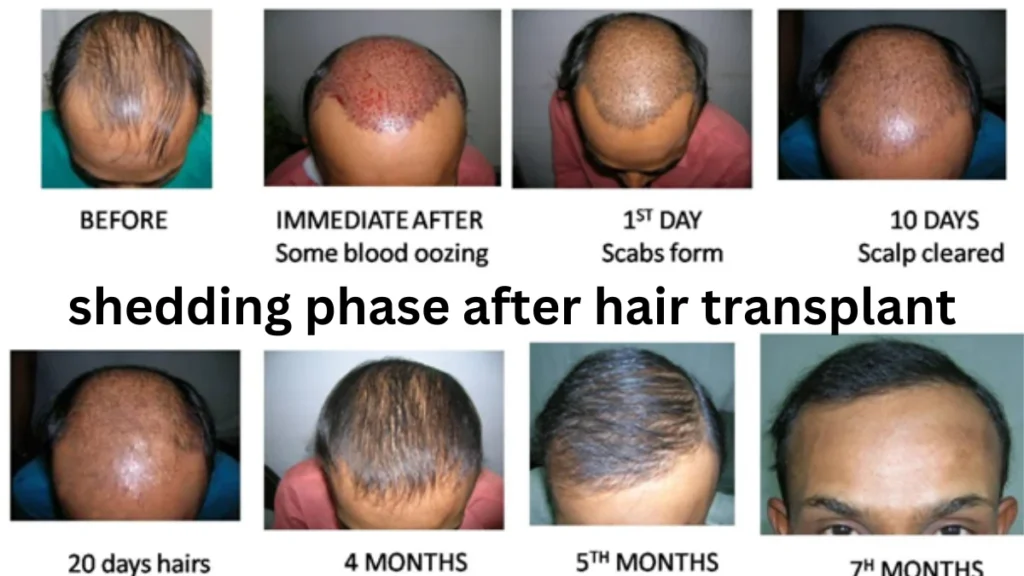
Shedding Phase After Hair Transplant Duration: Undergoing a hair transplant is an exciting step towards restoring your hair and confidence. However, many patients notice that transplanted hair falls out within a few weeks after the procedure. This is known as the shedding phase, a normal part of the hair growth cycle. Understanding this phase is crucial to stay calm and ensure long-term success. At Dr. Hanan Dermatology Speciality Clinic, Chennai, we guide our patients through every stage, ensuring safe and effective hair restoration.
Understanding the timeline helps patients set realistic expectations:
| Weeks After Transplant | What to Expect |
|---|---|
| 1–2 Weeks | Initial shedding of transplanted hair begins |
| 3–4 Weeks | Most grafts enter resting (telogen) phase |
| 5–8 Weeks | Gradual shedding continues, scalp heals fully |
| 3–6 Months | New hair starts emerging from transplanted follicles |
| 9–12 Months | Full hair growth and natural density achieved |
Patience is key. The shedding phase is temporary, and visible results usually appear within 3–6 months, with full results in 9–12 months.
Several factors contribute to post-transplant shedding:
Natural Hair Growth Cycle: Transplanted follicles temporarily enter the telogen (resting) phase.
Minor Scalp Trauma: Extraction and implantation cause slight trauma to hair follicles.
Individual Factors: Age, hair density, and genetics influence shedding intensity.
Lifestyle Factors: Stress, poor nutrition, and inadequate post-operative care may affect shedding.
Tip: Following the dermatologist’s instructions minimizes shedding-related stress.
During this phase, it’s normal to see clumps of hair falling out. Key things to remember:
Shedding does not harm the transplanted follicles.
Avoid panicking, as hair will regrow naturally.
Maintain gentle hair care as advised by your dermatologist.
At Dr. Hanan Clinic, we educate patients on what to expect during this phase to reduce anxiety and ensure adherence to post-operative care.
Proper care can help manage shedding and promote healthy hair growth:
Use gentle, sulfate-free shampoos
Avoid scratching, combing aggressively, or using chemical treatments
Ensure nutritional support with protein, vitamins, and minerals
Follow dermatologist instructions for PRP therapy or post-transplant medications
Adhering to post-transplant care improves follicle survival and speeds up hair growth.
While shedding is normal, consult your dermatologist if you notice:
Excessive shedding beyond 8–10 weeks
Redness, swelling, or infection at the transplant site
Patchy or uneven hair loss
Dr. Hanan Clinic provides personalized follow-ups to ensure every patient achieves natural and lasting results.
Knowing about the shedding phase helps patients:
Reduce anxiety and unrealistic expectations
Follow post-transplant care instructions carefully
Prepare for the timeline of new hair growth
Understanding the process ensures a smoother recovery and better satisfaction with final results.
Q1. How long does the shedding phase last after a hair transplant?
A: The shedding phase typically lasts 2–8 weeks. During this time, transplanted hair may fall out before new growth begins.
Q2. Is shedding normal after FUE or DHI hair transplant?
A: Yes. Shedding is a natural and expected part of the hair growth cycle and occurs in both FUE and DHI procedures.
Q3. Will my hair grow back after shedding?
A: Absolutely. The hair follicles remain healthy and enter a new growth phase, producing permanent hair after the resting period.
Q4. Can shedding affect my final results?
A: No. Shedding is temporary and does not impact the long-term success of the hair transplant.
Q5. How can I reduce shedding after hair transplant?
A: Follow gentle hair care, avoid harsh chemicals, maintain a healthy diet, and adhere to post-operative care instructions provided by your dermatologist.
Q6. When should I consult my dermatologist about shedding?
A: If shedding continues beyond 8–10 weeks, or if you notice redness, swelling, infection, or patchy hair loss, consult your dermatologist immediately.
Q7. Is shedding painful or harmful?
A: No. The shedding phase is not painful, and it is a normal part of the healing process.
Q8. How soon will new hair growth be visible after shedding?
A: New hair usually starts growing around 3–6 months, with full results visible in 9–12 months

Dr Hanan Dermatology Speciality clinic a Leading Dermatology, Cosmetology Clinic that provides the Best Affordable Treatment for Skin, Hair & Laser.
Our Contacts
Copyright © 2024 Dr Hanan Dermatology Speciality Clinic is Developed and Maintained by Qualpr | Privacy Policy | Terms and Conditions
Dr Hanan Dermatology Speciality Clinic
Typically replies within minutes
Any questions related to Skin, Hair, and Cosmetic or Looking to book an appointment?
WhatsApp Us
🟢 Online | Privacy policy
WhatsApp us