
Female Hair Transplant Before and After – Real Results, Recovery & What to Expect
Female Hair Transplant Before and After. Are you the good candidate for hair transplantation? Learn about hair loss types, eligibility, and factors to consider about hair transplant
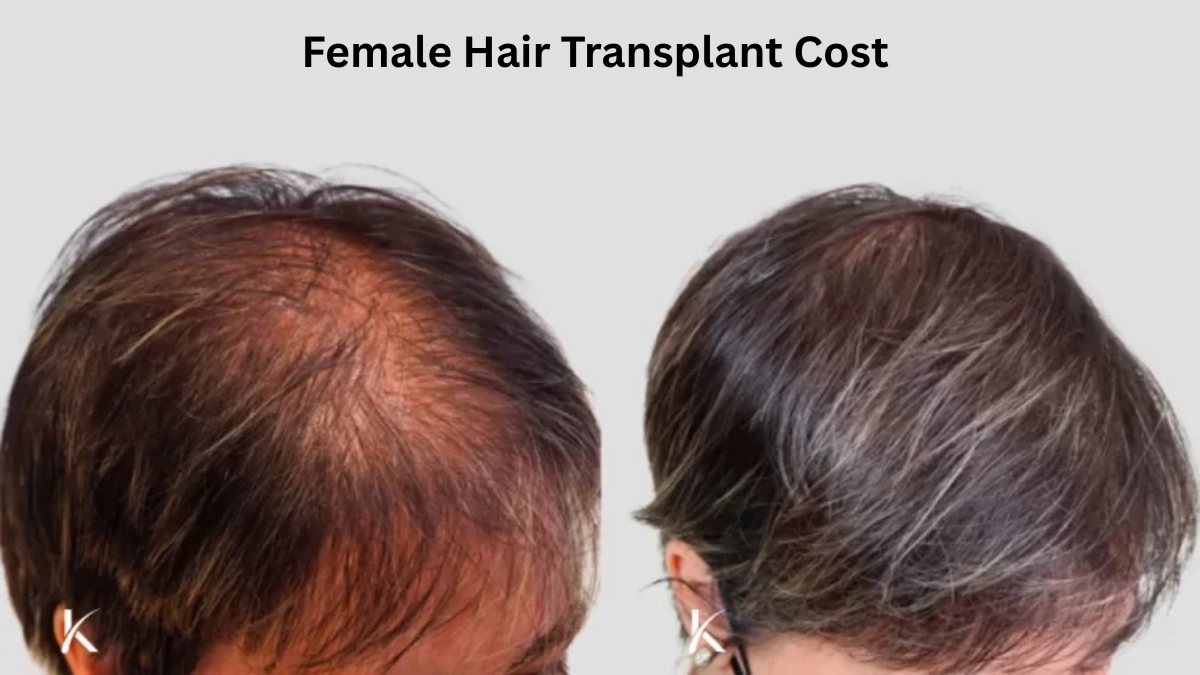
Female Hair Transplant Before and After: Hair loss in women is more common than many people think. Thinning hair, widening part lines, and receding temples can deeply affect confidence and self-image. That’s why “female hair transplant before and after” has become one of the most searched topics among women looking for a permanent solution.
If you’re considering a hair transplant, this detailed guide will walk you through realistic results, recovery stages, safety, and what truly makes a difference in before-and-after transformations.
Understanding Female Hair Loss
Unlike male pattern baldness, female hair loss usually appears as overall thinning rather than complete bald patches. Identifying the cause is the first and most important step.
Common Causes of Hair Loss in Women
Hormonal imbalance
PCOS
Thyroid disorders
Post-pregnancy hair fall
Traction alopecia (tight hairstyles)
Female pattern hair loss
Stress and nutritional deficiencies
A proper dermatological evaluation helps determine whether medical treatment alone is sufficient or if a hair transplant is the right long-term option.
Read more: Female Hair Transplant Cost
What Is a Female Hair Transplant?
A female hair transplant is a minimally invasive surgical procedure where healthy hair follicles are extracted from a donor area (usually the back of the scalp) and transplanted into thinning or balding areas.
Techniques Commonly Used
FUE (Follicular Unit Extraction)
Individual hair follicles are extracted and implanted.Minimal scarring
Faster healing
Ideal for women who prefer shorter recovery time
FUT (Follicular Unit Transplantation)
A strip of scalp is removed to harvest follicles.
Suitable for larger graft requirements
Higher graft yield in some cases
For women, special attention is given to preserving existing hair and designing a natural hairline. Unlike men, complete shaving is often avoided.
Female Hair Transplant Before and After: Timeline Explained
One of the biggest concerns women have is: When will I see results?
Here’s a realistic timeline:
Before the Procedure
Detailed consultation and scalp analysis
Assessment of donor hair density
Blood tests if required
Customized hairline planning
Pre-procedure care instructions
Setting realistic expectations during this stage is crucial.
Read more: Top 10 hair clinics in chennai
Immediately After the Procedure
Mild swelling and redness
Tiny scabs in transplanted area
Minimal discomfort
Return to routine within a few days
This stage may look alarming, but it is completely normal.
1 Month After – Shedding Phase
Many patients panic during this stage.
Transplanted hairs may shed. This is called shock loss and is temporary. The follicles remain intact under the scalp
3–6 Months After – Early Growth
New hair begins to grow
Density slowly improves
Hair appears soft and thin initially
This is when visible transformation begins.
9–12 Months After – Final Results
Noticeable volume improvement
Natural texture and thickness
Full blending with existing hair
Freedom to style hair confidently
The most dramatic “before and after” comparisons are seen during this phase.
What Affects Before and After Results?
Every woman’s transformation is unique. Results depend on:
Donor hair quality
Number of grafts transplanted
Scalp health
Surgical expertise
Post-procedure care
Overall health and nutrition
Choosing an experienced dermatologist significantly improves the outcome.
Benefits of Female Hair Transplant
✔ Permanent and natural-looking solution
✔ Uses your own hair follicles
✔ No visible scarring (in FUE)
✔ Boosts confidence and self-image
✔ Minimal downtime
Unlike temporary treatments, transplanted hair grows naturally and can be cut, colored, and styled.
Who Is the Right Candidate?
Hair transplant works best for:
Women with stable hair thinning
Patients with traction alopecia
Women with scar-related hair loss
Eyebrow restoration cases
Patients with good donor hair density
Women with diffuse thinning across the entire scalp may require medical therapy before considering surgery.
FAQs
1. How long does it take to see before and after results in female hair transplant?
Initial shedding happens within the first month. Visible new growth starts around 3–4 months, and full results are typically seen between 9–12 months after the procedure.
2. Are female hair transplant results permanent?
Yes. The transplanted hair follicles are usually resistant to hormonal hair loss and grow permanently. However, maintaining overall scalp health is important for long-term results.
3. Does a female hair transplant look natural?
When performed by an experienced dermatologist, the results look completely natural. Proper hairline design and correct angle placement of grafts play a major role in achieving realistic outcomes.
4. Is shaving the head necessary for women?
In most cases, complete head shaving is not required. Many clinics offer partial shaving techniques or no-shave FUE methods for female patients.
5. Is the procedure painful?
The procedure is done under local anesthesia, so pain during surgery is minimal. Mild discomfort or tightness may be felt for a few days after the treatment.
6. What is the recovery time after a female hair transplant?
Most women return to routine activities within 3–5 days. Scabs usually fall off within 10–14 days, and redness gradually fades.
7. Can women with diffuse thinning undergo hair transplant?
Hair transplant works best when there is a stable donor area. Women with severe diffuse thinning may require medical treatment first before considering surgery.
8. Will the transplanted hair fall again?
The transplanted hair may shed temporarily during the first month (shock loss), but the follicles remain intact and regrow naturally within a few months.
9. What factors affect before and after results?
Results depend on donor hair quality, number of grafts, surgical expertise, scalp condition, and proper aftercare.
10. How many grafts are required for female hair transplant?
The number of grafts varies depending on the area of thinning and desired density. A detailed consultation helps determine the exact requirement.
Ready for Permanent Hair Restoration?
Wondering if a hair transplant is permanent? Book a consultation with our specialists and get personalized guidance for long-lasting results!