Face Lifting in Chennai with expert tips from Dr. Hanan Dermatology Clinic, Chennai.

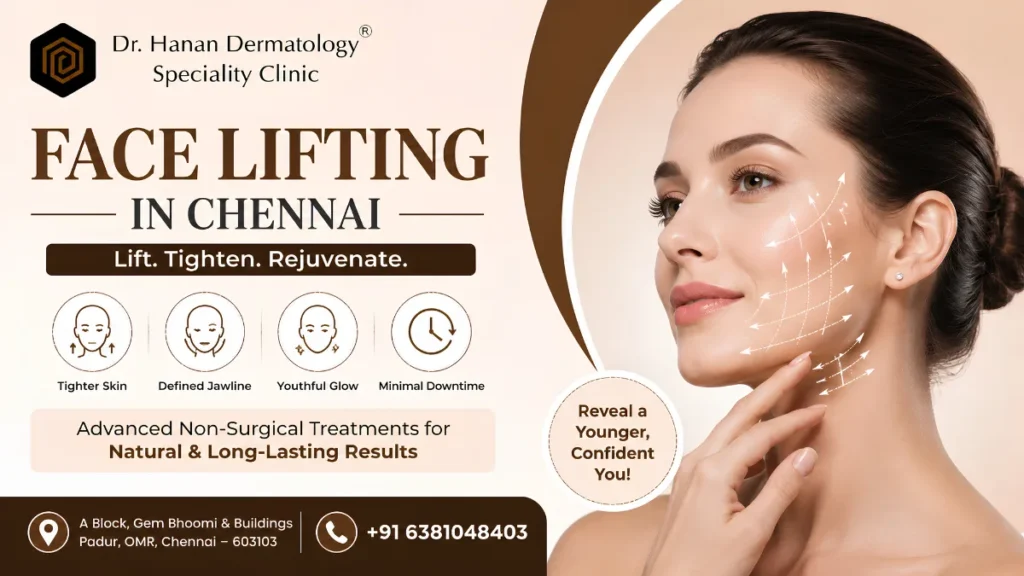
Face Lifting in Chennai with expert tips from Dr. Hanan Dermatology Clinic, Chennai.
A youthful, well-defined face is often associated with confidence and healthy skin. However, as we age, collagen production slows down, causing the skin to lose elasticity. This leads to sagging cheeks, jowls, fine lines, and reduced facial definition. Fortunately, modern aesthetic dermatology offers safe and effective face lifting treatments in Chennai that help tighten the skin without the need for major surgery.
At Dr. Hanan Dermatology Speciality Clinic, one of the leading skin and cosmetic clinics in Chennai, we specialize in advanced non-surgical face lifting treatments designed to lift, tighten, and rejuvenate your face naturally. Using cutting-edge technologies such as HIFU, Thread Lift, Dermal Fillers, Botox, and RF Skin Tightening, our expert team creates personalized treatment plans to help you achieve long-lasting and natural-looking results.
Whether you want to restore facial contours, reduce wrinkles, or enhance your jawline, our customized face lifting solutions offer minimal downtime and maximum confidence.
Face lifting is a cosmetic treatment designed to improve facial firmness by tightening loose skin, stimulating collagen production, and restoring youthful facial contours. Unlike traditional facelift surgery, modern dermatology offers several non-surgical face lifting options that require little to no recovery time.
Face lifting can effectively improve:
Depending on your skin condition and cosmetic goals, your dermatologist may recommend a single treatment or a combination of therapies for optimal results.
Many people notice subtle signs of aging in their 30s or 40s. Early treatment can significantly delay the progression of skin laxity.
You may be a suitable candidate if you have:
At Dr. Hanan Dermatology Speciality Clinic, we provide advanced non-surgical facial rejuvenation procedures that are safe, effective, and customized for every patient.
HIFU is among the most popular non-surgical facelift treatments available today. It uses focused ultrasound energy to stimulate collagen production deep within the skin.
Results continue improving over the following 2–3 months as collagen rebuilds naturally.
Choose a shampoo that targets your specific hair concern:
Thread Lift is a minimally invasive procedure that uses dissolvable medical-grade threads to gently lift sagging tissues.
Ideal for:
Benefits include immediate lifting with continued collagen stimulation over several months.
Facial aging is not only caused by loose skin but also by volume loss.
Dermal fillers restore youthful volume by enhancing:
The result is a naturally lifted and refreshed appearance.
Botox is commonly used alongside face lifting treatments to relax dynamic facial muscles responsible for wrinkles.
Botox effectively treats:
Combined with fillers or HIFU, Botox provides a more comprehensive facial rejuvenation.
Radiofrequency technology gently heats deeper skin layers to stimulate collagen remodeling.
Benefits include:
| Surgical Face Lift | Non-Surgical Face Lift |
|---|---|
| Requires surgery | No surgery |
| General anesthesia | Outpatient procedure |
| Longer recovery | Minimal downtime |
| Permanent scars | No visible scars |
| 2–4 weeks recovery | Resume activities quickly |
| Long-lasting results | Natural gradual improvement |
For individuals with mild to moderate aging, non-surgical treatments often provide excellent results without the risks associated with surgery.
Choosing professional face lifting treatment offers several cosmetic and emotional benefits.
These include:
Face lifting treatment is suitable for healthy adults who wish to improve facial aging without undergoing major surgery.
Ideal candidates include:
A detailed consultation helps determine the most appropriate treatment based on your skin condition.
Every face is unique, which is why personalized treatment planning is essential.
During your consultation, our specialists will:
Our goal is to achieve subtle, natural-looking enhancement while preserving your facial expressions.
Most procedures follow these steps:
Most sessions last between 30 and 90 minutes.
A surgical facelift typically involves:
Recovery usually takes several weeks and is generally reserved for individuals with advanced facial aging.
Recovery is generally quick.
Patients may experience:
Recommended aftercare includes:
Most patients return to normal activities on the same day or the following day.
Recovery may involve:
Complete healing usually occurs within several weeks.
The duration of results depends on the treatment selected.
Approximate timelines include:
Healthy lifestyle habits and proper skincare help extend the longevity of results.
Face lifting is a cosmetic procedure that improves facial contours by tightening loose skin, reducing wrinkles, and restoring a youthful appearance. Depending on your needs, it can be performed using non-surgical treatments such as HIFU, thread lift, dermal fillers, Botox, or through surgical facelift procedures.
The best treatment depends on your age, skin condition, and cosmetic goals. For mild to moderate skin laxity, non-surgical options like HIFU and thread lifts are highly effective. During your consultation at Dr. Hanan Dermatology Speciality Clinic, our specialists will recommend the most suitable treatment for you.
Yes. Non-surgical face lifting treatments stimulate collagen production, tighten the skin, and improve facial definition with little to no downtime. They are ideal for individuals seeking natural-looking results without surgery.
The longevity of results varies by treatment:
Most non-surgical face lifting procedures involve minimal discomfort. A topical numbing cream may be applied before treatment to enhance comfort. Patients generally tolerate the procedures well.
The cost depends on the type of treatment, the areas being treated, the number of sessions required, and your individual skin concerns. A personalized consultation is the best way to receive an accurate treatment plan and cost estimate.
Face lifting is suitable for healthy adults experiencing mild to moderate skin laxity, sagging cheeks, jowls, or early signs of facial aging. A dermatologist will assess your skin and recommend the most appropriate treatment.
Most non-surgical face lifting treatments are completed within 30 to 90 minutes, depending on the procedure and treatment area. Patients can usually return to their daily activities shortly afterward.
Some patients may experience temporary redness, mild swelling, bruising, or tenderness. These side effects are generally mild and resolve within a few days when post-treatment care instructions are followed.
Some treatments, such as thread lifts and dermal fillers, provide immediate improvements. Treatments like HIFU and RF skin tightening stimulate collagen production, with optimal results developing gradually over 2 to 3 months.
Yes. Face lifting can be combined with Botox, dermal fillers, skin tightening procedures, laser treatments, or skin rejuvenation therapies to achieve more comprehensive facial enhancement. Your dermatologist will recommend the safest combination based on your goals.
Dr. Hanan Dermatology Speciality Clinic offers advanced non-surgical face lifting treatments using modern technology and personalized care. Led by Dr. Hanan Basith, MD (DVL), FFAM, the clinic is known for its expertise in dermatology, facial aesthetics, and natural-looking cosmetic results in a safe and patient-focused environment.
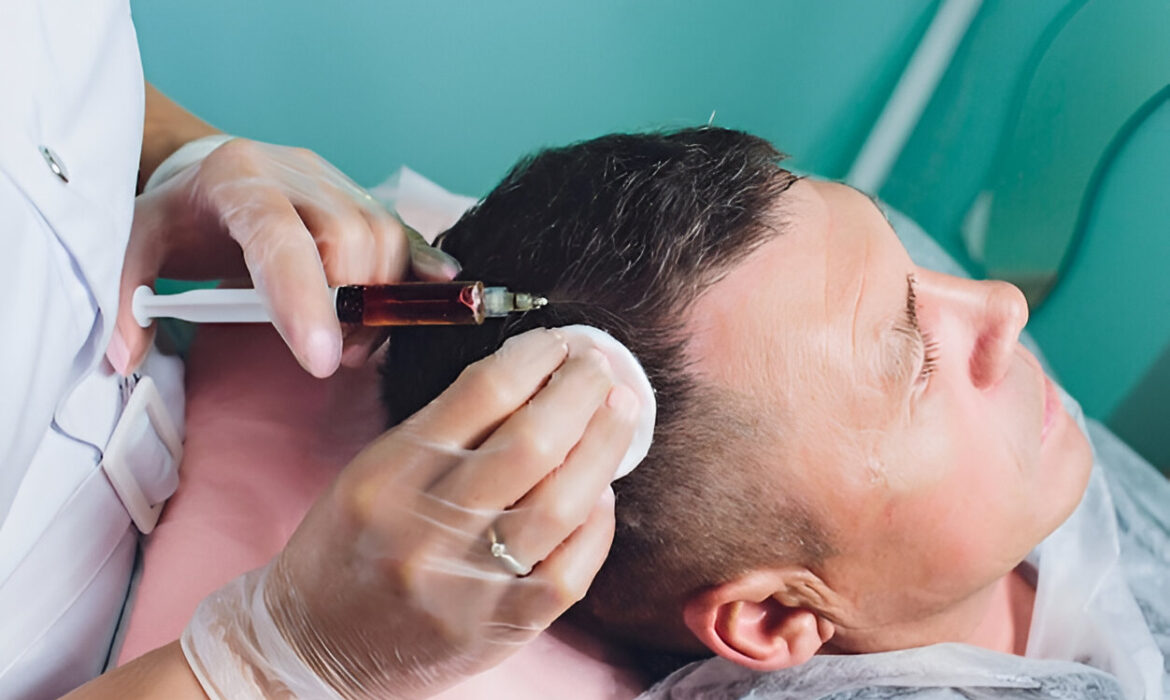
Hair transplant aftercare tips from Dr. Hanan Clinic, Chennai to protect grafts, reduce risks, and boost long-term hair growth.
Hair transplant surgery is a transformative step towards restoring natural hair growth and confidence. But the real success of your transplant doesn’t just depend on the procedure itself – it also depends heavily on how you care for your scalp afterward. At Dr. Hanan Dermatology Speciality and Trichology Clinic in Chennai, we ensure that every patient receives personalized aftercare guidance to promote healing and maximize long-term results.
This blog outlines medically approved, dermatologist-backed aftercare tips for anyone undergoing a hair transplant, with answers to frequently asked questions and practical advice to speed up your recovery. Learn more about our Best Hair Transplant Clinic in Chennai for trusted care.
The newly transplanted hair follicles are delicate and require a healing period to anchor themselves into the scalp. Poor aftercare can lead to:
Proper aftercare improves the success rate, minimizes discomfort, and promotes healthy, long-lasting hair growth.
At Dr. Hanan Clinic, we believe in customized, evidence-based treatment plans. Depending on your scalp type, the severity of your dandruff, and any underlying skin condition, our dermatologists may recommend:
The initial 48 hours post-transplant are critical. Here’s what to follow:
The initial 48 hours post-transplant are critical. Here’s what to follow:
We recommend using a satin or soft pillow cover and avoiding harsh or textured fabrics.
For more insights, read our blog on Hair Transplant Pain: What Should You Expect?
At this stage, transplanted hairs may fall out – this is normal. It’s called “shock loss” and is part of the cycle.
As new hairs begin to grow, it’s important to:
Consider supporting treatments like PRP Treatment for Hair Loss in Chennai to enhance results.
You should immediately report any of the following to your dermatologist:
Early intervention can prevent complications and preserve the integrity of the grafts.
Recovery time after a hair transplant varies by individual, but most people are able to return to regular daily activities within 7–10 days. The initial healing of the donor and recipient sites typically takes about a week, while redness and scabbing may last slightly longer.
New hair growth becomes noticeable around 3 months, but the full transformation takes up to 12 months. Patience and consistent aftercare are crucial during this phase.
Sleeping posture is critical in the first week post-procedure. You’ll be advised to sleep with your head elevated at a 30-45 degree angle for the first 5–7 nights. This helps minimize swelling and prevents accidental friction or damage to the grafts.
Once the swelling subsides and the scabs begin to fall off (usually after day 7), you can gradually return to your normal sleeping position—though it’s still best to avoid rubbing your scalp directly on pillows for the first two weeks.
In general, oils should be avoided for at least the first 2–3 weeks after a hair transplant. Applying oil too soon can clog the healing follicles or increase the risk of infection. However, dermatologist-approved serums—especially those containing minoxidil or growth peptides—may be introduced after 3 weeks or based on your doctor’s advice.
Learn more about supportive topical tools in our article on Dermaroller for Hair Growth – Is It Effective?
Post-transplant, you’ll notice that the newly implanted hairs begin to shed within the first 2–4 weeks. This is completely normal and part of the hair’s growth cycle. After this “shock loss,” hair follicles enter a dormant phase before reactivating.
New hair typically begins growing around the 3-month mark, and significant improvements are visible by the 6th month. Full maturity—density, texture, and length—usually appears between 9 to 12 months, depending on individual growth rate and scalp health.
Explore more helpful questions in Top Questions to Ask Before Getting a Hair Transplant
Your hair transplant journey doesn’t end in the operating chair. With careful, evidence-based aftercare, you can ensure the grafts take root and grow into natural, healthy hair. At Dr. Hanan Dermatology Speciality and Trichology Clinic, Chennai, our dermatologists offer continuous support, follow-ups, and individualized aftercare plans to help you maintain results for a lifetime.
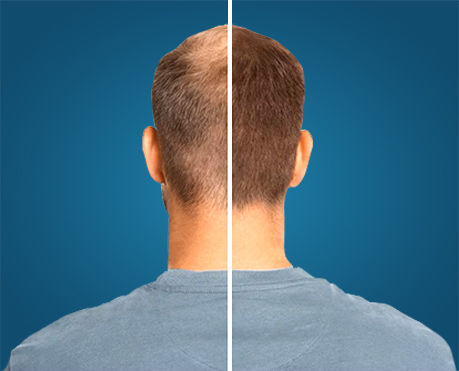
In this guide, we look at the best ways to stop hair loss immediately with help from science and experts.
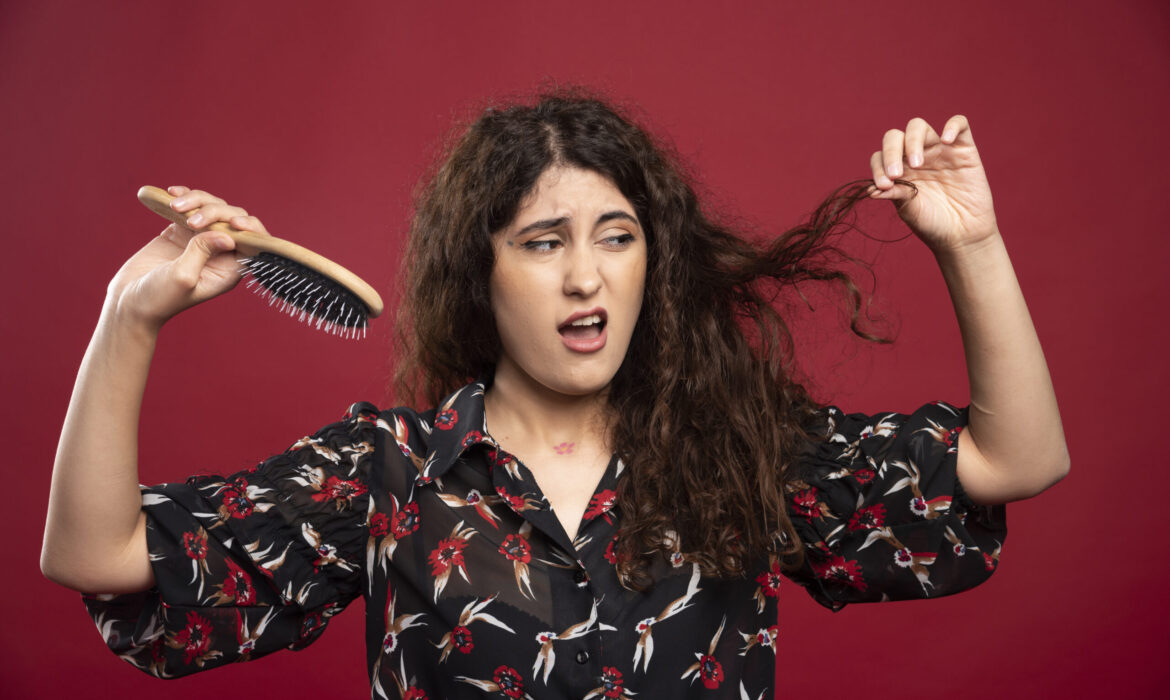
Looking for the best hair fall treatment for women? Discover expert solutions, causes, and remedies from Dr. Hanan Dermatology Clinic.
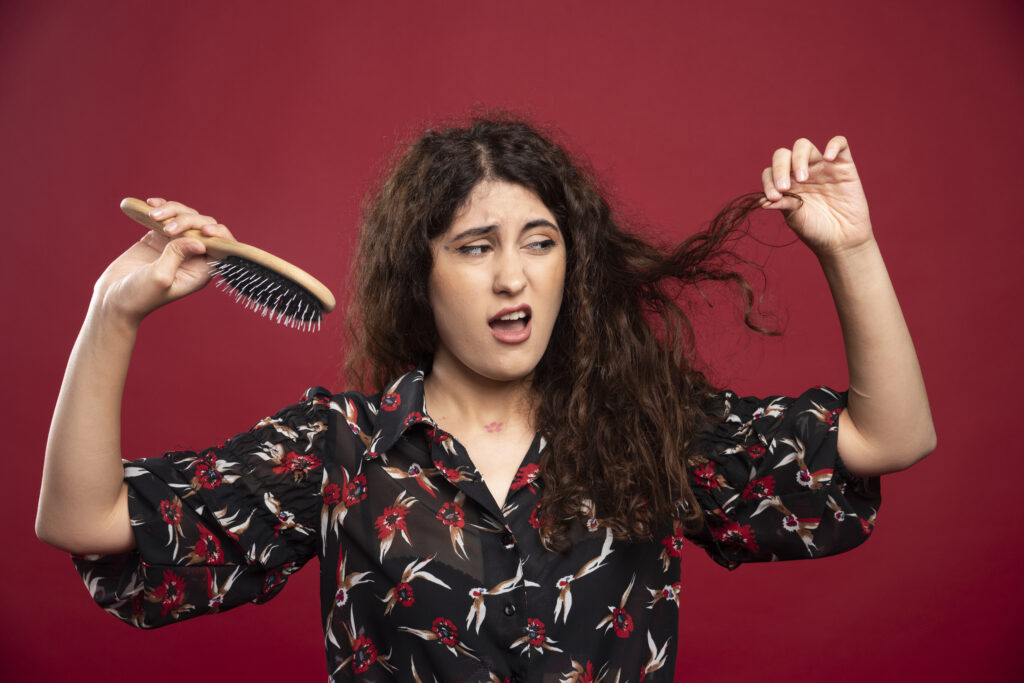
Hair is an essential part of a woman’s identity and confidence. But when the hair falls, it can cause anxiety, low self -esteem and emotional distress. Dr. Hanan Dermatology Specialty and Trichology Clinic, we understand the emotional and physical effects of female hair loss – and we are here to help you find a real solution.
In this comprehensive guide, you will learn the causes of hair fall in women, how to identify early signals, and the most effective hair fall for women – from home remedies to clinical intervention.
Hair collapse, or hair loss in women is medically known as female pattern hair loss (FPHL) or Androgenic Alopecia. This male pattern differs from baldness and often presents as a normal thin on the crown rather than a recurrent hairline.
Most women shed between 50–100 strands per day, which is normal. However, when hair shedding exceeds this rate or you notice to be visible, it is time to take action.
Understanding the root cause of hair loss is crucial for effective treatment. Here are some of the most common culprits:
Hormones regulate hair growth cycles, and imbalances can lead to shedding or thinning.
High stress levels can trigger telogen effluvium due to work pressure, anxiety or trauma, a condition where hair enters the resting phase and falls out.
Scalp Infections – Fungal infections like ringworm can lead to localized hair loss.
If your mother or grandmother experienced hair thinning, you may be genetically predisposed to female pattern hair loss.
Recognizing the early signs helps prevent further damage:
At Dr. Hanan Dermatology Clinic, we offer customized treatment plans based on your hair type, scalp condition, and lifestyle. Here are the best hair fall treatments we recommend:
Minoxidil 2% or 5%: FDA-approved treatment for women. Encourages hair growth by widening blood vessels and extending the growth phase.
PRP uses your own blood platelets to stimulate dormant hair follicles. It’s a non-surgical, advanced method that promotes natural hair growth.
Laser caps and in-clinic laser treatments improve scalp circulation and hair density.
A non-invasive treatment involving micro-injections of vitamins, enzymes, and plant extracts directly into the scalp to stimulate follicles and strengthen hair.
While clinical treatment is effective, integrating home remedies into your routine can complement professional care:
Scalp exfoliation once a week to remove dead skin and stimulate follicles.
Limit heat styling and chemical treatments that weaken the hair shaft.
Located in Padur, Chennai, our clinic is known for:
Experienced Dermatologists & Trichologists
Advanced Technology (PRP, Mesotherapy, LLLT)
Personalized Hair Restoration Plans
High Success Rate & Client Satisfaction
Whether you’re experiencing seasonal shedding or long-term hair thinning, our specialists will work with you to diagnose the cause and craft a treatment plan that delivers visible results
Don’t let hair loss affect your confidence. Get professional care from the leading hair fall treatment clinic in Chennai. Contact us today to schedule a scalp analysis and consultation.

How to get clear skin with expert tips on cleansing, exfoliating, and targeted care for glowing, blemish-free skin.
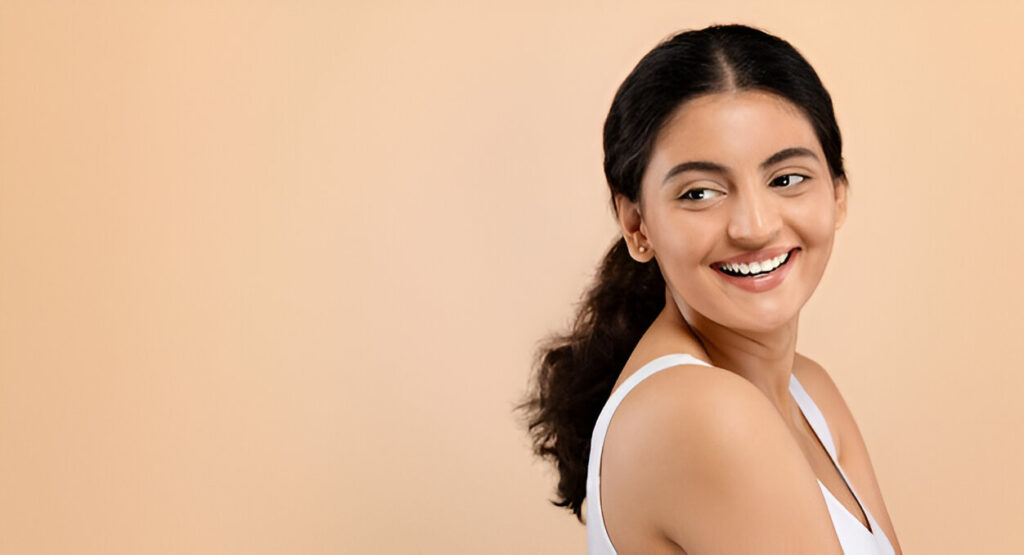
Achieving clear skin isn’t just about following trends or chasing influencer-endorsed routines — it’s about establishing a lifestyle that prioritizes skin health. If you’ve ever wondered how to get clear skin, know that it’s the result of consistent care, evidence-based skincare practices, and making the right choices every day. Whether you’re tackling breakouts, dullness, or uneven skin tone, the journey starts with understanding what your skin truly needs.
Let’s dive into the best practices to help you achieve a naturally glowing, blemish-free complexion.
Cleansing is the cornerstone of any skincare regimen. A clean face ensures that other skincare products can be absorbed properly. Wash your face twice daily – to remove sweat and oil overnight in the morning, and to get rid of dirt, pollutants and makeup at night. Use a gentle, pH-balanced cleanser that suits the type of your skin-oily, dry, or combination.
Over-cleansing or using harsh soaps can damage the skin barrier, leading to irritation and dryness, which can actually trigger more breakouts. Stick with a cleanser that contains skin -friendly ingredients such as ceramides or aloe vera.
Extra Tip: For acne-prone skin, ingredients like salicylic acid, benzoyl peroxide, or tea tree oil can help reduce inflammation and unclog pores.
Exfoliation helps to remove dead skin cells that can stop pores and can make your skin look dull. By exfoliating 2-3 times a week, you stimulate the cell turnover, promoting a smooth and more-toned complexion. However, more isn’t always better — over-exfoliating can lead to micro-tears and sensitivity.
Chemical exfoliants such as glycolic acid (AHA) and salicylic acid (BHA) are particularly effective for all types of all types. They enter deeply than physical scrub and are less likely to cause irritation when used properly.
Many people skip the moisturizer thinking that it will spoil the oil or cause acne. In fact, skipping of moisturizer can lead to dehydration, causing more than oil to compensate for your skin. The key is using a non-comedogenic, light moisturizer that hydrates without closing the pores.
Look for formulations with hyaluronic acid, glycerin, or niacinamide – these elements not only lock the moisture, but also improve the skin texture and tone over time.
Pro Tip: Apply moisturizer immediately after cleansing while your skin is still slightly damp. This helps seal in hydration effectively.
If you want clear skin that stays youthful, sunscreen is non-negotiable. Unprotected exposure to the sun can lead to hyperpigmentation, uneven skin tone, sunburn, and premature aging — all of which can hinder your skin goals.
Choose a broad-spectrum sunscreen with at least SPF 30 and reapply every two hours, especially if you’re sweating or outdoors for extended periods. Mineral sunscreens with zinc oxide or titanium dioxide are great for sensitive or acne-prone skin.
Your hands face countless surfaces throughout the day, raising bacteria, oil and other impurities. Each time you touch your face, you risk transferring that grime directly into your skin, which increases the chances of clogged pores and acne.
Always be aware that you keep your hands away from your face unless you’re cleansing or applying skincare. In addition, clean the screen of your phone regularly and change your pillow weekly – small hygiene habits that make a big difference.
Pro Tip: If you’re a frequent face-toucher, keep a reminder on your desk or phone screen to break the habit.
Your skin reflects your internal health. Consuming a diet rich in dense foods of nutrients can improve your skin texture, clarity and flexibility. Antioxidants from berries, leafy greens, nuts, and seeds help in combating oxidative stress, while omega -3 are found in fish such as fatty acids, such as salmon reduce inflammation and support a healthy lipid barrier.
Limit the intake of Processed foods, dairy (if you are sensitive), refined sugars – which can spike all insulin and contribute to a breakout. And of course, drink enough water – ideally 8–10 glasses daily to keep your skin plump, clear and well-hydrated from within.
Night time is the natural repair time of your skin. Having a structured evening skincare routine can increase recovery and help in dealing with specific skin concerns at bedtime.
Start with a soft cleanser to remove makeup and buildup. To prepare the skin, follow with a toner or essence, then apply serum like niacinamide, retinol, or vitamin C on your base
Bonus Tip: Use a silk or satin pillowcase to reduce friction and keep skin smoother overnight.
Sleep and stress are two underrated yet powerful contributors to skin health. Lack of sleep disrupts hormonal balance and skin regeneration, causing dull, puffiness and acne. Chronic stress increases the level of cortisol, which triggers oil production and inflammation.
Target for a comfortable sleep of at least 7-9 hours. Include stress-reducing activities in your daily life-it should be a journey, a nature walk, meditation
When dealing with stubborn issues such as acne, dark spots, or fine lines, over-the-counter treatment can offer powerful support-but only when used wisely. Look for products with active ingredients:
Always start with a patch test and introduce one active product at a time to avoid overwhelming your skin.
Pro Tip: Consulting a dermatologist can help you choose the right actives for your unique skin concerns.
Understanding how to get clear skin means knowing that consistency, patience, and the right guidance are key. There’s no one-size-fits-all miracle product, but by establishing a balanced skincare routine, making healthy lifestyle choices, and staying informed, you can achieve the radiant, blemish-free complexion you deserve.
Still struggling with persistent skin issues or confused about what products suit your skin? Visit Dr. Hanan Dermatology Speciality Clinic for personalized consultations, expert-guided treatments, and tailored skin solutions that truly work. Our team is here to support you every step of your clear skin journey.

Learn what psoriasis is and discover simple tips on how to manage and reduce symptoms for smoother skin. Read now for relief!
Psoriasis is a long-term skin condition that affects many people worldwide. It’s an autoimmune disease that causes skin cells to grow too quickly, forming thick, scaly patches.
These patches, or plaques, can be red, inflamed, and painful. They often appear on the wrists, knees, scalp, and lower back but can be anywhere on the body.
This article explains what psoriasis is and looks at treatments to help manage its symptoms.
Psoriasis occurs when the immune system mistakenly attacks healthy skin cells, causing new skin cells to form quickly.
Normally, skin cells grow and shed every 28 to 30 days, but in psoriasis this process can take only 3 to 4 days. The wrinkles are formed by the rapid accumulation of skin cells.
Although the exact causes of psoriasis are not fully understood, several factors can trigger or exacerbate the condition:

There are several types of psoriasis, each with its own characteristics:
1. Plaque Psoriasis: The most common form, characterized by raised, red patches covered with silvery scales. These plaques can appear anywhere on the body.
2. Guttate Psoriasis: This type appears as small, dot-like lesions, usually triggered by bacterial infections like strep throat.
3. Inverse Psoriasis: Found in body folds such as the armpits, groin, and under the breasts, this type appears as smooth, red patches that worsen with friction and sweating.
4. Pustular Psoriasis: Characterized by white pustules (blisters of non-infectious pus) surrounded by red skin. It can appear on specific areas, such as the hands and feet, or cover the entire body.
5. Erythrodermic Psoriasis: A rare but severe form of psoriasis that causes widespread redness, scaling, and pain across the body. It requires immediate medical attention.
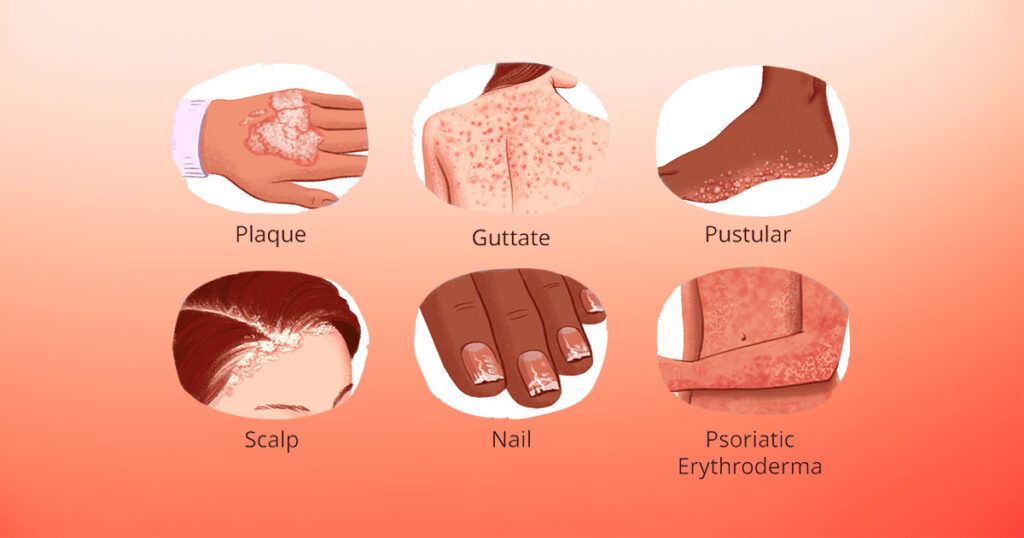
Psoriasis symptoms can vary depending on the type and severity. Common symptoms include:
Symptoms range from mild, affecting only a small area of the skin, to severe, involving large areas, and significantly affecting quality of life.
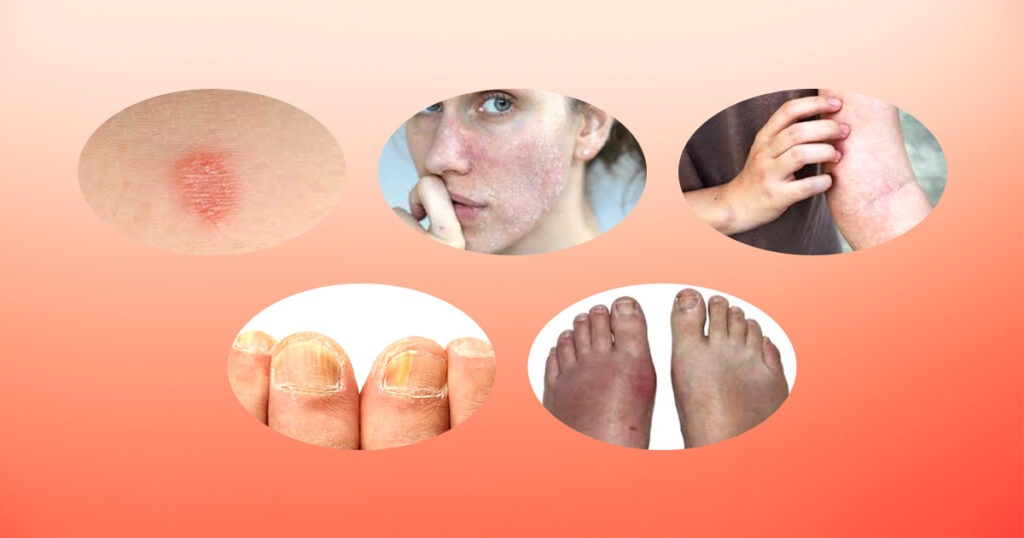
Several treatments are available to help manage the symptoms and reduce flare-ups. Treatment typically depends on the type and severity of the condition, and it may involve a combination of therapies.
Topical treatments are often the first line of defense against mild to moderate psoriasis. These products are applied directly to the skin and can help reduce inflammation and slow the growth of skin cells.
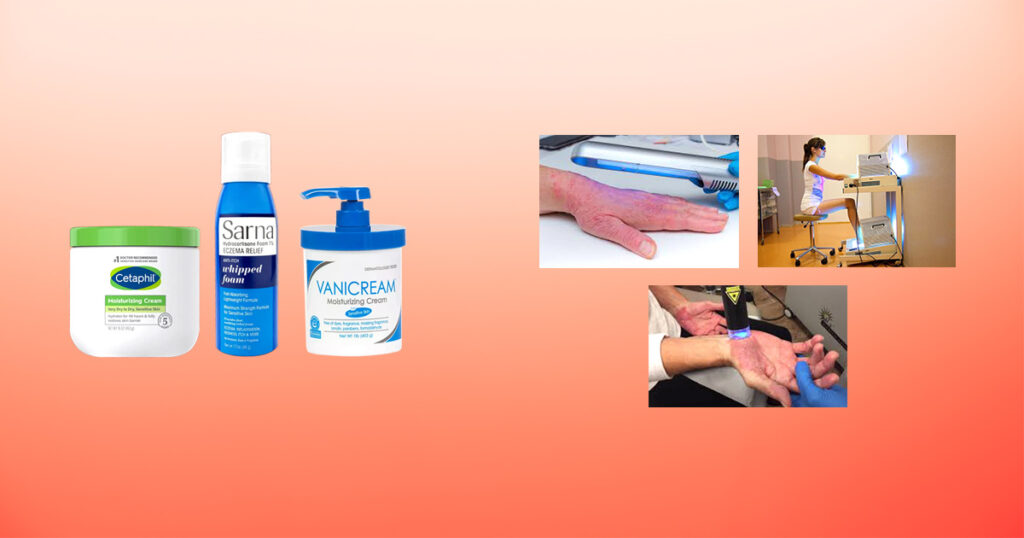
Phototherapy involves exposing the skin to controlled amounts of ultraviolet (UV) light. This treatment can help slow the growth of skin cells and reduce inflammation.
For moderate to severe psoriasis, systemic medications may be prescribed when other treatments are ineffective. These can be taken orally or injected and work throughout the body.

In addition to medication, lifestyle changes and home remedies play an important role in the management of psoriasis:
Dr. Hanan is a Best skin doctor in Chennai with years of experience treating psoriasis. Her team is skilled in handling complex cases and improving patients’ quality of life with personalized care.
We offer the latest psoriasis treatments, including:
We create custom treatment plans based on your specific needs, considering the severity of your condition and overall health.
We focus on treating the whole person, including lifestyle changes, nutrition, and stress management, to help manage and control psoriasis effectively.
1. Comprehensive Consultation: We assess your medical history, symptoms, and previous treatments.
2. Customized Treatment Plan: Tailored to alleviate symptoms and prevent flare-ups.
3. Ongoing Monitoring and Support: Continuous care to ensure effective management and improvement.
Our patients have experienced significant improvements. Many have shared how our advanced treatments and personalized care have transformed their lives.
For the best psoriasis treatment in Chennai, visit Dr. Hanan Dermatology Specialty Clinic. Schedule your consultation now and start your journey towards clearer, more comfortable skin.
Psoriasis is a complex and often frustrating condition, but with the right treatment plan and lifestyle adjustments, it can be managed effectively.
Whether through topical treatments, phototherapy, systemic medications, or home remedies, there are many ways to reduce the symptoms of psoriasis and improve your quality of life.
The most common form of plaque psoriasis produces raised patchy areas of skin. The color of the lines depends on your skin tone and can be yellow, gray or yellow. The movement appears as white, silver or gray.
Psoriasis is a long-term condition that doesn't have a cure, but treatment can help reduce your symptoms.
Flare-ups can last anywhere from a few weeks to a few months. Treatment can help you recover faster. When your symptoms disappear, your psoriasis is in remission. Remission can last for months or even years.
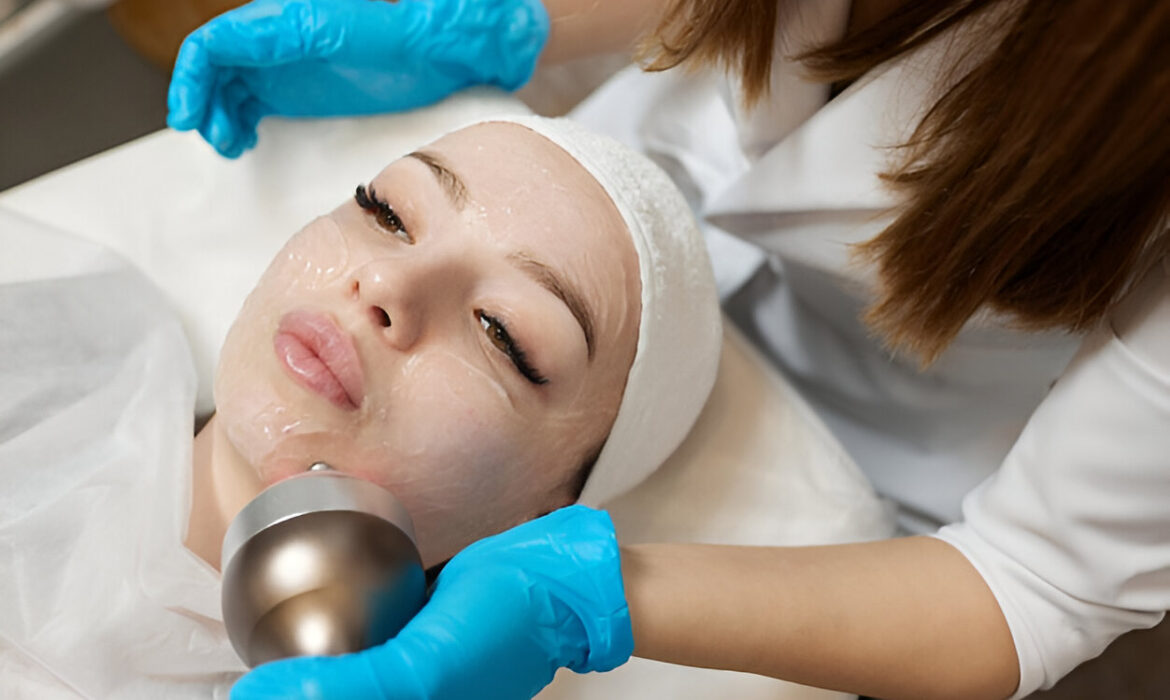
Confused between laser skin resurfacing vs chemical peels? Discover the best treatment for your skin goals at Dr. Hanan Clinic, Chennai.
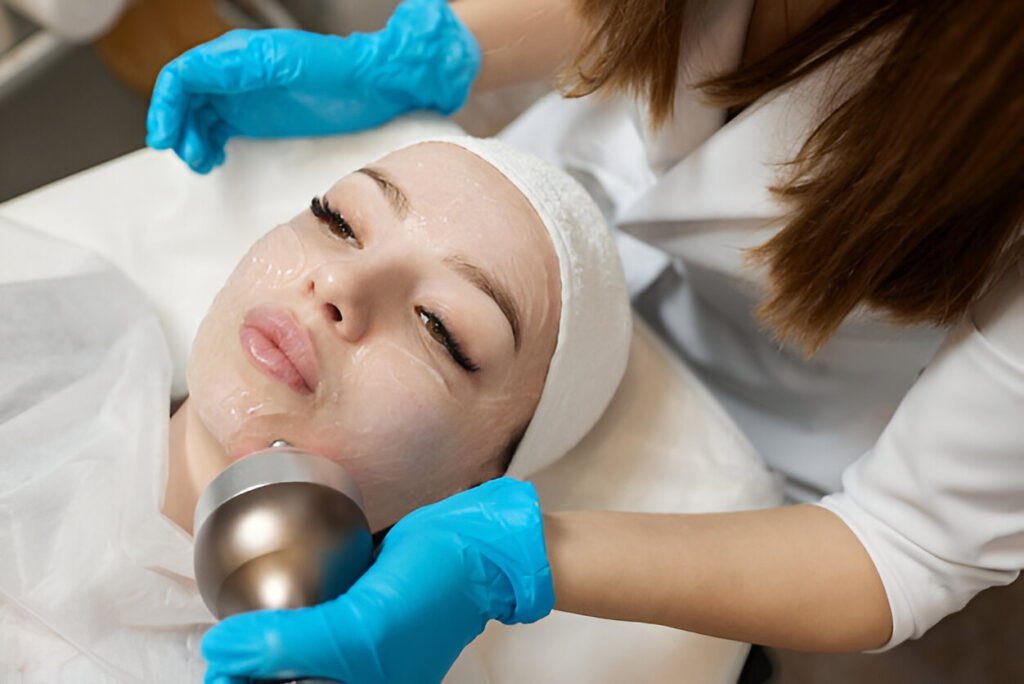
When it comes to rejuvenating your skin, two popular treatments often stand out: laser skin resurrection and chemical peels. Both are designed to reduce pigmentation, fine lines, acne marks and dullness -but they work differently, have different downtime, and suits for different types of skin.
In Dr. Hanan Dermatology Specialty and Trichology Clinic, we provide both these treatments to suit your unique skin needs. This guide will help you understand the difference between laser treatment and chemical peels, and which may be right for your skin goals.
The laser skin resurfacing uses the focused beams of light to remove the outer layers of the damaged skin and stimulate collagen production. It is highly effective in addressing deep wrinkles, acne marks and uneven skin tones.
Chemical peels involve applying an acid-based solution to exfoliate the skin and trigger regeneration. They can use light (superficial) to deep, which depends on the strength and type of use.
1–7 days depending on the peel strength
Feature | Laser Skin Resurfacing | Chemical Peels |
|---|---|---|
Method | Light-based | Acid-based |
Depth | Deeper penetration | Surface to mid-depth |
Best For | Deep wrinkles, scars | Pigmentation, dullness |
Downtime | 3–10 days | 1–7 days |
Number of Sessions | 1–3 (spaced months apart) | 3–6 (spaced weeks apart) |
Skin Tone Caution | Can cause pigmentation in darker tones if not managed well | Safer for all tones with proper peel selection |
Both treatments are highly effective – but selection between them depends on your skin type, anxiety, lifestyle and downtime tolerance.
Whether you choose laser or peel, your results – and protection of the skin – depend on the diagnosis and technique. At Dr. Hanan Dermatology Clinic, We:
We also offer combination protocols like Laser + Peel or Peel + PRP for even better results.
There is no one size-fit-all answer. The best treatment is one that fits your skin type, lifestyle and long -term goals.
For deep changes: laser resurfacing
For subtle clarity and glow: chemical peels
Still not sure? We are here to help.
Visit Dr. Hanan Dermatology Clinic – Chennai’s Expert in Skin Rejuvenation
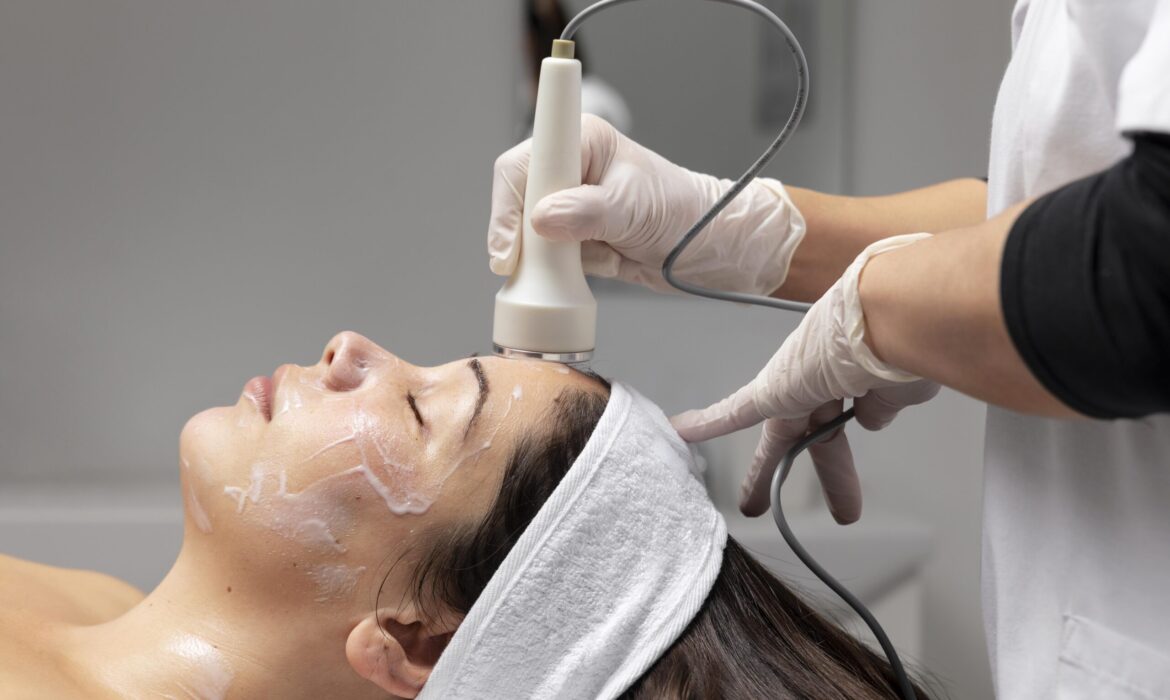
Confused between Hydrafacial and salon facials? Discover how Hydrafacial offers deeper cleansing, hydration, and glow—with expert care from Dr. Hanan Clinic in Chennai.
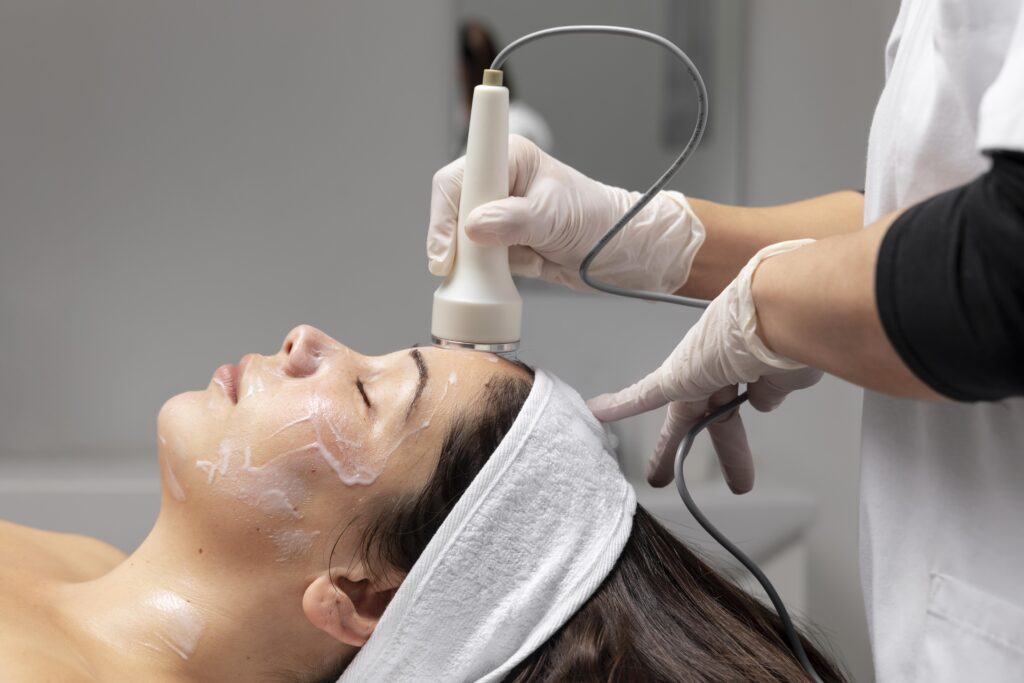
When it comes to skincare, facials are a go-to choice for cleansing, hydration, and instant glow. But not all facials are created equal. While regular salon facials offer temporary benefits, Hydrafacial treatments—now available at Dr. Hanan Dermatology Speciality and Trichology Clinic in Chennai—are designed for long-term skin health, powered by medical-grade technology.
If you’re wondering which one is better for your skin type and concern, this blog breaks down the key differences, benefits, and outcomes of Hydrafacial vs. Regular facial, so you can make an informed choice.
A regular facial usually involves manual cleansing, steaming, exfoliation, mask application, and moisturization. It’s performed by a beautician or skincare therapist and typically follows a generic routine.
Hydrafacial is a dermatologist-supervised, non-invasive treatment that combines cleansing, exfoliation, extraction, hydration, and antioxidant infusion in a single session. It uses patented vortex-fusion technology for deep skin purification without irritation.
At Dr. Hanan Clinic, we use FDA-approved Hydrafacial machines and tailor the solution serums to your skin type and concern.
Lasts about 3–5 days before the effects fade. It doesn’t impact underlying skin health.
Provides visible improvement for 5–10 days or more, and improves long-term skin texture, tone, and clarity with repeated sessions.
Hydrafacial is the clear winner. It clears clogged pores, controls oil production, and hydrates the skin—all without harsh manual extraction. The treatment is designed to calm inflammation, making it ideal for:
Regular facials, on the other hand, may irritate active acne and use comedogenic products that worsen breakouts.
Hydrafacial delivers instant hydration using active ingredients like hyaluronic acid, peptides, and antioxidants. It also improves skin tone and texture over time.
If your concern is dullness, dryness, or uneven skin, Hydrafacial is a superior solution over traditional facials, which only offer surface-level moisturization.
Learn how to adjust your skincare routine in Chennai’s changing weather—from monsoons to peak summers. Expert-backed tips from Dr. Hanan Dermatology Speciality and Trichology Clinic.
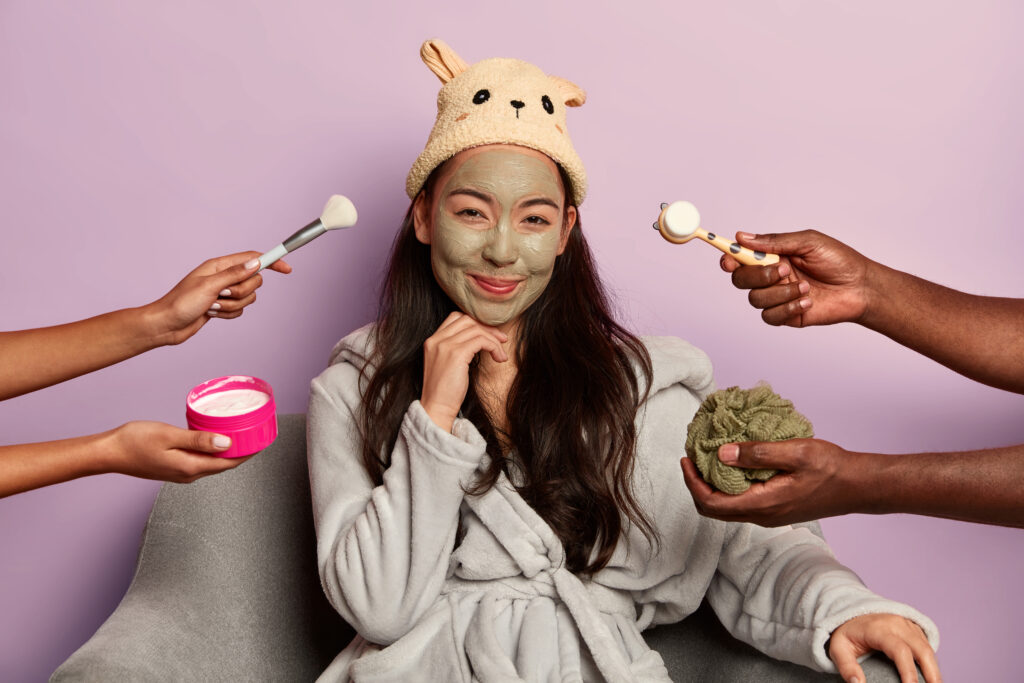
Chennai’s climate swings between hot, humid summers, unpredictable monsoons, and mild winters. These seasonal changes directly affect your skin’s hydration, oil balance, and sensitivity levels.
At Dr. Hanan Dermatology Speciality and Trichology Clinic, we help patients adapt their skincare to Chennai’s tropical conditions to prevent issues like acne, dryness, sunburn, and fungal infections.
Chennai summers can cause excessive sweating, clogged pores, and sun damage. Here’s how to adjust:
The humid monsoon season increases the risk of fungal infections, acne breakouts, and oily skin:
Though Chennai’s winters are mild, dry patches and skin tightness are still common:
Changing your routine abruptly can irritate your skin. Here’s how to transition:
At Dr. Hanan Clinic, our experts recommend seasonal skin assessments to fine-tune your skin routine. We offer custom facial therapies, anti-fungal treatments, and hydration boosters tailored for Chennai’s climate.
Explore treatments like:
Adapting your skincare routine with the seasons is essential—not optional—especially in a city like Chennai. Stay ahead of the weather curve with personalized advice from our dermatologists at Dr. Hanan Dermatology Speciality and Trichology Clinic.
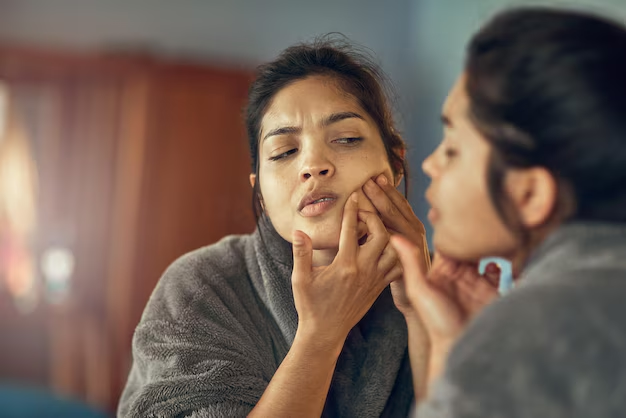
Winter skin care in Chennai – expert tips from Dr. Hanan Clinic to keep your skin healthy, hydrated, and glowing in dry weather
While Chennai’s winters are milder compared to northern India, the drop in humidity and cool breezes from November to February can still take a toll on your skin. Many people experience dryness, flakiness, itching, or even eczema flare-ups during this period. Even though we don’t get extreme cold, the shift in temperature, combined with indoor fans or air conditioning, can strip your skin of essential moisture.
At Dr. Hanan Dermatology Speciality and Trichology Clinic, we see a spike in skin dryness, pigmentation, and hair issues every winter. This guide combines dermatologist-backed insights, science-driven tips, and proven treatments to help you enjoy soft, hydrated, and glowing skin all season.
Even in tropical climates, seasonal changes affect skin function:
Over time, this leads to:
Switch from foaming cleansers to hydrating, pH-balanced cleansers that remove dirt without stripping natural oils. Look for ingredients like glycerin, ceramides, or hyaluronic acid.
Moisturizing is your best defense against dryness. Apply a dermatologist-recommended moisturizer right after cleansing, when skin is still damp. For face: use lightweight creams with hyaluronic acid, squalane, or niacinamide. For body: richer lotions or butters with shea butter or ceramides.
UV rays are present year-round in Chennai, and cloudy skies don’t block UVA damage. Use broad-spectrum SPF 30+ daily to prevent pigmentation and premature aging.
Over-exfoliation in winter can strip essential oils, worsening dryness. Use mild lactic acid or enzyme-based exfoliants once a week to remove dead skin without irritation.
A Hydrafacial deeply cleanses, exfoliates, and infuses hydrating serums – perfect for winter dullness.
Mild glycolic or lactic acid peels help improve skin texture and hydration while brightening the complexion.which can thin the skin and cause long-term damage.
Fractional and Q-switched lasers can address pigmentation, fine lines, and dull skin caused by seasonal changes.
A custom blend of vitamin C, niacinamide, and hyaluronic acid serums is infused into the skin for deep nourishment and glow.
It’s not just your skin that suffers—your scalp can also get dry, itchy, and flaky during winter.
Use thicker creams and avoid very hot showers.
Wear sunscreen daily and consider glutathione therapy for deeper brightening.
Apply petroleum jelly or lip balms with SPF
Winter in Chennai might not bring snow, but it still requires special care for your skin and hair. With the right dermatologist-guided routine and professional treatments, you can keep your skin hydrated, radiant, and healthy throughout the season.
For a personalized winter skin care plan, visit Dr. Hanan Dermatology Speciality and Trichology Clinic in Padur, OMR, Chennai.

Dr Hanan Dermatology Speciality clinic a Leading Dermatology, Cosmetology Clinic that provides the Best Affordable Treatment for Skin, Hair & Laser.
Our Contacts
Copyright © 2024 Dr Hanan Dermatology Speciality Clinic is Developed and Maintained by Qualpr | Privacy Policy | Terms and Conditions
Dr Hanan Dermatology Speciality Clinic
Typically replies within minutes
Any questions related to Skin, Hair, and Cosmetic or Looking to book an appointment?
WhatsApp Us
🟢 Online | Privacy policy
WhatsApp us