Learn how to protect hair from sun damage with easy tips, best products, and expert advice for healthy, shiny hair all summer long.

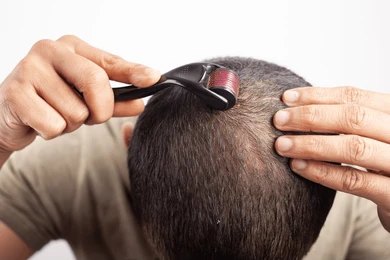
Dermaroller for hair growth boosts blood circulation and product absorption, but it can’t regrow hair on bald spots. Learn what really works.
Hair loss is a growing anxiety for both men and women, especially with the increasing levels of stress, pollution and lifestyle imbalance. In recent years, many people have moved to home-utilized devices such as dermarollers in the hope of promoting hair regrowth. But does it actually work to use a dermaroller for hair growth – especially for those who face baldness? In this blog, we will find out what dermarollers are, their actual benefits, and whether they can help in severe hair loss or baldness.
A dermaroller is a hand tool in one hand covered with dozens of small, medical-grade needles. When rolled across the skin or scalp, it creates micro-injuries that stimulate the body’s natural healing reaction. This process is known as microneedling and is widely used in dermatology to improve skin texture, reduce acne scars and stimulate collagen.
When used on the scalp, the purpose of microneedling with a dermaroller is to improve the blood circulation and awaken the inactive hair follicle, and increase the absorption of topical products such as minoxidil. The device is available in separate needle lengths, usually from 0.25 mm to 1.5 mm, and should always be used with proper guidance to avoid injury or infection.
Using a dermaroller on the scalp brings many possible benefits when it comes to addressing the early stages of hair thinning or shedding of hair:
Stimulates blood circulation: The microneedling process increases blood flow to the scalp, which improves the nutrients and oxygen supply to the hair follicles.
Increases absorption of Product: Topical treatments such as minoxidil or hair serum enters deep and more effectively when applied after dermarolling.
Activates inactive Follicles: For individuals experiencing early-phase hair thinning, microneedling can help “wake up” weak hair follicles and promotes regrowth.
Increases Collagen Production: This may improve scalp elasticity and overall skin health.
While dermarollers can be beneficial for stimulating hair regrowth in areas with thin or weak hair, it is important to understand their boundaries – especially in cases of baldness.
Dermarollers are not a cure for baldness. In advanced stages of hair loss (especially where the scalp is completely bald and hair follicles are no longer active), microneedling can’t restore the dead or lost hair. This is because dermarolling can only stimulate the existing hair follicles. If the follicle is dead or has been scarred due to Androgenetic alopecia or other chronic conditions, they cannot be revived with dermarolling alone.
For individuals experiencing baldness, hair transplant is the most reliable and permanent solution. While dermarollers can provide temporary support for hair health or as an addition to other treatments, they do not replace the success of a hair transplantation.
Hair transplant procedures such as FUE (Follicular Unit Extraction) include surgically relocating the healthy hair follicles from a part of the scalp to bald areas. Unlike dermarollers, Hair transplants provide visible and permanent results, especially when performed by experienced dermatologists at Dr. Hanan Dermatology Speciality and specialty and Trichology clinic in Chennai.
You may consider using a dermaroller if:
If you choose to try a dermaroller, keep these safety guidelines in mind:
In short, a dermaroller for hair growth can be a helpful tool for stimulating circulation and increasing product absorption, especially for people dealing with mild to moderate hair thinning. However, it is not an effective treatment for baldness, where the hair follicles are already inactive or absent.
For those seeking a more lasting and permanent solution to baldness, a hair transplant remains the most effective approach. At Dr. Hanan Dermatology Speciality and Trichology Clinic in Chennai, we offer expert consultation, diagnosis, and customized hair restoration plans—including transplants, PRP therapy, and more.
If you’re unsure about whether a dermaroller is right for you, schedule a consultation with our dermatology team. We’ll assess your hair loss stage and recommend a personalized treatment plan that truly works.
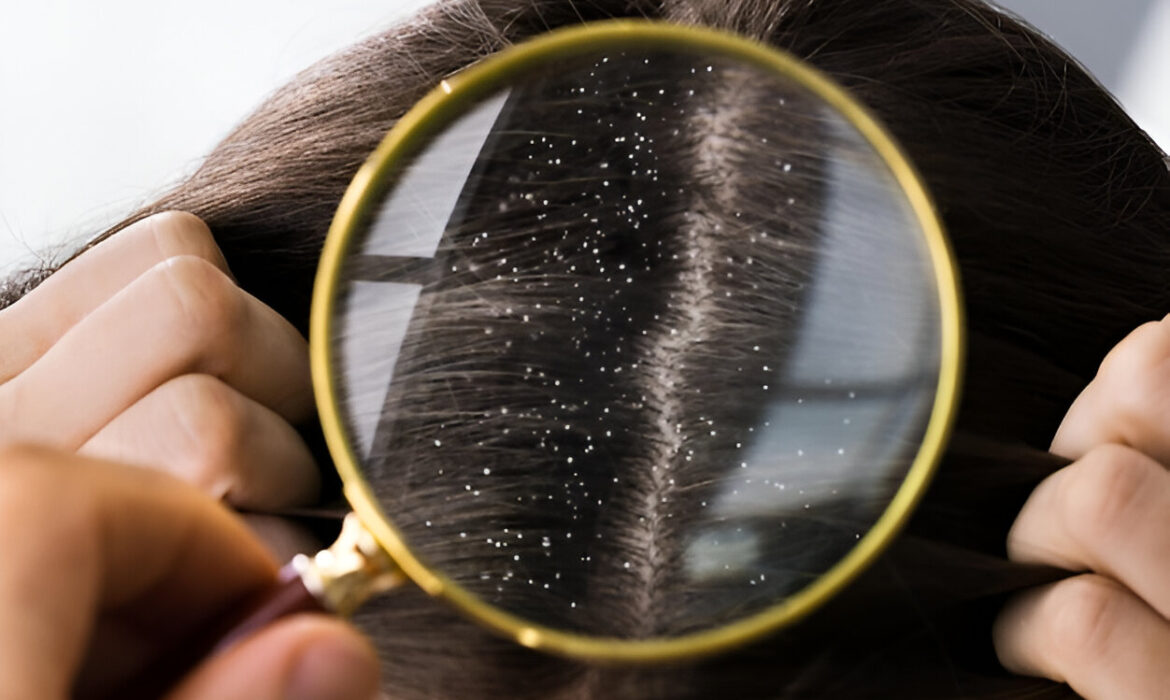
Find the best treatments for dandruff and itchy scalp from Chennai’s expert dermatologists at Dr. Hanan Clinic.
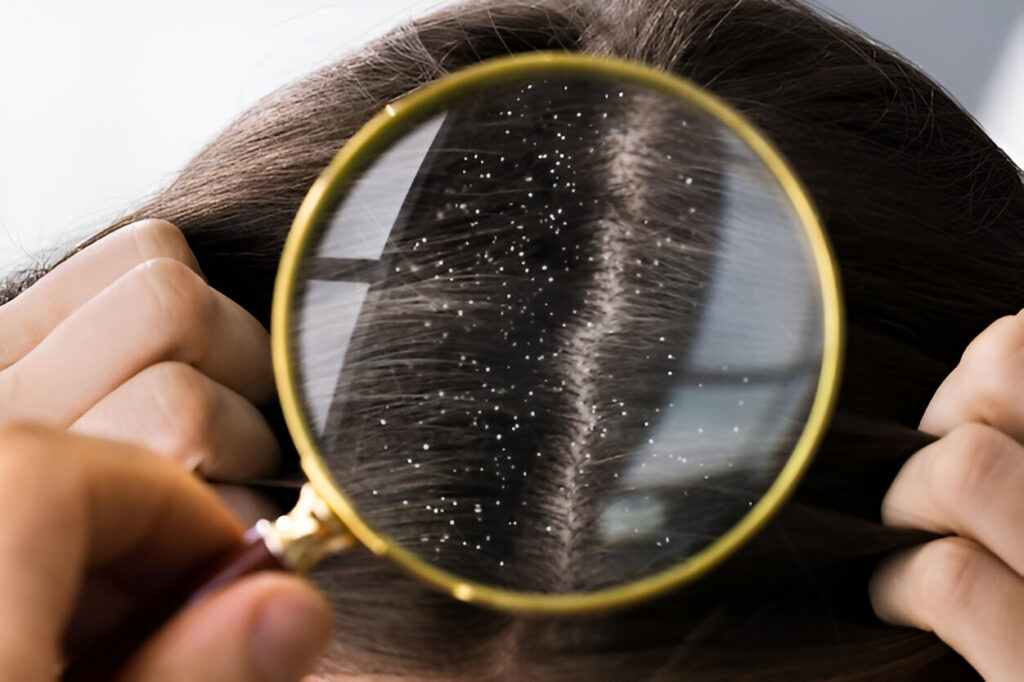
Dandruff and itchy scalp are two of the most common hair and scalp issues, affecting millions of people across all age groups. While they might seem like minor inconveniences, these conditions can lead to embarrassment, discomfort, and even hair loss if left untreated. At Dr. Hanan Dermatology Speciality and Trichology Clinic in Chennai, our dermatologists provide medically approved solutions that address the root cause of scalp problems—not just the symptoms.
This blog explains the best treatments for dandruff and itchy scalp, using a clinical, EEAT-backed approach to ensure you receive trustworthy, expert-backed advice for your hair and scalp health.
Dandruff is typically caused by one or a combination of the following:
At Dr. Hanan Clinic, we believe in customized, evidence-based treatment plans. Depending on your scalp type, the severity of your dandruff, and any underlying skin condition, our dermatologists may recommend:
Prescribed shampoos that contain:
These are often used 2–3 times a week, followed by a mild, hydrating conditioner.
In cases of moderate to severe seborrheic dermatitis or psoriasis, dermatologists may prescribe:
These help reduce inflammation and yeast overgrowth on the scalp.
Professional scalp exfoliation at our clinic can help remove:
This prepares the scalp to absorb treatment products more effectively and restores scalp balance.
For chronic inflammation or itchiness, LLLT can help by:
This is often used alongside medicated shampoos for long-term results.
We use digital trichoscopy to:
There is no “permanent” cure for dandruff, but it can be effectively managed with the right combination of:
Dandruff often recurs when treatment is stopped prematurely or when lifestyle factors are ignored.
Yes, indirectly. Severe dandruff and constant scratching may lead to:
While dandruff doesn’t cause baldness, chronic scalp inflammation can contribute to diffuse hair shedding or thinning, especially in individuals already prone to hair fall.
Some natural remedies offer mild relief, such as:
However, these are best used as supportive care and should not replace dermatologist-prescribed treatments for persistent cases.
Routine scalp checkups at our clinic can help monitor your progress and avoid recurrence.
If you’re struggling with persistent dandruff or scalp irritation, don’t rely on over-the-counter fixes. Consult with our dermatology team at Dr. Hanan Dermatology Speciality and Trichology Clinic for safe and lasting relief.
Healthy scalp. Healthier hair. It starts with expert care.
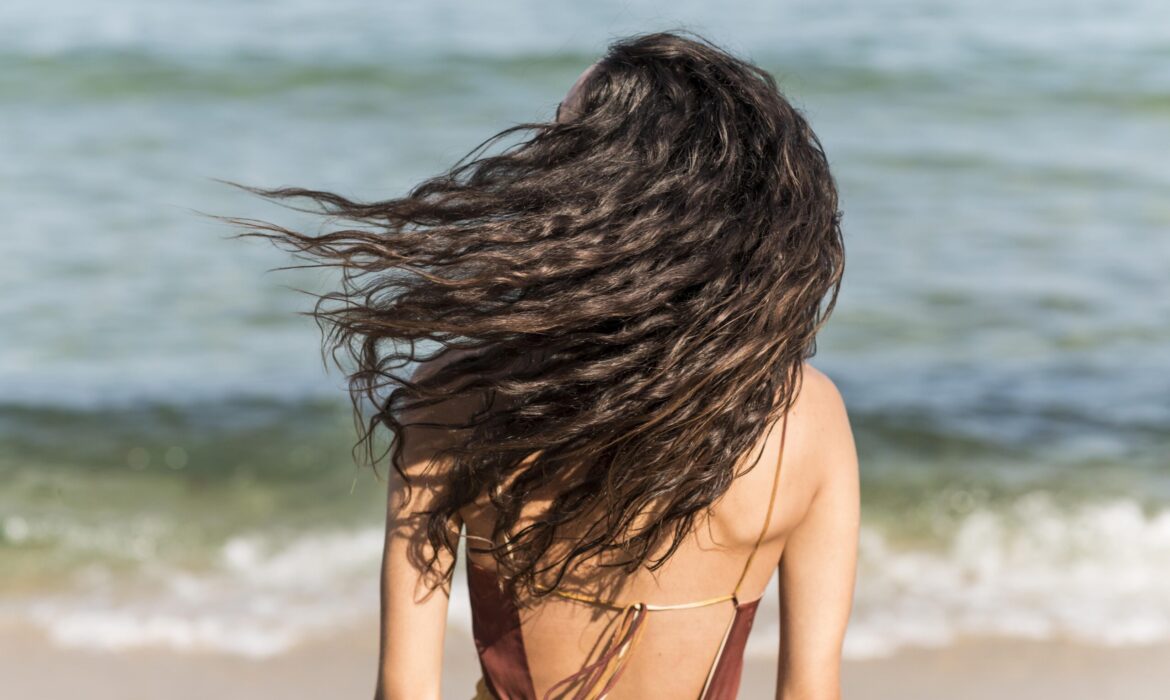
Learn how to protect hair from sun damage with easy tips, best products, and expert advice for healthy, shiny hair all summer long.

Your hair requires the protection of the sun like your skin. Prolonged contact for harmful UV rays may disappear in dryness, rupture and even hair color. In this blog, we will guide you through practical, dermatologist-discomfort tips on how to protect hair from sun damage, while also maintain a healthy, shiny mane all summer long
Like your skin, your hair and scalp are unsafe for the hard effects of the sun. There can be many types of hair issues in prolonged contact for UV radiation, especially during the summer months.
The sun’s UV rays degrade the keratin, makes the structural protein in the hair, weakened, brittle, and more prone to rupture.
Excessive sun exposure strips natural oils with its scalp and hair, causing dry, frizzy and unmanageable hair. This effect become worst when combined with humidity and saltwater or chlorinated pool.
Both natural and colorful hair can fade or replace the tone under the sun. UV rays oxidizes the hair pigment, leaving it dull and discolored especially in dyed or obtained hair.
Due to sun damage, the outer cutting layer weakens and lifts, resulting in rough texture, touch and divided ends.
If your hair is thin or participate in areas, your scalp is directly exposed to UV rays. It can cause redness, irritation, flaking, or even painful sunburn.3
A wide brimd hat or scarf serves as a physical barrier against UV rays. For the best results, choose tightly woven fabrics or UV-protection material.
Like sunscreen for your skin, certain leave-in conditioners and hair sprays provide UV protection for hair. Look for labels mentioning UV filters or SPF.
Hydration is important to fight the sun damage. Use a deep conditioning treatment or hair mask once a week to recover lost moisture and restore hair health.
Sun exposure plus heat styling tools can severely dry your hair. Reduce the use of blow dryers, curling iron and straighteners during the summer months.
Chlorine from the pool and salt water from the sea can increase the sun damage. Rinse your hair with clean water immediately after swimming to prevent buildup.
Drink lots of water and eat biotin, omega -3 fatty acids and antioxidants. It supports the growth of healthy hair and reduces damage from within.
1. Coconut Oil: creates a protective barrier and adds moisture. Apply a small amount before stepping into the sun.
2. Aloe Vera Gel:Soothes the scalp and repairs UV-induced dryness.
3. Green Tea Spray: Acts as a natural antioxidant-rich mist to protect your strands.
1. People with color-treated or chemically processed hair
2. Those with thin or fine hair
3. Anyone spending extended time outdoors (beachgoers, athletes, travelers)
4. Individuals with Scalp sensitivity or previous sunburn
1. Schedule regular trims to remove damaged loops
2. Option for loose hairstyles to prevent scalp exposure
3. Use satin or silk hair accessories to reduce friction and breakage
Sun exposure can seriously damage your hair, leading to dryness, breakage, and color fading. Simple steps like using UV-protectant products, wearing hats, and maintaining a healthy hair care routine can go a long way in keeping your hair strong and vibrant.
If you’re experiencing sun damage or want personalized hair care advice, visit Dr. Hanan Dermatology Speciality Clinic.
Our experts are here to help you restore and protect your hair with customized treatments. Book your appointment today!
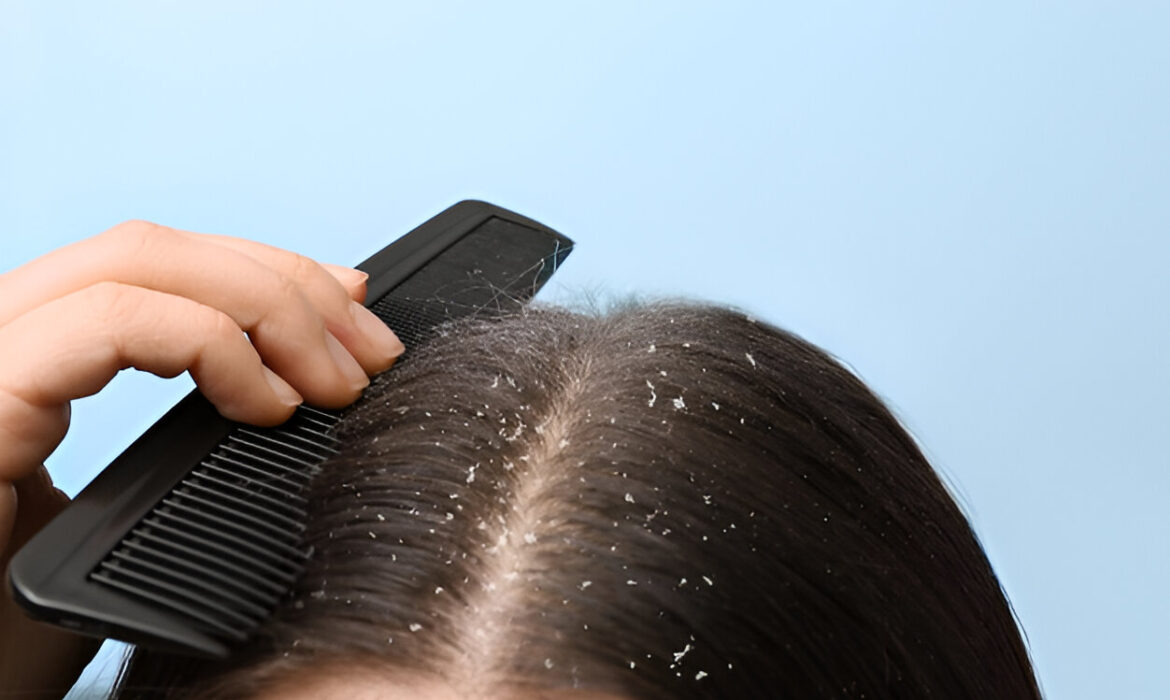
Struggling with flakes? Learn how to get rid of dandruff with proven treatments, home remedies, and scalp care tips for lasting relief.
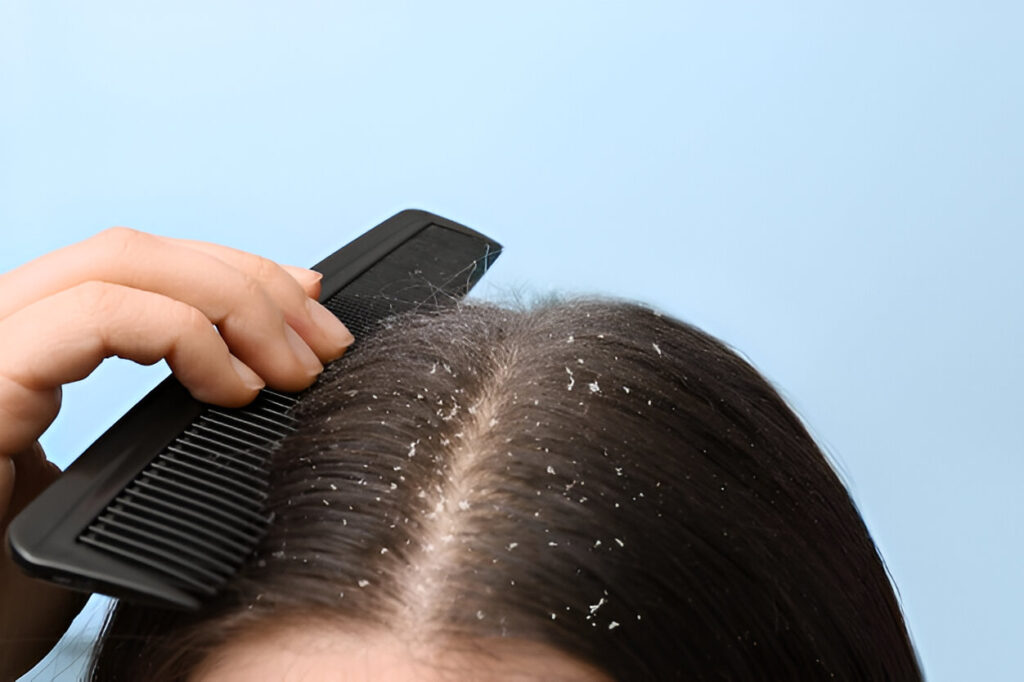
Dandruff is a scalp issue that affects millions of people worldwide. Whether it is mild flaking or frequent itching, dealing with dandruff can be disappointing. If you are searching to get rid of dandruff, this guide provides you with comprehensive suggestions, proven dandruff treatment, and prevention techniques to prevent conservatives for good.
Dandruff is the shedding of dead skin cells from the scalp, often itching, irritation and layer. Although it is not contagious or severe, it can be upsetting and can affect your self -esteem.
It is important to understand the cause of your dandruff to choose the right treatment. Common reasons include:
Dry scalp – small, white flakes and tightness
Seborrheic dermatitis – A irritated scalp with oily, red, yellow flakes
Fungal overgrowth – (Malassezia) – A natural yeast that multiplies in oily conditions
Sensitivity to hair products (contact dermatitis) – some shampoo or hair colors reaction
Hair washing Infrequently – Produces dead skin and oil
Using the best dandruff shampoo is often the first and most effective step in treating dandruff. See for this type of content:
Ketoconazole – antifungal remedies that deal with Malassezia
Zinc pyrithione – reduces yeast and bacteria
Coal Tar – Slows the shedding of skin cells
Salicylic acid – gently reduces exfoliate flakes and buildups
Selenium sulfide – fights fungi and controls oil production
Pro Tip: Rotate between 2 types of dandruff shampoo for maximum results.
If you are looking for natural methods to stop dandruff, then there are some home remedies that you can try:
Coconut oil
Moisturizes dry scalp
Has antifungal properties
Apple cider vinegar
The scalp balances the pH
Reduces fungal growth
Aloe vera
Reduce irritation
Promotes healing and hydration
Lemon juice
Natural astringent
Helps reduce oil and flakes
Apply these 1-2 times per week and monitor the results.
Wash hair regularly (2-3 times a week) to reduce oil and dead cells
Avoid rigorous chemical products harassing the scalp
Rinse well to prevent shampoo residue buildup
Massage your scalp while washing to promote circulation and remove debris
A healthy diet scalp plays a role in health. Include:
Zinc -rich foods: chickpeas, nuts, seeds
Vitamin B-complex: eggs, bananas, whole grains
Omega -3 fatty acids: fish, flaxseeds, walnuts
Probiotics: Curd, fermented Food for gut Health
These nutrients help regulate oil production and reduce inflammation.
Reduce stress: Stress weakens immunity and worsens dandruff
Stay hydrated: Drink 2-3 liters of water daily
Get enough sleep: Helps regulate hormonal changes
Avoid scratches: It can injure your scalp and worsen the flakes
If your dandruff medicated shampoos and home remedies remain despite using, it is time to consult a specialist. At, Dr. Hanan Dermatology Specialty and Trichology Clinic, we offer:
Personalized dandruff Treatment plans
Scalp analysis using advanced technology
Combination therapy (shampoo, medicine, PRP if necessary)
Long-term solution with expert consulting
Our dermatologists are trained to identify the root cause and recommend the most effective treatments to suit your hair and scalp.
Experienced dermatologists and trichologists
Evidence-based scalp care protocols
Over 800+ positive Google reviews
State-of-the-art treatment technology
Located in Padur, Chennai for easy access
We don’t just treat dandruff—we work toward restoring your scalp’s health permanently.
Still, I was thinking how to get rid of dandruff? The secret lies in understanding the root cause and continuously implementing the correct dandruff treatment. Whether it is a mild case or an old issue, there is always a solution. Try medicated shampoo, nourish your scalp with natural remedies, follow a scalp-healthy lifestyle, and if necessary, get expert aid from our clinic in Chennai.
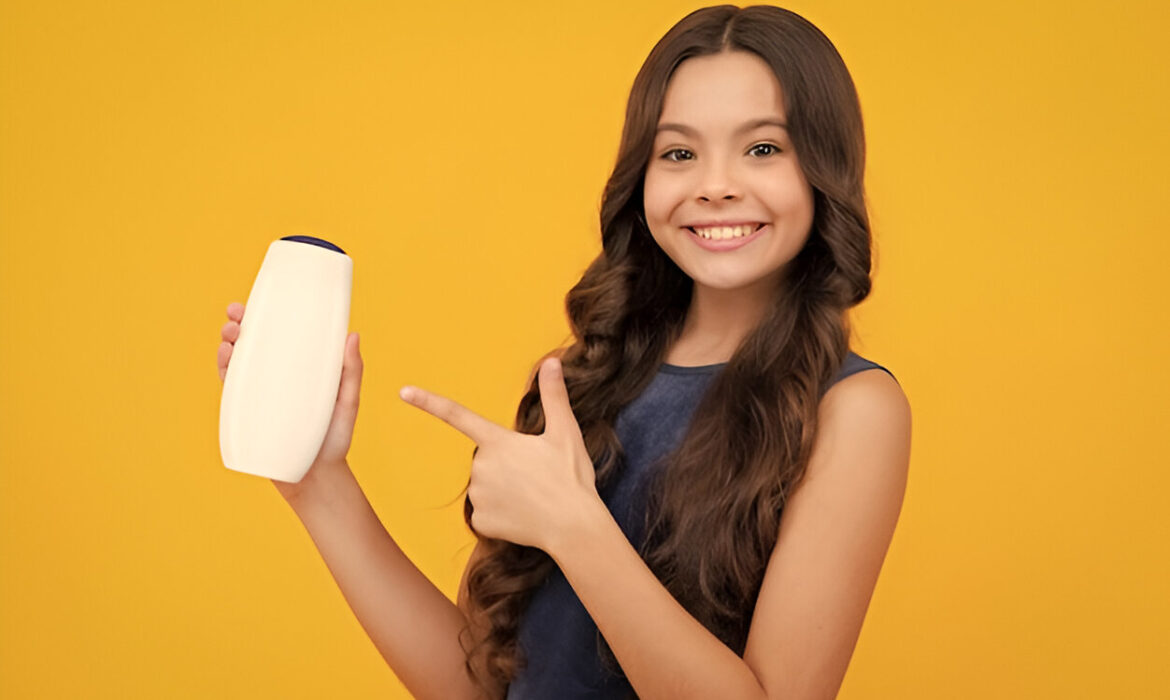
Confused about choosing the right shampoo? Discover how to choose the right shampoo for your hair type, scalp, and concerns with expert guidance from Dr. Hanan Clinic

Finding the perfect shampoo isn’t just about picking the bottle that smells the best or is trending online. Your shampoo can make or break your hair health, and yet most people overlook this essential part of their hair care routine. If you’re wondering How to choose the best shampoo for hair loss, you’re not alone — and you’ve come to the right place.
At Dr. Hanan Dermatology Speciality and Trichology Clinic, we treat hundreds of patients who face hair fall, dullness, dryness, dandruff, or thinning hair — often because they’re using the wrong shampoo. This guide will help you understand exactly how to choose the right shampoo for your hair type, scalp condition, and lifestyle.
Your shampoo is the foundation of your hair care routine. Need a good shampoo:
On the other hand, the wrong shampoo can:
So understanding how to choose right shampoo is a must — whether you’re experiencing specific hair issues or simply want healthier locks.
Many people buy shampoo based on hair texture – curly, straight, wavy, etc. But shampoos mainly target your scalp, not your varieties. So the first step in choosing the right shampoo is understanding your scalp type.
An oily scalp tends to produce excess sebum, making your hair look greasy soon after washing.
What to choose:
Avoid:
Pro tip: Avoid washing too frequently — it can trigger more oil production.
A dry scalp may feel tight, itchy or flashed. It is often confused with dandruff, but is usually caused by lack of moisture.
What to choose:
Avoid:
Pro tip: Use lukewarm water instead of hot water to retain natural oils.
A normal scalp is neither too oily nor too dry — it’s balanced and healthy.
What to choose:
Avoid:
Pro tip: Even with a normal scalp, seasonal changes can affect oil production.
Once you find out the type of your scalp, it is time to see your hair shaft – its texture, thickness and density. The type of shampoo you need on the basis of these factors will be different.
Fine hair strands are thinner and more delicate. They’re prone to breakage and can look limp easily.
What to choose:
Avoid:
Pro tip: Use a clarifying shampoo once a week to remove buildup.
Thicker hair strands need more moisture to stay manageable and frizz-free.
What to choose:
Avoid:
Pro tip: Pair your shampoo with a deep conditioner for best results.
What to choose:
Avoid:
Another key to learning how to choose the right shampoo for your hair is matching it with your specific hair issues.
Hair fall can be caused by genetics, hormones, stress, or product misuse.
What to choose:
Avoid:
Pro tip: A proper scalp diagnosis at a trichology clinic is the best first step.
Caused by fungal overgrowth or dryness, dandruff requires targeted treatment.
What to choose:
Avoid:
Pro tip: Follow the treatment shampoo with a moisturizing conditioner to avoid drying the lengths.
Dyed or chemically treated hair is fragile and prone to color fading.
What to choose:
Avoid:
Pro tip: Limit shampooing to 2–3 times a week to preserve color vibrancy.
Product labels can be confusing. Here’s how to simplify your choice:
Pro tip: Look for “dermatologically tested” or “clinically approved” on labels for better scalp safety.
Even if a shampoo looks perfect on paper, your scalp may react to certain ingredients.
Pro tip: This is especially important if you have eczema, psoriasis, or allergies.
Choosing a shampoo involves multiple layers — scalp type, hair texture, ingredients, and goals. If you’re overwhelmed or facing hair loss, consult a trichologist for a personalized plan.
At Dr. Hanan Dermatology Speciality and Trichology Clinic, we provide:
Now that you know how to choose right shampoo and how to match it to your scalp and hair type, you can say goodbye to bad hair days. The right shampoo:
Don’t fall for viral trends — your hair deserves what’s truly right for it. And if you’re unsure, we’re here to help.
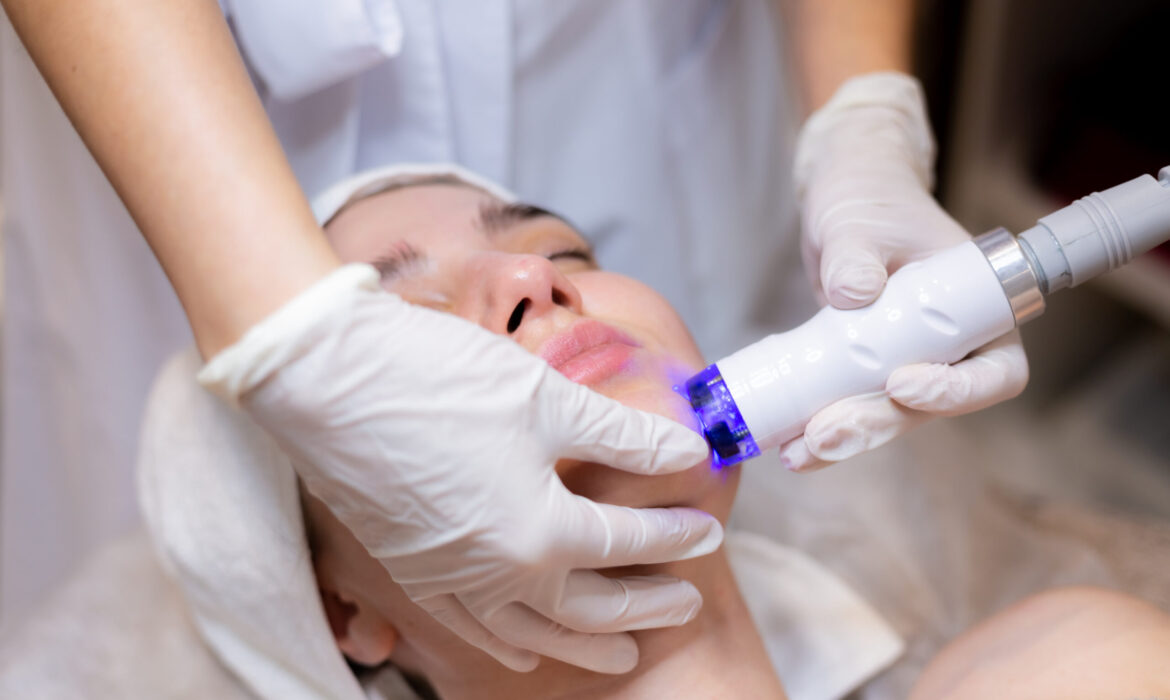
Wondering if laser treatment for scars works? Explore its benefits, how it reduces scars, and what to expect during recovery
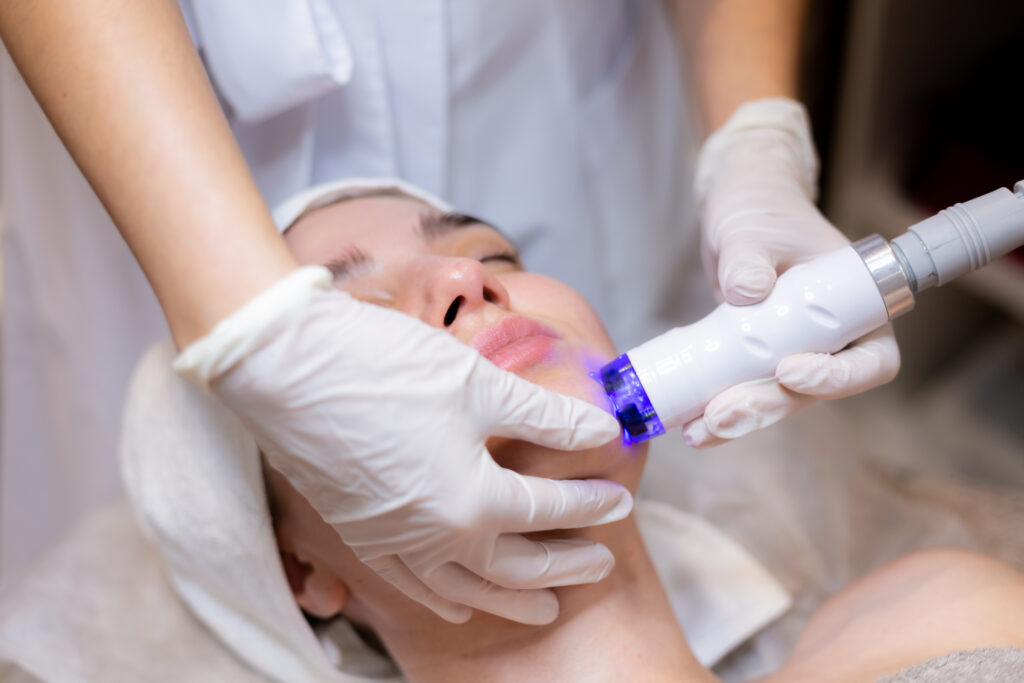
The scars are a natural part of the skin treatment process, but for many people, they can be a source of emotional crisis and self-consciousness. Whether acne, surgery, irritation, or injuries, scars can affect both appearance and confidence. With advancement in dermatology and laser technology, laser treatment for scars has emerged as a highly effective and safe solution to reduce their appearance and restore smooth, healthy skin.
The results of laser treatment for scars are progressive. Improvements usually appear after a few sessions, with full results appear several months after the final treatment. Patients often report enhanced skin tone, reduced the depth of the scar and smoother texture.
At Dr. Hanan Dermatology Specialty and Trichology Clinic, Laser Scar revision is one of our most sought -demanded procedures. Our dermatologists use advanced techniques to treat all types of scars-from acne scar to hypertrophic and keloid scars-resulting visible, long-term results. This blog examines all things that you need to learn about laser treatment for scars, including how it works, what is involved in this process, the results you can expect, and why it is considered as the gold standard in scar reduction.
Laser therapy for scars is not a size-fit-all solution. There are different types of laser, targeting the type of specific layers and scar tissue of skin. The most common types of lasers used include:
These include CO2 and ER: YAG laser. They work by removing the top layers of damaged skin, allowing new, smoother skin to form.
These include fractional laser and pulsed dye laser. They heat deep layers of the skin without removing the surface, stimulate collagen production and improve the skin texture over time.
The effectiveness of laser treatment depends on various factors, including the type of scar, skin type, scar location, and age of scars.
When you come in for a consultation at Dr. Hanan Dermatology speciality and Trichology clinic, the procedure begins with a detailed skin evaluation. Our dermatologists evaluate the characteristics of the scar – such as depth, shape, color and texture- and select the appropriate laser method. Skin type is also an important consideration, especially for people with dark skin tones.
Laser scar removal usually requires several sessions to achieve the best results. Depending on the severity of the scar and laser used, most patients undergo between three to six sessions spaced several weeks apart.
One of the most common concerns is whether laser treatment for scars is painful. While some discomfort can be experienced – often described as a flash sensation – it is generally well tolerated. Topical numbing creams are applied before the process.
Laser scars treatment downtime depend on the type of laser used for the treatment.
The results of laser treatment for scars are progressive. Improvements usually appear after a few sessions, with full results appear several months after the final treatment. Patients often report enhanced skin tone, reduced the depth of the scar and smoother texture.
Laser scar revision is considered safe for most individuals. However, it cannot be suitable for:
While laser treatments are generally safe, some possible side effects include:
At Dr. Hanan Clinic, we follow strict security protocols to suit your skin type and sensitivity.
Laser therapy is effective for various scar types:
Today’s laser, such as fractional CO2, provide better results with less downtime. The combination of laser therapy with PRP or Microneedling with exosomes further increases collagen production and healing.
Laser treatment is becoming popular among young adults with early acne scars and older individuals with long-standing marks. Early intervention often gives better results, but even older scars can improve with treatment.
We emphasize a comprehensive plan:
We emphasize a comprehensive plan:
Laser treatment for scars is a scientifically proven method to significantly reduce the appearance. Although it cannot completely erase the scar, it improves the texture and confidence a lot. Personalized care, expert execution, and follow -ups are key to success.
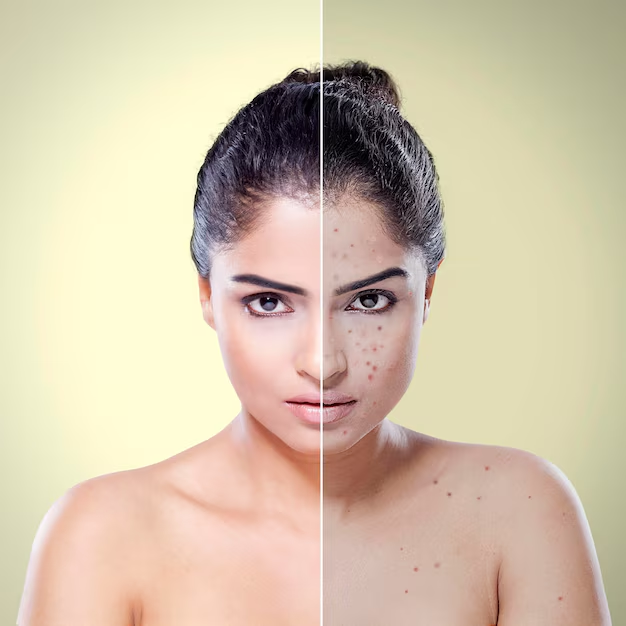
Get expert tips on dark spot removal and prevention from Dr. Hanan Dermatology Clinic, Chennai for brighter, even-toned skin
Dark spots, also called hyperpigmentation, are one of the most common skin concerns we see at Dr. Hanan Dermatology Speciality and Trichology Clinic in Chennai. They appear when melanin production increases in certain areas, leaving behind patches of discoloration.
While there are countless creams, DIY hacks, and viral skincare trends claiming to remove dark spots overnight, the truth is—many of them don’t work or can even make pigmentation worse.
In this blog, we break down what really works for dark spot removal, what’s a waste of time, and how to choose the safest treatment for your skin type.
Before discussing treatments, it’s important to understand why dark spots form. Common causes include:
Pro Tip: Identifying the cause is key—treating pigmentation without addressing the root cause often leads to recurrence.
Here’s what dermatologists in Chennai recommend based on science and clinical results.
Chemical peels use controlled exfoliation with ingredients like glycolic acid, salicylic acid, or TCA to remove damaged skin layers and reveal fresher, evenly toned skin.
Learn more: Chemical Peels in Chennai: Benefits & Cost
Q-switched Nd:YAG lasers and Fractional CO2 lasers target melanin deposits directly, breaking them into tiny particles that fade naturally over time.
Related treatment: Laser Skin Resurfacing in Chennai
Dermatologists may prescribe hydroquinone, azelaic acid, retinoids, or vitamin C serums for gradual pigmentation reduction.
Microneedling creates micro-injuries to boost collagen and improve skin turnover. When combined with PRP (Platelet-Rich Plasma) or exosomes, it delivers brightening agents deeper into the skin.
Learn more: Microneedling with PRP in Chennai
IV glutathione therapy is an antioxidant-based treatment that helps reduce melanin production and promotes overall skin clarity.
Read this: Benefits of Glutathione for Skin & Health
While some at-home remedies can improve mild pigmentation, many are ineffective or harmful.
While lemon juice contains vitamin C, it can irritate skin, cause burns, and worsen pigmentation when exposed to sunlight.
These often contain unsafe levels of hydroquinone or steroids, which can thin the skin and cause long-term damage.
Social media trends like using toothpaste, baking soda, or raw turmeric pastes for pigmentation lack scientific backing and can cause allergic reactions.
Any product or clinic promising instant dark spot removal without downtime is likely offering false claims. Pigmentation treatment takes time, consistency, and the right approach.
Prevention is as important as treatment.
If your dark spots are spreading, changing in size/shape, or not improving with over-the-counter products, book a consultation. At Dr. Hanan Clinic, we use skin analysis tools to customize your treatment plan and ensure safe, lasting results.
Dark spot removal is not about quick fixes—it’s about safe, targeted treatments that address the root cause. At Dr. Hanan Dermatology Speciality and Trichology Clinic, we combine medical expertise with proven technologies to help you achieve clear, even-toned, and radiant skin.

Dr Hanan Dermatology Speciality clinic a Leading Dermatology, Cosmetology Clinic that provides the Best Affordable Treatment for Skin, Hair & Laser.
Our Contacts
Copyright © 2024 Dr Hanan Dermatology Speciality Clinic is Developed and Maintained by Qualpr | Privacy Policy | Terms and Conditions
Dr Hanan Dermatology Speciality Clinic
Typically replies within minutes
Any questions related to Skin, Hair, and Cosmetic or Looking to book an appointment?
WhatsApp Us
🟢 Online | Privacy policy
WhatsApp us