Learn the truth behind hair transplant myth and facts. Get expert insights from Dr. Hanan Clinic to make confident, informed hair choices.
Grafts Hair Transplant Cost – Dr. Hanan Dermatology Speciality Clinic, Chennai
Discover the top questions to ask before your hair transplant in Chennai. Ensure safe procedures, natural results, and long-term success with Dr. Hanan Dermatology Clinic.

Grafts Hair Transplant Cost: Are you struggling with hair loss and considering a hair transplant? Understanding the cost per graft is essential before planning your hair restoration journey. At Dr. Hanan Dermatology Speciality Clinic, Chennai’s leading dermatology and hair clinic, we provide advanced FUE, DHI, and Sapphire hair transplant procedures that deliver natural results at affordable and transparent costs.
What is a Hair Graft?
A hair graft is a small bundle of hair follicles transplanted from the donor area (usually the back or sides of the scalp) to the thinning or balding areas. Each graft may contain 1–4 hairs, depending on hair density and the type of transplant procedure.
Different techniques like FUE (Follicular Unit Extraction) and FUT (Follicular Unit Transplantation) determine the number of grafts required and influence the total cost. Knowing the graft count helps in planning your hair restoration and estimating the budget accurately.
How Hair Transplant Cost is Calculated
The hair transplant cost per graft varies based on multiple factors:
Number of grafts required – More grafts increase total cost.
Type of procedure – FUE, DHI, Sapphire FUE, and robotic methods differ in pricing.
Clinic reputation & location – Premium clinics with advanced technology may charge slightly higher.
Surgeon experience – Experienced dermatologists like Dr. Hanan Basith, MD (DVL), FFAM ensure high-quality results.
Additional procedures – PRP therapy, scalp preparation, or anesthesia may add to the cost.
Example Cost Estimate for Reference:
| Number of Grafts | Approx. Cost (INR) |
|---|---|
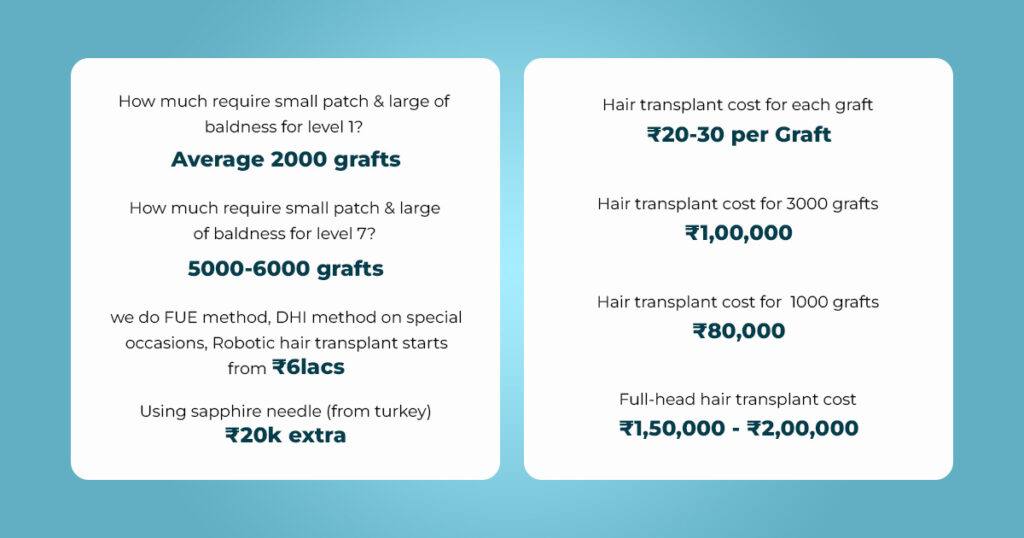
| 1000 grafts | ₹40,000 – ₹80,000 |
| 2000 grafts | ₹80,000 – ₹1,60,000 |
| 3000 grafts | ₹1,20,000 – ₹2,40,000 |
Note: Costs vary depending on the hair density, procedure type, and patient requirements.
Cost per Graft – India & Global Trends
In India, hair transplant costs generally range from ₹20 to ₹100 per graft, depending on the clinic, city, and technique. Compared to global prices, India offers highly competitive rates without compromising quality. For example:
UAE: ₹80–₹200 per graft
US & UK: ₹150–₹400 per graft
This makes India a preferred destination for affordable yet premium hair transplant procedures.
Factors Influencing the Total Graft Requirement
The total number of grafts required depends on:
Age & pattern of hair loss – Younger patients may need fewer grafts initially.
Donor hair availability – Healthy hair in the donor area is crucial for good results.
Desired hair density – Higher density requires more grafts.
Hair quality & texture – Coarse hair covers more area with fewer grafts.
A consultation with Dr. Hanan helps determine your exact graft requirement and cost estimate.
Tips to Reduce Hair Transplant Costs
While it’s important not to compromise on quality, some ways to manage costs include:
Choosing FUE or FUT based on hair loss pattern.
Availing clinic packages that combine consultation, transplant, and post-procedure care.
Booking early consultations for special discounts or financing options.
Avoiding extremely cheap clinics that may compromise results.
At Dr. Hanan Clinic, we provide affordable hair transplant packages without sacrificing quality or safety.
Risks of Choosing Cheap Hair Transplants
Hair transplant is a surgical procedure, and going for extremely low-cost options can lead to:
Unnatural hairlines
Scarring and poor graft survival
Complications and infections
Multiple redo surgeries, increasing long-term costs
Choosing a certified clinic with experienced dermatologists ensures safe and natural-looking results.
Before & After Hair Transplant Results
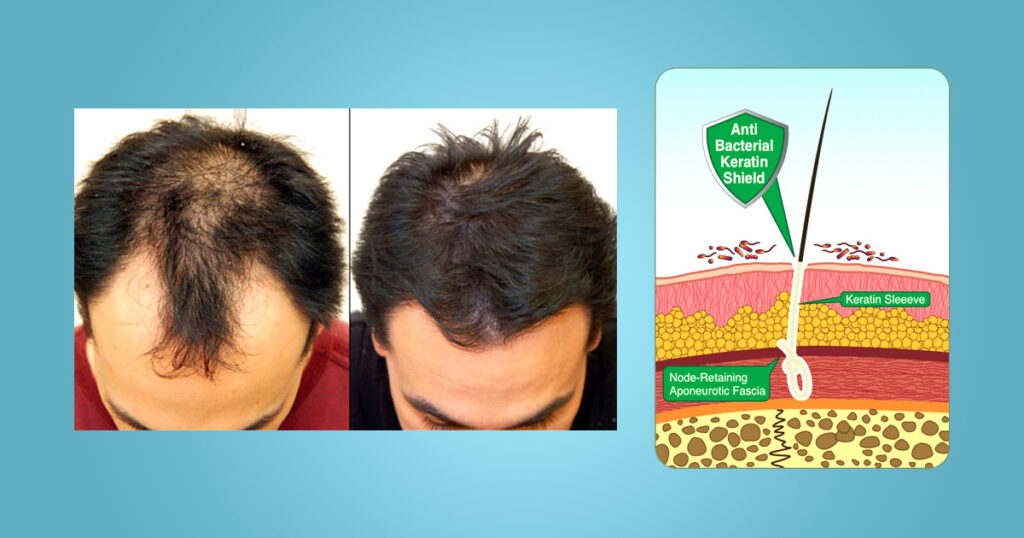
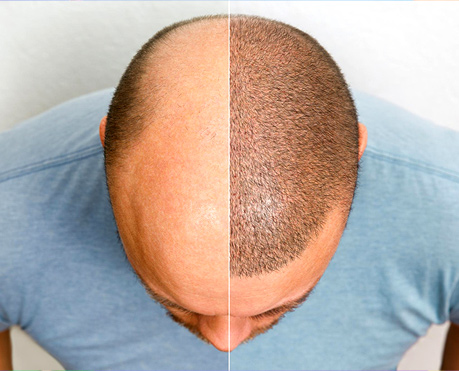
At Dr. Hanan Dermatology Speciality Clinic, we share real patient transformations with natural hair density and no visible scarring. Recovery typically takes 7–14 days, with new hair growth visible after 3–6 months and full results in 9–12 months.
FAQs
Q1. What is the cost of hair transplant per graft in Chennai?
A: At Dr. Hanan Dermatology Speciality Clinic, the cost per graft typically ranges from ₹20 to ₹100, depending on the procedure type (FUE, DHI, Sapphire FUE), number of grafts, and complexity of the case.
Q2. How many grafts do I need for a full hair transplant?
A: The number of grafts varies based on hair loss severity and desired density. Most patients need 2000–4000 grafts for full scalp coverage, while smaller areas may require 1000–1500 grafts. A consultation is necessary to determine your exact requirement.
Q3. Does hair transplant cost vary with technique?
A: Yes. FUE, DHI, Sapphire FUE, and robotic hair transplant procedures differ in cost due to their precision, technology, and recovery benefits. Dr. Hanan Clinic provides a personalized cost estimate after assessment.
Q4. Is hair transplant at Dr. Hanan Clinic worth the cost?
A: Absolutely. Dr. Hanan Dermatology Speciality Clinic combines experienced dermatologists, advanced technology, and safe procedures to deliver natural and long-lasting results, making it a trusted choice in Chennai.
Q5. Are there any hidden costs in hair transplant procedures?
A: No. Our clinic provides transparent pricing including consultation, procedure, post-care, and follow-ups. Optional add-ons like PRP therapy or scalp treatments may be quoted separately.
Q6. How long does it take to see results after hair transplant?
A: Initial hair growth is visible after 3–6 months, with full results appearing in 9–12 months. Recovery from the procedure is usually quick, with minimal downtime.
Q7. Is hair transplant painful?
A: Hair transplant procedures are performed under local anesthesia, ensuring minimal discomfort during surgery. Post-procedure soreness is mild and manageable.
Q8. Can hair transplant cost be covered by insurance?
A: Hair transplant is considered a cosmetic procedure, so it is typically not covered by insurance. However, we offer affordable packages and financing options to suit different budgets.
Q9. How do I choose the right number of grafts for my transplant?
A: The ideal number of grafts depends on hair loss pattern, donor hair availability, and your desired hair density. Dr. Hanan will assess your scalp and recommend the optimal graft count during your consultation.
Q10. Can results from a hair transplant last a lifetime?
A: Yes. Hair transplanted from the donor area is permanent, but natural hair loss may continue in non-transplanted areas. Follow-up treatments or PRP therapy can help maintain long-term results.
Book Your Consultation Today!
For Personalised Treatment visit Dr. Hanan Clinic. Feel confident and proud with our expert care.
Table of Contents
Top Questions to Ask Before Getting a Hair Transplant in Chennai
Top Questions to Ask Before Getting a Hair Transplant in Chennai – Learn what to ask your doctor to ensure a safe procedure, natural results, and long-term success.

Hair loss can be emotionally draining, but a hair transplant provides a promising and permanent solution. However, it is important to choose the right clinic and approach – especially in a city like Chennai, where there are more options but not all equal .
Whether you are just starting your research or ready to book a consultation, asking the right question is the key to success. Dr. Hanan Dermatology Specialty and Trichology Clinic helps you highlight the top questions to ask before you get a hair transplant in Chennai – so you invest wisely in your look, confidence and security.
Am I the Right Candidate for a Hair Transplant?
Not every person who experiences hair loss is not a suitable candidate for transplantation. Success depends on hair loss, available donor area and type of underlying health conditions.
Ask Your Doctor:
- What type of hair loss do I have – genetic, autoimmune, hormonal or nutritional?
- Do I have enough donor hair?
- Can my current situation be treated first with medication or PRP?
- Is my hair fall stable or is it still progressing?
Why it matters:Choosing a transplant before understanding your type of hair loss can lead to poor results or wasted money.
Which Technique Will Be Used: FUE or FUT?
Hair transplants are done using two main techniques:
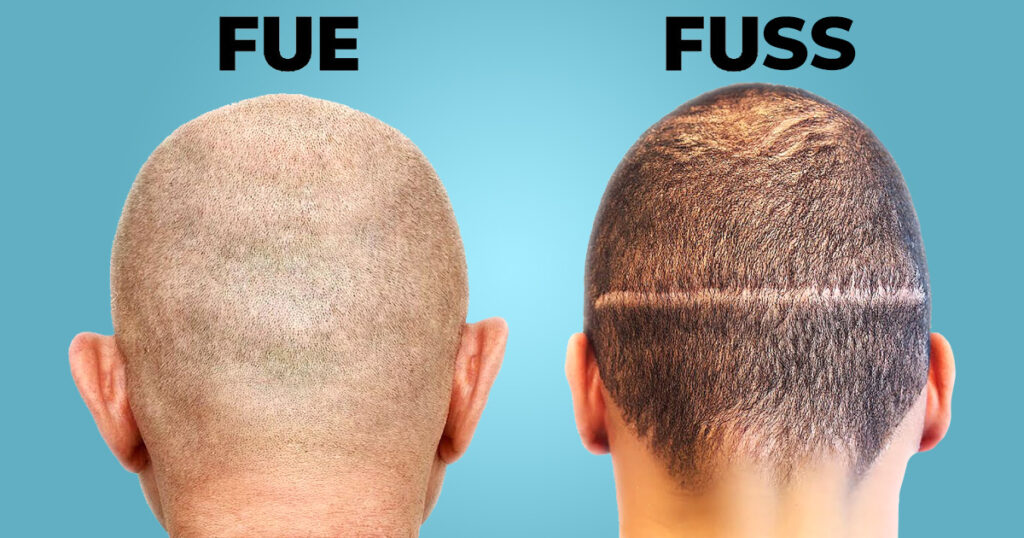
- FUE (Follicular Unit Extraction): Individual follicles are extracted and implanted. Leaves no linear scar.
- FUT (Follicular Unit Transplantation): A strip of skin is removed; typically used when more grafts are needed.
Ask:
- Which method is right for my scalp and hair type?
- How many grafts do I need for natural density?
- Will the scar be visible (if any)?
Why it matters: Each method has pros and cons. Your doctor must tailor the approach to your hair pattern and aesthetic goals.
Who Will Perform the Procedure?
In Chennai, many clinics allow procedures to technicians or unqualified employees, which can compromise your results and safety.
Ask:
- Will a certified dermatologist or trichologist perform the transplant?
- How many years of experience do they have?
- Can I see before-after photos or reviews from previous patients?
Why it matters: You need someone with medical knowledge + aesthetic sense to deliver safe and natural-looking results.
How Much Does a Hair Transplant Cost in Chennai?
Cost is a major concern, but don’t fall for the lowest price tag.
Ask:
- Is the price based on grafts or a flat rate?
- Does the cost include consultation, procedure, anesthesia, medications, and aftercare?
- Are there any hidden fees?
- Is EMI available?
Why it matters: A transparent pricing structure ensures you know exactly what you’re paying for—without surprises.
What Kind of Results Can I Expect?
It’s important to manage your expectations. Some clinics may overpromise density or instant results, which is misleading.
Ask:
- What’s the realistic timeline for hair regrowth?
- Will my hairline look natural?
- How many sessions will I need?
- Can I expect full coverage or partial improvement?
Why it matters: Your hair will grow gradually—usually starting at 3 months, with full results around 9–12 months.
How Safe Is the Procedure?
A hair transplant is generally safe, but only when performed in a sterile, certified environment.
Ask:
- What safety protocols does your clinic follow?
- What are the potential risks or complications?
- Are the tools and instruments single-use and sterilized?
- Do you have an emergency response team?
- ated hair is fragile and prone to color fading.
Why it matters: Complications like infections, scarring, or poor graft survival happen mostly due to poor hygiene or improper technique.
What Is the Recovery Time?
Many patients worry about when they can return to work, travel, or exercise.
Ask:
- When can I resume normal activities?
- What post-care is required?
- When will the scabs fall off?
- Are follow-up visits mandatory?
Why it matters: Understanding the downtime and healing helps you plan your schedule and aftercare correctly.
Will My Transplanted Hair Fall Out?
Yes—but don’t panic! This is a normal part of the hair growth cycle called “shock loss.”
Ask:
- When will the shedding phase happen?
- When will I start seeing permanent growth?
- Will all the transplanted hair grow back?
Why it matters: Many patients worry after seeing hair fall again post-surgery, but informed expectations prevent fear and frustration.
What About My Existing Hair?
A transplant doesn’t prevent further loss of non-transplanted hair. That’s why a combined approach often gives the best results.
Ask:
- Will my natural hair continue thinning?
- Do I need to take Minoxidil or Finasteride after the transplant?
- Is PRP recommended as a follow-up?
Why it matters: Treating the entire scalp—not just the bald spots—ensures long-term results.
How Do I Choose the Right Clinic in Chennai?
Here’s where the decision really counts. Chennai has many clinics offering “discount” transplants. But the right clinic isn’t just about affordability—it’s about credibility, hygiene, and expertise.
Ask:
- Is the clinic certified and dermatology-led?
- What do reviews say? Do they have over 500–800+ Google ratings?
- Are consultations personalized and science-based?
- Do they offer complete support from pre-care to aftercare?
Why it matters: Your choice of clinic affects not just your looks—but your health and safety, too.
Bonus Questions to Consider
If you still have doubts, ask these during your consultation:
- What if I don’t get the results I expected—do you offer a corrective plan?
- Do you document graft survival rates?
- Is there a contact number in case I face post-op issues?
- Will shaving be required for the procedure?
Why Patients in Chennai Choose Dr. Hanan Dermatology Clinic
At Dr. Hanan Dermatology Speciality and Trichology Clinic, Chennai, we answer all these questions—and more—with honesty and clarity
Here’s why we’re among the top-rated hair transplant clinics in Chennai:
- 880+ happy patient reviews
- FUE, PRP, Microneedling & Exosome therapies under one roof
- Transparent pricing & consultation
- Certified dermatologists, not technicians
- Natural-looking hairlines designed to suit your face
- Infection-free procedures in sterile setups
Conclusion
Asking the right questions before your hair transplant in Chennai helps you:
- Understand the procedure
- Set realistic goals
- Choose the right clinic
- Ensure safety and results
So don’t be afraid to ask, compare, and consult more than once. The more informed you are, the more successful your hair restoration journey will be.
Book Your Consultation Today!
For Personalised Treatment visit Dr. Hanan Clinic. Feel confident and proud with our expert care.
Table of Contents
Hair Transplant Myth and Facts: Dr. Hanan Clinic

Hair loss can affect confidence, and for many people, a hair transplant becomes the most promising solution. But when it comes to hair transplant procedures, there is a lot of confusion. From social media rumors to old beliefs, many people fall prey to misinformation – and this can prevent them from taking the right decisions.
Dr. Hanan Dermatology Specialty and Trichology Clinic in Chennai, we believe in educating our patients so that they can make informed choices. This blog clears the most common hair transplant myths and facts, which spotlights the truth from fiction once and for all.
Myth 1: Hair Transplant Gives Instant Results
Facts: Hair growth after a transplant is a gradual process.
After a successful hair transplant, most people begin to see the growth of new hair post-procedure after 3-4 months. Full results can take 9–12 months depending on individual factors. Do not expect changes overnight – patience is key.
Myth 2: Hair Transplant Works for Everyone
Fact: Not everyone is a candidate for a hair transplant.
A hair transplantation requires healthy donor hair (usually behind the scalp or from the edges). If you have extensive baldness, poor donor density, or some medical conditions, you may not be eligible. Consultation with a qualified trichologist or dermatologist is necessary
Myth 3: Transplanted Hair Will Eventually Fall Out Again
Fact: Transplanted hair is permanent and typically doesn’t fall out.
The hair used in transplants comes from resistant areas which are genetically resistant to balding. Once transplanted, this hair usually maintains its resistance and grows like normal hair. However, your existing non-transplanted hair may still be thinner over time if not managed.
Myth 4: Hair Transplants Are Painful and Risky
Fact: Modern techniques make it a safe and minimally painful procedure.
Most patients experience minimal discomfort during and after the procedure, with advanced methods such as FUE (Follicular Unit Extraction) and FUT (Follicular Unit Transplantation). Local anesthesia is used, and recovery time is usually short. When performed by experienced professionals, it is extremely safe.
Myth 5: Only Men Can Get Hair Transplants
Fact: Women can also benefit from hair transplant procedures.
While male pattern baldness is more common, women also experience hair thinning, especially with part line or crown. Hair transplants for women are rapidly popular and highly effective when properly done.
Myth 6: Hair Transplants Look Fake
Fact: Modern hair transplants deliver natural-looking results.
Gone are the days of “Pluggy” hairlines. Today’s advanced procedures include accurate placements of individual hair, mimicking the growth pattern of your natural hair. At Dr. Hanan Dermatology Speciality and Trichology clinic, we ensure results that mix basically with your existing hair.
Myth 7: It's Better to Get a Transplant Abroad
Fact: Quality treatment is available right here in India.
Many believe that foreign travel guarantees better results, but it is no longer true. Leading dermatology clinics in India, like us, offer affordable costs with world class technology, experienced surgeons and quality.
Myth 8: You Don't Need Post-Transplant Care
Fact: Aftercare is essential for long-term success.
Even though the transplant is permanent, your scalp requires time to fix, and your new Rome requires proper nutrition. After the post-up care plan, it is important to use prescribed medicines, and to participate in follow-up.
Myth 9: Hair Transplant Leaves a Big Scar
Fact: Scar visibility depends on the technique used.
FUE (follicular unit extraction) leaves marks like small dot like scars that also appear barely with short hair. FUT can leave a linear mark, but it can often be hidden under the hair. In Dr. Hanan Clinic, we help patients choose the right technique depending on their goals and type of hair.
Myth 10: Hair Transplants Are Too Expensive
Fact: It’s a long-term investment and often cost-effective in the long run.
While the upfront cost may seem high, it saves you money compared to the ongoing treatments, serums or years of medications. In addition, it provides a permanent solution to hair loss, Boosting your confidence for life.
Why Choose Dr. Hanan Dermatology Speciality and Trichology Clinic?
At Dr. Hanan Dermatology Speciality and Trichology Clinic in Chennai. , we combine medical expertise with personal care. Our hair transplant procedures are:
- Performed by qualified dermatologist and surgeons
2. Advanced FUE -driven by technology
3. To conform to your unique hairline and facial features
4. Long -term follow -up and supported by support
Whether you are facing the loss of thin or advanced hair at an early stage, we are helping to re-achieve your confidence here-naturally and safely.
Final Thoughts: Don’t Let Myths Hold You Back
Hair loss is a sensitive subject, but should not cause misinformation that you avoid delay or treatment. For hair transplant myths and facts, this guide is to help you make a decision -filled decision.
Book Your Consultation Today!
For Personalised Treatment visit Dr. Hanan Clinic. Feel confident and proud with our expert care.
Table of Contents
How to Choose the Best Hair Transplant Clinic
Expert tips to choose the Best Hair Transplant Clinic with qualified surgeons, advanced techniques, and trusted patient outcomes in India.

Choosing the right hair transplant clinic is an important decision to deal with any hair loss. There are lots of options available, especially in India, it can be challenging to find the clinic that suits your needs. A hair transplant is an important investment, and the results will be with you for a lifetime. This is why it is necessary to ensure that the clinic you choose is capable of providing excellent resultsThis blog guide helps you choose the best hair transplant clinic to help you make an informed decision.
1. Credentials and Experience of the Surgeon
One of the most important factors when choosing a hair transplant clinic is the credibility and experience of the surgeon. In India, there are many clinics that provide child restoration treatment, but the level of expertise varies significantly. The best clinic will have a qualified surgeon that is board-attested and especially in hair restoration processes.
The most reputed clinics appoint surgeons, who are members of professional organizations such as Indian Association of Dermatologists, Venerologist, and Leprologists (IADVL) and International Society of Hair Restoration Surgery (ISHRS). This affiliation ensures that the clinic follows high medical standards and moral practices.
When choosing a clinic, ask the following questions:
1. How many years of experience does the surgeon have in transplanting hair?
2. What procedure have they mastered (FUE, FUT, DHI)?
3. Can the clinic show the pictures of before and the after image of the patients who had similar hair loss patterns?
Surgeon’s experience and training plays an important role in determining the result of your process. Be sure to select a clinic where the surgeon has a proven track record and is well honored within the hair restoration community.
2. Technology and Techniques Used
The hair transplant field has developed considerably in the last few decades, improving the quality of results with new techniques and techniques. The best hair transplant clinic invests in advanced equipment and techniques to offer best results for its patients.
The main techniques are mainly given in the prestigious clinics:
Follicular unit extraction (FUE): This minimal invasive technique includes extracting hair follicles from the donor field and transplanting them into balding areas. FUE leaves no visible scars and promotes fast recovery.
Follicular Unit transplantation (FUT): In this method, a strip of scalp is removed from the donor area, and individual hair follicles are transplanted. While this technique leaves a linear scar, it is often preferred for patients who require large graft numbers.
Direct Hair Implantation (DHI): A more advanced method where follicles are directly implanted using a special pen, providing high precision and natural looking results.
It is necessary to select a clinic that remains updated with the latest progression in the area. Ensure that the clinic offers these techniques, especially FUE and DHI, as they are less aggressive and provide better, long -lasting results.
3. Consultation and Customized Treatment Plan
A good clinic will not only give you a consultation, but will also take time to assess your personal needs. During consultation, the doctor should evaluate your hair loss condition, check your donor area and discuss your expectations. Based on this evaluation, they should provide a customized treatment plan that outlines the process, the number of required grafts, and a realistic timeline.
Avoid clinics that push you into quick decision making or offer one-size-fits-all solutions. The best hair transplant clinic will ensure that the treatment plan is ready to meet your unique requirements, whether you have an early stage hair loss or broad thin.
In addition, consultation is a great opportunity to discuss your concerns and feel a feeling for the clinic environment and the professionalism of the employees. A clear, informative and transparent consultation process is a hallmark of a trusted clinic.
4. Reputation and Patient Reviews
In today’s digital world, the patient’s reviews and Testimonials are invaluable tools when researching the clinic. The best hair transplant clinic will have an installed reputation, and you will find many positive reviews online. Pay full attention to platforms such as Google review, Practo, or RealSelf. These reviews provide a transparent approach to the results of the clinic, quality of care and experience of previous patients.
While reading the review, consider watching:
Testimonials from patients with similar types of hair loss.
Photos showing results before and after.
The clinic’s hygiene, aftercare support and alternative to overall experience.
The real patient experience will give you information about the process and what will be expected before, and after the process.
5. Avoid Touching Your Face
While the cost is an important factor, it should not be decisive. Hair transplant prices in India may vary significantly, but they should not be the only determinant of your choice. A clinic that provides very cheap or low-cost procedures can compromise on quality, which can later lead to poor results and additional costs.
When comparing prices, always ask for the breakdown of costs:
1. Cost per graft cost
2. An additional fee for medication or post-process follow-ups
3. Aftercare or hidden cost for modification
Choose a clinic that provides a transparent pricing model. Many iconic clinics such as Dr. Hanan Dermatology Speciality and Trichology clinic also provide financing options to make the process more economical without compromising on the quality of service.
6. Aftercare and Post-Procedure Support
A hair transplant does not eliminate the moment when the process is finished. Post-operative care is important for the success of your hair restoration journey.
The best hair transplant clinic will offer a Comprehensive care, including:
- Follow-up consultation for monitoring new hair growth.
- Detailed instructions for after surgery care, how to wash your hair and medicines to prevent infection.
- Alternative treatment such as platelet-rich plasma (PRP) therapy to increase the treatment process and encourage hair growth.
The clinic should make you feel comfortable and well -supported during the recovery phase. Ensure that they provide enough resources to guide you through the treatment process.
7. Location and Accessibility
While hair transplant clinics are available across India, it is important to choose one which is easily accessible to you. Consider the location of the clinic and how far you are ready to travel. If you are located in a major city like Chennai, Delhi or Mumbai, you will have access to many high quality options.
Choose a clinic that offers convenient appointment time, and if you are traveling outside the city, see if the clinic provides travel packages or recommendations for accommodation..
Conclusion: Choose the Best Hair Transplant Clinic for Long-Term Results
It is important to choose the best hair transplant clinic to achieve natural, long lasting results. By considering factors such as the credentials of the surgeon, available technologies, patient reviews and aftercare support, you can make an informed decision that ensures that your hair restoration journey is smooth and successful.
If you are ready to take the next step in your hair restoration journey, then Dr. Hanan Dermatology Specialty and Trichology Clinic is the best choice. Our experienced team of hair restoration experts will provide you with personal counseling and will be the best possible care to help you achieve the results of your desire.
Book Your Consultation Today!
For Personalised Treatment visit Dr. Hanan Clinic. Feel confident and proud with our expert care.
Table of Contents
Shedding Phase After Hair Transplant: What to Expect & How to Care for Your Scalp
Undergoing a hair transplant is an exciting step toward hair restoration, but many individuals experience the shedding phase shortly after the procedure. This stage, also known as shock loss, is a natural and temporary process. Understanding the shedding phase can help manage expectations and ensure proper scalp care for optimal regrowth.
Book Your Consultation Today
Visit Dr. Hanan Dermatology Specialty Clinic in Padur, OMR, Chennai. Schedule your consultation today and start your journey to fuller, healthier hair.
For more information and to book your appointment, visit our clinic or call us at the clinic’s contact details.
What is the Shedding Phase?
The shedding phase is a temporary period where transplanted hair falls out before new growth begins. This happens because the hair follicles enter the resting phase of the hair growth cycle after being relocated. While shedding may seem concerning, it is a normal and necessary part of the hair restoration journey.
When Does Shedding Occur?
- Shedding typically begins 2–4 weeks after a hair transplant.
- The phase can last for 2–3 months, depending on individual healing factors.
- You may first notice a few hairs falling out, which gradually becomes more noticeable.
Why Does Shedding Happen?
The hair growth cycle consists of three main phases:
- Anagen (Growth Phase): Active hair growth stage.
- Catagen (Transition Phase): Hair stops growing and prepares to shed.
- Telogen (Resting Phase): Hair falls out before new hair grows.
After a transplant, hair follicles enter the telogen phase due to temporary trauma, leading to shedding. However, the follicles remain intact and will soon produce new hair.
What Happens After Shedding?
- 4–12 Months: New hair begins to grow back.
- 12–18 Months: Hair becomes thicker and blends with existing hair.
- The final results depend on individual hair growth rates and adherence to post-transplant care.
How to Care for the Scalp During Shedding

Proper scalp care can promote healing and support new hair growth. Follow these essential tips:
- Use a mild, sulfate-free shampoo to avoid irritation.
- Avoid scratching or rubbing the scalp.
- Pat dry with a soft towel instead of rubbing.
- Keep the scalp hydrated with doctor-recommended products.
- Protect from sun exposure by wearing a hat or using scalp-friendly sunscreen.
Read more: Things to Do Before Getting a Hair Transplant
Can Shedding Be Reduced?
While shedding is unavoidable, certain treatments can help minimize it:
- Platelet-Rich Plasma (PRP) Therapy: PRP injections can boost hair follicle recovery and reduce excessive shedding.
- Medications: Doctors may recommend Minoxidil or Finasteride to support new hair growth and reduce post-transplant shedding.
Common Myths & Misconceptions
Myth 1: Shedding Means the Transplant Failed
Fact: Shedding is a normal part of the hair transplant process, and new hair will grow back stronger.
Myth 2: Shedding is Permanent
Fact: The transplanted hair follicles remain intact, and shedding only affects the hair strands, not the roots.
FAQs
1. Is shedding normal after a hair transplant?
Yes, shedding is a normal part of the healing process. It’s known as shock loss and occurs because the transplanted hair follicles enter the resting phase before new hair growth begins.
2. When does shedding start after a hair transplant?
Shedding typically begins 2–4 weeks after the transplant procedure.
3. How long does the shedding phase last?
The shedding phase can last between 2–3 months, depending on individual healing and hair growth cycles.
4. Does shedding mean my hair transplant has failed?
No, shedding does not mean failure. The hair follicles remain intact, and new hair will begin to grow after the shedding phase.
5. When will new hair start growing after shedding?
New hair usually starts to grow within 4–12 months, with significant thickening by 12–18 months.
6. How can I care for my scalp during the shedding phase?
- Use a mild, sulfate-free shampoo.
- Avoid scratching or rubbing the scalp.
- Keep the scalp moisturized and protected from the sun.
- Follow doctor-recommended post-care instructions.
7. Can I reduce the shedding phase?
Some treatments can help minimize shedding, such as:
- Platelet-Rich Plasma (PRP) Therapy
- Medications like Minoxidil or Finasteride
8. Will all the transplanted hair shed?
Not all transplanted hair will shed, but it is common for a significant amount to fall out before new growth begins.
9. Can I speed up hair regrowth after shedding?
While there’s no way to completely speed up the process, proper scalp care, a healthy diet, and doctor-recommended treatments can support faster regrowth.
10. What if shedding continues beyond three months?
If shedding persists beyond the expected timeline, consult your hair transplant specialist to rule out any underlying issues.
Best Hair Transplant in Tamil Nadu: Top Clinics, Cost & Techniques
Hair transplant procedures have become increasingly popular among individuals experiencing hair loss or baldness. Tamil Nadu, particularly Chennai, is home to some of the best hair transplant clinics in India, offering advanced techniques at competitive prices. Choosing the right clinic and doctor is crucial for a successful and natural-looking hair transplant. This article provides a detailed guide on the best hair transplant options in Tamil Nadu, including top clinics, costs, techniques, and recovery tips.
Book Your Consultation Today
Visit Dr. Hanan Dermatology Specialty Clinic in Padur, OMR, Chennai. Schedule your consultation today and start your journey to fuller, healthier hair.
For more information and to book your appointment, visit our clinic or call us at the clinic’s contact details.
Hair Transplant Techniques
Before selecting a clinic, it is essential to understand the different hair transplant techniques available. Each method has its benefits and is suited for different hair loss conditions.
Follicular Unit Extraction (FUE)
- A minimally invasive method where individual hair follicles are extracted and implanted.
- No visible scarring and a faster recovery period.
- Suitable for patients looking for a natural hairline with minimal downtime.
Follicular Unit Transplantation (FUT)
- Involves removing a strip of skin with hair follicles from the donor area.
- Higher graft survival rate but may leave a linear scar.
- Recommended for patients requiring a large number of grafts.
Direct Hair Implantation (DHI)
- An advanced technique where hair follicles are extracted and implanted simultaneously.
- Offers high precision and density.
- Performed with specialized tools for better results.
Robotic Hair Transplant
- Uses AI-powered robotic technology for precise hair follicle extraction and placement.
- Minimizes human error and speeds up the procedure.
- Best suited for individuals looking for a high-tech, minimally invasive approach.
Factors to Consider When Choosing a Hair Transplant Clinic
Choosing the best hair transplant clinic involves several factors:
- Expertise and Experience – Ensure the clinic has experienced surgeons specializing in hair restoration.
- Success Rate and Reviews – Look for patient testimonials and before-and-after images.
- Advanced Technology – Clinics using the latest equipment ensure better results.
- Cost and Affordability – Compare the price based on the number of grafts required.
- Post-Operative Care – Choose a clinic that provides proper follow-up consultations and care.
Top Hair Transplant Clinics in Tamil Nadu
Here are some of the best hair transplant clinics in Tamil Nadu known for their high-quality procedures:
1. DHI India – Chennai
- Specializes in Direct Hair Implantation (DHI) technique.
- Offers natural results with high graft survival rates.
- Personalized treatment plans for every patient.
2. Eugenix Hair Sciences
- One of the leading hair restoration clinics in India.
- Experienced doctors with high success rates.
- Uses advanced techniques to ensure natural hair growth.
3. Tamira Life Clinic
- Provides both FUE and FUT hair transplants.
- High patient satisfaction with skilled dermatologists.
- Offers affordable packages with post-operative care.
4. Hande Hospital
- Known for cost-effective hair transplant procedures.
- Experienced dermatologists and plastic surgeons.
- Provides customized treatment plans.
5. Advanced Grohair Clinic
- Specializes in FUE hair transplants.
- Offers free consultations and affordable pricing.
- Uses the latest technology for precise graft implantation.
6. Pristyn Care
- Nationwide presence with expert hair transplant surgeons.
- Offers minimally invasive hair transplant procedures.
- Focuses on patient safety and post-op recovery.
Cost of Hair Transplant in Tamil Nadu
The cost of a hair transplant varies based on the clinic, technique used, and number of grafts required. On average:
- FUE Hair Transplant – ₹40,000 to ₹1,50,000
- FUT Hair Transplant – ₹30,000 to ₹1,20,000
- DHI Hair Transplant – ₹80,000 to ₹2,50,000
- Robotic Hair Transplant – ₹1,50,000 to ₹3,00,000
Factors affecting cost:
- Number of grafts needed.
- Experience of the surgeon.
- Clinic reputation and location.
- Post-operative care and medications.
Recovery and Post-Transplant Care
After a hair transplant, proper care is essential for optimal results:
- Immediate Aftercare: Avoid touching the scalp, strenuous activities, and sun exposure for at least two weeks.
- Healing Period: Redness and mild swelling are common but subside within a few days.
- Hair Shedding: Transplanted hair may shed after 2-3 weeks before new growth starts.
- Final Results: Noticeable hair growth occurs after 6-12 months.
Success Stories and Patient Testimonials
Many patients have reported positive experiences with hair transplants in Tamil Nadu. Here are some success stories:
- A 35-year-old IT professional from Chennai underwent an FUE transplant and saw significant hair regrowth within 9 months.
- A businessman from Coimbatore opted for the DHI method and achieved a fuller hairline within 6 months.
Conclusion
Choosing the best hair transplant clinic in Tamil Nadu depends on multiple factors, including the technique, doctor expertise, and cost. Clinics like DHI India, Eugenix Hair Sciences, and Tamira Life Clinic offer top-quality procedures with high success rates. If you are considering a hair transplant, consult with a qualified specialist to determine the best treatment for your needs.
Best Hair Transplant Surgeons: How to Choose the Right Expert for Your Hair Restoration
Hair loss affects millions of individuals worldwide, and for many, hair transplant surgery has become an effective solution for regaining confidence and achieving natural-looking hair. However, choosing the right hair transplant surgeon is essential for ensuring successful results. This guide will explore how to find the best hair transplant surgeon, key factors to consider, and a selection of top surgeons in the field.
Book Your Consultation Today
Visit Dr. Hanan Dermatology Specialty Clinic in Padur, OMR, Chennai. Schedule your consultation today and start your journey to fuller, healthier hair.
For more information and to book your appointment, visit our clinic or call us at the clinic’s contact details.
What is Hair Transplantation?
Hair transplantation is a surgical procedure used to treat hair loss, where hair follicles are moved from areas of the scalp that are dense with hair (usually the back or sides) to areas where hair is thinning or missing. The two main methods of hair transplantation are:
1. FUE (Follicular Unit Extraction)
This method involves removing individual hair follicles and transplanting them into the recipient areas. It’s minimally invasive, leaves no linear scarring, and allows for faster recovery.
2. FUT (Follicular Unit Transplantation)
Also known as the strip method, FUT involves removing a strip of skin from the donor area, which is then dissected into individual follicular units and transplanted. This method may result in a linear scar but is often preferred for larger areas of hair restoration.
Both techniques are highly effective, but your surgeon will recommend the best option based on your hair loss pattern, hair type, and individual needs.
Key Factors to Consider When Choosing the Best Hair Transplant Surgeon
1. Experience and Qualifications
When searching for the best hair transplant surgeon, experience is paramount. Look for a surgeon with extensive experience in hair restoration procedures. Ensure they are board-certified and specialize in dermatology or plastic surgery. Experienced surgeons are familiar with the latest techniques and technologies, ensuring optimal results.
2. Expertise in Different Techniques
The top hair transplant surgeons are well-versed in both FUE and FUT techniques. A skilled surgeon will assess your individual hair loss pattern and suggest the most suitable approach to achieve the best outcome. The ability to choose the right technique based on your unique needs is essential.
3. Before and After Results
Reviewing the surgeon’s before and after photos of previous patients is one of the most effective ways to evaluate their skill. Most reputable surgeons will have galleries of real patient results that demonstrate their ability to restore hair naturally and seamlessly.
4. Consultation and Personalized Care
A top hair transplant surgeon will offer a comprehensive consultation. This should include an in-depth discussion of your hair loss concerns, treatment options, and realistic expectations. Personalized care is crucial in tailoring the treatment to meet your unique needs.
5. Technology and Equipment
The best hair transplant surgeons use the latest state-of-the-art technology and tools. This includes advanced tools for graft extraction, high-quality microscopes for follicle dissection, and robotic systems for more precise and efficient procedures.
6. Reputation and Reviews
Reputation is key when selecting the right surgeon. Be sure to check online patient reviews and testimonials. Positive feedback and word-of-mouth referrals from people who have undergone the procedure at the clinic can give you a sense of the surgeon’s professionalism and skills.
Top Characteristics of the Best Hair Transplant Surgeons
- Compassionate Care: The best surgeons prioritize your well-being and make you feel comfortable throughout the process.
- High Success Rate: Look for surgeons with a proven track record of successful hair restoration surgeries.
- Transparency and Ethical Practices: A great surgeon will be upfront about costs, potential risks, and the recovery process.
- Natural Results: The ideal surgeon ensures that the transplanted hair grows in a natural pattern, with minimal visible scarring.
Top 5 Hair Transplant Surgeons Around the World
Here are some of the leading hair transplant surgeons known for their expertise and impressive results:
1. Dr. John P. Cole (USA)
Dr. John Cole is a pioneer in FUE hair transplant surgery and has performed thousands of procedures worldwide. With over 20 years of experience, he is known for his innovative approach and high success rate in hair restoration.
2. Dr. Alan Bauman (USA)
Dr. Bauman is a well-respected hair restoration specialist known for his personalized care. His expertise includes both surgical and non-surgical treatments for hair loss, and he is highly regarded for delivering natural-looking results.
3. Dr. R. Amin Hanan (India)
Based in Chennai, Dr. R. Amin Hanan is a renowned dermatologist and hair transplant expert. He is celebrated for his proficiency in advanced hair restoration procedures, including FUE and PRP therapy, offering customized treatment options for men and women.
4. Dr. Bisanga (Belgium)
Dr. Bisanga is a highly skilled surgeon who specializes in FUE hair transplants. He is known for his meticulous attention to detail, offering a personalized approach to ensure natural, aesthetically pleasing results.
5. Dr. Raghu Reddy (UK)
Dr. Raghu Reddy is one of the leading hair transplant surgeons in the UK, renowned for his exceptional results and ethical approach to hair restoration. His clinic offers cutting-edge treatments using the latest technologies in the field.
What to Expect During a Hair Transplant Procedure
The hair transplant procedure typically lasts between 4-8 hours, depending on the extent of the transplant. Here’s a step-by-step breakdown:
- Consultation and Preparation: The surgeon evaluates your scalp, discusses your goals, and explains the procedure.
- Anesthesia: Local anesthesia is administered to numb the scalp, ensuring you feel minimal discomfort.
- Graft Extraction: Hair follicles are extracted using either FUE or FUT methods.
- Graft Placement: The extracted follicles are then carefully placed into the thinning or balding areas of your scalp.
- Post-Procedure Care: After the procedure, you will receive specific care instructions for optimal recovery.
How to Prepare for Your Hair Transplant Surgery
- Avoid alcohol and smoking for at least one week before surgery to promote healing.
- Follow your surgeon’s pre-operative instructions carefully to minimize complications.
- Set realistic expectations about the results, as full hair growth may take up to 12 months.
Costs of Hair Transplantation
Hair transplant costs vary widely depending on the technique, the surgeon’s expertise, and the clinic’s location. On average, FUE procedures can range from $4,000 to $15,000. Some clinics offer financing options to make the procedure more affordable.
Common Myths About Hair Transplants
Myth 1: “Hair transplants are only for older people.”
Fact: Hair transplants are effective for both younger and older individuals experiencing hair loss.
Myth 2: “Results are not permanent.”
Fact: Hair transplants provide permanent results when done correctly, with transplanted follicles resistant to future hair loss.
Myth 3: “Hair transplants are painful and require a long recovery.”
Fact: With modern techniques, the procedure is minimally invasive, and recovery is usually quick.
FAQs
1. What is a hair transplant, and how does it work?
A hair transplant is a surgical procedure where hair follicles are moved from areas with healthy hair (usually the back or sides of the scalp) to areas that are thinning or bald. There are two main methods:
- FUE (Follicular Unit Extraction): Hair follicles are extracted and transplanted.
- FUT (Follicular Unit Transplantation): A strip of skin with hair follicles is removed and dissected into grafts for transplantation.
2. Is a hair transplant permanent?
Yes, the results of a hair transplant are generally permanent. The transplanted hair follicles are resistant to the hormones that cause hair loss, ensuring that they will continue to grow for a lifetime. However, natural hair loss may still occur in non-transplanted areas.
3. How long does it take to see results after a hair transplant?
It typically takes 6 to 12 months to see the final results of a hair transplant. The transplanted hair will shed initially, but new growth should appear within a few months. Full, natural-looking hair growth takes up to a year.
4. Are there any side effects or risks associated with hair transplant surgery?
While generally safe, hair transplants come with some risks, such as:
- Infection
- Swelling
- Scarring (especially with FUT)
- Temporary shedding of transplanted hair By following the surgeon’s aftercare instructions, these risks can be minimized.
5. How much does a hair transplant cost?
The cost of a hair transplant varies depending on the technique used, the surgeon’s experience, and the clinic’s location. On average, FUE procedures can range from $4,000 to $15,000. Financing options are available at many clinics to help make the procedure more affordable.
Things to Do Before Getting a Hair Transplant: A Complete Guide for a Successful Procedure

Hair transplants are a popular solution for individuals experiencing hair loss, and proper preparation before undergoing the procedure is crucial for ensuring the best possible outcome. Whether you’re considering a hair transplant for the first time or are familiar with the process, understanding the necessary steps to take before your surgery can significantly influence your recovery and final results.
In this article, we’ll guide you through essential preparations to ensure you’re ready for a successful hair transplant. From consultations with your surgeon to physical preparation, here’s what you need to do before your procedure.
Book Your Consultation Today
Visit Dr. Hanan Dermatology Specialty Clinic in Padur, OMR, Chennai. Schedule your consultation today and start your journey to fuller, healthier hair.
For more information and to book your appointment, visit our clinic or call us at the clinic’s contact details.
Things to Do Before Getting a Hair Transplant

1. Consultation with a Qualified Surgeon
The first step in preparing for a hair transplant is selecting a skilled and experienced hair transplant surgeon. During your initial consultation, your surgeon will assess your hair loss, discuss your medical history, and determine your eligibility for the procedure.
Expect your surgeon to explain various techniques, such as Follicular Unit Extraction (FUE) and Follicular Unit Transplantation (FUT), and suggest the best approach based on your needs. This is also the time to ask any questions you may have about the procedure, expected results, and aftercare.
Read more: how much hair transplant cost in india
2. Understanding the Procedure

Before undergoing a hair transplant, it’s essential to understand the procedure and what it involves. There are two primary hair transplant techniques:
- Follicular Unit Extraction (FUE): In this technique, individual hair follicles are extracted and transplanted to the thinning or balding areas of the scalp. It’s less invasive and involves minimal scarring.
- Follicular Unit Transplantation (FUT): A strip of scalp is removed, and hair follicles are harvested and transplanted. This technique often results in a more noticeable scar but can be ideal for patients requiring a larger number of grafts.
By understanding these procedures, you can make an informed decision and set realistic expectations for your post-surgery appearance.
Read more: PRP vs GFC Hair Treatment in Chennai Which is the Best for Hair Regrowth
3. Prepare Your Hair

Proper hair care is essential before a hair transplant. Here’s what you should do:
- Wash your hair: Shampoo your hair thoroughly the night before and the morning of the surgery. This helps clean the scalp and removes oils and dirt that may interfere with the procedure.
- Avoid hair products: Refrain from using hair gels, oils, or other styling products before your surgery. These products can leave residues that may affect the grafting process.
- Do not trim, dye, or shave your hair: Unless instructed by your doctor, avoid cutting, coloring, or shaving your hair before the procedure. The surgeon will need to evaluate the natural state of your hair for the transplant.
4. Prepare Your Body
Your body needs to be in optimal condition for the surgery. Follow these steps:
- Get enough sleep: Ensure you’re well-rested before your surgery. A good night’s sleep the night before the procedure will help your body recover faster.
- Eat a light breakfast: Have a nutritious, light meal on the day of your surgery. Avoid heavy, greasy foods or those that may cause discomfort.
- Stay hydrated: Drink plenty of water in the days leading up to the procedure to keep your body hydrated.
- Avoid alcohol and caffeine: These substances can dehydrate you and may interfere with anesthesia or recovery. Avoid them at least 24 hours before the surgery.
- Quit smoking: Nicotine constricts blood vessels and can negatively affect healing. It’s best to stop smoking several weeks before your surgery for optimal results.
5. Medications and Supplements

Before your hair transplant, discuss all medications and supplements you’re taking with your doctor. Some medications, such as blood thinners, can increase the risk of bleeding during the procedure. Your surgeon will likely advise you to stop taking certain medications, including:
- Blood thinners: Avoid medications like aspirin and ibuprofen.
- Supplements: Certain supplements, such as vitamin E and fish oil, can thin the blood and may need to be stopped.
- Prescription medications: If you’re on any chronic medications, ask your doctor for guidance.
Make sure to inform your surgeon of any allergies or pre-existing medical conditions to ensure a safe and smooth procedure.
Read more: Medicine After Hair Transplant Essential Post-Operative Care for Optimal Results
6. Avoid Stress and Mental Preparation
Preparing mentally for your hair transplant is just as important as physical preparation. Stress and anxiety can negatively affect your body’s ability to recover. Take time to relax and discuss any concerns with your surgeon. They will help you understand the procedure and what to expect, ensuring you feel confident and at ease.
Set realistic expectations for the results. While hair transplants can produce fantastic outcomes, the process requires patience, as it may take several months for new hair to grow fully.
7. Arrange for Post-Procedure Care
The recovery period after a hair transplant is just as important as the procedure itself. You’ll need someone to drive you home after the surgery, as the anesthesia may leave you groggy. Arrange for a friend or family member to accompany you to the clinic.
Prepare your home environment for a comfortable recovery. Set up a clean, quiet space where you can rest and follow the post-op instructions from your doctor. Make sure to have any prescribed medications on hand for pain management or infection prevention.
8. Prepare Your Wardrobe
On the day of your surgery, wear loose, comfortable clothing that will not need to be pulled over your head. Opt for button-up shirts or easy-to-remove tops, as you may experience discomfort if you try to pull clothing over your head after the procedure.
9. Financial Planning

Ensure you are aware of the total cost of the procedure and what is included. Some hair transplant clinics may offer package deals that cover medications, follow-up visits, and additional treatments. Be prepared for any extra costs that may arise during recovery.
Conclusion
Proper preparation is key to achieving the best results from your hair transplant. From choosing the right surgeon and understanding the procedure to following pre-op care guidelines, each step plays a crucial role in ensuring a smooth process. By taking the time to properly prepare your hair, body, mind, and environment, you’ll be setting yourself up for a successful hair transplant and a fuller, more confident you.
FAQs
1. How should I prepare my hair before the transplant?
You should wash your hair with shampoo the night before and the morning of the surgery. Avoid using any hair products like gel, oil, or styling creams. Do not dye, trim, or shave your hair before the procedure unless specifically instructed by your doctor.
2. Can I drink alcohol before a hair transplant?
No, you should avoid alcohol at least 24 hours before the procedure. Alcohol can dehydrate your body and may interfere with anesthesia and recovery.
3. Should I quit smoking before my hair transplant?
Yes, it’s advisable to quit smoking several weeks before the surgery. Nicotine constricts blood vessels and can hinder proper healing. Avoid smoking for at least two weeks before and after the procedure.
4. Can I take my regular medications before the surgery?
You should discuss all medications, including over-the-counter drugs and supplements, with your surgeon. Some medications, like blood thinners, may need to be stopped before the procedure to minimize bleeding risks. Always follow your doctor’s advice.
5. What should I eat before my hair transplant?
It’s recommended to have a light, healthy breakfast on the day of your surgery. Avoid greasy or heavy foods that may upset your stomach or cause discomfort during the procedure. Staying hydrated is also essential.
6. Can I exercise before my hair transplant?
It’s best to avoid strenuous exercise 24-48 hours before the procedure. Exercise can increase blood flow and may affect the success of the surgery. After the procedure, follow your doctor’s advice regarding physical activity.
7. How should I dress for the surgery?
Wear loose, comfortable clothing that you can easily take off without needing to pull anything over your head. Button-up shirts or zip-up tops are ideal for post-surgery comfort.
8. How soon will I see results after a hair transplant?
While results vary, you can typically expect to see the first signs of new hair growth around 3-4 months after the procedure. Full results may take 9-12 months as hair continues to grow and thicken.
9. Do I need someone to drive me to the clinic?
Yes, it’s recommended to have someone accompany you to the clinic and drive you home after the procedure. The anesthesia used during the transplant may leave you feeling groggy, and you should avoid driving immediately after the surgery.
10. Can I take a shower before the procedure?
Yes, you can take a shower before the procedure, but avoid using any heavy hair products. Make sure to wash your hair thoroughly to remove any dirt, oils, or residues that could affect the procedure.
11. What if I have a medical condition?
If you have any pre-existing medical conditions, inform your surgeon before the procedure. Your doctor will assess your health and may need to make adjustments to the procedure or medication based on your condition.
12. What should I do if I feel nervous about the procedure?
It’s normal to feel anxious before a hair transplant. Discuss any concerns with your surgeon and ask for more details about the procedure. Understanding the process and setting realistic expectations can help ease your nerves.
13. What are the costs involved in a hair transplant?
The cost of a hair transplant varies depending on the technique used, the clinic’s location, and the number of grafts required. Be sure to discuss the costs during your consultation and ask about any additional expenses for medications, follow-up visits, or aftercare.
14. Can I resume normal activities right after the transplant?
No, it’s important to take it easy during the first few days after the procedure. Avoid activities like heavy exercise, bending over, or direct sun exposure until your doctor clears you for regular activities.
Best and Affordable Hair Transplant in Chennai: Top Solutions for Hair Restoration

Best and Cheap Hair Transplant in Chennai: Hair loss is a common concern that many people face as they age, leading them to search for effective solutions. For those considering a hair transplant, Chennai offers a range of affordable and high-quality options. The city is known for its medical expertise and skilled surgeons, making it an attractive destination for individuals looking to restore their hair without breaking the bank. In this article, we’ll explore the best and cheapest hair transplant options in Chennai, helping you make an informed decision about your hair restoration journey.
Best and Cheap Hair Transplant in Chennai Book Your Consultation Today
Visit Dr. Hanan Dermatology Specialty Clinic in Padur, OMR, Chennai. Schedule your consultation today and start your journey to fuller, healthier hair.
For more information and to book your appointment, visit our clinic or call us at the clinic’s contact details.
Why Choose Chennai for Hair Transplants?
Chennai is known for its medical tourism, especially in the field of dermatology and hair restoration. The city combines advanced technology, experienced surgeons, and affordable pricing, making it an attractive option for those seeking quality hair transplant services. The availability of skilled professionals and modern techniques ensures that patients receive top-notch care at competitive prices.
Moreover, Chennai has a large number of internationally recognized clinics that offer a variety of hair restoration services, ensuring that people from both domestic and international locations can access affordable and quality treatment. Whether you’re looking for FUE, FUT, or DHI techniques, Chennai’s medical facilities can cater to your needs.
Popular Hair Transplant Techniques

There are several techniques available for hair transplantation, each with its unique benefits and cost structure:
- FUE (Follicular Unit Extraction): FUE is one of the most commonly used methods for hair restoration. It involves extracting individual hair follicles from a donor area and transplanting them into the recipient area. The procedure is minimally invasive and results in less scarring compared to other methods. The cost of FUE in Chennai typically starts around ₹60,000 for 1,000 grafts.
- FUT (Follicular Unit Transplantation): FUT involves removing a strip of skin from the donor area, which is then divided into individual follicular units and transplanted into the bald or thinning areas. This method is often more affordable than FUE and can be effective for those requiring larger areas to be covered. FUT hair transplants in Chennai generally start from ₹45,000 to ₹70,000.
- DHI (Direct Hair Implantation): DHI is an advanced hair restoration technique that involves the direct implantation of hair follicles into the scalp with the help of a specialized pen-like device. DHI typically results in more natural-looking hairlines and faster recovery. The price of DHI treatments in Chennai begins at approximately ₹80,000 for 1,000 grafts.
Read more: how much hair transplant cost in india
Top Affordable Hair Transplant Clinics in Chennai
| Clinic/Service | Specialization | Offer |
|---|---|---|
| Dr. Hanan Amin | Dermatology & Hair Transplant | 50% Off on Permanent Hair Transplant |
| Vcare Trichology | Hair Transplant & Regrowth Solutions | Voluminous and Natural Hair Growth – Book Now |
| DHI India | Trusted Hair Restoration Clinic | 50% Off on Consultation Fees |
| Adgro Hair Chennai | Professional Hair Care & Transplantation | Affordable Hair Transplant |
| R3 Studioz | Expert Hair Fixing & Restoration | No Surgery Needed – Natural Results |
| Unique Hair Gro Clinic | Hair Transplant & Restoration | Affordable & Smooth Process |
| Tamira Plastic Surgery | Hair Transplant, Liposuction, Gynecomastia | Hair Transplant Services |
| Ultra Bio Hair Transplant Clinic | Hair Transplant & PRP Treatments | Best Hair Plant Clinic at Nominal Price |
| Pristyn Care | Hair Transplant Surgery & Consultations | Free Initial Consultation |
| Medispa India | Hair Transplant (FUT+FUE Method) | Advanced Hair Transplant Techniques at A |
Cost Breakdown of Hair Transplants in Chennai

The cost of hair transplants in Chennai can vary depending on several factors:
- Number of Grafts: The more grafts required, the higher the cost. On average, for around 1,000 grafts, the price can range from ₹45,000 to ₹80,000, depending on the clinic and procedure type.
- Procedure Type: FUE and DHI tend to be more expensive than FUT due to the advanced technology and precision involved in these methods.
- Clinic Reputation: Established clinics with experienced surgeons may charge slightly more but often provide better results and a more comfortable experience for the patient.
While hair transplants are an investment in your appearance and confidence, it’s important to research and find a clinic that offers a balance of affordability and quality.
Read more: Hair Growth Surgery Cost
How to Choose the Best Clinic for Affordable Hair Transplants in Chennai
When selecting a clinic for your hair transplant, there are a few factors to consider:
- Consultation and Reviews: A reputable clinic should offer a free consultation. During the consultation, ask about the procedure, costs, and expected results. Reviews from previous patients can give you an idea of the clinic’s reputation and the quality of services offered.
- Experience of Surgeons: Ensure that the clinic has experienced surgeons who specialize in hair transplants. Look for certifications and testimonials that speak to their skills and success rates.
- Before and After Photos: Ask to see before-and-after photos of previous patients. These images can give you a clear idea of the clinic’s success rate and the potential results you can expect.
- Aftercare Services: A good clinic will offer aftercare support, including follow-up visits and PRP therapy, to ensure the success of the transplant.
Financing Options for Hair Transplants
Many clinics in Chennai offer financing options to make hair transplants more accessible. Some clinics provide easy EMI (Equated Monthly Installment) schemes, allowing patients to pay for their treatment in installments. Additionally, medical loans and third-party financing services are available for those who need financial assistance.
Risks and Considerations
While hair transplants are generally safe, they come with some risks, including infection, scarring, and uneven hair growth. It’s important to choose a reputable clinic with experienced surgeons to minimize these risks. Additionally, remember that results may take a few months to fully develop, and you may need follow-up procedures for the best outcome.
FAQs
1. What is the cost of a hair transplant in Chennai?
The cost of a hair transplant in Chennai can vary depending on the clinic, the type of procedure (FUE, FUT, DHI, etc.), and the number of grafts required. On average, the price can range from ₹40,000 to ₹2,50,000. Some clinics also offer consultations at discounted rates or free initial consultations.
2. How many grafts are needed for a successful hair transplant?
The number of grafts required for a successful hair transplant depends on the extent of hair loss. On average, 1,000 to 3,000 grafts are required for the procedure. However, this can vary from person to person based on the size of the bald area.
3. How long does the hair transplant procedure take?
A hair transplant procedure usually takes between 4 to 8 hours, depending on the number of grafts being implanted. It may require multiple sessions for larger areas of hair loss.
4. What is the difference between FUE and FUT hair transplant methods?
- FUE (Follicular Unit Extraction): This method involves extracting individual hair follicles from the donor area and implanting them in the bald area. It is minimally invasive and leaves no linear scars.
- FUT (Follicular Unit Transplantation): This method involves removing a strip of skin from the donor area and dissecting it into individual follicles for transplantation. It leaves a linear scar but can be more cost-effective for larger hair loss areas.
5. How soon will I see the results after a hair transplant?
Results from a hair transplant are typically visible within 6 to 9 months, with full results appearing after 12 to 18 months. Initially, the transplanted hair may shed before growing back thicker and fuller.
6. Is there any downtime after a hair transplant?
Most patients can return to their normal activities within 1 to 2 days after the procedure. However, it’s advisable to avoid strenuous physical activity for at least a week and follow the post-operative care instructions provided by your surgeon.
7. Are there any side effects or risks associated with hair transplants?
While hair transplants are generally safe, some potential side effects include swelling, infection, scarring, and temporary hair shedding (shock loss). Following the post-operative care instructions reduces these risks significantly.
8. Can I get a hair transplant if I have medical conditions like diabetes or high blood pressure?
Yes, hair transplants can be performed on individuals with medical conditions like diabetes or high blood pressure, provided the conditions are under control. It is essential to consult with your doctor and the hair transplant surgeon to assess the risks before proceeding.
9. How do I choose the best hair transplant clinic in Chennai?
To choose the best clinic, consider factors such as:
- Experience and qualifications of the surgeon
- Reviews and patient testimonials
- The type of technology and methods used (FUE, FUT, DHI)
- Cost and available offers
- Post-surgery support and aftercare
10. Will my transplanted hair fall out after the procedure?
It is normal for transplanted hair to shed within 2 to 4 weeks after the procedure. This is a temporary phase known as “shock loss.” New hair growth will begin within 3 to 4 months, and you will notice thicker and healthier hair over time.
11. Is hair transplant a permanent solution for hair loss?
Yes, hair transplants are considered a permanent solution for hair loss. The transplanted hair is resistant to the hormone DHT, which is responsible for male and female pattern baldness. However, some individuals may need additional procedures in the future as their hair loss continues naturally.
12. Can I finance my hair transplant in Chennai?
Many clinics in Chennai offer financing options or payment plans for hair transplant procedures. It’s best to inquire with the clinic about available payment options and any financing partners they work with.
Best Hair Transplant Surgeon in Chennai: A Comprehensive Guide

Best Hair Transplant Surgeon in Chennai: Hair loss can be a challenging experience for many, affecting not only one’s appearance but also self-confidence. Hair transplant surgery offers a permanent solution, restoring natural hair and confidence alike. Chennai, a thriving metropolitan city in India, has become a leading destination for hair transplant procedures, thanks to its world-class clinics and skilled surgeons. If you’re looking for the best hair transplant surgeon in Chennai, this guide will help you make an informed choice.
Book Your Consultation Today
Visit Dr. Hanan Dermatology Specialty Clinic in Padur, OMR, Chennai. Schedule your consultation today and start your journey to fuller, healthier hair.
For more information and to book your appointment, visit our clinic or call us at the clinic’s contact details.
Factors to Consider When Choosing a Hair Transplant Surgeon
Selecting the right surgeon is crucial for the success of your hair transplant. Here are key factors to consider:
- Qualifications and Certifications
- Ensure the surgeon is board-certified and has specialized training in hair restoration.
- Experience and Expertise
- Look for surgeons with a proven track record and several years of experience.
- Techniques and Technology Used
- Check if the surgeon offers advanced techniques like FUE (Follicular Unit Extraction), FUT (Follicular Unit Transplantation), or DHI (Direct Hair Implantation).
- Patient Reviews and Testimonials
- Research online reviews and seek before-and-after photos to gauge the surgeon’s skills.
- Clinic Facilities and Hygiene Standards
- Choose a clinic that maintains high standards of hygiene and is equipped with modern tools.
Top Hair Transplant Surgeons in Chennai
Chennai is home to some of the most reputed hair transplant surgeons, known for their expertise and success rates. Here are a few renowned names:
| Surgeon Name | Specialty | Clinic Name | Consultation Fee (₹) | Experience (Years) |
|---|---|---|---|---|
| Dr. Sasikumar Muthu | Hair Transplant Surgeon | Pearl Health, Alwarpet | 1,500 | 23 |
| Dr. A. Sivakumar | Plastic Surgeon | VS Hospitals, Kilpauk | 1,000 | 30 |
| Dr. Lakshmi Durga M | Hair Transplant Surgeon | Oliva Skin & Hair Clinic, Anna Nagar | 900 | 19 |
| Dr. Syed Shakeel | Dermatologist | Aesthetic Skin & Hair Clinic, Kilpauk | 500 | 32 |
| Dr. Kutti Sai Swetha | Trichologist | SIA Skin and Hair Clinic, Semmancheri | 500 | 8 |
| Dr. Cordelia Babitha | Dermatologist | Avira Skin and Hair Clinic, Besant Nagar | 800 | 20 |
| Dr. Azra Fatima N | Hair Transplant Surgeon | Oliva Skin & Hair Clinic, Adyar | 900 | 12 |
| Dr. J Pablo Neruda | Plastic Surgeon | Billroth Hospitals, Shenoy Nagar | 500 | 28 |
| Dr. Senthil Sivaprakasam | Dermatologist | Radiance Skin & Hair Care, Kilpauk | 700 | 19 |
| Dr. Meenakshi M | Hair Transplant Surgeon | Oliva Skin & Hair Clinic, Alwarpet | 900 | 12 |
Popular Hair Transplant Techniques in Chennai
The type of technique used significantly influences the outcome of your hair transplant. Some of the popular options include:
- Follicular Unit Extraction (FUE)
- A minimally invasive procedure with quicker recovery time.
- Follicular Unit Transplantation (FUT)
- Ideal for patients requiring a larger number of grafts.
- Direct Hair Implantation (DHI)
- Ensures precise implantation for natural results.
Each technique has its pros and cons, and the surgeon will recommend the most suitable one based on your specific needs.
Cost of Hair Transplant in Chennai

The cost of hair transplant procedures in Chennai varies depending on several factors, including:
- Technique Used: FUE is generally more expensive than FUT due to its precision and lower downtime.
- Number of Grafts: Larger areas of hair loss require more grafts, increasing the cost.
- Clinic and Surgeon’s Reputation: Premium clinics and highly experienced surgeons charge more.
On average, the cost in Chennai ranges from ₹40,000 to ₹1,50,000. This is often more affordable compared to other metro cities or international destinations.
Read more: Hair Growth Surgery Cost
What to Expect During a Hair Transplant Journey
Understanding the hair transplant process can ease your concerns. Here’s what typically happens:
- Initial Consultation
- The surgeon evaluates your hair loss and discusses goals.
- Pre-Surgery Preparation
- You may be asked to avoid certain medications and follow dietary guidelines.
- The Procedure
- The surgery can take 4-8 hours, depending on the number of grafts.
- Post-Surgery Care
- Follow post-operative instructions for a smooth recovery.
- Expect mild swelling and scabs, which subside within 10-14 days.
Benefits of Getting a Hair Transplant in Chennai

Chennai offers several advantages for those seeking hair transplant surgeries:
- Expertise: Access to highly skilled and experienced surgeons.
- Cost-Effective Solutions: Competitive pricing without compromising quality.
- State-of-the-Art Clinics: Equipped with the latest technology for superior results.
- Convenience for International Patients: Many clinics offer tailored packages, including accommodation and travel assistance.
Read more: Hair Transplant Surgery in Chennai Your Ultimate Guide for 2025
FAQs About Hair Transplant Surgeons in Chennai
Q1. How do I verify a surgeon’s credentials?
- Check their certifications and memberships in professional organizations like ISHRS (International Society of Hair Restoration Surgery).
Q2. How long does a hair transplant procedure take?
- Depending on the technique and number of grafts, it can take 4-8 hours.
Q3. Are there any risks involved?
- Hair transplants are generally safe, but minor risks like infection or scarring can occur if post-operative care is not followed.
Q4. What is the success rate of hair transplants in Chennai?
- With experienced surgeons and advanced techniques, the success rate is over 90%.
Conclusion
Choosing the best hair transplant surgeon in Chennai is a crucial step toward regaining your confidence. By considering factors like expertise, patient reviews, and clinic standards, you can ensure a successful and satisfying outcome. Start your journey today by booking a consultation with one of Chennai’s top surgeons and take the first step toward transforming your look