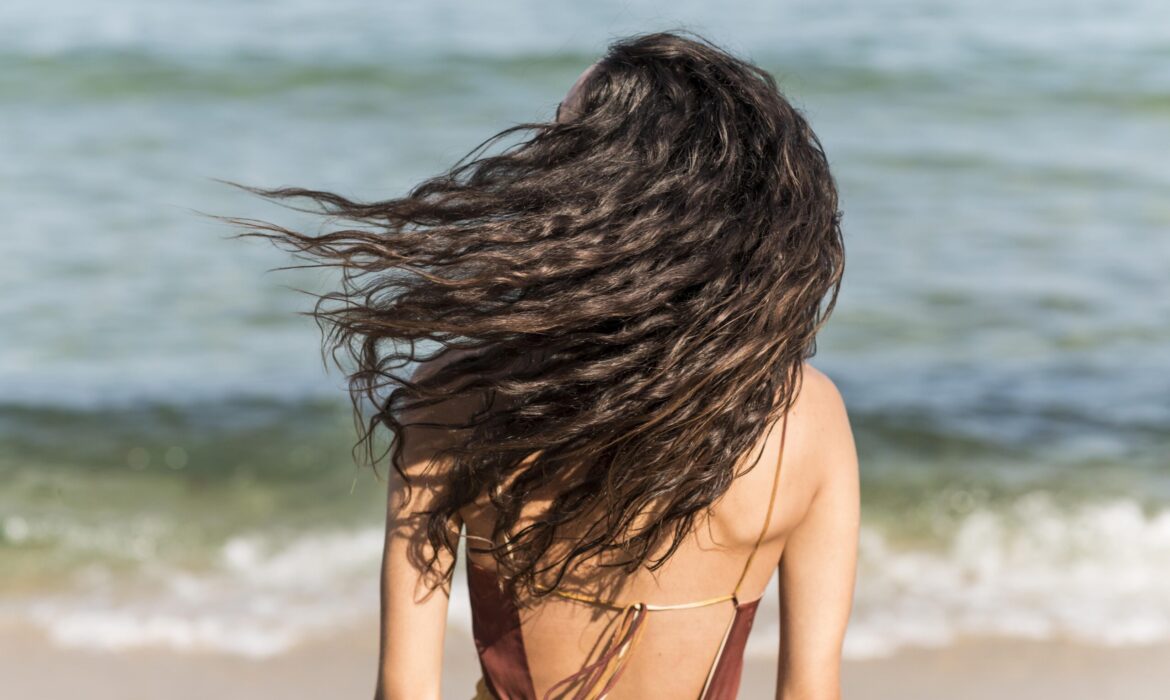
Learn how to protect hair from sun damage with easy tips, best products, and expert advice for healthy, shiny hair all summer long.

How to Protect Hair from Sun

How to Protect Hair from Sun: Essential Tips for Healthy Summer Hair
Your hair requires the protection of the sun like your skin. Prolonged contact for harmful UV rays may disappear in dryness, rupture and even hair color. In this blog, we will guide you through practical, dermatologist-discomfort tips on how to protect hair from sun damage, while also maintain a healthy, shiny mane all summer long
How Can Sun Damage Your Hair?
Like your skin, your hair and scalp are unsafe for the hard effects of the sun. There can be many types of hair issues in prolonged contact for UV radiation, especially during the summer months.
Breaking of hair protein (keratin)
The sun’s UV rays degrade the keratin, makes the structural protein in the hair, weakened, brittle, and more prone to rupture.
Moisture loss and dryness
Excessive sun exposure strips natural oils with its scalp and hair, causing dry, frizzy and unmanageable hair. This effect become worst when combined with humidity and saltwater or chlorinated pool.
Both natural and colorful hair can fade or replace the tone under the sun. UV rays oxidizes the hair pigment, leaving it dull and discolored especially in dyed or obtained hair.
Split ends and rough texture
Due to sun damage, the outer cutting layer weakens and lifts, resulting in rough texture, touch and divided ends.
Scalp Sunburn
If your hair is thin or participate in areas, your scalp is directly exposed to UV rays. It can cause redness, irritation, flaking, or even painful sunburn.3
Best Ways to Protect Your Hair from the Sun
1. Wear a Hat or Scarf
A wide brimd hat or scarf serves as a physical barrier against UV rays. For the best results, choose tightly woven fabrics or UV-protection material.
2. Use UV-Protectant Hair Products
Like sunscreen for your skin, certain leave-in conditioners and hair sprays provide UV protection for hair. Look for labels mentioning UV filters or SPF.
3. Keep Your Hair Moisturized
Hydration is important to fight the sun damage. Use a deep conditioning treatment or hair mask once a week to recover lost moisture and restore hair health.
4. Avoid Excessive Heat Styling
Sun exposure plus heat styling tools can severely dry your hair. Reduce the use of blow dryers, curling iron and straighteners during the summer months.
5. Rinse After Swimming
Chlorine from the pool and salt water from the sea can increase the sun damage. Rinse your hair with clean water immediately after swimming to prevent buildup.
6. Stay Hydrated & Eat a Hair-Healthy Diet
Drink lots of water and eat biotin, omega -3 fatty acids and antioxidants. It supports the growth of healthy hair and reduces damage from within.
Natural Remedies for Sun Protection
1. Coconut Oil: creates a protective barrier and adds moisture. Apply a small amount before stepping into the sun.
2. Aloe Vera Gel:Soothes the scalp and repairs UV-induced dryness.
3. Green Tea Spray: Acts as a natural antioxidant-rich mist to protect your strands.
Who Needs Sun Protection for Hair the Most?
1. People with color-treated or chemically processed hair
2. Those with thin or fine hair
3. Anyone spending extended time outdoors (beachgoers, athletes, travelers)
4. Individuals with Scalp sensitivity or previous sunburn
Final Tips To Protect Hair From Sun
1. Schedule regular trims to remove damaged loops
2. Option for loose hairstyles to prevent scalp exposure
3. Use satin or silk hair accessories to reduce friction and breakage
For Personalized Hair Care, Visit Dr. Hanan Dermatology Speciality Clinic
Sun exposure can seriously damage your hair, leading to dryness, breakage, and color fading. Simple steps like using UV-protectant products, wearing hats, and maintaining a healthy hair care routine can go a long way in keeping your hair strong and vibrant.
If you’re experiencing sun damage or want personalized hair care advice, visit Dr. Hanan Dermatology Speciality Clinic.
Our experts are here to help you restore and protect your hair with customized treatments. Book your appointment today!

Book Your Consultation Today!
For Personalised Treatment visit Dr. Hanan Clinic. Feel confident and proud with our expert care.
Table of Contents
Hair Fall Treatment for Women: Causes, Remedies & Solutions
Hair Fall Treatment for Women: Causes, Remedies & Advanced Solutions
Looking for the best hair fall treatment for women? Discover expert solutions, causes, and remedies from Dr. Hanan Dermatology Clinic.

Hair is an essential part of a woman’s identity and confidence. But when the hair falls, it can cause anxiety, low self -esteem and emotional distress. Dr. Hanan Dermatology Specialty and Trichology Clinic, we understand the emotional and physical effects of female hair loss – and we are here to help you find a real solution.
In this comprehensive guide, you will learn the causes of hair fall in women, how to identify early signals, and the most effective hair fall for women – from home remedies to clinical intervention.
What Is Hair Fall in Women?
Hair collapse, or hair loss in women is medically known as female pattern hair loss (FPHL) or Androgenic Alopecia. This male pattern differs from baldness and often presents as a normal thin on the crown rather than a recurrent hairline.
Most women shed between 50–100 strands per day, which is normal. However, when hair shedding exceeds this rate or you notice to be visible, it is time to take action.
Common Causes of Hair Fall in Women
Understanding the root cause of hair loss is crucial for effective treatment. Here are some of the most common culprits:
1. Hormonal Imbalances
- Thyroid disorders
- Polycystic ovary syndrome (PCOS)
- Menopause or postpartum hormone shifts
Hormones regulate hair growth cycles, and imbalances can lead to shedding or thinning.
2. Stress & Lifestyle
High stress levels can trigger telogen effluvium due to work pressure, anxiety or trauma, a condition where hair enters the resting phase and falls out.
3. Nutritional Deficiencies
- Iron, Vitamin D, Zinc, and Biotin deficiencies are often linked to hair loss.
2. Poor diet or extreme weight loss can rapidly deplete nutrients essential for hair growth.
4. Medical Conditions
- Alopecia Areata – An autoimmune condition causing patchy bald spots.
Scalp Infections – Fungal infections like ringworm can lead to localized hair loss.
5. Genetics
If your mother or grandmother experienced hair thinning, you may be genetically predisposed to female pattern hair loss.
Early Signs of Hair Loss in Women
Recognizing the early signs helps prevent further damage:
- Thinning on the top or crown of the scalp
2. Widening of the hair part
3. More hair in your comb or shower drain
4. A ponytail that feels thinner than usual
5. Bald spots or patches
Best Hair Fall Treatments for Women
At Dr. Hanan Dermatology Clinic, we offer customized treatment plans based on your hair type, scalp condition, and lifestyle. Here are the best hair fall treatments we recommend:
1. Topical Medications
Minoxidil 2% or 5%: FDA-approved treatment for women. Encourages hair growth by widening blood vessels and extending the growth phase.
2. Oral Medications
- Spironolactone: Blocks androgens, suitable for women with PCOS-related hair loss.
2. Iron or Vitamin D supplements: Corrects deficiencies that contribute to shedding.
3. Platelet-Rich Plasma (PRP) Therapy
PRP uses your own blood platelets to stimulate dormant hair follicles. It’s a non-surgical, advanced method that promotes natural hair growth.
4. Low-Level Laser Therapy (LLLT)
Laser caps and in-clinic laser treatments improve scalp circulation and hair density.
5. Mesotherapy
A non-invasive treatment involving micro-injections of vitamins, enzymes, and plant extracts directly into the scalp to stimulate follicles and strengthen hair.
Natural Remedies and Home Care Tips
While clinical treatment is effective, integrating home remedies into your routine can complement professional care:
- Use a wide-tooth comb to prevent breakage.
- Avoid tight hairstyles like ponytails and buns.
- Oil massages with castor or coconut oil to improve blood circulation.
- Aloe vera gel application helps soothe the scalp and reduce dandruff.
Scalp exfoliation once a week to remove dead skin and stimulate follicles.
Lifestyle Changes for Long-Term Hair Health
- Balanced diet rich in protein, iron, omega-3 fatty acids, and vitamins.
- Hydration: Drink at least 2–3 liters of water daily.
- Sleep: Get 7–8 hours of uninterrupted sleep to support hormonal balance.
Limit heat styling and chemical treatments that weaken the hair shaft.
Why Choose Dr. Hanan Dermatology Speciality and Trichology Clinic?
Located in Padur, Chennai, our clinic is known for:
Experienced Dermatologists & Trichologists
Advanced Technology (PRP, Mesotherapy, LLLT)
Personalized Hair Restoration Plans
High Success Rate & Client Satisfaction
Whether you’re experiencing seasonal shedding or long-term hair thinning, our specialists will work with you to diagnose the cause and craft a treatment plan that delivers visible results
Book Your Consultation Today
Don’t let hair loss affect your confidence. Get professional care from the leading hair fall treatment clinic in Chennai. Contact us today to schedule a scalp analysis and consultation.
Book Your Consultation Today!
For Personalised Treatment visit Dr. Hanan Clinic. Feel confident and proud with our expert care.
Table of Contents
Top 10 Hair Care Mistakes You Didn’t Know You Were Making
Avoid hair damage by fixing everyday mistakes! Discover the top 10 hair care mistakes you didn’t know you were making.

Beautiful, healthy hair does not depend only on genetic or salon visits – it begins with how you treat your hair every day. Dr. Hanan Dermatology Specialty and Trichology Clinic, we regularly treat patients dealing with chronic hair fall, dandruff, thinning and scalp conditions – all are often caused by the same thing: simple but avoidable hair care mistakes.
In this blog, we reveal the top 10 hair care mistakes that you did not know that you were making specialized solutions to help create a better routine and re-achieve your hair health..
Washing Your Hair Too Frequently or Too Rarely
Many people believe that washing your hair daily keeps it clean and healthy. In fact, over washing can snatch your scalp of natural oils, which can cause dryness, breakdown, and even increase in oil production. On the other hand, not washing enough can cause product buildup, irritation and dandruff.
What’s the ideal frequency?
Many people believe that washing your hair daily keeps it clean and healthy. In fact, over washing can snatch your scalp of natural oils, which can cause dryness, breakdown, and even increase in oil production. On the other hand, not washing enough can cause product buildup, irritation and dandruff.
1. Oily scalp: Wash every 2–3 days
2. Dry or curly hair: Wash twice a week
3. Active lifestyle (sweat/dust): Consider rinsing with water or using a mild shampoo
Use sulfate-free, pH-balanced shampoos tailored to your hair type.
Using the Wrong Shampoo for Your Scalp Type
Most people choose shampoos based on fragrance, packaging or trends. But each scalp is different-some are dry, some oily, some dandruff-prone-and each requires a specific type of care.
Shampoo types:
Dry scalp: Look for moisturizing and hydrating shampoos with ingredients like glycerin or aloe vera.
Oily scalp: Choose a clarifying or balancing formula with ingredients like salicylic acid.
Dandruff: Use shampoos with zinc pyrithione, ketoconazole, or coal tar.
Remember: Hair type (straight, curly, thin) matters, but scalp type is what decides your shampoo.
Skipping Conditioner or Applying It to the Scalp
Conditioner helps maintain moisture, reduce frizz and prevent tangling – especially important for damaged or dried hair. But many people are afraid of lubrication or accidentally apply it to the scalp, which can clog pores.
Correct Usage:
1. Apply from mid-length to tips
2. Choose a light conditioner if you have fine hair
3. Use deep conditioners or hair masks weekly if you have chemically treated hair
Avoid applying conditioner to the scalp unless it’s a scalp-specific product.
Rough Towel-Drying or Brushing Wet Hair
Your hair is the most fragile when wet. Rubbing with a regular towel, twisting, or brushing it, brushing it, wetting can cause major breakdown and split ends.
Correct Usage:
1. Blot your hair with a microfiber towel or soft cotton T-shirt
2. Detangle with a wide-tooth comb after applying conditioner
3. Let it air-dry naturally without aggressive rubbing
Avoid brushing entirely when your hair is soaking wet—unless it’s with a wide-tooth comb and conditioner applied.
Excessive Heat Styling Without Protection
The blow dryer, straightener, and curling iron are often used without any heat protection, which damages the hair cuticle, reduces elasticity, and leads to dryness and breakdown
Best Practices:
1. Always apply a heat-protectant spray before using any tool
2. Keep tools on medium heat settings
3. Limit styling to 1–2 times a week
4. Let your hair air-dry naturally whenever possible
A single session of high-heat straightening can cause lasting protein loss in the hair shaft.
Wearing Tight Hairstyles Too Often
Braids, ponytails, or buns that are tightly pulled back can look clean, but they stress your hair follicles, causing traction alopecia, a form of hair loss that can be permanent.
How to fix it:
1. Wear loose hairstyles often
2. Avoid tight elastics or rubber bands
3. Let your scalp rest between tight styles
4. Switch up your parting occasionally
Signs of early damage include scalp tenderness and short, broken hair near your hairline.
Neglecting Your Scalp Health
Your scalp is like a soil where your hair grows – if it is not healthy, your hair will not be either. Nevertheless, most hair routines focus only on strands, ignoring the scalp.
Common scalp issues:
Build-up from products and oils
Fungal infections or dandruff
Clogged hair follicles due to pollution and sweat
Solutions:
1. Exfoliate the scalp using scrubs or salicylic acid shampoos once a week
2. Use a mild clarifying shampoo monthly
3. Treat dandruff or itching early with dermatologist-recommended products
Visit a trichologist if scalp issues persist.
Using DIY Hair Remedies Without Research
DIY masks made from kitchen ingredients such as lemon juice, baking soda, onion juice, or eggs can look natural and harmless. But some of these can disrupt the pH of the scalp, cause irritation, or even damage the hair shaft.
Risky DIY ingredients:
1. Lemon juice: Too acidic; can irritate and dry scalp
2. Baking soda: Abrasive; strips natural oils
3. Egg masks: Can clog pores and cause bad odor if not rinsed properly
Better alternatives:
1. Use dermatologist-approved products
2. Choose masks with biotin, keratin, or niacinamide
3. Consult before trying new DIY solutions, especially if you have sensitive skin
Avoiding Haircuts to Grow Hair Longer
Many people delay trimming their hair so that it grows rapidly. But not cutting the split loops causes them to travel upwards, resulting in frizz, breakage and a thin appearance over time.
Hair health routine:
1. Trim every 6–8 weeks to prevent split ends
2. Use split-end sealing serums in between visits
3. Avoid excessive brushing or pulling
Hair growth starts at the scalp—but maintaining healthy ends is key to visible length.
Overusing Styling Products
Serum, spray, mousse, dry shampoo, hair oils – using many of these can prevent hair follicles, increase residue buildup, and block natural growth.
Simplify your routine:
1. Use only 1–2 leave-in products daily
2. Wash hair regularly if using dry shampoo
3. Avoid alcohol-based sprays that dry out hair
Choose non-comedogenic, lightweight formulations
Bonus Tip: Stress, Diet, and Lifestyle Matter Too
Hair health is influenced by internal health. If you’re following a good hair routine but still facing issues, look at:
1. Nutritional Deficiencies (iron, biotin, zinc)
2. Thyroid Imbalances or PCOS
3. High Stress Levels or poor sleep
Include a balanced diet, adequate hydration, and regular exercise to support hair growth from within.
When Should You See a Dermatologist or Trichologist?
If you’re experiencing:
1. Sudden or excessive hair fall
2. Bald patches or thinning hair
3. Chronic dandruff or itchy scalp
4. No results despite following a good routine
it’s time to consult an expert. Early diagnosis and the right treatment plan can prevent long-term hair loss.
Conclusion:
Hair care does not need to be complicated. Just avoiding these 10 normal hair care mistakes, you can improve your hair quality, strength and glow over time.
Every strand matters – and healthy hair starts with a healthy routine. If you are constantly struggling with hair issues, then we are here to help.
Book Your Consultation Today!
For Personalised Treatment visit Dr. Hanan Clinic. Feel confident and proud with our expert care.