Explore Chennai’s top 5 dermatologist-approved anti-aging treatments for 2025, including Microneedling, Hydrafacial, HIFU treatments. Dr. Hanan Clinic to make confident, informed hair choices.

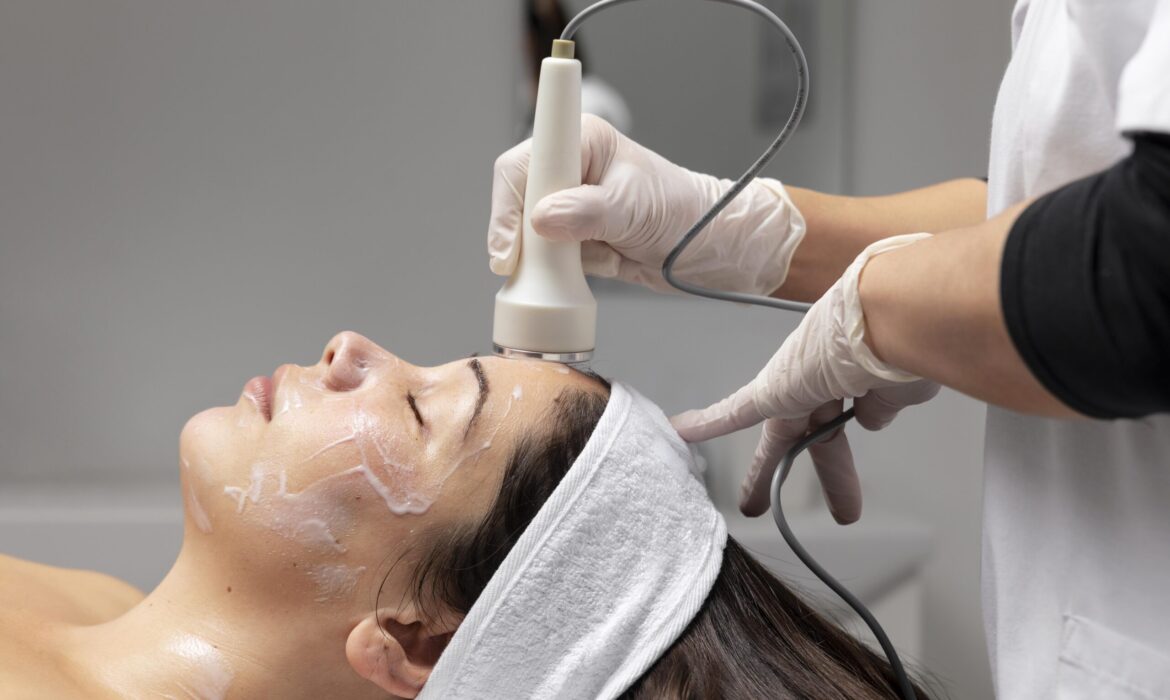
Confused between Hydrafacial and salon facials? Discover how Hydrafacial offers deeper cleansing, hydration, and glow—with expert care from Dr. Hanan Clinic in Chennai.
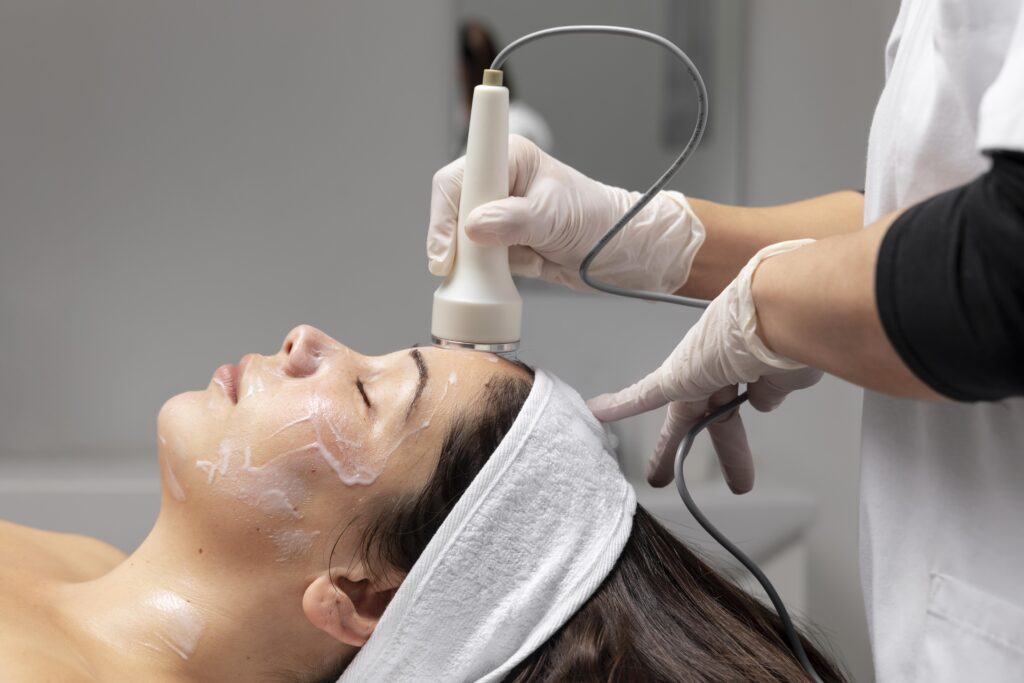
When it comes to skincare, facials are a go-to choice for cleansing, hydration, and instant glow. But not all facials are created equal. While regular salon facials offer temporary benefits, Hydrafacial treatments—now available at Dr. Hanan Dermatology Speciality and Trichology Clinic in Chennai—are designed for long-term skin health, powered by medical-grade technology.
If you’re wondering which one is better for your skin type and concern, this blog breaks down the key differences, benefits, and outcomes of Hydrafacial vs. Regular facial, so you can make an informed choice.
A regular facial usually involves manual cleansing, steaming, exfoliation, mask application, and moisturization. It’s performed by a beautician or skincare therapist and typically follows a generic routine.
Hydrafacial is a dermatologist-supervised, non-invasive treatment that combines cleansing, exfoliation, extraction, hydration, and antioxidant infusion in a single session. It uses patented vortex-fusion technology for deep skin purification without irritation.
At Dr. Hanan Clinic, we use FDA-approved Hydrafacial machines and tailor the solution serums to your skin type and concern.
Lasts about 3–5 days before the effects fade. It doesn’t impact underlying skin health.
Provides visible improvement for 5–10 days or more, and improves long-term skin texture, tone, and clarity with repeated sessions.
Hydrafacial is the clear winner. It clears clogged pores, controls oil production, and hydrates the skin—all without harsh manual extraction. The treatment is designed to calm inflammation, making it ideal for:
Regular facials, on the other hand, may irritate active acne and use comedogenic products that worsen breakouts.
Hydrafacial delivers instant hydration using active ingredients like hyaluronic acid, peptides, and antioxidants. It also improves skin tone and texture over time.
If your concern is dullness, dryness, or uneven skin, Hydrafacial is a superior solution over traditional facials, which only offer surface-level moisturization.
From glowing skin to liver detox, explore the real benefits of glutathione-clinically backed treatments now available at Dr. Hanan Clinic, Chennai.
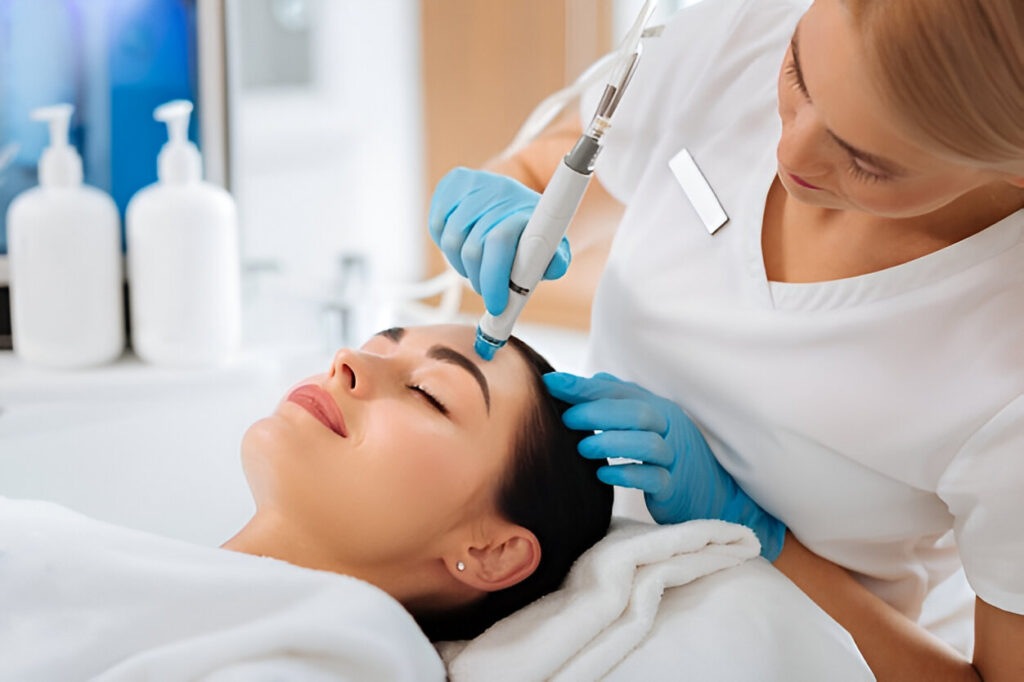
Clear, glowing, and even-toned skin is a common goal for many individuals. With Chennai’s harsh sun, rising pollution, and lifestyle stressors, skin dullness, pigmentation, and uneven skin tone are increasingly common. At Dr. Hanan Dermatology Speciality and Trichology Clinic, we specialize in advanced skin brightening solutions tailored to your skin’s unique needs.
This blog explores the top skin brightening treatments available in Chennai—all backed by medical expertise, proven technology, and patient success stories from our clinic.
Skin brightening is not about changing your natural skin tone. It’s about restoring clarity, evenness, and radiance by addressing concerns like:
HyperpigmentationExplore the top skin brightening treatments in Chennai-from glutathione to laser-performed by dermatologists at Dr. Hanan Clinic for radiant, even-toned skin.
Glutathione is a powerful antioxidant known for its skin-brightening effects. At Dr. Hanan Clinic, we offer both IV glutathione therapy and oral protocols to:
It’s often combined with vitamin C for enhanced absorption and long-term skin health benefits. Most patients begin seeing visible results in 4–6 weeks with consistent sessions.
Chemical peels help remove dead skin cells, stimulate cell turnover, and fade pigmentation. We use a variety of medical-grade peels like:
Using technologies like Fractional CO2 and Q-switched Nd:YAG lasers, laser skin resurfacing improves skin tone, reduces pigmentation, and stimulates collagen production.
It is ideal for:
Microneedling creates microchannels in the skin, enhancing collagen production and the delivery of brightening agents like PRP (Platelet-Rich Plasma) or Exosomes.
This treatment:
It is best suited for people with uneven tone, mild acne scars, or early signs of aging.
At Dr. Hanan Dermatology Speciality and Trichology Clinic in Chennai, we tailor every skin-brightening plan based on individual goals, lifestyle, and clinical history. If you’re curious whether glutathione is right for you, our dermatologists are here to help.
Unlike basic salon facials, our dermatologist-supervised medical facials are designed to:
Options like Hydrafacial and Medi-Fusion Glow Therapy are ideal for regular skin maintenance and achieving instant brightness before a big event.
At Dr. Hanan Dermatology Speciality and Trichology Clinic, every treatment is:
Backed by dermatological expertise
We believe in evidence-based skincare, realistic results, and clear communication throughout your treatment journey.
Ready to achieve glowing, even-toned skin? Let Chennai’s trusted skin experts at Dr. Hanan Clinic guide you with the right mix of science, safety, and results.
Stay confident. Stay radiant. Stay you—brighter.
From glowing skin to liver detox, explore the real benefits of glutathione-clinically backed treatments now available at Dr. Hanan Clinic, Chennai.
Glutathione is often referred to as the “master antioxidant” for its powerful ability to protect cells from oxidative stress, detoxify the body, and support immune function. In the world of skincare and wellness, glutathione is gaining immense popularity for its skin-brightening effects and overall health benefits. But how effective is it really? Is it safe to take every day? And how do you know if it’s working?
In this blog, guided by EEAT (Experience, Expertise, Authority, and Trust), we break down the science-backed benefits of glutathione, answer commonly asked questions, and help you decide whether it’s the right supplement for your health or skin goals.
Glutathione is a naturally occurring antioxidant produced by the liver and found in every cell in the human body. Supplementing glutathione—either orally, intravenously, or via topical or sublingual forms—can offer a wide range of benefits:
At Dr. Hanan Dermatology Speciality and Trichology Clinic in Chennai, we’ve seen patients benefit from customized glutathione protocols—especially those dealing with pigmentation, dull skin, and fatigue.
Taking glutathione daily can support ongoing detoxification and antioxidant protection. Most oral or IV glutathione protocols are safe when used in recommended doses under the guidance of a medical professional. Here’s what regular supplementation may lead to:
However, high doses or unregulated use of glutathione supplements may affect natural production or interact with certain medications. This is why it’s essential to consult a qualified dermatologist or physician.
Results from glutathione depend on the individual’s skin type, dosage, form (IV, oral, or topical), and lifestyle. Most patients begin noticing subtle but consistent improvements within 3 to 6 weeks. Signs that it’s working include:
To ensure that glutathione is working effectively, you must maintain proper hydration, follow a healthy diet, and avoid habits like smoking and alcohol that counteract its benefits. Follow-up skin assessments and blood work can also track internal progress.
Yes, glutathione plays an important role in achieving clearer, brighter skin. Its antioxidant properties reduce oxidative stress that leads to acne and inflammation. Additionally, by lowering melanin production, it supports a more even, spotless complexion.
At our clinic, we often recommend glutathione as part of a combination treatment plan that may include vitamin C, niacinamide, and sunscreen. This synergy enhances its absorption and boosts its skin-clearing potential.
It’s important to set realistic expectations. Glutathione works gradually, and results may vary. It’s more effective when combined with clinical treatments like chemical peels, laser therapy, and dermatologist-prescribed skincare routines.
If you’re looking to improve your skin tone, energy levels, or detoxification, glutathione may be worth considering. When used under medical guidance, it’s a powerful supplement with wide-ranging health and cosmetic benefits.
At Dr. Hanan Dermatology Speciality and Trichology Clinic in Chennai, we tailor every skin-brightening plan based on individual goals, lifestyle, and clinical history. If you’re curious whether glutathione is right for you, our dermatologists are here to help.

Learn the truth behind common skincare myths with expert tips for healthy, glowing skin from dermatologists.
When it comes to skincare, misinformation is everywhere. From social media trends to age-old advice passed down through generations, it’s easy to fall for skincare tips that sound helpful but can actually do more harm than good. As dermatologists at Dr. Hanan Dermatology Speciality and Trichology Clinic, we frequently correct these misconceptions during our consultations.
In this blog, we’ll expose the most common skincare myths you’ve likely heard—and explain the real science behind them.
Many believe that moisturizing oily skin will make it oil. Truth? Lagging moisturizer can actually increase oil production as skin tries to compensate for a lack of hydration. The key is to use a mild, non-comedogenic moisturizer that hydrates without pores. Moisturizers help maintain the natural obstruction of the skin, reduce inflammation and protect against environmental damage. Even oily skin requires balance – and it comes from proper hydration.
UV rays can penetrate clouds and glass, which means that you are exposed even on overcast days or when sitting near window. Daily use of a broad-spectrum sunscreen with SPF 30 or higher is required-induce or out. Regular use of sunscreen helps premature aging, pigmentation and even skin cancer. This should be the final stage in your morning routine – even if you are staying at home or it is raining outside.
It’s natural that doesn’t mean it’s safe. Lemon juice, toothpaste, or baking soda can be natural, but can damage the skin obstruction, cause irritation, or spoil pigmentation. Many DIY remedies are highly acidic or abrasive, which disrupt the pH of your skin. Professional skincare products undergo clinical testing to ensure safety and effectiveness, while DIY treatments often lack any scientific support. Always consult a dermatologist before trying home remedies.
Over-scrubbing can irritate your skin and worsen breakouts. While exfoliation helps remove dead skin cells, harsh physical scrubs can cause microtears. These tears can lead to inflammation, bacterial entry, and worsening acne. Instead, use gentle exfoliants like AHAs or BHAs 1–2 times a week, which penetrate pores and clean them from within without damaging the skin’s surface.
Acne can affect people at any age – especially due to hormonal changes, stress or skincare products. Adult acne is very common, especially in women during its 20, 30s and even 40s. Factors such as PCOS, pregnancy and work tension can trigger breakouts. Adult acne is also more inflammatory and resistant to treatment, which is why professional guidance is necessary.
The price doesn’t always reflect effectiveness. Many affordable skincare brands have clinically proven ingredients such as niacinamide, salicylic acid and retinol that provide results. Some expensive products may have fragrance or filler materials that provide very little benefits. What exactly means to understand your skin’s needs and choose products with scientifically supported active ingredients
While staying hydrated is important for overall health, drinking water alone won’t fix dry skin. Topical moisturizers with ingredients like glycerin, ceramides, or hyaluronic acid are required to trap moisture in the skin barrier. Skin hydration is a combination of internal and external care—what you drink helps, but it won’t replace what you apply topically.
Skincare is a process, not magic. Most active ingredients take 4–8 weeks or more to show visible changes. Expecting overnight results can lead to product-hopping or overuse, which harms the skin. Consistency, patience, and the right ingredients for your skin type are the foundation of effective skincare.
Even overnight, your skin accumulates oil, sweat, and bacteria. Gently cleansing your face in the morning helps start your skincare routine with a clean base and improves the effectiveness of your morning products. It also preps your skin to better absorb ingredients from serums and moisturizers applied afterward.
Makeup itself doesn’t necessarily cause acne—improper removal or using comedogenic products can. Look for labels like “non-comedogenic,” “oil-free,” or “dermatologist-tested.” Always cleanse your face thoroughly at night, and avoid sleeping with makeup on. Regularly cleaning your brushes and sponges also reduces the chance of bacterial transfer.
Your skin is unique. What works for one person may not work for another. Instead of relying on viral trends or outdated advice, speak to a qualified dermatologist. At Dr. Hanan Dermatology Speciality and Trichology Clinic in Chennai, we provide evidence-based treatments and personalized skincare plans for your needs.
Break free from skincare myths—and give your skin the care it actually needs.
Protect your skin this rainy season with dermatologist-approved monsoon skincare tips. Learn how to prevent breakouts, dryness & infections.
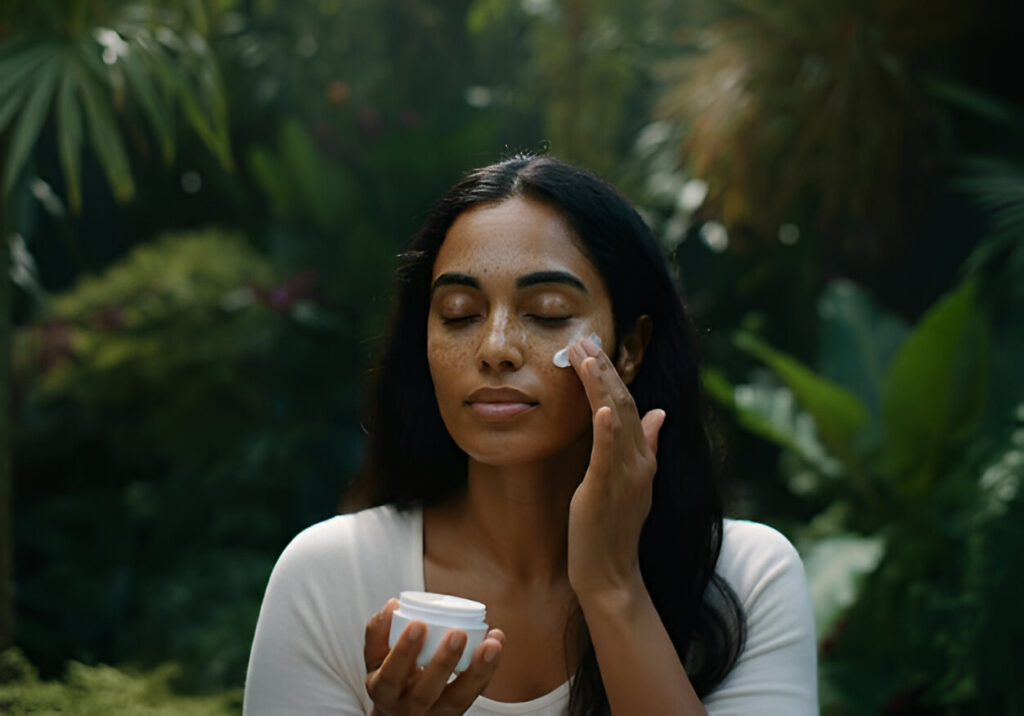
The monsoon season brings welcome relief from scorching heat – but a new set of skin concerns with cool showers. A range of skin issues such as increased humidity, ups and downs, and a series of skin issues such as breakouts, fungal infections, excessive oils, or unexpected dryness in a moist environment can be triggered. It is necessary to update your skincare routine during this season. In this blog, we will explore monsoon skincare tips approved by a dermatologist to keep your skin healthy, glow and balanced in all seasons.
During the monsoon, the skin is exposed to a humid environment that can disrupt its natural barrier. Excess moisture in the air increases oil secretion in some skin types and increases the clog pores, causing acne or fungal infections. For others, sudden temperature shifts and indoor air conditioning can remove moisture, causing dry, flaky skin. The skin also attracts more dirt, sweat and pollutants during this season.
To maintain the glow and health of your skin, it is important to follow a skincare routine customized to monsoon-specific challenges.
Humidity and pollution can prevent your pores during the monsoon season. Switch to a gentle, pH-balanced cleanser that removes sweat, dirt and excess oil without snatching the required moisture skin. For oily or acne-prone skin, gel-based cleanser work well with salicylic acid or tea tree oil. If your skin is towards drying, choose a mild foaming or creamy cleanser.
Toner is your best friend during monsoon, especially if you have oily or combination skin. Use alcohol-free toner with natural astringents such as witch hazel, rose water, or green tea. Toning helps in reducing increased pores, controlling sebum production and preventing bacteria growth.
Just because it is not humid, it means that you can leave moisturizing. The skin still needs hydration to stay balanced. Choose a light, non-comedogenic moisturizer that hydrates your skin without being greasy. See for materials such as hyaluronic acid, aloe vera, or glycerin.
Even if it is cloudy outside, UV rays can enter and damage your skin. Use a broad spectrum sunscreen with at least SPF 30 daily. Opt to water-resistant, gel-based, or matte-finish sunscreen to avoid that sticky spirit.
One of the most common concerns is whether laser treatment for scars is painful. While some discomfort can be experienced – often described as a flash sensation – it is generally well tolerated. Topical numbing creams are applied before the process.
Dead skin cells and additional sebum can be build-up rapidly during the monsoon. Gentle exfoliation helps unclog the pores once or twice a week and improves the texture of the skin. Use light scrub or chemical exfoliants such as lactic acid or fruit enzyme-based peel. Avoid over-examination as it can disturb the skin.
Healthy skin starts from within. Drink plenty of water throughout the day to maintain hydration. Include antioxidant -rich foods such as fruits, leafy greens, nuts and seeds. Avoid fried, sugar foods that can spoil acne or cause inflammation.
If you wear makeup during the monsoon, go for light, breathable formulas such as BB Creams or Matte Foundation. Avoid heavy, oil-based products that can melt and close the pores. Always remove makeup completely before bedtime and clean your brush and sponge regularly to avoid bacterial buildup.
High humidity can trigger fungal infections, especially around the neck, back, underarms, and feet. Keep these areas dry and clean. Use antifungal powders if you’re prone to infections, and avoid sharing towels or razors.
Your skin comes in contact with these items daily. During monsoon season, change them more frequently to avoid the accumulation of bacteria, oil, and sweat that could lead to breakouts or rashes.
If you notice recurring acne, eczema, or fungal infections during the monsoon season, it’s best to consult a dermatologist. At Dr. Hanan Dermatology Speciality and Trichology Clinic in Chennai, we provide personalized skincare guidance and treatments tailored for seasonal skin concerns.
Monsoon skin care is all about balancing oil, moisture, and cleanliness. With the right daily routine and a few simple lifestyle habits, you can keep your skin clear, fresh, and glowing even in the most unpredictable weather. The key is consistency and listening to your skin’s changing needs.
Stay radiant this monsoon-rain or shine!
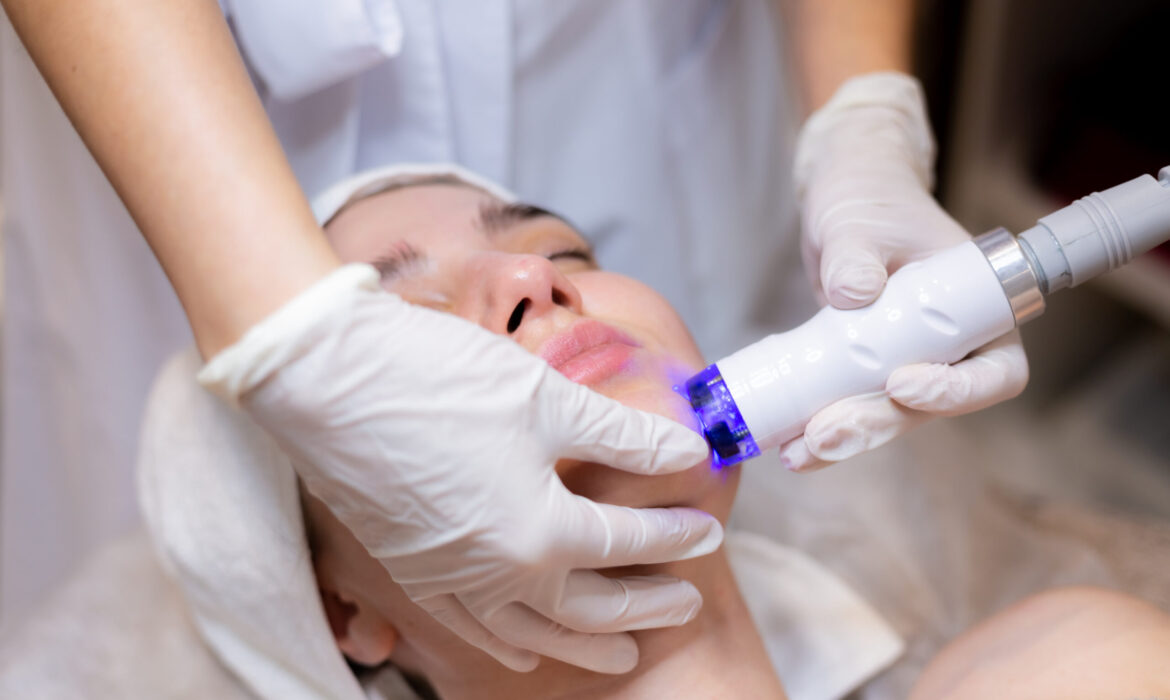
Wondering if laser treatment for scars works? Explore its benefits, how it reduces scars, and what to expect during recovery
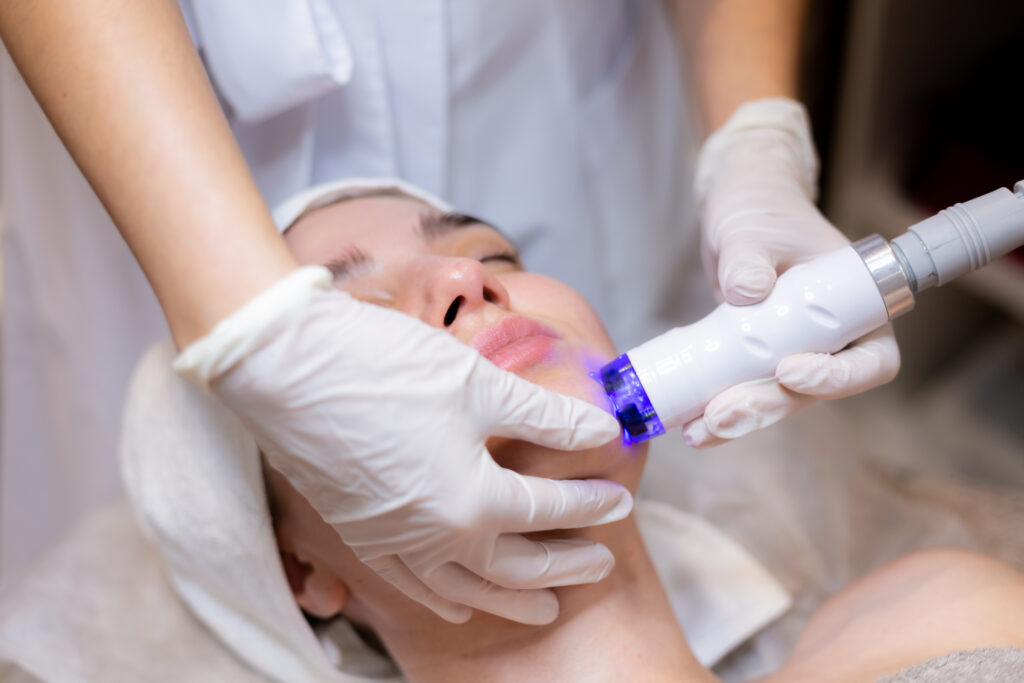
The scars are a natural part of the skin treatment process, but for many people, they can be a source of emotional crisis and self-consciousness. Whether acne, surgery, irritation, or injuries, scars can affect both appearance and confidence. With advancement in dermatology and laser technology, laser treatment for scars has emerged as a highly effective and safe solution to reduce their appearance and restore smooth, healthy skin.
The results of laser treatment for scars are progressive. Improvements usually appear after a few sessions, with full results appear several months after the final treatment. Patients often report enhanced skin tone, reduced the depth of the scar and smoother texture.
At Dr. Hanan Dermatology Specialty and Trichology Clinic, Laser Scar revision is one of our most sought -demanded procedures. Our dermatologists use advanced techniques to treat all types of scars-from acne scar to hypertrophic and keloid scars-resulting visible, long-term results. This blog examines all things that you need to learn about laser treatment for scars, including how it works, what is involved in this process, the results you can expect, and why it is considered as the gold standard in scar reduction.
Laser therapy for scars is not a size-fit-all solution. There are different types of laser, targeting the type of specific layers and scar tissue of skin. The most common types of lasers used include:
These include CO2 and ER: YAG laser. They work by removing the top layers of damaged skin, allowing new, smoother skin to form.
These include fractional laser and pulsed dye laser. They heat deep layers of the skin without removing the surface, stimulate collagen production and improve the skin texture over time.
The effectiveness of laser treatment depends on various factors, including the type of scar, skin type, scar location, and age of scars.
When you come in for a consultation at Dr. Hanan Dermatology speciality and Trichology clinic, the procedure begins with a detailed skin evaluation. Our dermatologists evaluate the characteristics of the scar – such as depth, shape, color and texture- and select the appropriate laser method. Skin type is also an important consideration, especially for people with dark skin tones.
Laser scar removal usually requires several sessions to achieve the best results. Depending on the severity of the scar and laser used, most patients undergo between three to six sessions spaced several weeks apart.
One of the most common concerns is whether laser treatment for scars is painful. While some discomfort can be experienced – often described as a flash sensation – it is generally well tolerated. Topical numbing creams are applied before the process.
Laser scars treatment downtime depend on the type of laser used for the treatment.
The results of laser treatment for scars are progressive. Improvements usually appear after a few sessions, with full results appear several months after the final treatment. Patients often report enhanced skin tone, reduced the depth of the scar and smoother texture.
Laser scar revision is considered safe for most individuals. However, it cannot be suitable for:
While laser treatments are generally safe, some possible side effects include:
At Dr. Hanan Clinic, we follow strict security protocols to suit your skin type and sensitivity.
Laser therapy is effective for various scar types:
Today’s laser, such as fractional CO2, provide better results with less downtime. The combination of laser therapy with PRP or Microneedling with exosomes further increases collagen production and healing.
Laser treatment is becoming popular among young adults with early acne scars and older individuals with long-standing marks. Early intervention often gives better results, but even older scars can improve with treatment.
We emphasize a comprehensive plan:
We emphasize a comprehensive plan:
Laser treatment for scars is a scientifically proven method to significantly reduce the appearance. Although it cannot completely erase the scar, it improves the texture and confidence a lot. Personalized care, expert execution, and follow -ups are key to success.
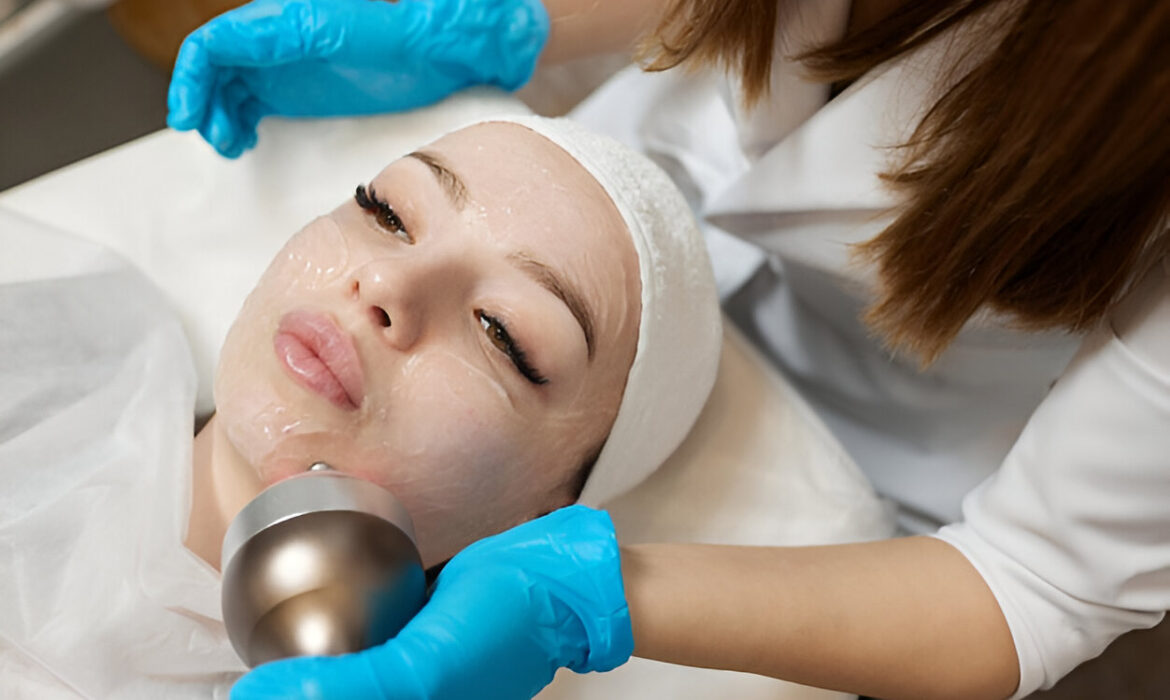
Confused between laser skin resurfacing vs chemical peels? Discover the best treatment for your skin goals at Dr. Hanan Clinic, Chennai.
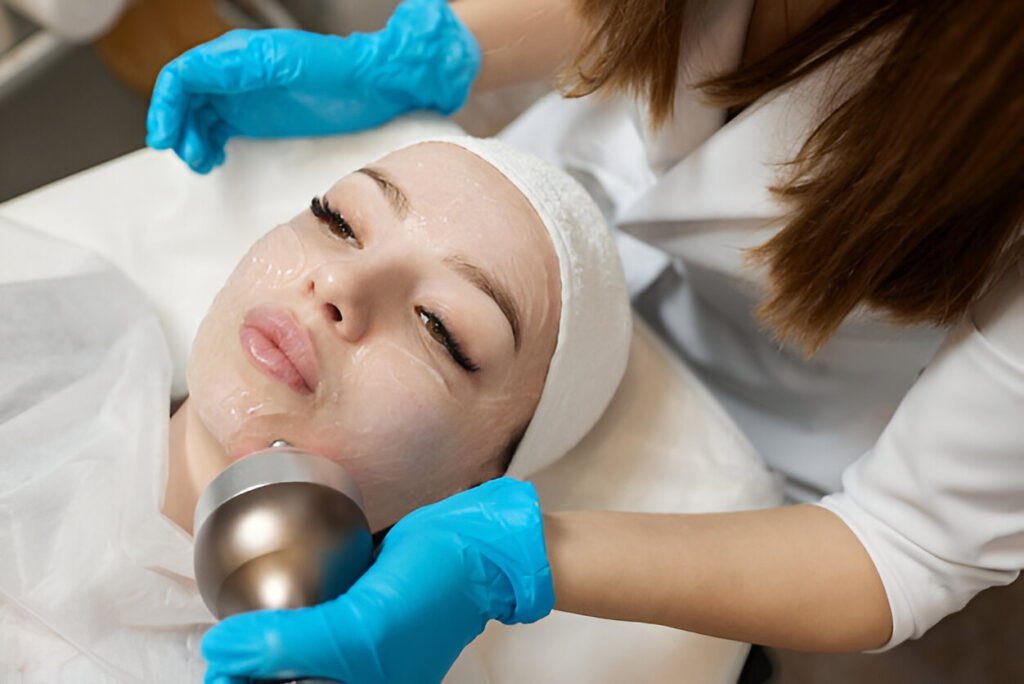
When it comes to rejuvenating your skin, two popular treatments often stand out: laser skin resurrection and chemical peels. Both are designed to reduce pigmentation, fine lines, acne marks and dullness -but they work differently, have different downtime, and suits for different types of skin.
In Dr. Hanan Dermatology Specialty and Trichology Clinic, we provide both these treatments to suit your unique skin needs. This guide will help you understand the difference between laser treatment and chemical peels, and which may be right for your skin goals.
The laser skin resurfacing uses the focused beams of light to remove the outer layers of the damaged skin and stimulate collagen production. It is highly effective in addressing deep wrinkles, acne marks and uneven skin tones.
Chemical peels involve applying an acid-based solution to exfoliate the skin and trigger regeneration. They can use light (superficial) to deep, which depends on the strength and type of use.
1–7 days depending on the peel strength
Feature | Laser Skin Resurfacing | Chemical Peels |
|---|---|---|
Method | Light-based | Acid-based |
Depth | Deeper penetration | Surface to mid-depth |
Best For | Deep wrinkles, scars | Pigmentation, dullness |
Downtime | 3–10 days | 1–7 days |
Number of Sessions | 1–3 (spaced months apart) | 3–6 (spaced weeks apart) |
Skin Tone Caution | Can cause pigmentation in darker tones if not managed well | Safer for all tones with proper peel selection |
Both treatments are highly effective – but selection between them depends on your skin type, anxiety, lifestyle and downtime tolerance.
Whether you choose laser or peel, your results – and protection of the skin – depend on the diagnosis and technique. At Dr. Hanan Dermatology Clinic, We:
We also offer combination protocols like Laser + Peel or Peel + PRP for even better results.
There is no one size-fit-all answer. The best treatment is one that fits your skin type, lifestyle and long -term goals.
For deep changes: laser resurfacing
For subtle clarity and glow: chemical peels
Still not sure? We are here to help.
Visit Dr. Hanan Dermatology Clinic – Chennai’s Expert in Skin Rejuvenation

Confused about choosing the right shampoo? Discover how to choose the right shampoo for your hair type, scalp, and concerns with expert guidance from Dr. Hanan Clinic

Finding the perfect shampoo isn’t just about picking the bottle that smells the best or is trending online. Your shampoo can make or break your hair health, and yet most people overlook this essential part of their hair care routine. If you’re wondering How to choose the best shampoo for hair loss, you’re not alone — and you’ve come to the right place.
At Dr. Hanan Dermatology Speciality and Trichology Clinic, we treat hundreds of patients who face hair fall, dullness, dryness, dandruff, or thinning hair — often because they’re using the wrong shampoo. This guide will help you understand exactly how to choose the right shampoo for your hair type, scalp condition, and lifestyle.
Your shampoo is the foundation of your hair care routine. Need a good shampoo:
On the other hand, the wrong shampoo can:
So understanding how to choose right shampoo is a must — whether you’re experiencing specific hair issues or simply want healthier locks.
Many people buy shampoo based on hair texture – curly, straight, wavy, etc. But shampoos mainly target your scalp, not your varieties. So the first step in choosing the right shampoo is understanding your scalp type.
An oily scalp tends to produce excess sebum, making your hair look greasy soon after washing.
What to choose:
Avoid:
Pro tip: Avoid washing too frequently — it can trigger more oil production.
A dry scalp may feel tight, itchy or flashed. It is often confused with dandruff, but is usually caused by lack of moisture.
What to choose:
Avoid:
Pro tip: Use lukewarm water instead of hot water to retain natural oils.
A normal scalp is neither too oily nor too dry — it’s balanced and healthy.
What to choose:
Avoid:
Pro tip: Even with a normal scalp, seasonal changes can affect oil production.
Once you find out the type of your scalp, it is time to see your hair shaft – its texture, thickness and density. The type of shampoo you need on the basis of these factors will be different.
Fine hair strands are thinner and more delicate. They’re prone to breakage and can look limp easily.
What to choose:
Avoid:
Pro tip: Use a clarifying shampoo once a week to remove buildup.
Thicker hair strands need more moisture to stay manageable and frizz-free.
What to choose:
Avoid:
Pro tip: Pair your shampoo with a deep conditioner for best results.
What to choose:
Avoid:
Another key to learning how to choose the right shampoo for your hair is matching it with your specific hair issues.
Hair fall can be caused by genetics, hormones, stress, or product misuse.
What to choose:
Avoid:
Pro tip: A proper scalp diagnosis at a trichology clinic is the best first step.
Caused by fungal overgrowth or dryness, dandruff requires targeted treatment.
What to choose:
Avoid:
Pro tip: Follow the treatment shampoo with a moisturizing conditioner to avoid drying the lengths.
Dyed or chemically treated hair is fragile and prone to color fading.
What to choose:
Avoid:
Pro tip: Limit shampooing to 2–3 times a week to preserve color vibrancy.
Product labels can be confusing. Here’s how to simplify your choice:
Pro tip: Look for “dermatologically tested” or “clinically approved” on labels for better scalp safety.
Even if a shampoo looks perfect on paper, your scalp may react to certain ingredients.
Pro tip: This is especially important if you have eczema, psoriasis, or allergies.
Choosing a shampoo involves multiple layers — scalp type, hair texture, ingredients, and goals. If you’re overwhelmed or facing hair loss, consult a trichologist for a personalized plan.
At Dr. Hanan Dermatology Speciality and Trichology Clinic, we provide:
Now that you know how to choose right shampoo and how to match it to your scalp and hair type, you can say goodbye to bad hair days. The right shampoo:
Don’t fall for viral trends — your hair deserves what’s truly right for it. And if you’re unsure, we’re here to help.
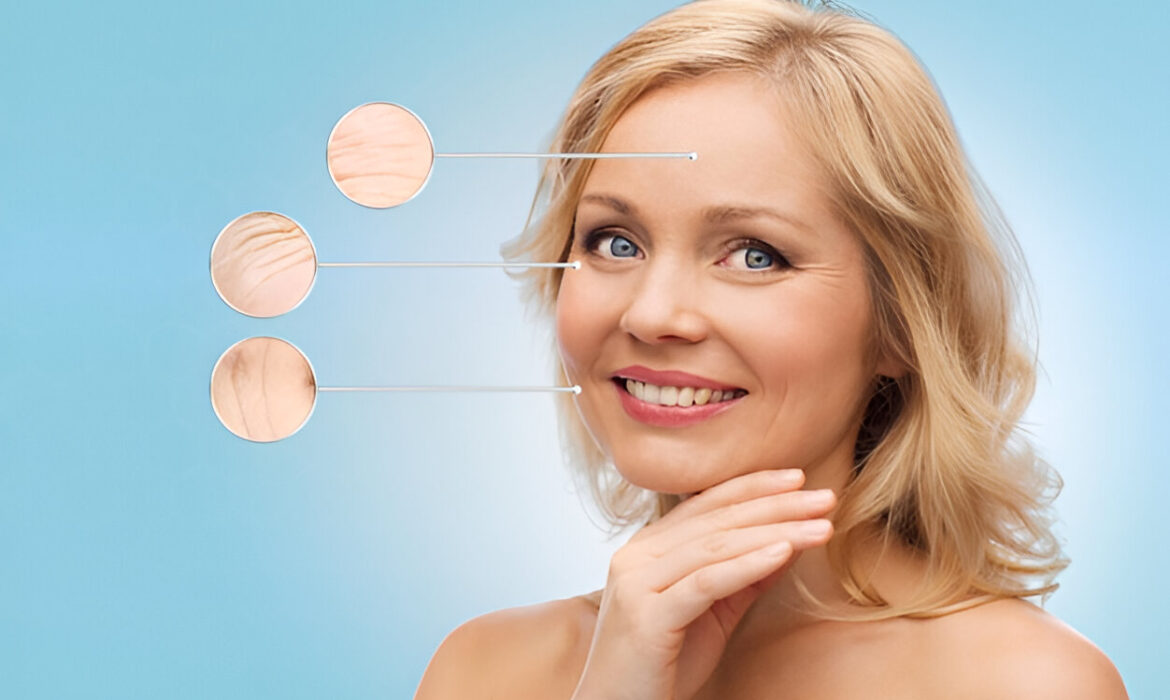
Explore Chennai’s top 5 dermatologist-approved anti-aging treatments for 2025, including Microneedling, Hydrafacial, HIFU treatments. Dr. Hanan Clinic to make confident, informed hair choices.
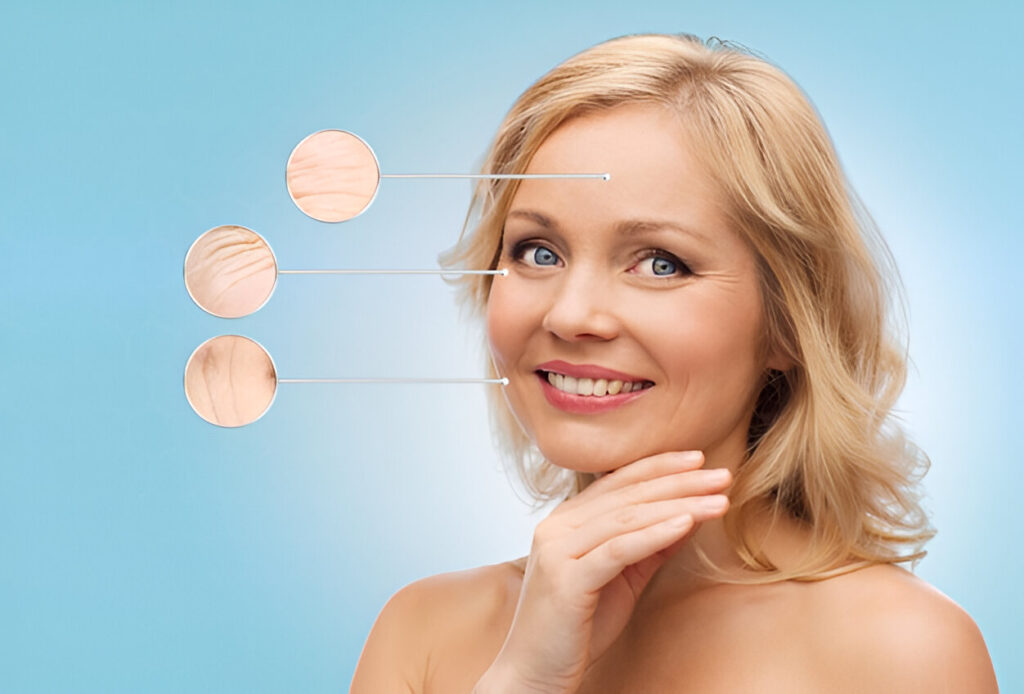
Aging is a natural process, but the desire to look young is timeless. In 2025, progress in dermatology and beauty therapy has brought out more effective and safe anti-aging treatment than ever. If you want to maintain the firm, glow and young looking skin, then the top five anti-aging treatments here are actually working-bounced by experts and science.
Microneedling with exosomes is one of the most advanced anti-aging innovations of 2025. While traditional microneedling boosts collagen by creating micro-injuries, the addition of exosomes—powerful cell-derived messengers—supercharges your skin’s healing and rejuvenation.|
How It Works:
Minimal — 1–2 days of mild redness or sensitivity
HydraFacial has become one of the most popular anti-aging facials due to its ability to combine deep cleaning, exfoliation and hydration in a session. In 2025, new versions of HydraFacial include powerful anti-aging serums such as peptides, antioxidants, and growth factors.
How It Works:
Zero downtime. It’s considered a lunchtime procedure.
Laser resurfacing 2025 has a gold standard to tighten the skin and treat age -related pigmentation and texture issues.
How It Works:
Depends on the laser used—ranges from 3 to 7 days
Neurotoxins like Botox and dermal fillers like hyaluronic acid are still among the most effective non-surgical anti-aging treatments. In 2025, advanced techniques ensure a more natural and subtle look.
How It Works:
Minimal; mild swelling or bruising may last 1–2 days
HIFU (High-Intensity Focused Ultrasound) is a non-invasive treatment that targets deep layers of the skin to stimulate collagen and tighten tissues. It’s a 2025 favorite for patients who want a facelift-like effect—without the pain, cost, or downtime of surgery.
How It Works:
Zero downtime; you can resume activities immediately.
Not all treatments are suitable for everyone. A dermatologist will consider the following factors
1. Age and skin type
2. Skin concerns (wrinkles, sagging, pigmentation)
3. Medical history
4. Lifestyle and budget
Always consult a board-certified dermatologist like those at Dr. Hanan Dermatology Speciality and Trichology and Hair Transplant Center in Chennai for a customized anti-aging plan.
With over 868+ Google reviews and a 4.9/5 rating, Dr. Hanan’s clinic is one of the most trusted names in Chennai for skin and hair treatments. Our expert team uses FDA-approved equipment, personalized treatments, and modern techniques to help you age gracefully.
At Dr. Hanan Dermatology Speciality and Trichology Clinic in Chennai. , we combine medical expertise with personal care. Our hair transplant procedures are:
1. Performed by qualified dermatologist and surgeons
2. Advanced FUE -driven by technology
3. To conform to your unique hairline and facial features
4. Long -term follow -up and supported by support
Whether you are facing the loss of thin or advanced hair at an early stage, we are helping to re-achieve your confidence here-naturally and safely.
2025 brings incredible options for reversing signs of aging. Whether you want to reduce wrinkles, improve skin tone, or simply feel more confident in your skin—modern dermatology offers safe and powerful solutions.
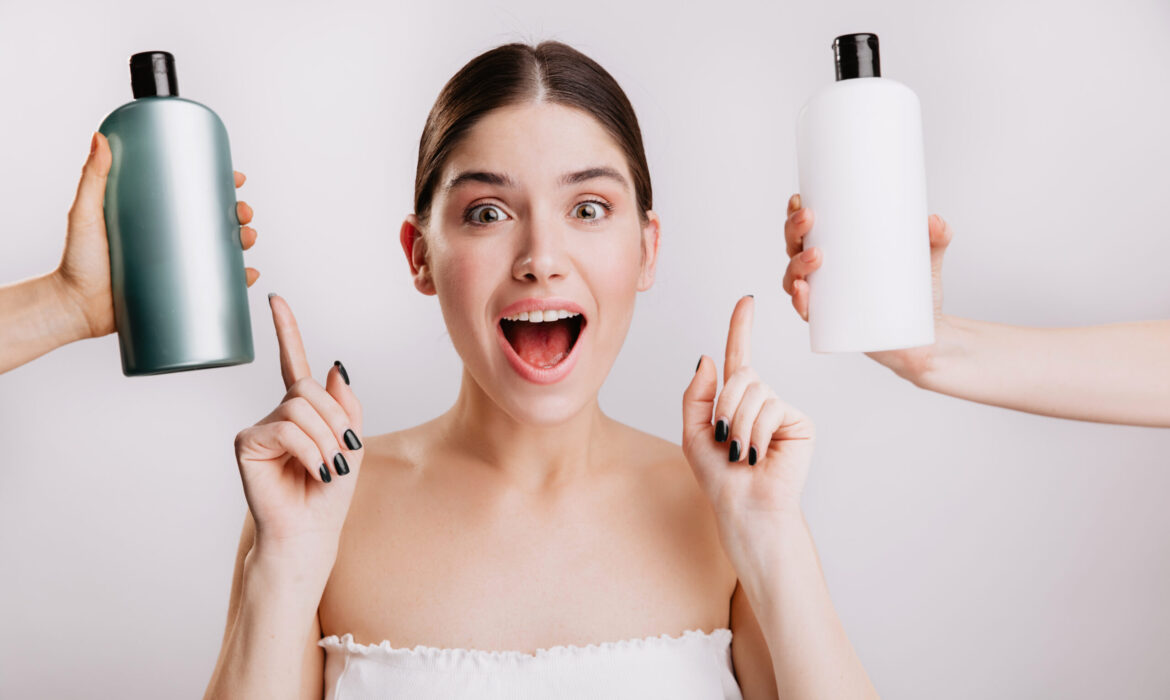
Confused about shampoo? Learn how to choose the right shampoo for your hair type with expert tips from Dr. Hanan Dermatology Clinic, Chennai.
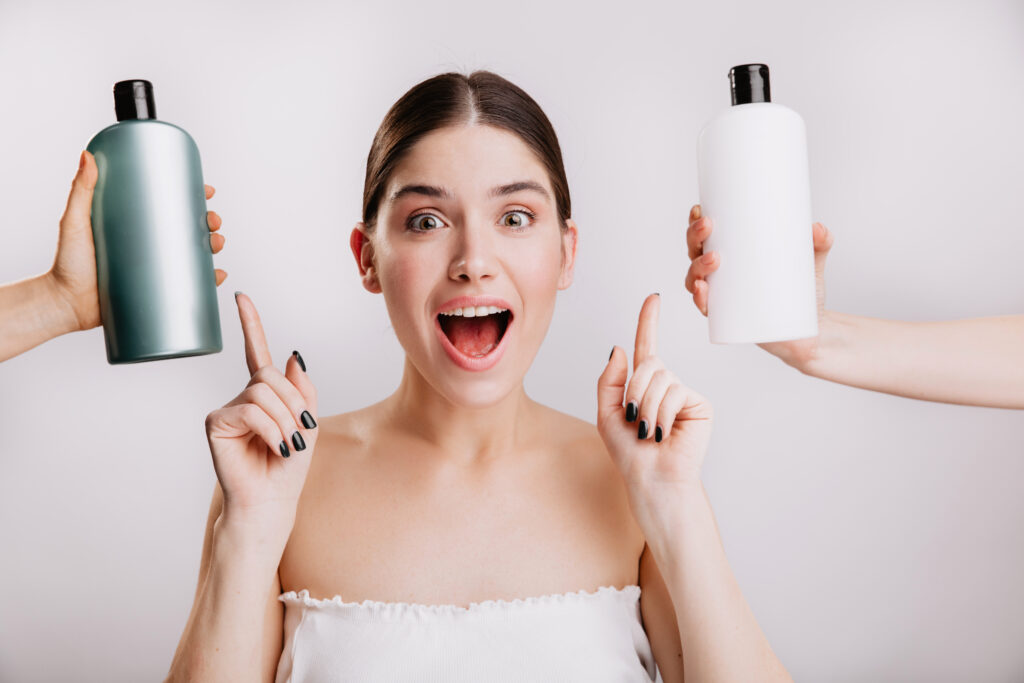
Choosing the right shampoo might seem like a small decision, but it plays a big role in your hair health. With endless options on the shelves—hydrating, clarifying, volumizing, anti-dandruff—it’s easy to feel confused. The truth is, using the wrong shampoo can lead to dryness, hair fall, dandruff, and an irritated scalp.
At Dr. Hanan Dermatology Speciality and Trichology Clinic in Chennai, we guide our patients in making personalized hair care choices, starting with the right shampoo for their unique hair and scalp type. In this blog, let’s decode how to pick the perfect shampoo that actually works for you.
Your shampoo is more than just one cleanser – this is the foundation of your hair care routine. The right one supports the health of your scalp, strengthens your hair roots, and keeps your strands shiny and manageable. Wrong one, however, can spoil your scalp condition and cause issues like:
Before shopping for a shampoo, determine your hair type:
Quickly looks smooth or flat. A clear or balancing shampoo is required that removes excess oil without drying the scalp.
Often feel brittle, rough or frizzy. A moisturizing or hydrating shampoo with ingredients such as shea butter, argan oil, or coconut oil.
Not very oily or dry. You can choose a mild, sulfate-free shampoo that maintains the natural balance of your scalp.
Oily on the roots and dry at the ends. Choose a balancing formula or apply shampoo to the scalp only when conditioning the ends.
A healthy scalp equals healthy hair. Match your shampoo to your scalp needs, not just your hair strands.
Sensitive or itchy scalp: Use fragrance-free, dermatologist-tested shampoos that are soft and hypoallergenic.
Choose a shampoo that targets your specific hair concern:
Hair Concern | Ideal Shampoo Type |
Hair fall | Strengthening or anti-hair fall shampoo with keratin or biotin |
Dandruff | Anti-dandruff shampoo with zinc pyrithione, ketoconazole, or salicylic acid |
Frizz | Smoothing shampoo with argan oil or keratin |
Color-treated hair | Color-protect shampoo that’s sulfate-free |
Heat-damaged hair | Repairing shampoo with protein and amino acids |
When choosing a shampoo, always read the label. Avoid these ingredients that can damage your hair over time:
Artificial fragrance or color – May trigger sensitivity or allergies
If you’re unsure whether a shampoo will suit your hair:
If irritation, hair fall, or excess dryness occurs, discontinue use and consult a dermatologist.
Every scalp and hair type are different. This is why Dr. Hanan Dermatology Specialty and Trichology Clinic in Chennai, we provide individual hair care guidance after a detailed scalp analysis. Whether you are struggling with hair loss, dandruff, or dryness, our team will help you take the right shampoo and treatment to restore hair health.
Shampoo your scalp, not only hair length
Rinse well to avoid buildup
Use lukewarm or cold water, not hot
Follow with conditioner suitable for your hair type
Do not over wash – For most people the ideal wash is 2-3 times.
Your shampoo can either protect your hair or be the silent criminal behind damage. Choosing the right shampoo for your hair type makes your hair healthy, vibrant and strong. If you are uncertain from where to start, then book a consultation with our hair experts at Dr. Hanan Dermatology and Trichology Clinic – we are here to guide you at every step.

Dr Hanan Dermatology Speciality clinic a Leading Dermatology, Cosmetology Clinic that provides the Best Affordable Treatment for Skin, Hair & Laser.
Our Contacts
Copyright © 2024 Dr Hanan Dermatology Speciality Clinic is Developed and Maintained by Qualpr | Privacy Policy | Terms and Conditions
Dr Hanan Dermatology Speciality Clinic
Typically replies within minutes
Any questions related to Skin, Hair, and Cosmetic or Looking to book an appointment?
WhatsApp Us
🟢 Online | Privacy policy
WhatsApp us