
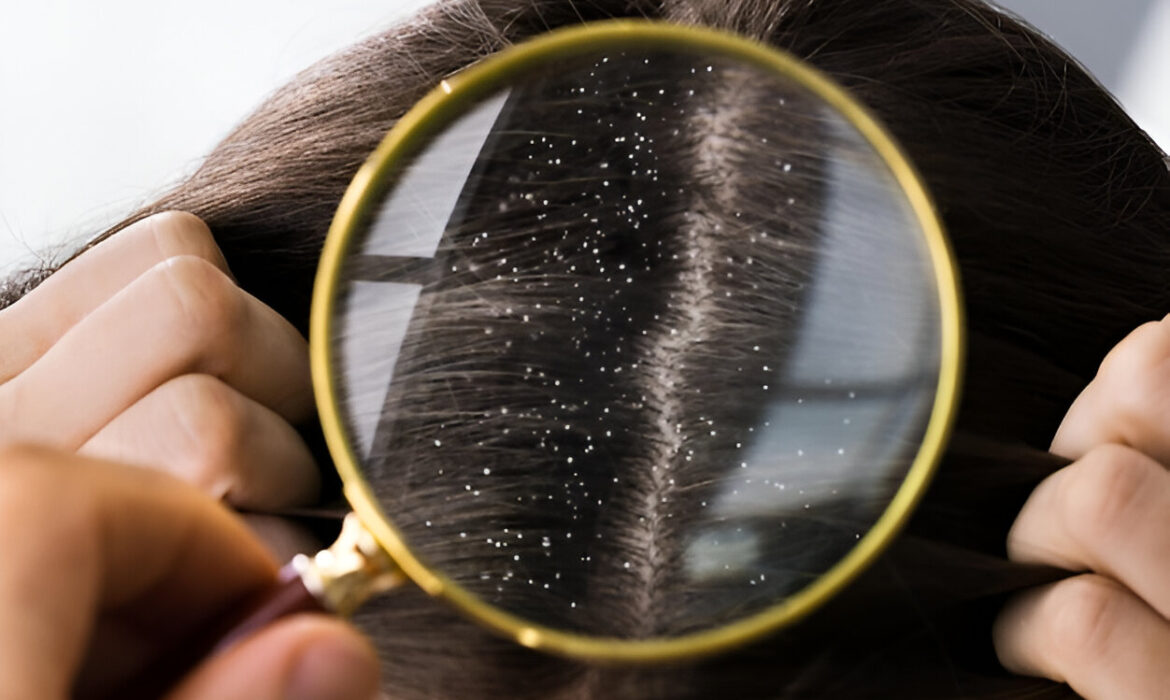
Best Treatments for Dandruff and Itchy Scalp
Best Treatments for Dandruff and Itchy Scalp
Find the best treatments for dandruff and itchy scalp from Chennai’s expert dermatologists at Dr. Hanan Clinic.
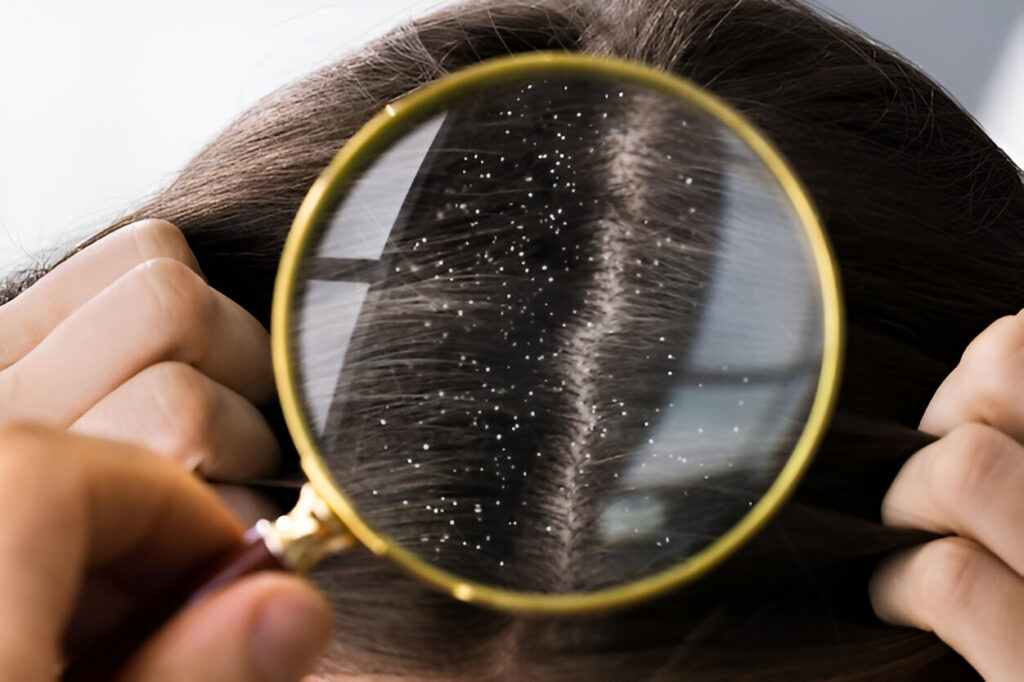
Dandruff and itchy scalp are two of the most common hair and scalp issues, affecting millions of people across all age groups. While they might seem like minor inconveniences, these conditions can lead to embarrassment, discomfort, and even hair loss if left untreated. At Dr. Hanan Dermatology Speciality and Trichology Clinic in Chennai, our dermatologists provide medically approved solutions that address the root cause of scalp problems—not just the symptoms.
This blog explains the best treatments for dandruff and itchy scalp, using a clinical, EEAT-backed approach to ensure you receive trustworthy, expert-backed advice for your hair and scalp health.
What Causes Dandruff and Itchy Scalp?
Dandruff is typically caused by one or a combination of the following:
- Seborrheic dermatitis (an inflammatory skin condition)
- Malassezia (a yeast-like fungus naturally found on the scalp)
- Dry skin or product buildup
- Excess oil production
- Improper scalp hygiene
- Sensitivity to hair care products (contact dermatitis)
An itchy scalp may also be triggered by the same factors or other conditions like psoriasis, eczema, or even lice. Identifying the cause is key to finding the right treatment.
What Is the Best Treatment for Dandruff According to Dermatologists?
At Dr. Hanan Clinic, we believe in customized, evidence-based treatment plans. Depending on your scalp type, the severity of your dandruff, and any underlying skin condition, our dermatologists may recommend:
1. Medicated Shampoos
Prescribed shampoos that contain:
- Ketoconazole (antifungal)
- Zinc pyrithione (antimicrobial + anti-inflammatory)
- Salicylic acid (exfoliates flakes and reduces buildup)
- Coal tar (slows skin cell turnover)
These are often used 2–3 times a week, followed by a mild, hydrating conditioner.
2. Topical Steroids or Antifungals
In cases of moderate to severe seborrheic dermatitis or psoriasis, dermatologists may prescribe:
- Corticosteroid lotions or creams
- Antifungal lotions or foams
These help reduce inflammation and yeast overgrowth on the scalp.
3. Scalp Exfoliation Treatments
Professional scalp exfoliation at our clinic can help remove:
- Dead skin buildup
- Excess oil
- Product residue
This prepares the scalp to absorb treatment products more effectively and restores scalp balance.
4. Low-Level Light Therapy (LLLT)
For chronic inflammation or itchiness, LLLT can help by:
- Improving microcirculation
- Reducing oxidative stress
- Boosting scalp health
This is often used alongside medicated shampoos for long-term results.
5. Hair & Scalp Analysis
We use digital trichoscopy to:
- Identify exact causes of dandruff
- Detect fungal growth or skin damage
- Customize your treatment protocol
How Do You Permanently Get Rid of Dandruff?
There is no “permanent” cure for dandruff, but it can be effectively managed with the right combination of:
- Medical treatment
- Consistent scalp hygiene
- Avoidance of harsh hair products
- Balanced diet (rich in zinc, omega-3s, and vitamin B)
- Regular follow-ups with a dermatologist
Dandruff often recurs when treatment is stopped prematurely or when lifestyle factors are ignored.
Can Dandruff Cause Hair Loss?
Yes, indirectly. Severe dandruff and constant scratching may lead to:
- Hair root inflammation
- Hair breakage
- Follicular damage due to fungal infections
While dandruff doesn’t cause baldness, chronic scalp inflammation can contribute to diffuse hair shedding or thinning, especially in individuals already prone to hair fall.
Are There Natural Remedies for Dandruff That Actually Work?
Some natural remedies offer mild relief, such as:
- Tea tree oil (antifungal)
- Apple cider vinegar rinses (restores pH)
- Aloe vera gel (soothing and anti-inflammatory)
However, these are best used as supportive care and should not replace dermatologist-prescribed treatments for persistent cases.
How Can I Prevent Dandruff and Itchy Scalp in the Future?
- Wash hair regularly with a gentle shampoo
- Avoid excessive oiling and product buildup
- Use non-comedogenic scalp care products
- Stay hydrated and eat a nutrient-rich diet
- Protect scalp from sun exposure
- Avoid harsh heat styling or chemical treatments
Routine scalp checkups at our clinic can help monitor your progress and avoid recurrence.
Why Choose Dr. Hanan Clinic for Scalp and Hair Treatments?
- Board-certified dermatologists with trichology expertise
- Advanced diagnostic tools like digital scalp analysis
- Personalized dandruff and scalp care plans
- Safe, medical-grade treatments and equipment
- Trusted care by one of Chennai’s leading dermatology clinics
Book a Consultation for Dandruff Treatment in Chennai
If you’re struggling with persistent dandruff or scalp irritation, don’t rely on over-the-counter fixes. Consult with our dermatology team at Dr. Hanan Dermatology Speciality and Trichology Clinic for safe and lasting relief.
Healthy scalp. Healthier hair. It starts with expert care.
Book Your Consultation Today!
For Personalised Treatment visit Dr. Hanan Clinic. Feel confident and proud with our expert care.
Table of Contents
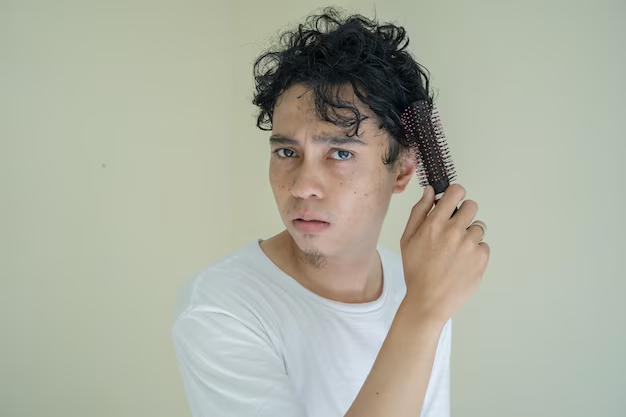
Hair Thinning in Teenage: How to Treat It
Hair Thinning in Teenage: How to Treat It
Struggling with hair thinning in teenage years? Get expert tips and treatments from Chennai’s trusted dermatologists at Dr. Hanan Clinic.
Hair thinning in teenage years is becoming increasingly common, especially due to modern lifestyle habits, nutritional gaps, stress, and hormonal changes. While it’s natural to lose a few strands daily, excessive hair fall or visible thinning at a young age can be distressing. At Dr. Hanan Dermatology Speciality and Trichology Clinic, Chennai, we see many teens facing this issue and provide tailored treatment plans based on in-depth diagnosis.
In this blog, we’ll explore the causes of teenage hair thinning, how to spot early signs, effective treatments, and expert tips to regain hair health safely.
In this blog, we’ll explore the causes of teenage hair thinning
Why Is My Hair Thinning as a Teenager?
Hair thinning during adolescence can be due to several reasons—some reversible, some needing long-term management. The key is early diagnosis.
Common Causes of Hair Thinning in Teenagers:
- Hormonal Changes
Puberty brings a surge in hormones like androgens, which can disrupt the hair growth cycle and cause thinning in both boys and girls. - Nutritional Deficiencies
Low levels of iron, zinc, protein, biotin, or vitamin D can significantly impact hair health. - Stress and Mental Health
Academic pressure, social anxiety, or emotional issues can trigger Telogen Effluvium, a stress-induced form of hair loss. - Poor Diet or Crash Dieting
Skipping meals, extreme calorie deficits, or eating mostly junk food can deprive hair follicles of essential nutrients. - Genetics (Androgenetic Alopecia)
If one or both parents have pattern baldness, it may begin early, especially in males. - Over-Styling and Heat Damage
Constant use of straighteners, curling rods, or tight hairstyles damages hair shafts and roots. - Underlying Medical Conditions
Conditions like PCOS, thyroid imbalance, or autoimmune disorders like alopecia areata may be the root cause.
Related Link: Learn more about Types of Hair Loss and Their Treatments
How to Know If You Have Hair Thinning as a Teen?
Recognizing the early signs of hair thinning is essential for timely treatment.
Early Signs Include:
- A widening parting or receding hairline
- More hair on pillow, comb, or shower drain
- Scalp visibility through the hair
- Hair feeling thinner or lighter than usual
- Reduced ponytail thickness (for girls)
Can Hair Thinning in Teenagers Be Reversed?
Yes—most types of hair thinning in teenagers can be reversed if treated early and correctly. The approach may include medical treatment, lifestyle changes, and professional care under a dermatologist.
Symptoms: Patchy hair loss, broken hairs, and thinning. Most common in adolescents and young adults.
Management: Behavioral therapy, psychological support, and dermatological care.
Best Treatments for Hair Thinning in Teenage
At Dr. Hanan Clinic, we customize hair loss treatment based on the patient’s age, diagnosis, severity, and medical history.
1. Topical Treatments
Mild topical solutions like minoxidil (in low strength) may be used under medical supervision to stimulate hair follicles and improve density.
2. Nutritional Therapy
We prescribe supplements containing biotin, iron, zinc, and amino acids to restore internal imbalances. Diet counseling is often part of the treatment.
3. PRP Therapy for Teens
Platelet-Rich Plasma (PRP) therapy is a safe, non-surgical treatment that uses your own blood’s growth factors to stimulate hair regrowth. It’s becoming a popular option even for young patients with early signs of androgenetic alopecia.
4. Low-Level Laser Therapy (LLLT)
This painless treatment boosts blood circulation in the scalp and revitalizes weak hair follicles.
5. Microneedling
For early-stage thinning, microneedling combined with hair serums can help increase scalp absorption and rejuvenate follicles.
What Not to Do If You're a Teen Experiencing Hair Loss
- Don’t self-medicate with strong OTC hair loss products
- Avoid using adult-strength minoxidil or oral finasteride without a prescription
- Don’t follow viral trends (on TikTok, YouTube, etc.) without expert advice
- Avoid stress-induced pulling or tugging of hair (Trichotillomania)
Expert Tips to Prevent Hair Thinning in Teenagers
- Eat a balanced diet with protein, leafy greens, and healthy fats
- Wash your scalp 2–3 times a week with a gentle, sulfate-free shampoo
- Avoid tight hairstyles like ponytails or buns
- Stay hydrated and get 7–8 hours of sleep
- Incorporate relaxation methods like yoga or journaling to manage stress
When to See a Dermatologist for Hair Thinning
Visit a specialist if:
- Hair thinning has continued for more than 2–3 months
- You have a family history of baldness
- You notice bald patches or scalp inflammation
- You are experiencing emotional distress due to hair changes
At Dr. Hanan Dermatology Speciality and Trichology Clinic, our dermatologists use trichoscopy, blood tests, and clinical evaluation to diagnose the exact reason for your hair thinning. This enables us to design a personalized, teen-friendly treatment plan.
Explore Treatments: Hair Regrowth Treatments in Chennai
Final Thoughts: Hair Thinning in Teenage Is Treatable
While hair thinning in teenage years can feel overwhelming, the good news is that it’s usually reversible with timely care. Whether the root cause is stress, poor nutrition, or hormonal changes, you don’t have to face it alone.
Our team at Dr. Hanan Clinic in Chennai has helped hundreds of teens regain confidence and fuller, healthier hair. Early consultation and a customized plan are the keys to long-term hair wellness.
Book Your Consultation Today!
For Personalised Treatment visit Dr. Hanan Clinic. Feel confident and proud with our expert care.
Table of Contents
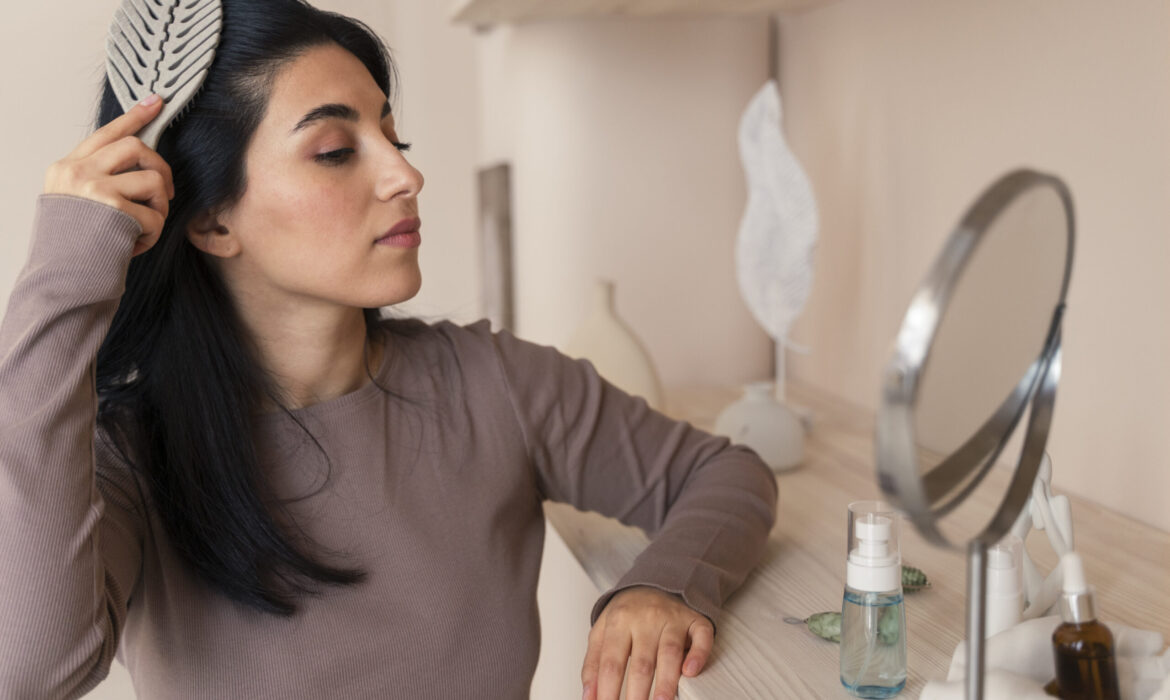
Dermatologist Approved Haircare Habits
Dermatologist Approved Haircare Habits
Learn dermatologist approved haircare habits to boost scalp health. Spot green flags vs red flags and protect your hair with expert tips from Dr. Hanan Clinic, Chennai.
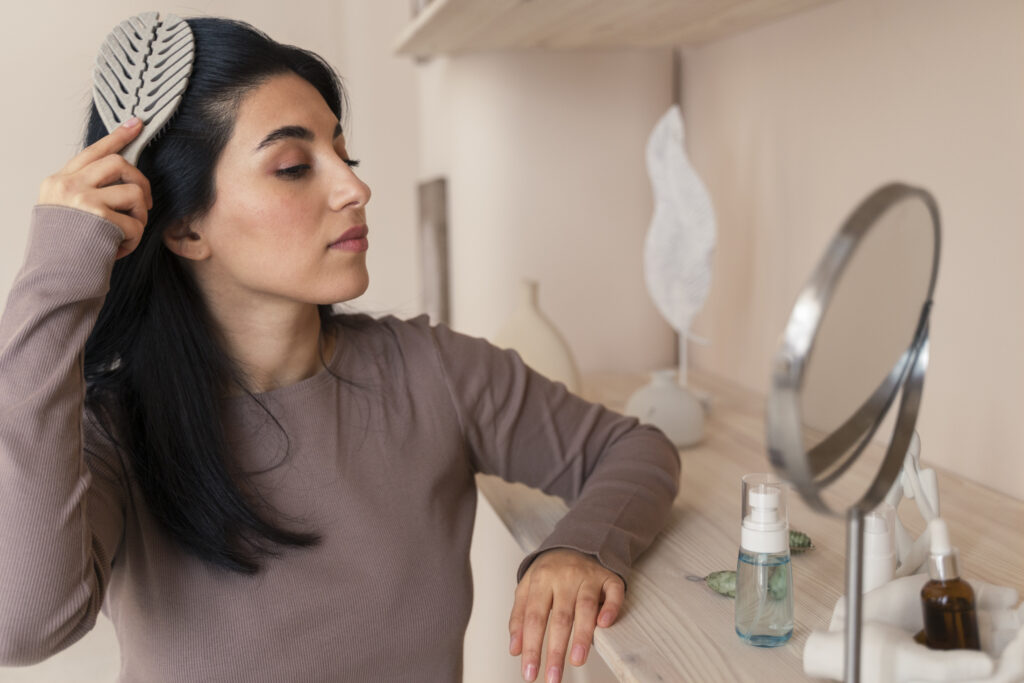
Table of Contents
Healthy, strong hair doesn’t just come from good genetics—it also comes from consistent, scientifically sound haircare habits. But many people follow advice from social media or hearsay, which sometimes includes harmful steps. In this blog, we’ll walk you through dermatologist-approved green flags (good habits you should follow) and red flags (practices to avoid). Use this as your reference to build a haircare routine that supports scalp health and hair growth.
Why Haircare Habits Matter
Your scalp is skin too, and hair follicles depend on a balanced environment—adequate hydration, minimal inflammation, good blood circulation, and proper nutrition. Poor habits (overwashing, harsh chemicals, tight hairstyles) can cause damage, breakage, hair fall, or scalp issues like irritation or dandruff.
As specialists in dermatology and trichology, at Dr. Hanan Dermatology Speciality and Trichology Clinic, we see many patients whose hair loss or scalp problems are worsened by bad habits. The good news: small changes—making more green flag habits—can make a big difference.
Green Flag Haircare Habits (What Dermatologists Approve)
These are safe, beneficial habits that support hair health for most people
Use a gentle, sulfate-free shampoo
Harsh sulfates strip natural oils, making the scalp dry and triggering overcompensation by sebaceous glands. Use mild cleansers or shampoos with gentle surfactants. For example, shampoos containing cocamidopropyl betaine or sodium lauryl sulfoacetate are milder.
Wash frequency suited to scalp type
Not everyone needs daily shampooing. For those with oily scalps, washing more often is okay; for dry or color-treated hair, washing 2–3 times per week may suffice. Let your scalp’s oil balance guide you.
Condition the mid-lengths to ends
Apply conditioner only from the mid-shaft downward—not on the scalp—so that the scalp isn’t weighed down or clogged. Use ingredients like panthenol, hydrolyzed keratin, and natural oils in conditioners.
Pat dry, don’t rub
Vigorous towel rubbing causes mechanical damage. Instead, gently pat or squeeze excess water, or use a microfiber towel or soft cotton T-shirt.
Use wide-tooth combs or detangling brushes
Especially when hair is wet, use a wide-tooth comb or specially designed detangler to minimize breakage.
Protect hair from heat & UV damage
- Use a heat protectant spray before blow-drying, straightening, or curling.
- Keep styling tools at moderate temperature (below ~180 °C).
- During sun exposure, protect hair with hats or use hair sunscreen or UV-protectant sprays.
Learn more about protection in our blog on Hair Fall While Combing: Best Ways to Minimize It
Scalp massage & circulation support
Gently massaging the scalp for a few minutes daily improves blood flow. Some dermatologists recommend low-level laser therapy (LLLT) or microneedling (under clinical supervision) to boost follicle health.
Scalp massages improve circulation. Some clinical solutions like PRP therapy also stimulate hair regrowth (read more about PRP Treatment for Hair Loss in Chennai
Balanced diet and hydration
Hair follicles need nutrients. Ensure adequate protein, iron, zinc, biotin, omega-3 fatty acids, vitamins A, C, D. Drink enough water. Poor nutrition often shows up as weak, dull hair.
Regular trimming
Trimming split ends every few months prevents further splitting that can travel up the hair shaft. This doesn’t grow hair faster, but helps hair look healthier.
Consistent scalp care routine
If you have dandruff, sensitivity, or scalp conditions, use medicated shampoos or treatments as prescribed. Follow dermatologist advice rather than random over-the-counter aggressive treatments.
Red Flag Haircare Habits (What Dermatologists Warn Against)
These are common but harmful practices that many people do—often without realizing the damage they cause.
Daily use of harsh chemical treatments
Bleaches, strong perms, repeated coloring can damage hair structure and scalp barrier. Doing these frequently weakens hair and increases breakage or permanent hair loss.
Over-washing or frequent shampooing with harsh surfactants
This strips natural oils and damages the scalp barrier, causing compensatory oiliness, dryness, or irritation.
Applying conditioner or heavy product directly to the scalp
This can block follicle openings, trap debris, and lead to clogged pores or milia, especially in sensitive scalps.
Tight hairstyles & constant traction
Styles like braids, tight ponytails or buns, weaves, or extensions create strain on hair follicles, causing traction alopecia over time.
Sleeping without hair protection
Sleeping on rough cotton pillowcases or without wrapping/covering your hair can cause friction, leading to breakage.
Heat styling at very high temperatures
Using flat irons or curling wands at extreme heat repeatedly damages keratin bonds and leads to brittle, broken hair.
Ignoring scalp symptoms
Itchiness, flaking, pain, or tender spots might indicate scalp disease—ignoring them or self-medicating can worsen the condition.
Use of generic or aggressive products without guidance
Random use of strong acids, bleaching agents, or unknown serums can lead to chemical burns, pigmentation, or hair loss.
Skipping sun protection for hair
UV radiation damages hair protein, fades color, and weakens structure. Scalp and hair UV protection is needed.
Poor diet, dehydration, over-stress
Chronic stress, nutrient deficiency, dehydration, smoking all negatively influence hair health.
Tips for Building a Dermatologist-Approved Haircare Routine
- Identify your scalp type (oily, dry, normal, combination)
- Choose gentle products with fewer irritants
- Start with the green flag habits above and gradually eliminate red flag ones
- Monitor your hair over 2–3 months and adjust
- If persistent hair fall, thinning or scalp changes occur, consult a dermatologist or trichologist
At Dr. Hanan Dermatology Speciality and Trichology Clinic, we evaluate scalp condition, hair density, and history before recommending a personalized regime.
Why Dr. Hanan Clinic Is Trusted for Haircare
When patients look for the best dermatologist in Chennai or the top hair transplant clinic in Chennai, they often find us. Our reputation comes from:
- Expert dermatologists and trichologists who diagnose and treat scalp/hair issues scientifically
- Ethical, evidence-based treatments that protect scalp health
- Genuine patient reviews (our clients often share how adopting green flag habits after their treatments improved results)
- Seamless integration between dermatology (skin) and trichology (hair) care
Final Thoughts
Building a haircare routine based on dermatologist-approved habits strengthens your hair, protects your scalp, and enhances the results of any medical treatment you may undergo. Always look for green flag habits and be aware of the red flags.
If you’re noticing persistent hair fall, thinning, or scalp issues, your best step is to consult a specialist. At Dr. Hanan Dermatology Speciality and Trichology Clinic, we combine medical expertise with patient education – helping you care for your hair every day.
Book Your Consultation Today!
For Personalised Treatment visit Dr. Hanan Clinic. Feel confident and proud with our expert care.