Explore Chennai’s top 5 dermatologist-approved anti-aging treatments for 2025, including Microneedling, Hydrafacial, HIFU treatments. Dr. Hanan Clinic to make confident, informed hair choices.

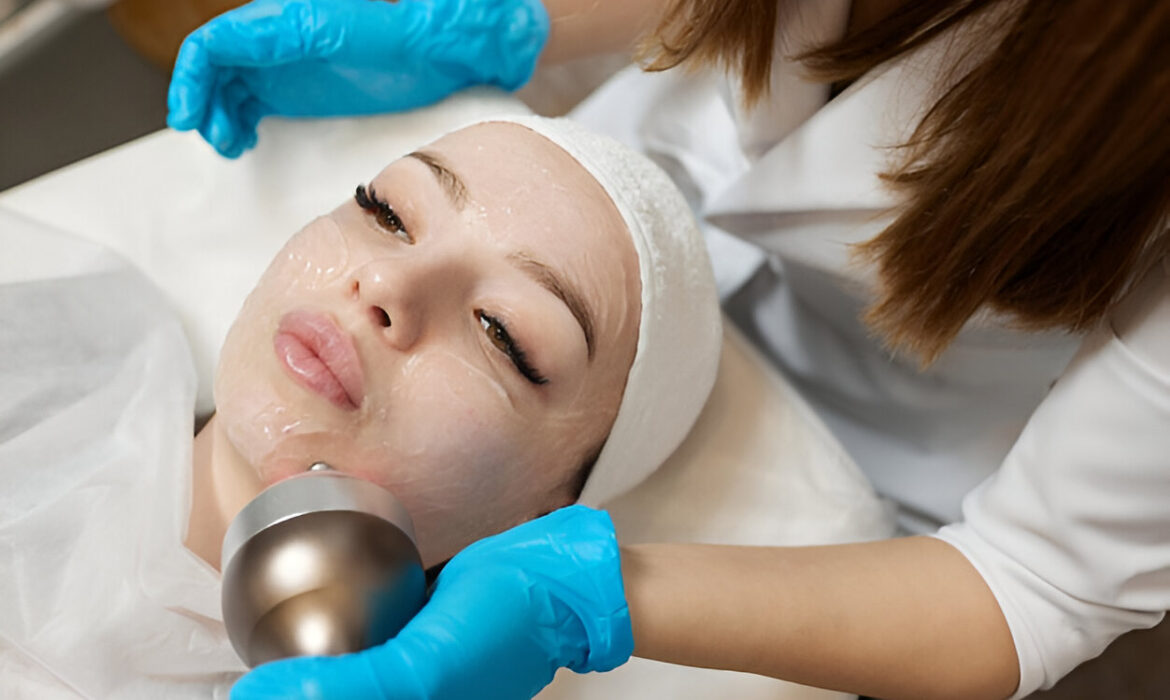
Confused between laser skin resurfacing vs chemical peels? Discover the best treatment for your skin goals at Dr. Hanan Clinic, Chennai.
When it comes to rejuvenating your skin, two popular treatments often stand out: laser skin resurrection and chemical peels. Both are designed to reduce pigmentation, fine lines, acne marks and dullness -but they work differently, have different downtime, and suits for different types of skin.
In Dr. Hanan Dermatology Specialty and Trichology Clinic, we provide both these treatments to suit your unique skin needs. This guide will help you understand the difference between laser treatment and chemical peels, and which may be right for your skin goals.
The laser skin resurfacing uses the focused beams of light to remove the outer layers of the damaged skin and stimulate collagen production. It is highly effective in addressing deep wrinkles, acne marks and uneven skin tones.
Chemical peels involve applying an acid-based solution to exfoliate the skin and trigger regeneration. They can use light (superficial) to deep, which depends on the strength and type of use.
1–7 days depending on the peel strength
Feature | Laser Skin Resurfacing | Chemical Peels |
|---|---|---|
Method | Light-based | Acid-based |
Depth | Deeper penetration | Surface to mid-depth |
Best For | Deep wrinkles, scars | Pigmentation, dullness |
Downtime | 3–10 days | 1–7 days |
Number of Sessions | 1–3 (spaced months apart) | 3–6 (spaced weeks apart) |
Skin Tone Caution | Can cause pigmentation in darker tones if not managed well | Safer for all tones with proper peel selection |
Both treatments are highly effective – but selection between them depends on your skin type, anxiety, lifestyle and downtime tolerance.
Whether you choose laser or peel, your results – and protection of the skin – depend on the diagnosis and technique. At Dr. Hanan Dermatology Clinic, We:
We also offer combination protocols like Laser + Peel or Peel + PRP for even better results.
There is no one size-fit-all answer. The best treatment is one that fits your skin type, lifestyle and long -term goals.
For deep changes: laser resurfacing
For subtle clarity and glow: chemical peels
Still not sure? We are here to help.
Visit Dr. Hanan Dermatology Clinic – Chennai’s Expert in Skin Rejuvenation

Confused about choosing the right shampoo? Discover how to choose the right shampoo for your hair type, scalp, and concerns with expert guidance from Dr. Hanan Clinic

Finding the perfect shampoo isn’t just about picking the bottle that smells the best or is trending online. Your shampoo can make or break your hair health, and yet most people overlook this essential part of their hair care routine. If you’re wondering How to choose the best shampoo for hair loss, you’re not alone — and you’ve come to the right place.
At Dr. Hanan Dermatology Speciality and Trichology Clinic, we treat hundreds of patients who face hair fall, dullness, dryness, dandruff, or thinning hair — often because they’re using the wrong shampoo. This guide will help you understand exactly how to choose the right shampoo for your hair type, scalp condition, and lifestyle.
Your shampoo is the foundation of your hair care routine. Need a good shampoo:
On the other hand, the wrong shampoo can:
So understanding how to choose right shampoo is a must — whether you’re experiencing specific hair issues or simply want healthier locks.
Many people buy shampoo based on hair texture – curly, straight, wavy, etc. But shampoos mainly target your scalp, not your varieties. So the first step in choosing the right shampoo is understanding your scalp type.
An oily scalp tends to produce excess sebum, making your hair look greasy soon after washing.
What to choose:
Avoid:
Pro tip: Avoid washing too frequently — it can trigger more oil production.
A dry scalp may feel tight, itchy or flashed. It is often confused with dandruff, but is usually caused by lack of moisture.
What to choose:
Avoid:
Pro tip: Use lukewarm water instead of hot water to retain natural oils.
A normal scalp is neither too oily nor too dry — it’s balanced and healthy.
What to choose:
Avoid:
Pro tip: Even with a normal scalp, seasonal changes can affect oil production.
Once you find out the type of your scalp, it is time to see your hair shaft – its texture, thickness and density. The type of shampoo you need on the basis of these factors will be different.
Fine hair strands are thinner and more delicate. They’re prone to breakage and can look limp easily.
What to choose:
Avoid:
Pro tip: Use a clarifying shampoo once a week to remove buildup.
Thicker hair strands need more moisture to stay manageable and frizz-free.
What to choose:
Avoid:
Pro tip: Pair your shampoo with a deep conditioner for best results.
What to choose:
Avoid:
Another key to learning how to choose the right shampoo for your hair is matching it with your specific hair issues.
Hair fall can be caused by genetics, hormones, stress, or product misuse.
What to choose:
Avoid:
Pro tip: A proper scalp diagnosis at a trichology clinic is the best first step.
Caused by fungal overgrowth or dryness, dandruff requires targeted treatment.
What to choose:
Avoid:
Pro tip: Follow the treatment shampoo with a moisturizing conditioner to avoid drying the lengths.
Dyed or chemically treated hair is fragile and prone to color fading.
What to choose:
Avoid:
Pro tip: Limit shampooing to 2–3 times a week to preserve color vibrancy.
Product labels can be confusing. Here’s how to simplify your choice:
Pro tip: Look for “dermatologically tested” or “clinically approved” on labels for better scalp safety.
Even if a shampoo looks perfect on paper, your scalp may react to certain ingredients.
Pro tip: This is especially important if you have eczema, psoriasis, or allergies.
Choosing a shampoo involves multiple layers — scalp type, hair texture, ingredients, and goals. If you’re overwhelmed or facing hair loss, consult a trichologist for a personalized plan.
At Dr. Hanan Dermatology Speciality and Trichology Clinic, we provide:
Now that you know how to choose right shampoo and how to match it to your scalp and hair type, you can say goodbye to bad hair days. The right shampoo:
Don’t fall for viral trends — your hair deserves what’s truly right for it. And if you’re unsure, we’re here to help.
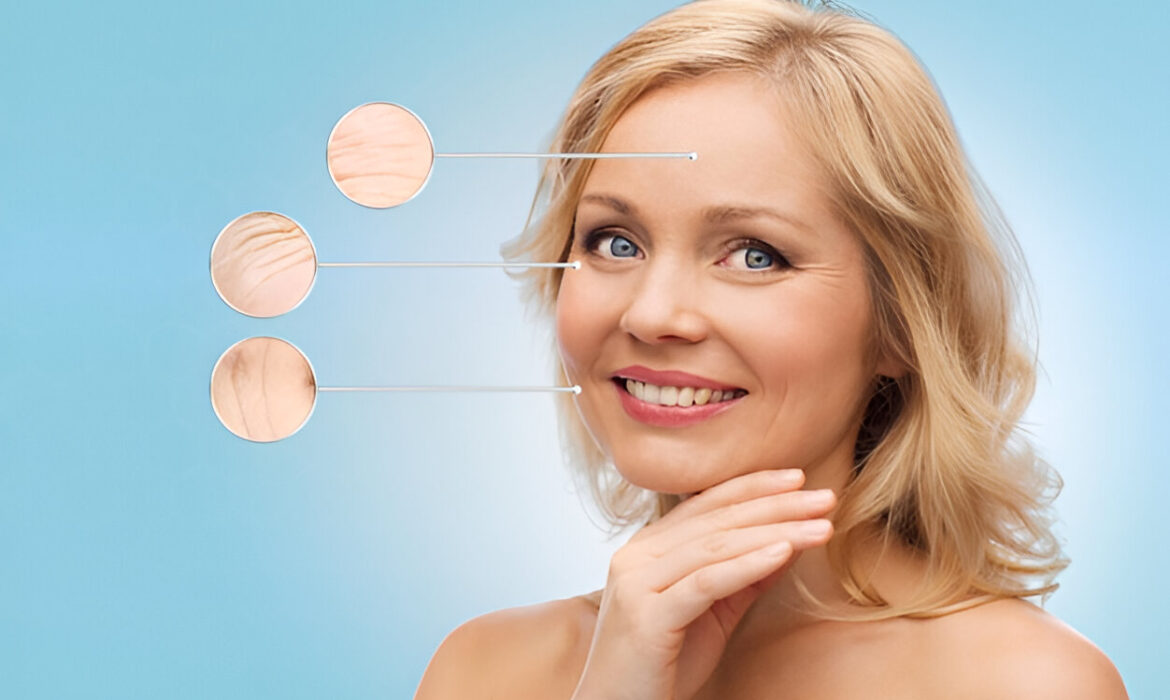
Explore Chennai’s top 5 dermatologist-approved anti-aging treatments for 2025, including Microneedling, Hydrafacial, HIFU treatments. Dr. Hanan Clinic to make confident, informed hair choices.
Aging is a natural process, but the desire to look young is timeless. In 2025, progress in dermatology and beauty therapy has brought out more effective and safe anti-aging treatment than ever. If you want to maintain the firm, glow and young looking skin, then the top five anti-aging treatments here are actually working-bounced by experts and science.
Microneedling with exosomes is one of the most advanced anti-aging innovations of 2025. While traditional microneedling boosts collagen by creating micro-injuries, the addition of exosomes—powerful cell-derived messengers—supercharges your skin’s healing and rejuvenation.|
How It Works:
Minimal — 1–2 days of mild redness or sensitivity
HydraFacial has become one of the most popular anti-aging facials due to its ability to combine deep cleaning, exfoliation and hydration in a session. In 2025, new versions of HydraFacial include powerful anti-aging serums such as peptides, antioxidants, and growth factors.
How It Works:
Zero downtime. It’s considered a lunchtime procedure.
Laser resurfacing 2025 has a gold standard to tighten the skin and treat age -related pigmentation and texture issues.
How It Works:
Depends on the laser used—ranges from 3 to 7 days
Neurotoxins like Botox and dermal fillers like hyaluronic acid are still among the most effective non-surgical anti-aging treatments. In 2025, advanced techniques ensure a more natural and subtle look.
How It Works:
Minimal; mild swelling or bruising may last 1–2 days
HIFU (High-Intensity Focused Ultrasound) is a non-invasive treatment that targets deep layers of the skin to stimulate collagen and tighten tissues. It’s a 2025 favorite for patients who want a facelift-like effect—without the pain, cost, or downtime of surgery.
How It Works:
Zero downtime; you can resume activities immediately.
Not all treatments are suitable for everyone. A dermatologist will consider the following factors
1. Age and skin type
2. Skin concerns (wrinkles, sagging, pigmentation)
3. Medical history
4. Lifestyle and budget
Always consult a board-certified dermatologist like those at Dr. Hanan Dermatology Speciality and Trichology and Hair Transplant Center in Chennai for a customized anti-aging plan.
With over 868+ Google reviews and a 4.9/5 rating, Dr. Hanan’s clinic is one of the most trusted names in Chennai for skin and hair treatments. Our expert team uses FDA-approved equipment, personalized treatments, and modern techniques to help you age gracefully.
At Dr. Hanan Dermatology Speciality and Trichology Clinic in Chennai. , we combine medical expertise with personal care. Our hair transplant procedures are:
1. Performed by qualified dermatologist and surgeons
2. Advanced FUE -driven by technology
3. To conform to your unique hairline and facial features
4. Long -term follow -up and supported by support
Whether you are facing the loss of thin or advanced hair at an early stage, we are helping to re-achieve your confidence here-naturally and safely.
2025 brings incredible options for reversing signs of aging. Whether you want to reduce wrinkles, improve skin tone, or simply feel more confident in your skin—modern dermatology offers safe and powerful solutions.

Dr Hanan Dermatology Speciality clinic a Leading Dermatology, Cosmetology Clinic that provides the Best Affordable Treatment for Skin, Hair & Laser.
Our Contacts
Copyright © 2024 Dr Hanan Dermatology Speciality Clinic is Developed and Maintained by Qualpr | Privacy Policy | Terms and Conditions
Dr Hanan Dermatology Speciality Clinic
Typically replies within minutes
Any questions related to Skin, Hair, and Cosmetic or Looking to book an appointment?
WhatsApp Us
🟢 Online | Privacy policy
WhatsApp us