
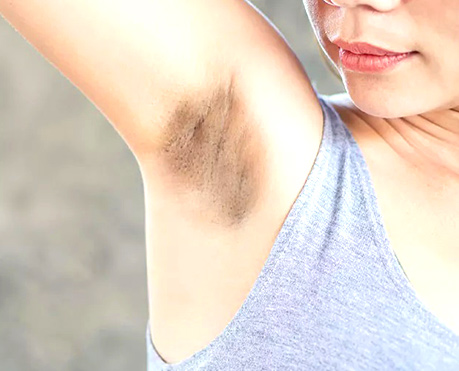
Dark Underarms: Causes, Prevention, and Effective Treatments
Dark Underarms: Causes, Prevention, and Effective Treatments
Discover what causes dark underarms, how to prevent them, and the best treatments for smooth, even-toned skin. Say goodbye to dark patches!
Dark underarms can be a source of discomfort and insecurity for many people, which often puts people off from wearing sleeveless shirts. Although this condition is normal and harmless, it can also have a significant impact on your confidence and self-esteem.
Understanding the causes of dark underarms and learning about effective treatments is important for anyone wanting to manage or prevent the condition.
In this guide, we’ll dive into the causes of dark underarms. intensive Find ways to prevent it. and provides effective treatments that can restore the skin’s glow.
What Causes Dark Underarms?
Dark underarms can be the result of many factors. Each factor contributes to color change or pigmentation in different ways. Here are the main reasons:
1. Hyperpigmentation
Hyperpigmentation is a common condition in which the skin’s surface is darker than the surrounding area. This is due to the production of too much melanin, which makes the skin-colored. It can be caused by genetics, sunlight, or inflammation.
2. How to shave and remove hair
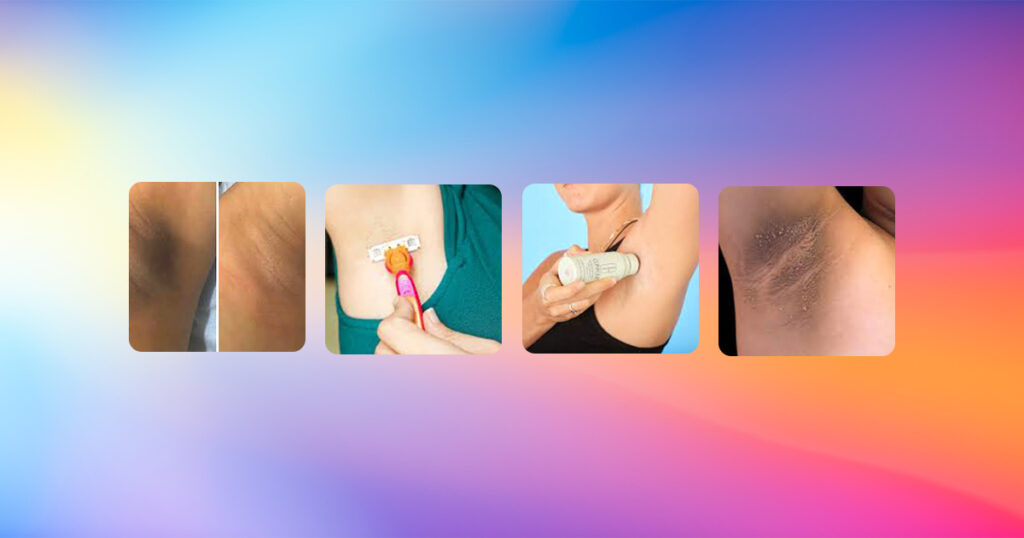
Frequent shaving can cause your underarms to darken due to friction and irritation. Shaving does not remove the follicles at the root. This can leave a shadow under the skin. In addition, repeated shaving causes the skin to thicken over time. Resulting in dark skin Other hair removal methods, such as waxing, can injure the skin and may cause it to darken.
3. Rubbing from clothes
Tight clothing made from synthetic materials can irritate the delicate skin on your arms. This results in dark marks over time. Constant rubbing, especially from tight clothing, thickens the skin and makes it appear darker.
4. Chemical stimulants in deodorant and antiperspirant products
Some deodorants and antiperspirants contain harsh chemicals and fragrances that can cause irritation or allergic reactions. Resulting in blindness Products containing alcohol and aluminum are especially irritating to sensitive skin.
5. Acanthosis nigrican
This skin condition causes thick, dark patches. It is often associated with insulin resistance, obesity, and hormonal abnormalities. or endocrine disease. Acanthosis nigricans is often found in areas with folded skin, such as the armpits, and may require medical help.
How to Prevent Dark Underarms
Prevention plays a crucial role in managing dark underarms. Here are some strategies to minimize the risk:
1. Use Gentle Hair Removal Techniques
Opt for gentler hair removal methods, such as waxing or laser hair removal. Waxing removes hair from the root, reducing the shadow effect, while laser hair removal can help permanently reduce hair growth in the area, decreasing the need for regular shaving.
2. Choose Hypoallergenic Deodorants
Select deodorants that are free from alcohol, fragrances, and aluminum. These ingredients can be irritating to sensitive underarm skin, leading to darkening. Hypoallergenic or natural deodorants are gentler and can prevent chemical reactions.
3. Wear Loose, Breathable Clothing
Clothing that is too tight or made from synthetic materials can trap moisture and increase friction. Choosing breathable, natural fabrics like cotton can reduce irritation and help the skin stay cool and dry, minimizing the likelihood of pigmentation.
4. Practice Good Hygiene
Regularly exfoliating the underarm area with a gentle scrub can remove dead skin cells and reduce the risk of discoloration. However, it is important to use mild exfoliants specifically designed for sensitive skin to avoid further irritation.
Effective Treatments for Dark Underarms
If dark underarms have already developed, there are several effective treatment options available. These treatments vary in intensity, so it’s essential to choose one based on skin type and the severity of pigmentation.
1. Skin Lightening Creams
Over-the-counter creams: Creams containing ingredients like kojic acid, arbutin, glycolic acid, and vitamin C can help lighten dark underarms over time. These ingredients work by inhibiting melanin production or exfoliating the outer layer of the skin.
Prescription creams: Dermatologists may recommend prescription-strength creams containing hydroquinone or tretinoin for more severe pigmentation. These treatments must be used under professional supervision due to the potential for skin irritation.
2. Chemical Peels
Chemical peels can effectively remove dark patches by exfoliating the top layer of skin, revealing a brighter layer underneath. Peels containing lactic acid, salicylic acid, or glycolic acid are effective for mild to moderate pigmentation. Professional treatments, such as TCA peels, may be recommended for more stubborn cases.
3. Laser Treatments
Laser treatments, particularly those using Q-switched lasers or fractional lasers, are highly effective for dark underarms caused by hyperpigmentation. This treatment targets melanin in the skin, breaking it down and encouraging natural skin tone restoration. However, laser treatments should only be administered by a licensed professional.
4. Microdermabrasion
Microdermabrasion is a minimally invasive procedure that gently exfoliates the skin, helping to reduce pigmentation. By removing the outer layer of dead skin cells, it can improve skin texture and tone, making it appear lighter and smoother. Regular sessions are often recommended for optimal results.
5. Natural Remedies
For those seeking natural solutions, several home remedies may help lighten underarm skin, although results can vary and may take longer than professional treatments.
Lemon juice: Known for its natural bleaching properties, lemon juice can lighten skin when applied directly to the area. However, it is essential to rinse it off after a few minutes and moisturize, as lemon can be drying and may cause sensitivity.
Aloe vera gel: Aloe vera has soothing and lightening properties, which can help to reduce pigmentation over time. It can be applied directly to the underarm area and left on for about 10 minutes before rinsing off.
Potato slices: Potatoes contain catecholase, an enzyme that may lighten dark spots. Gently rubbing a slice of raw potato on the underarms can help with gradual lightening when done consistently.

When to Seek Professional Help for Dark Underarms
Dark underarms are usually harmless. However persistent or severe pigmentation may indicate a medical condition, such as acanthosis nigricans, which requires professional treatment. And if home or over-the-counter treatments don’t work after several months? A dermatologist should be consulted. Signs that may warrant medical evaluation include:
a. The skin quickly turns black.
b. Thickening of theskin in the affected area
c. The dark mark extended beyond his lower arm.
d. Itching, pain, odor, and other symptoms related
Why Choose Dr. Hanan for Dark Underarm Treatment
Dr. Hanan’s expertise in dermatology and personalized care make him an excellent choice for treating dark underarms. Here’s why:
1. Expertise in Skin Pigmentation: With extensive experience in pigmentation treatments, Dr. Hanan tailors solutions to your skin type for optimal results.
2. Advanced Treatment Options: Equipped with state-of-the-art technology, Dr. Hanan offers proven methods like laser therapy, chemical peels, and microdermabrasion to effectively reduce darkening.
3. Safe and Effective Care: Dr. Hanan uses only dermatologist-approved techniques, prioritizing patient safety with each treatment plan.
4. Patient-Centered Support: Known for his compassionate approach, Dr. Hanan and his team provide thorough support to ensure comfort and confidence in your treatment journey.
Trust Dr. Hanan for effective, safe dark underarm treatment and achieve smoother, more even-toned skin tailored to your unique needs.
Final Thoughts
Dark underarms, while often benign, can be managed effectively with preventive measures, over-the-counter products, and professional treatments. A combination of good hygiene practices, gentle hair removal, and skin-friendly products can go a long way in preventing and reducing underarm pigmentation. However, for those seeking faster and more reliable results, consulting a dermatologist to explore treatments like chemical peels, lasers, or microdermabrasion is advisable.
Taking proactive steps to care for underarm skin can lead to a smoother, more even skin tone, helping you feel more confident and comfortable in any outfit.
FAQ’S
1. What causes dark underarms?
Dark underarms can result from shaving, friction, dead skin build-up, certain deodorants, and conditions like hyperpigmentation.
2. How can I prevent dark underarms?
Prevent darkening by avoiding shaving, wearing loose clothing, exfoliating, and using natural deodorants.
3. What are effective treatments?
Treatments include topical creams (kojic acid, niacinamide), chemical peels, and laser therapy. A dermatologist can recommend the best option.
Table of Contents
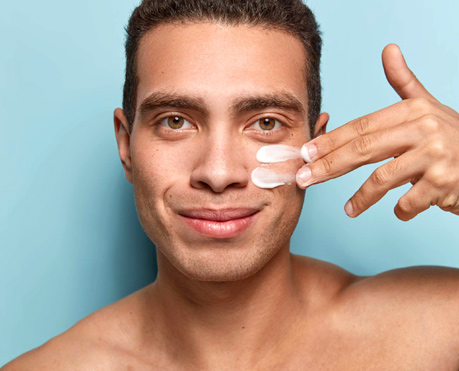
Skincare Routine for Men: A Guide to Healthy Skin
Skincare Routine for Men: A Guide to Healthy Skin
Discover an easy-to-follow skincare routine for men that ensures clear, healthy skin. Get tips for cleansing, moisturizing, and more.
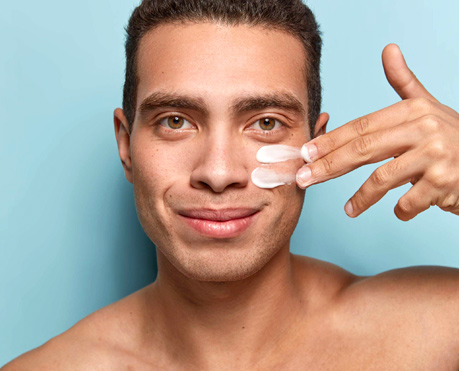
When it comes to maintaining a fresh and youthful appearance, skincare should be a priority for everyone, regardless of gender. However, men’s skincare often takes a backseat, leading to premature aging, dryness, and other skin concerns.
Men’s skin, due to its unique characteristics—thicker texture, larger pores, and increased oil production—requires a customized routine that addresses specific issues.
In this article, we’ll break down the essential steps in a skincare routine tailored specifically for men, ensuring that your skin looks its best.
Why Men Need a Skincare Routine
Men’s skin is biologically different from women’s and requires special care. This is due to higher testosterone levels, Men tend to produce more oil and have thicker skin and more clogged pores.
So, a proper skincare routine not only prevents breakouts and irritation. But it also helps fight signs of aging. Including wrinkles and fine lines. Investing time in skin care will lead to radiant skin, smoother, and increased confidence.
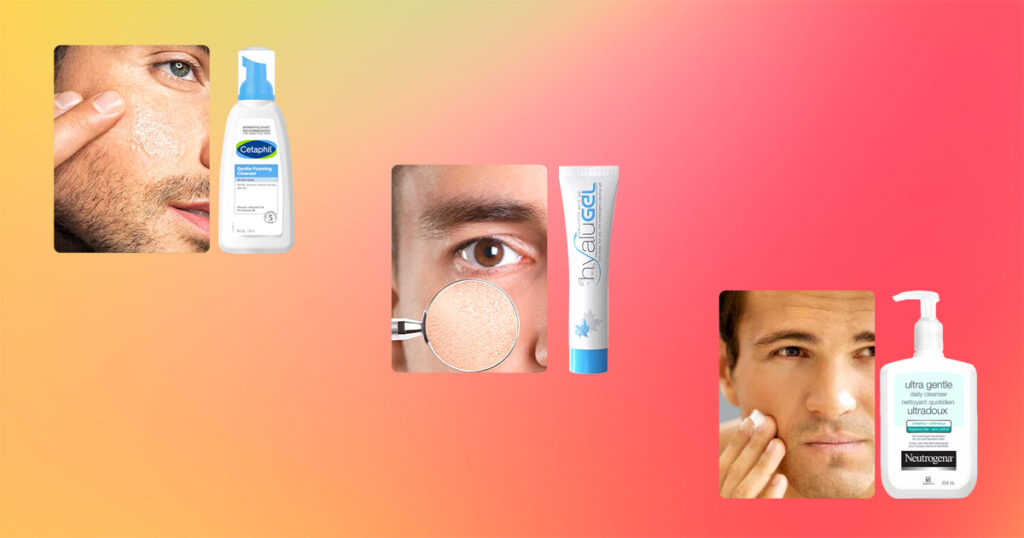
Step 1: Cleansing – The Foundation of Any Routine
Cleansing is the cornerstone of any good skin care plan. Men have larger pores. This allows more dirt and oil to accumulate.
It’s important to use a gentle facial cleanser to remove impurities without stripping essential oils from the skin. Choose the right cleanser for your skin type:
a. Oily skin: Choose a foam or gel cleanser that controls excess oil.
b. Dry skin: Moisturizing cleansers with ingredients like hyaluronic acid or glycerin are best.
c. Sensitive Skin: Use a gentle, fragrance-free formula that won’t irritate.
Cleaning twice a day Morning and before bed is the key to removing dirt, sweat, and sebum that accumulates throughout the day.
Step 2: Exfoliation – Remove Dead Skin Cells
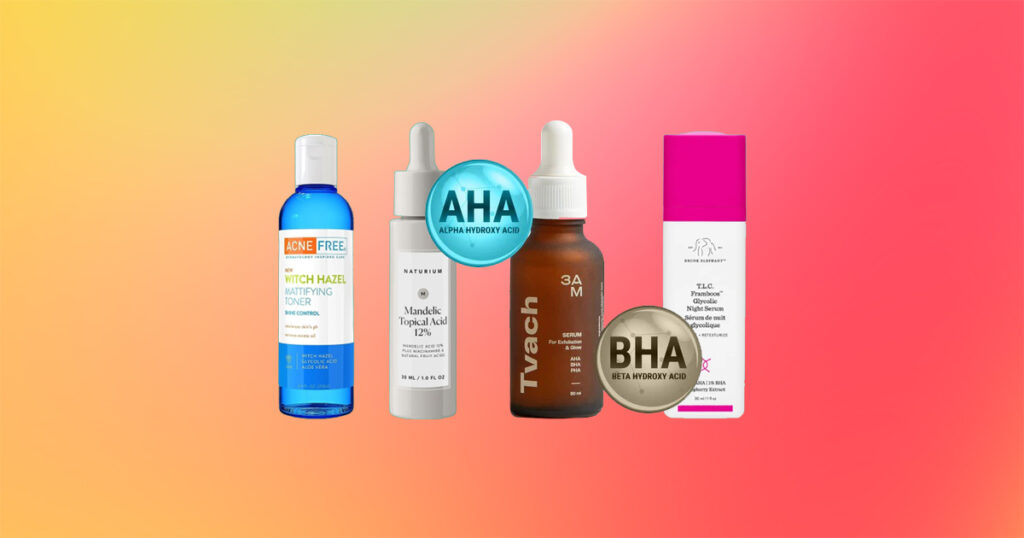
Exfoliating helps remove dead skin cells. Helps new skin reveal the skin. Makes your skin smooth and radiant. Men will benefit from regular shaving as it prevents ingrown hairs and keeps hair follicles from falling out. However, over-shaving can cause irritation. Therefore, water should be exfoliated 2-3 times a week.
Use a gentle scrub or chemical exfoliator that contains ingredients like salicylic acid or alpha hydroxy acids (AHA). These ingredients penetrate deep into the skin to unclog pores. Shrink pores, prevent acne and remove dead cells. Focus on your T-zone, which tends to have the highest oil production.
Step 3: Moisturizing – Lock in Hydration
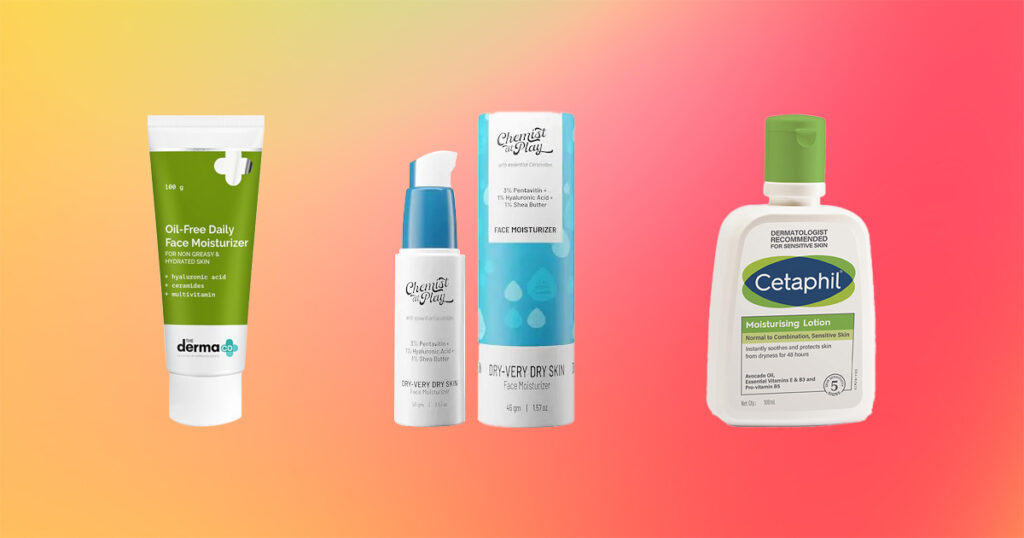
After cleaning the skin It is important to exfoliate and rehydrate the skin. Moisturizers will disturb the skin. Retain moisture and make your skin smooth and healthy. Choosing the right moisturizer for men depends on their skin type:
a. Oily skin: Choose a non-oil or gel moisturizer that hydrates without adding shine.
b. Dry Skin: Enriched with ingredients like ceramides and shea butter. The creamy formula nourishes and repairs dry and flaky skin.
c. Normal/combination skin: A light lotion or cream will balance this without being too greasy.
Use moisturizer twice a day to maintain skin elasticity and reduce the appearance of wrinkles.
Step 4: Sun Protection – Shield from Harmful UV Rays
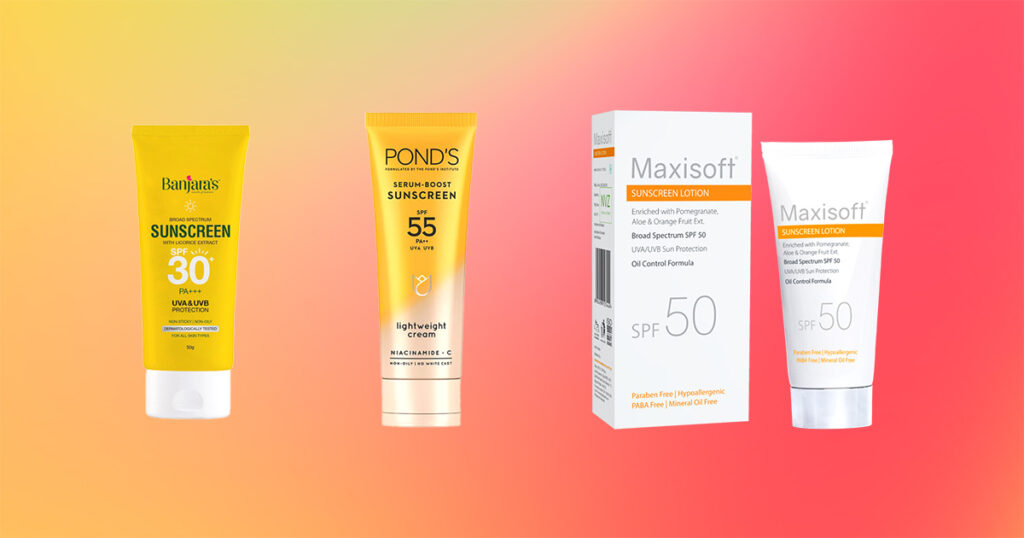
One of the most important, yet often neglected, steps in any skincare routine is sun protection. UV rays are a leading cause of premature aging, dark spots, and even skin cancer. Applying a broad-spectrum sunscreen with an SPF of at least 30 should be a non-negotiable step in your morning routine. Even on cloudy days or during winter, UV rays can penetrate the skin, leading to long-term damage.
Choose a lightweight sunscreen that won’t clog your pores or leave a greasy residue. For those with oily or acne-prone skin, opt for an oil-free formula. Many moisturizers come with built-in SPF, making it easy to incorporate into your routine.
Step 5: Targeted Treatments – Address Specific Skin Concerns
Everyone’s skin is unique. And sometimes your skin needs extra care. Whether you’re battling acne, hyperpigmentation, or wrinkles, integrating targeted treatments into your daily routine can dramatically improve your skin’s health.
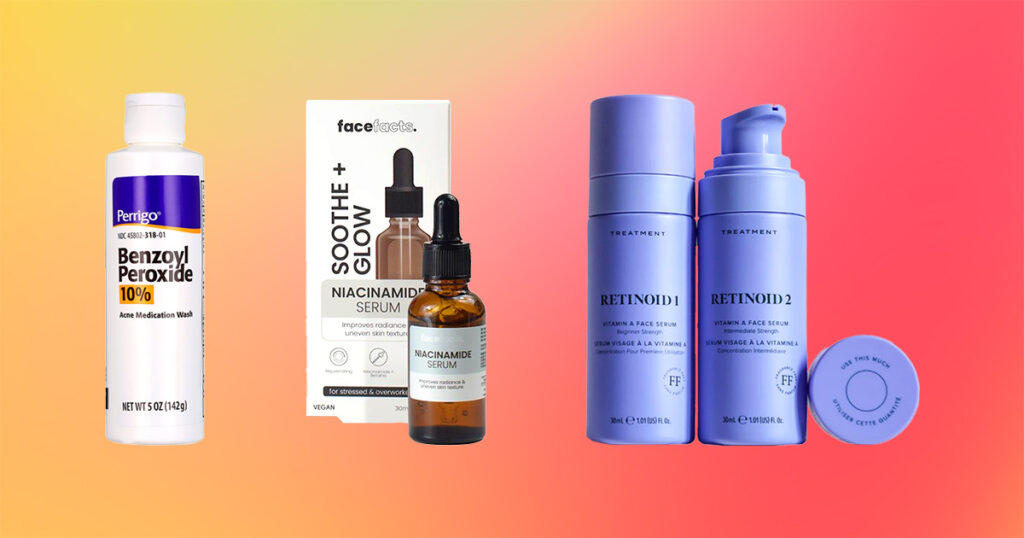
a. For acne: Products containing benzoyl peroxide or salicylic acid help clear scars and prevent future breakouts.
b. For hyperpigmentation: Look for treatments that contain vitamin C, niacinamide, or retinol to reduce dark spots and even out skin tone.
c. For anti-aging: Products containing retinoids, peptides, or collagen can be used to reduce the appearance of fine lines and wrinkles, making the skin look younger.
Use these treatments after cleansing and before moisturizing. so that the active ingredients can be fully absorbed into your skin
Step 6: Eye Cream – Tackle Dark Circles and Puffiness
The skin around the eyes is delicate and often shows signs of aging, such as dark circles, puffiness, and wrinkles. A good eye cream targets these concerns. Providing hydrating and firming benefits, ingredients such as caffeine, hyaluronic acid, and peptides are especially effective at brightening the under-eye area and reducing puffiness.
Use your ring finger to apply a small amount of eye cream, patting gently around the bone to avoid pulling on the delicate skin.

Step 7: Night-Time Routine – Repair While You Sleep
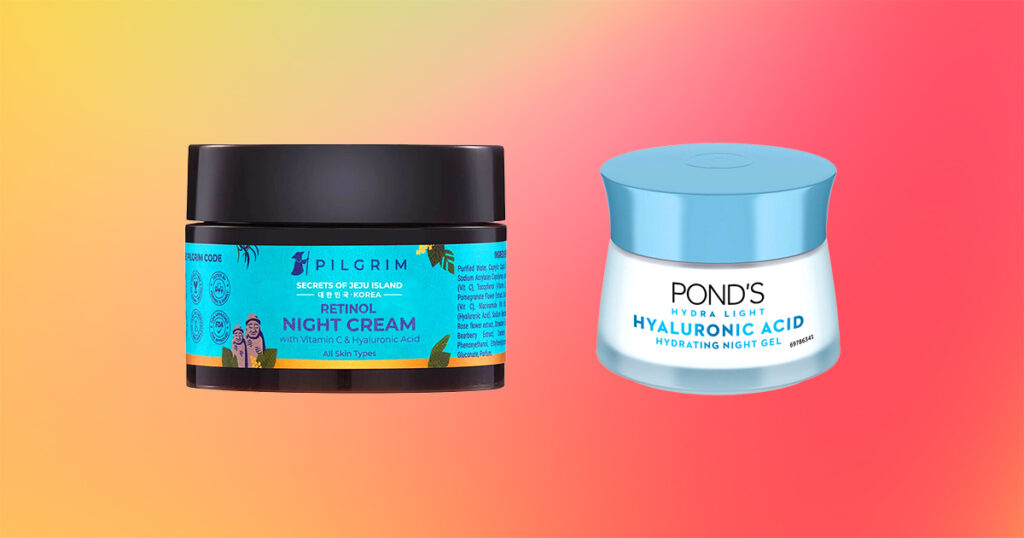
At night, your skin goes into repair mode, making it the perfect time to apply more potent treatments. After cleansing and moisturizing, consider incorporating a night cream or overnight mask that’s richer and more nourishing than your daytime products.
Products containing retinol or hyaluronic acid can help repair damaged skin and boost collagen production, leaving you with smoother, firmer skin by morning.
Why Choose Dr. Hanan for the Best Skincare Routine for Men
When it comes to developing an effective skincare routine for men, Dr. Hanan stands out as a trusted expert. Here’s why you should choose Dr. Hanan for your skincare needs:
1. Specialized Expertise
Dr. Hanan understands that men’s skin has unique characteristics, such as increased oiliness and thicker texture. With extensive experience in male skincare, Dr. Hanan tailors treatments to address issues like acne, oil control, and aging.
2. Customized Solutions
Recognizing that every man’s skin is different, Dr. Hanan offers personalized skincare regimens tailored to your specific skin type and concerns, ensuring effective results.
3. Advanced Technology
Utilizing the latest skincare technology and medical-grade products, Dr. Hanan incorporates innovative solutions, including chemical peels and laser therapies, for optimal skin health.
4. Comprehensive Care
From managing acne to reducing hyperpigmentation, Dr. Hanan provides a wide range of treatments, ensuring every aspect of your skincare routine is covered.
5. Holistic Approach
Dr. Hanan promotes a holistic approach to skincare, offering advice on lifestyle habits, diet, and sun protection to enhance your skin’s health.
6. Trusted by Male Clients
With a solid reputation and numerous satisfied clients, Dr. Hanan is recognized for delivering exceptional, tailored care for men’s skincare needs.
For men seeking effective skincare, Dr. Hanan offers expert guidance and personalized treatments to help you achieve your best skin.
Additional Tips for Men’s Skincare
1. Shaving with Care: Use a sharp razor and shaving cream to avoid irritation and ingrown hairs. Always follow up with a soothing aftershave or balm to calm the skin.
2. Hydration: Drinking plenty of water helps keep your skin hydrated from the inside out.
3. Diet: A diet rich in antioxidants, vitamins, and healthy fats can improve skin quality. Foods like leafy greens, nuts, and fatty fish are great for boosting skin health.
Conclusion
Skincare doesn’t have to be complicated. Following this comprehensive skincare routine Men can enjoy brighter, smoother, and healthier skin. With the right products and regular care, you will notice less acne. less irritation and look more youthful. Make these steps a part of your daily diet. And your skin will thank you in the long run.
FAQ’S
1. What is the best skincare routine for men?
A simple routine includes cleansing, moisturizing, and applying sunscreen daily.
2. How often should men exfoliate?
Exfoliate 2-3 times a week to remove dead skin cells and prevent clogged pores.
3. Do men need sunscreen every day?
Yes, using sunscreen daily protects the skin from sun damage and aging.
Table of Contents
How to Reduce Pigmentation Around the Mouth
How to Reduce Pigmentation Around the Mouth
Discover simple and effective ways to reduce pigmentation around the mouth using brightening ingredients and professional treatments.
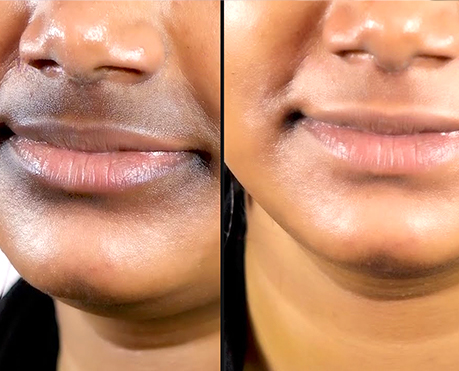
Dark skin around the face is a common skin problem that can affect people of all skin types and tones. May appear as dark marks. Uneven skin tone or changed skin color This often leads to a lack of confidence. Reducing pigmentation in this area requires skin care.
lifestyle changes and a greater understanding of the underlying causes. In this comprehensive guide We’ll explore ways to reduce pigmentation across the face and restore skin for a more even, glowing appearance.
Understanding Pigmentation Around the Mouth
Dark skin occurs when too much melanin is produced. which is a natural pigment responsible for skin color When there is excess melanin production in certain areas of the skin. will cause black marks which cause dark spots or blemishes. The condition can be more pronounced in sensitive areas such as the face. Because the skin is thinner and more exposed to external factors.
Causes of Pigmentation Around the Mouth
There are many causes of dark skin on the face. And understanding these causes is essential for effective treatment. Some common causes include:
Sun exposure: Ultraviolet (UV) rays from the sun can stimulate melanin production as a protective mechanism. cause dark spots Especially in areas exposed to sunlight.
Hormonal changes: Fluctuations in hormone levels. Especially during pregnancy or birth control. It can lead to a condition called melasma. Which causes dark skin all over the face.
Inflammation: Post-inflammatory hyperpigmentation (PIH) can occur after acne, cuts, or other skin injuries. Resulting in dark spots all over the face.
Lifestyle factors: Smoking, poor diet And dehydration can result in uneven skin tone and skin problems. Allergic reactions: Some skin care products or cosmetics can cause irritation and discoloration of the face if they are not suitable for your skin type.
Effective Ways to Reduce Pigmentation Around the Mouth
1. Sun Protection is Key
One of the most effective ways to prevent and reduce pigmentation around the mouth is to protect your skin from the sun. Exposure to UV rays stimulates melanin production, which worsens pigmentation. To minimize sun damage:
a. Use a broad-spectrum sunscreen with at least SPF 30 daily, even on cloudy days. Look for sunscreens that protect against both UVA and UVB rays.
b. Reapply sunscreen every 2 hours when spending time outdoors.
c. Wear a wide-brimmed hat or use an umbrella to reduce direct sun exposure on your face.
2. Incorporate Brightening Ingredients into Your Skincare Routine
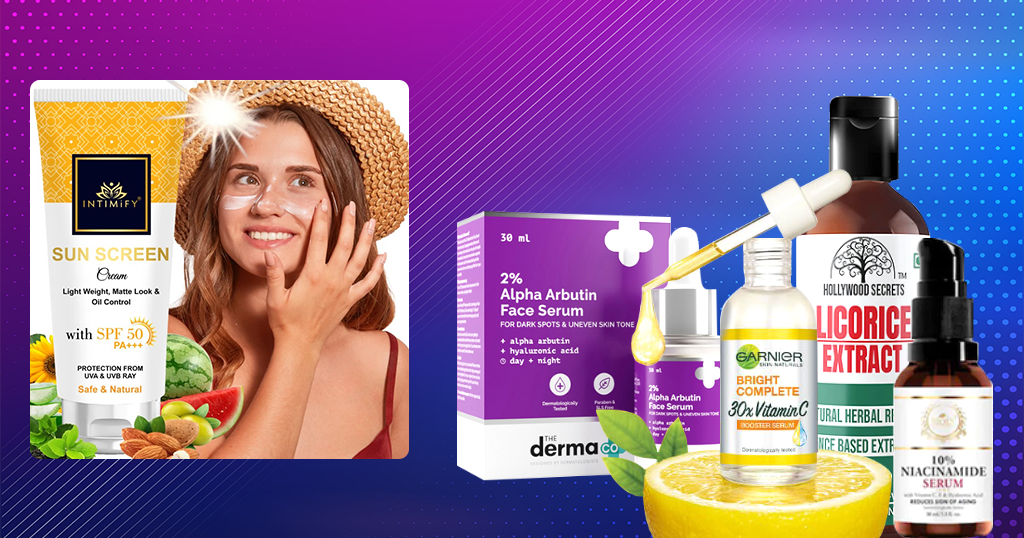
There are several effective skincare ingredients that help fade pigmentation and brighten the skin around the mouth. Some of the most effective ingredients include:
a. Vitamin C: A potent antioxidant, vitamin C can inhibit melanin production, brighten dark spots, and promote collagen production.
b. Niacinamide: This form of vitamin B3 helps to reduce pigmentation by slowing down melanin transfer to the skin’s surface.
c. Alpha Arbutin: A natural extract derived from bearberry plants, alpha arbutin is known for its ability to lighten hyperpigmentation and even out skin tone.
d. Licorice Extract: Contains a compound called glabridin, which inhibits melanin production and helps reduce pigmentation.
e. Retinoids: These vitamin A derivatives increase cell turnover, helping to fade dark spots over time and prevent further pigmentation.
f. Kojic Acid: Derived from fungi, kojic acid reduces pigmentation by inhibiting tyrosinase, an enzyme involved in melanin production. It is effective at brightening dark spots and evening skin tone.
g. Tranexamic Acid: Initially used for treating blood clots, tranexamic acid is now popular in skincare for reducing melanin production. It effectively treats melasma and post-inflammatory hyperpigmentation, making it ideal for addressing pigmentation around the mouth.
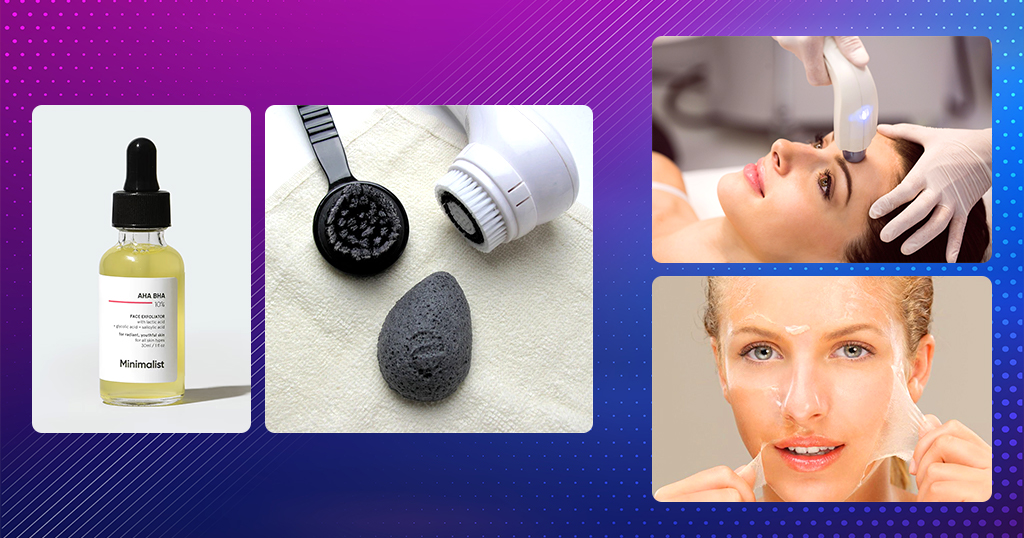
3. Exfoliate Regularly
Regular exfoliation helps to remove dead skin cells and allows for better absorption of brightening products. Exfoliating also accelerates skin cell turnover, helping to fade pigmentation. Opt for gentle exfoliation methods to avoid irritation:
a. Chemical exfoliants like AHAs (alpha-hydroxy acids) and BHAs (beta-hydroxy acids) are ideal for brightening and improving skin texture without being too abrasive.
b. Physical exfoliants like scrubs should be used with caution to avoid damaging the delicate skin around the mouth.
4. Laser Treatments and Chemical Peels
For more stubborn pigmentation, professional treatments like laser therapy and chemical peels can deliver faster, more noticeable results.
a. Laser Therapy: Lasers target and break down melanin in the skin. Treatments like Q-switched lasers or fractional lasers are particularly effective for treating pigmentation around the mouth.
b. Chemical Peels: A professional-grade chemical peel using acids like glycolic acid or salicylic acid can remove the top layer of skin, revealing fresher, more even-toned skin beneath.
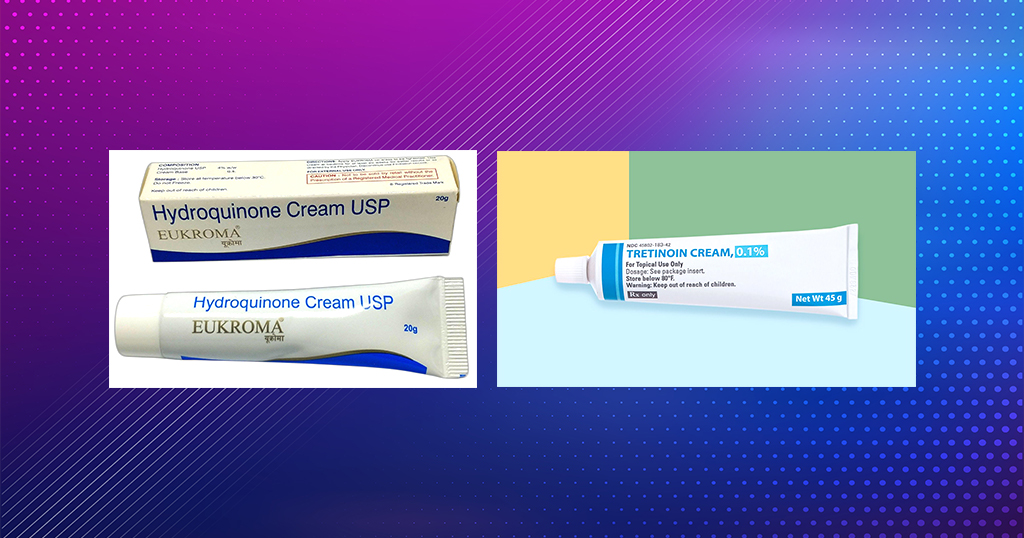
5. Topical Prescription Medications
In some cases, your dermatologist may prescribe topical treatments to help reduce pigmentation. These medications often contain stronger concentrations of active ingredients:
a. Hydroquinone: One of the most effective skin-lightening agents, hydroquinone inhibits melanin production and is available in prescription-strength formulas.
b. Tretinoin: A form of retinoid, tretinoin accelerates cell turnover and helps fade hyperpigmentation more quickly.
6. Home Remedies for Mild Pigmentation
While professional treatments are often the most effective, certain home remedies can help lighten mild pigmentation around the mouth. Some popular remedies include:
a. Lemon Juice: Rich in vitamin C, lemon juice can help brighten the skin and reduce dark spots. Apply diluted lemon juice to the affected area, leave it on for 10 minutes, and rinse off.
b. Aloe Vera Gel: Aloe vera contains compounds like aloesin, which may inhibit melanin production and lighten pigmentation.
c. Turmeric: Turmeric has anti-inflammatory and skin-brightening properties. Mix turmeric with milk or yogurt to create a paste, apply it to the pigmentation, and rinse off after 15 minutes.

7. Maintain a Healthy Lifestyle
A well-rounded lifestyle supports overall skin health, reducing the likelihood of pigmentation:
a. Stay Hydrated: Drinking plenty of water keeps your skin hydrated and promotes a healthy, even complexion.
b. Eat a Balanced Diet: Include foods rich in antioxidants, like fruits and vegetables, which help fight free radicals and prevent skin damage.
c. Avoid Smoking: Smoking depletes oxygen and nutrients from your skin, leading to premature aging and uneven skin tone.

When to See a Dermatologist
If over-the-counter products and home remedies do not produce the desired results It’s time to consult a dermatologist. They may recommend treatments such as chemical peels.
laser treatment or prescription-strength creams to effectively reduce melanin production, in addition, if dark skin is accompanied by other symptoms such as inflammation or itching. It is necessary to get expert advice to rule out hidden conditions.
Why Choose Our Doctor Hanan for Mouth Pigmentation Treatment?
1. Special expertise and specialized treatment
Dr. Hanan specializes in skin pigmentation. It provides tailored treatments such as topical medications (Alpha Arbutin, kojic acid and tranexamic acid), laser therapy. and peeling the skin with chemicals To effectively deal with the problem of dark skin on the face.
2. Holistic and patient-centered approach
Focused on immediate results and long-term skin health, Dr. Hanan offers comprehensive skin care advice and preventative measures. This ensures a personalized experience that prioritizes your specific needs.
3. Proven results in a safe environment
Our clinic has a history of satisfied patients. Thankfully, safe and effective treatments are performed in a clean and comfortable atmosphere by the doctors. Because of Hanan’s determination Feel a noticeable improvement in your skin tone and regain your confidence!
For expert treatment of mouth pigmentation, choose Dr. Hanan for her specialized skills and patient-focused care. Schedule your consultation today!
Conclusion
A regular skin care routine to reduce pigmentation all over the face. Sun protection And professional treatment for severe cases may require brightening ingredients.
Exfoliating the skin regularly and considering laser or chemical treatments to make the skin tone more even. Always remember to protect your skin from UV damage. and maintain a healthy lifestyle to support long-term results.
FAQ’S
1. What causes pigmentation around the mouth?
Pigmentation can result from sun exposure, hormonal changes, post-inflammatory hyperpigmentation, and certain medical conditions.
2. What treatments are effective for reducing pigmentation?
Effective treatments include topical creams with hydroquinone, kojic acid, or tranexamic acid, as well as chemical peels and laser therapy.
3. How can I prevent further pigmentation?
Prevent further pigmentation by using a broad-spectrum sunscreen, maintaining a gentle skincare routine, and consulting a dermatologist for personalized advice.